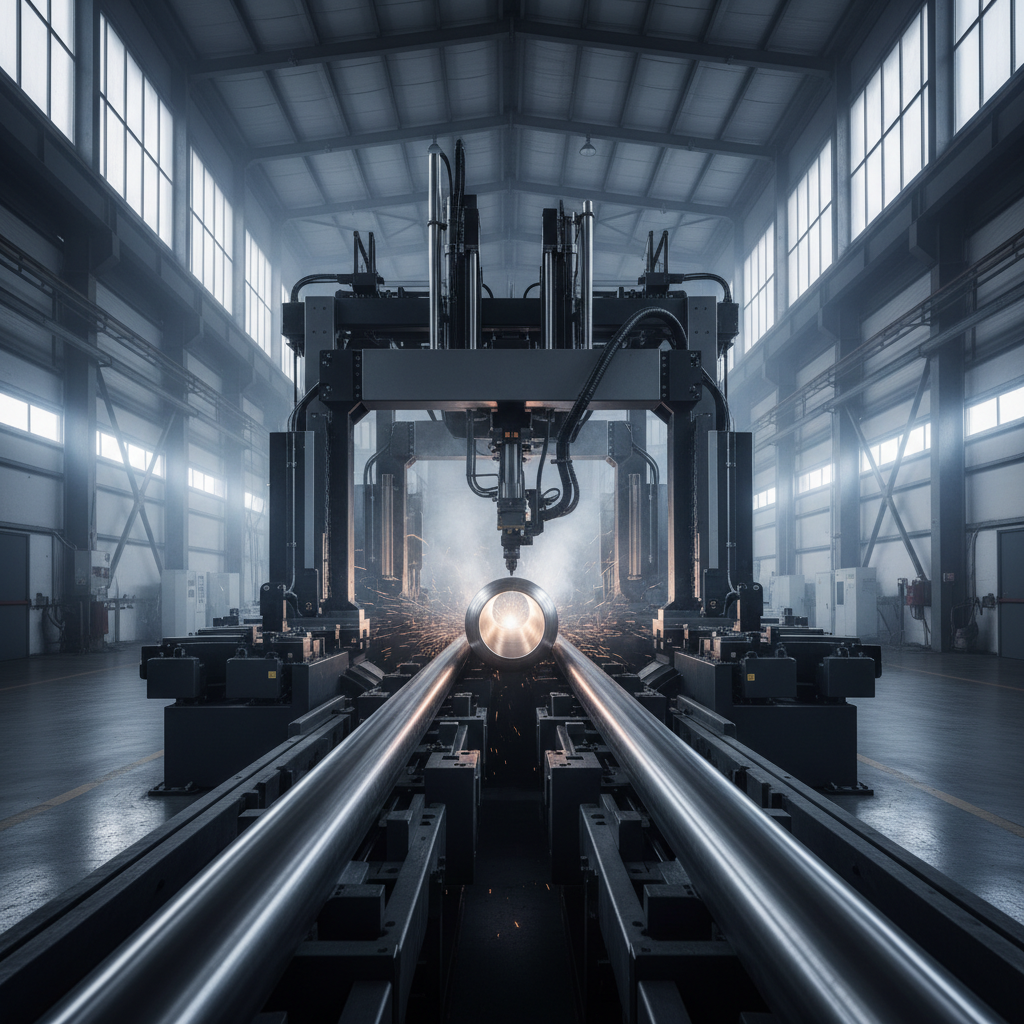
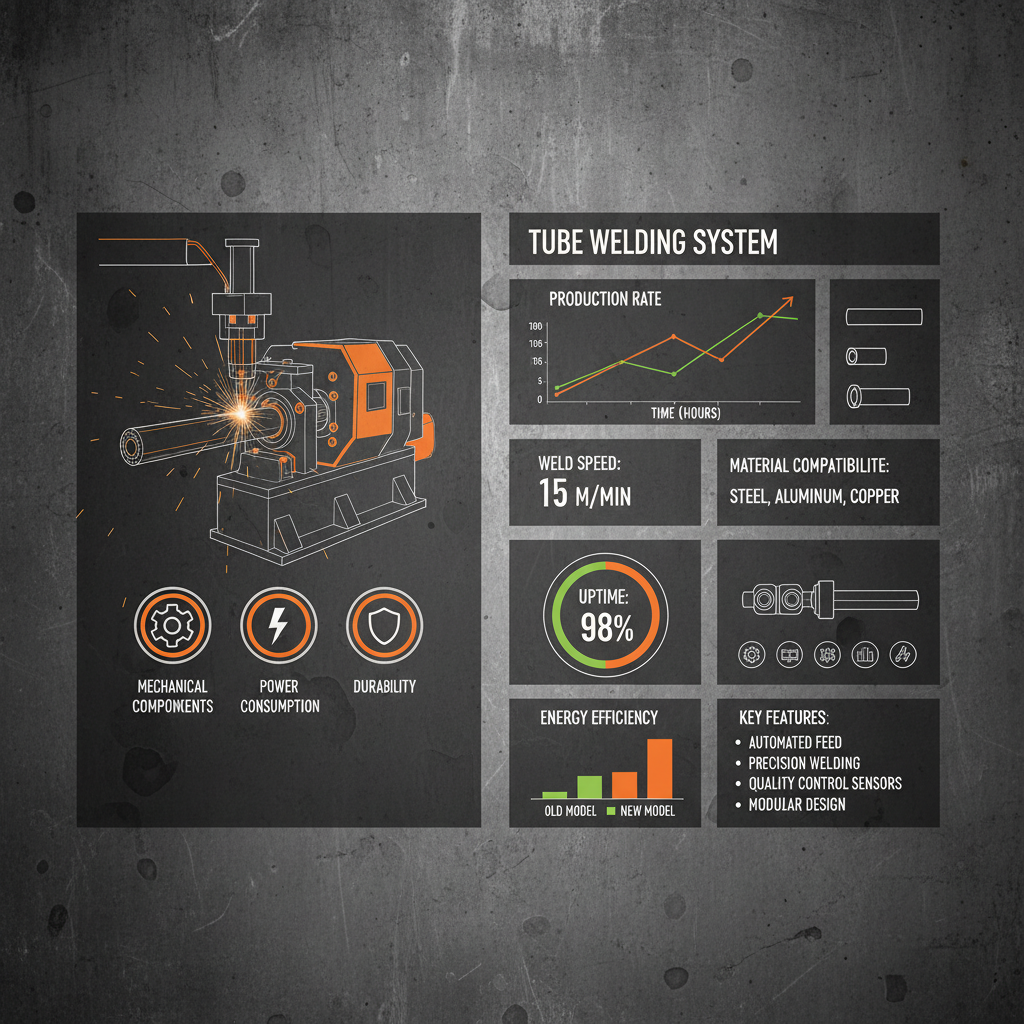
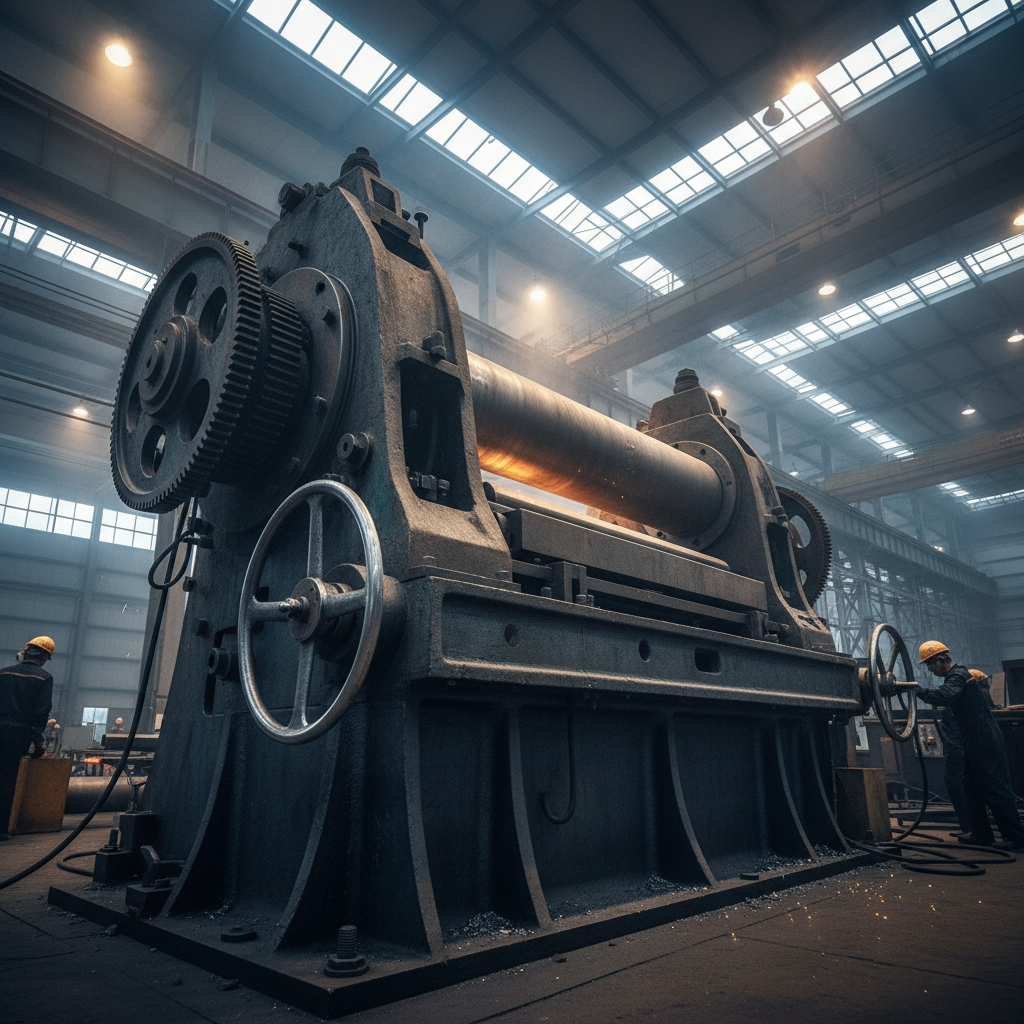
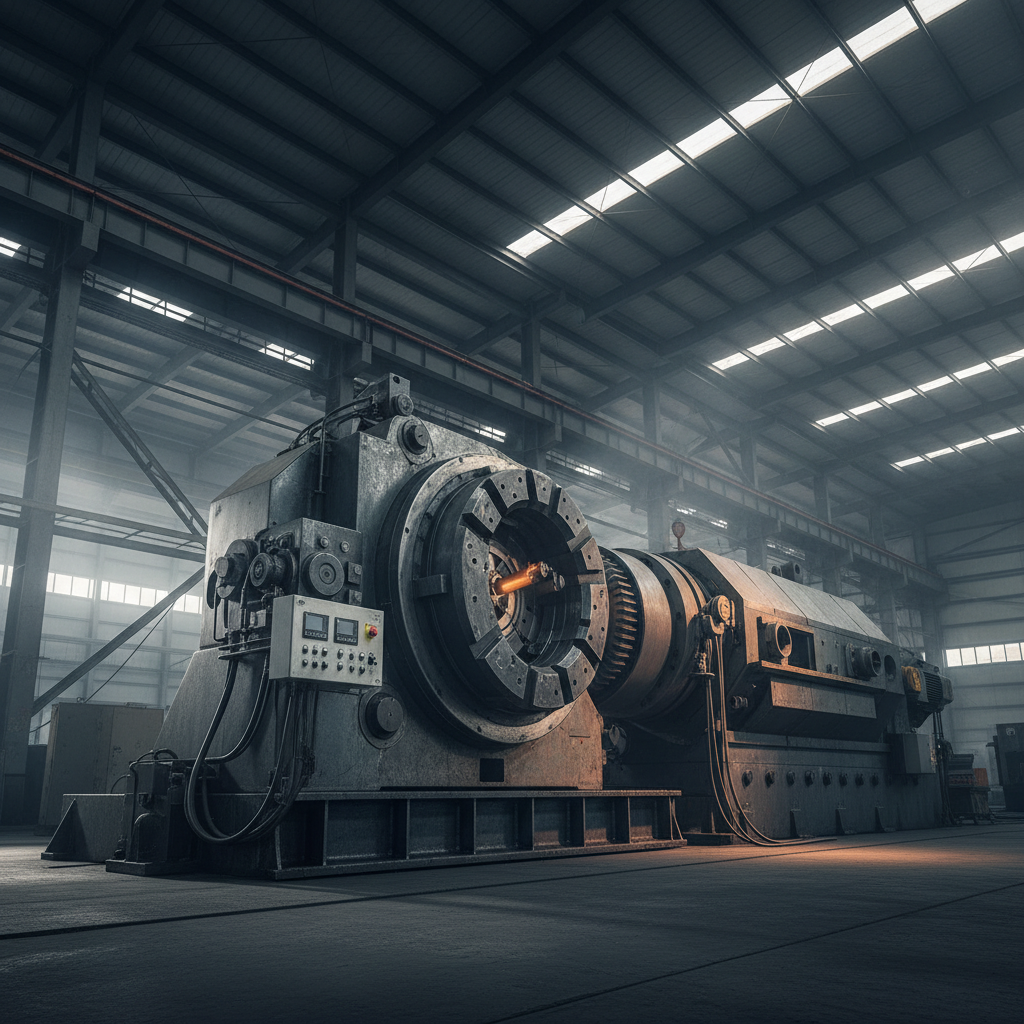
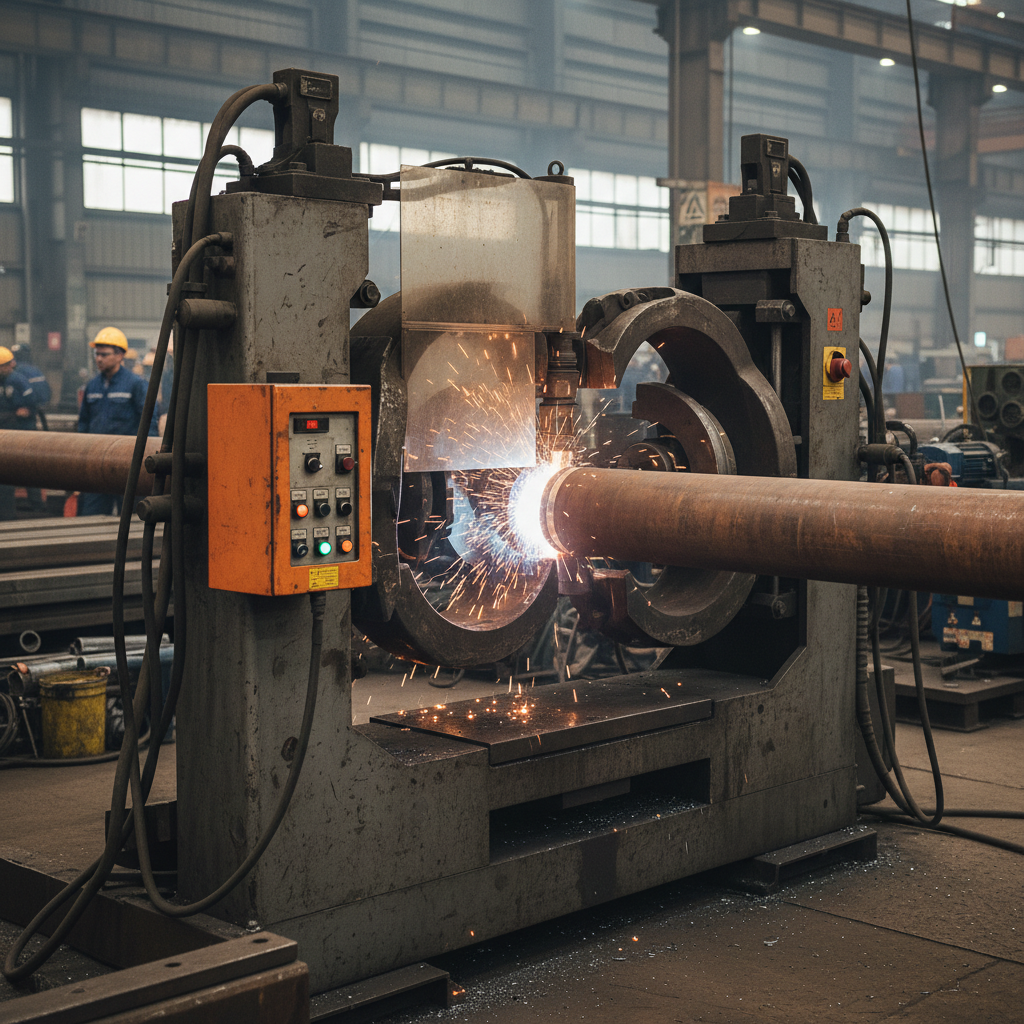
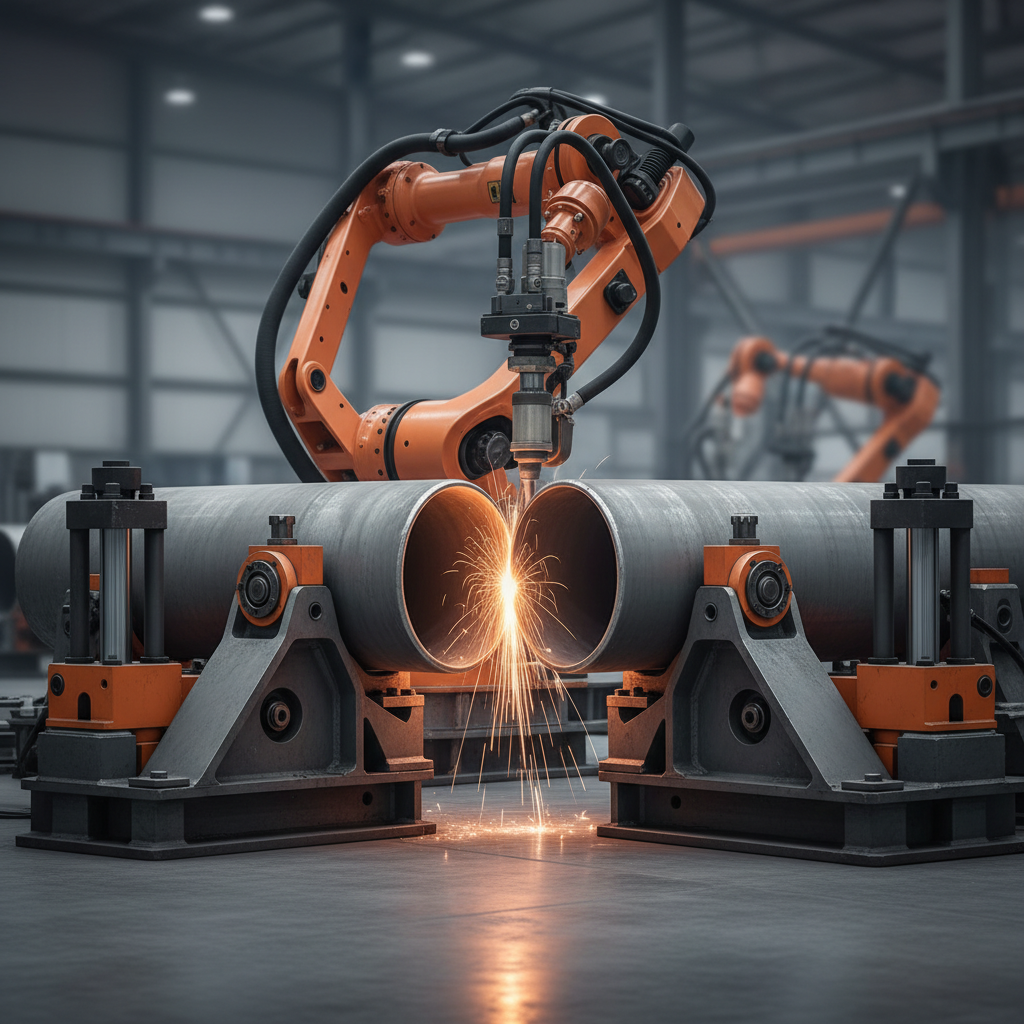
In the modern industrial landscape, the precision and efficiency of metal fabrication are paramount to maintaining a competitive edge. A high-performance tube welding machine serves as the backbone for creating seamless, durable piping systems that are essential for everything from automotive chassis to high-pressure oil and gas conduits. By integrating advanced thermal control and precise alignment, these machines ensure structural integrity while minimizing material waste.
Globally, the demand for precision-welded tubing is skyrocketing as infrastructure projects become more complex and industries shift toward lightweight, high-strength materials. Understanding the nuances of a tube welding machine allows manufacturers to optimize their production cycles, reduce human error, and adhere to stringent international safety standards such as ISO and ASME.
Whether you are upgrading an existing facility or designing a new production line, the choice of welding technology directly impacts the longevity and reliability of the end product. This guide explores the technical evolution, practical applications, and future trends of the tube welding machine to help you make an informed investment in your machining and welded pipe equipment.
Global Relevance of Tube Welding Machine
On a global scale, the proliferation of urbanization and the expansion of energy grids have placed an unprecedented demand on the production of high-quality steel tubes. According to industry trends aligned with ISO quality standards, the precision offered by a modern tube welding machine is no longer a luxury but a necessity for ensuring the safety of public infrastructure. From water distribution systems to aerospace fuel lines, the ability to create leak-proof, high-pressure joints is critical.
However, many manufacturers still struggle with inconsistency in weld beads and thermal distortion. The challenge lies in balancing speed with metallurgical integrity. By implementing automated tube welding machine technology, companies can eliminate the variability associated with manual welding, thereby reducing the rate of product failure and decreasing the costs associated with scrap and rework.
Defining the Modern Tube Welding Machine
At its core, a tube welding machine is a specialized piece of industrial equipment designed to join metal strips or tubes through the application of heat and pressure. Unlike general-purpose welding, these machines are engineered for longitudinal or circumferential precision, often employing High-Frequency Induction (HFI) or TIG/MIG processes to create a bond that is as strong as, or stronger than, the parent metal.
In the context of modern industry, these machines represent the intersection of metallurgy and robotics. They are not merely tools for joining metal but are integrated systems that manage feed rates, temperature gradients, and cooling cycles in real-time. This ensures that the welded pipe maintains its circularity and structural properties, which is vital for industries requiring strict tolerance levels.
Beyond the technical specifications, the tube welding machine fulfills a critical humanitarian and economic role. By enabling the rapid production of affordable, high-strength piping, it facilitates the delivery of clean water to remote areas and supports the construction of disaster-resilient housing and industrial zones across the developing world.
Core Components for Maximum Efficiency
The reliability of a tube welding machine depends heavily on its precision guiding systems. High-grade rollers and alignment jigs ensure that the metal strip is fed without deviation, preventing the common issue of "wandering" welds that can compromise the entire batch of piping.
Thermal management is the second pillar of performance. A sophisticated tube welding machine utilizes advanced cooling arrays to prevent overheating of the heat-affected zone (HAZ), which prevents the metal from becoming brittle and ensures the pipe can withstand extreme operational pressures.
Lastly, the integration of PLC (Programmable Logic Controllers) allows for scalability and consistency. Modern tube welding machine units can be programmed for different wall thicknesses and diameters, allowing a single production line to handle diverse product catalogs with minimal downtime for reconfiguration.
Performance Metrics and Technical Analysis
When evaluating a tube welding machine, manufacturers must look beyond raw speed. The key metrics include weld penetration depth, bead smoothness, and energy consumption per linear meter. A machine that operates at high speed but produces inconsistent penetration will ultimately cost more in quality control failures than a slightly slower, more precise system.
Comparing different welding methods—such as High-Frequency Induction versus Plasma Arc—reveals distinct advantages depending on the material. While HFI is unmatched for high-volume carbon steel production, Plasma Arc welding is often preferred for exotic alloys where purity and aesthetic finish are the primary requirements.
Efficiency Comparison of Tube Welding Machine Technologies
Global Industrial Applications
The versatility of the tube welding machine is evident in its widespread use across disparate industries. In the automotive sector, these machines produce precision exhaust systems and structural frames that must withstand intense vibrations and heat. In the energy sector, they are used to manufacture the vast networks of pipelines that transport natural gas and oil across continents.
Beyond heavy industry, these machines are pivotal in the medical field for creating stainless steel surgical instruments and fluid delivery tubes. Even in remote industrial zones or post-disaster recovery areas, modular tube welding machine setups are used to quickly fabricate temporary shelters and water filtration frameworks, proving their value in both commercial and humanitarian contexts.
Long-Term Value and Sustainability
Investing in a high-end tube welding machine provides significant long-term financial benefits. By reducing the reliance on manual labor and minimizing weld defects, companies can drastically lower their operational overhead. The increased reliability of the output also enhances brand trust, as clients receive products with guaranteed structural integrity and consistent dimensions.
From a sustainability perspective, modern welding technology is moving toward "green" manufacturing. New tube welding machine models are designed with energy-efficient power supplies that reduce electricity consumption by up to 30%. Furthermore, the precision of automated welding reduces material waste, aligning production with global circular economy goals.
Ultimately, the value is not just in the machine itself, but in the safety and dignity it provides. Whether it is a secure bridge railing or a sterile medical tube, the precision of the tube welding machine ensures that the final product protects the end-user, fostering a culture of innovation and trust in engineering.
Future Innovations in Tube Welding
The future of the tube welding machine lies in the integration of Artificial Intelligence (AI) and Industry 4.0. We are seeing the rise of "smart welding" where sensors monitor the weld pool in real-time, automatically adjusting current and speed to compensate for variations in material thickness. This eliminates the need for constant human supervision and ensures a perfect weld every time.
Moreover, the shift toward lightweight materials, such as titanium and advanced aluminum alloys, is driving the development of hybrid welding machines. These systems combine laser and arc welding to achieve the depth of the latter and the precision of the former, opening new possibilities for the aerospace and electric vehicle (EV) markets.
As digital transformation accelerates, the tube welding machine will become part of a fully connected ecosystem. Remote monitoring and predictive maintenance will allow operators to identify wear and tear on welding tips before a failure occurs, ensuring that production lines never stop unexpectedly.
Comparative Analysis of Tube Welding Machine Evolution
| Technology Era |
Precision Level |
Automation Degree |
Energy Efficiency |
| Manual Arc Era |
Low (3-5) |
None |
Low |
| Early Semi-Auto |
Medium (5-6) |
Partial |
Moderate |
| PLC Integrated |
High (7-8) |
High |
High |
| Smart HFI Systems |
Very High (8-9) |
Full |
Very High |
| AI-Driven Hybrid |
Ultra High (9-10) |
Autonomous |
Optimal |
| Next-Gen Quantum |
Perfect (10) |
Self-Correcting |
Zero Waste |
FAQS
HFI (High-Frequency Induction) is designed for high-speed, high-volume production of carbon steel tubes, using induction heating to fuse the edges. TIG (Tungsten Inert Gas) welding is a slower process but provides superior precision and weld purity, making it ideal for stainless steel, aluminum, and specialized medical or aerospace components where appearance and contamination control are critical.
Thermal distortion is best managed by utilizing a tube welding machine with an integrated cooling system and precise heat control. By optimizing the weld speed and using an appropriate cooling medium immediately after the weld zone, you can stabilize the molecular structure of the metal and maintain the tube's perfect circularity.
Yes, most modern industrial machines are designed with adjustable roller sets and modular jigs. By swapping the forming rollers and updating the PLC settings, a single tube welding machine can often accommodate a range of diameters and wall thicknesses, though the specific range depends on the machine's frame size and motor capacity.
While the initial investment in an automated tube welding machine is higher, the long-term ROI is significantly better. Automation reduces labor costs, eliminates human error, increases production speed by 5-10x, and drastically lowers scrap rates, making it the more economical choice for any medium-to-large scale operation.
Regular maintenance should include the lubrication of guiding rollers, inspection of welding electrodes/tips for wear, and calibration of the PLC sensors. Additionally, ensuring the cooling system is free of mineral buildup is crucial for maintaining consistent thermal performance and preventing premature component failure.
When importing a tube welding machine, ensure the equipment meets the electrical standards of your region (e.g., voltage and frequency). Work with a supplier that provides comprehensive documentation, including CE or ISO certifications, and coordinate with a customs broker to handle the specific HS codes for metal-forming machinery to ensure a smooth delivery process.
Conclusion
The tube welding machine is far more than a tool for joining metal; it is a catalyst for industrial efficiency and safety. From the fundamental components like precision rollers and PLC controllers to the advanced application of AI and hybrid welding, these machines ensure that the global infrastructure we rely on is built to last. By prioritizing weld integrity, energy efficiency, and scalability, manufacturers can not only increase their profitability but also contribute to a more sustainable and secure industrial future.
As we look ahead, the integration of smart technologies will continue to redefine the boundaries of what is possible in metal fabrication. For businesses seeking to maintain a competitive edge, investing in high-precision welding equipment is the most strategic move for long-term growth. We invite you to explore our cutting-edge solutions and optimize your production line today. Visit our website: www.xhequipment.com