Look, automatic pipeline welding machines… they’re getting complicated. I've been on sites for twenty years, and I've seen things change. It used to be just stick welding, right? Now it’s all pulsed TIG, submerged arc, and this automatic stuff. Honestly, the pace is a little scary. Everyone’s chasing efficiency, which is good, don’t get me wrong, but sometimes I think people forget what actually works in the real world, you know? It’s not always about the newest tech; it's about reliability.
And the pressure to go "smart" is something else. Every manufacturer wants to slap a PLC on it and call it a revolution. But have you noticed, most of the time it just adds another point of failure? Something else to troubleshoot when you’re covered in mud and fighting a deadline.
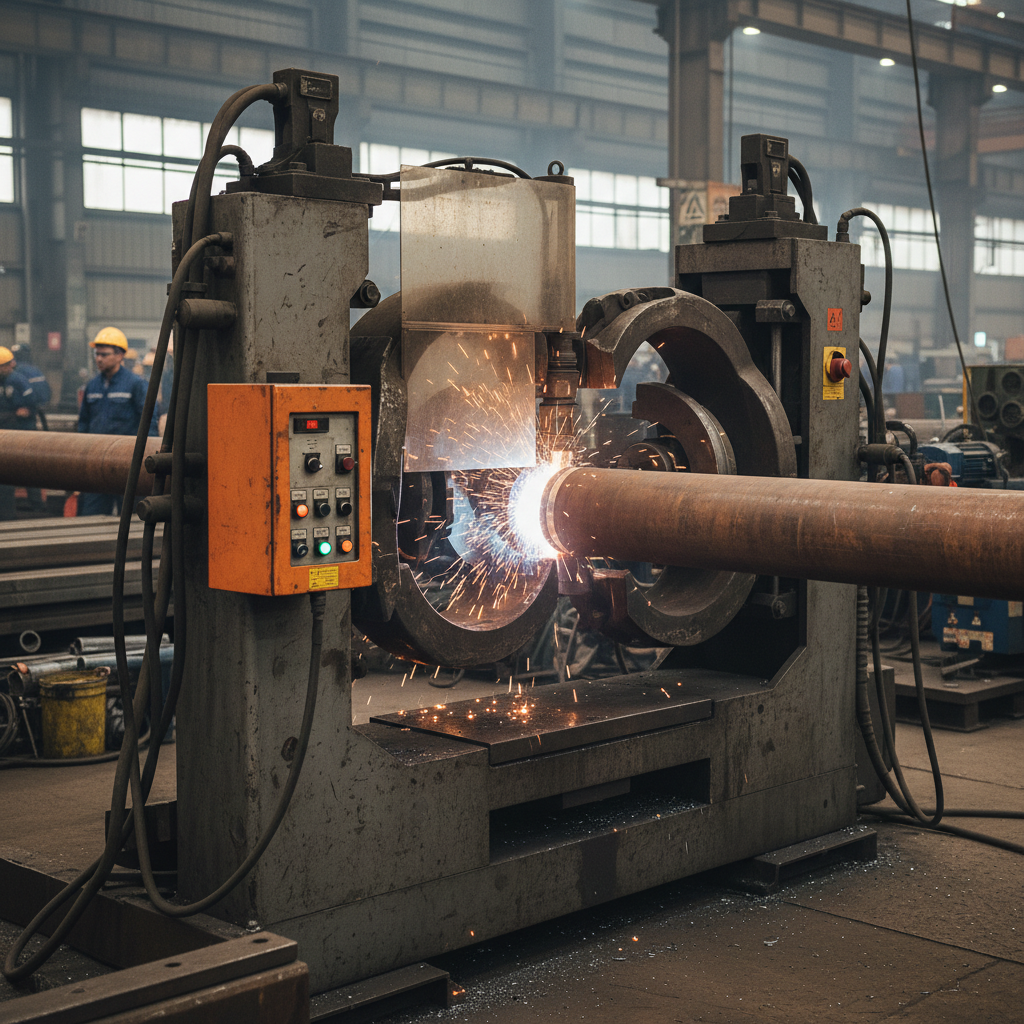
These machines are vital though, especially for big infrastructure projects – oil pipelines, gas lines, even large-diameter water mains. Without them, these projects would be massively expensive and take forever. It's a game changer, for sure.
The Current Landscape of automatic pipeline welding machine
To be honest, the big trend is miniaturization and portability. Everyone wants something they can truck into remote locations. I encountered this at a gas pipeline project in Wyoming last fall. The engineers were struggling to get a massive machine over some rough terrain. It was a mess. They finally had to break it down and reassemble it on site, which took days. Strangely, simpler machines were still getting the job done faster on other parts of the project.
But you also see a push for greater automation. More sensors, more feedback loops, trying to reduce human error. It sounds good on paper.
Common Design Pitfalls in automatic pipeline welding machine
I've seen a lot of designs that look great in CAD but are a nightmare to actually use. One big one is accessibility for maintenance. Engineers design these things without thinking about how a mechanic with big hands and limited space is supposed to get inside and fix a problem. And cooling systems… oh man, the cooling systems. They’re often undersized, especially for high-duty cycle applications. I’ve seen machines overheat and shut down in the middle of a critical weld because the cooling wasn’t up to snuff. It's frustrating, really.
Another issue is relying too much on fancy software. If the software crashes, or if the operator doesn't know how to troubleshoot it, you’re stuck. I think a good machine should be able to function reasonably well even in a degraded software state.
And don’t even get me started on cable management. A tangled mess of cables is just asking for trouble. It's a safety hazard, and it makes troubleshooting a nightmare.
Materials Used in automatic pipeline welding machine Construction
The core structure is usually heavy-duty steel, obviously. Thick plate, properly welded. You can tell a good frame just by the feel of it. It should be solid, rigid, and not flex under load. Then you’ve got the alloys – lots of stainless steel for components that come into contact with the weld, and some high-strength alloys for the drive mechanisms.
I remember one time at a fabrication shop, you could smell the difference between the good steel and the cheaper stuff. It's subtle, but you get used to it. And the rubber components – the tires, seals, and hoses – they need to be high-quality, resistant to oil, heat, and abrasion. You wouldn't believe how many machines fail because of a cheap rubber hose.
The electronics housings are usually aluminum or a tough plastic. The key is to protect the sensitive components from dust, moisture, and vibration. Anything less and you're asking for trouble.
Real-World Testing and Quality Control of automatic pipeline welding machine
Lab tests are okay, but they don't tell the whole story. I mean, you can test a machine to failure in a controlled environment, but that's not the same as running it for six months in the desert or in the Arctic. We do a lot of field testing. Take a machine out to an actual pipeline project and put it through its paces. See how it handles real-world conditions – dirt, dust, rain, extreme temperatures.
We also do non-destructive testing – dye penetrant inspection, ultrasonic testing – to check for cracks and defects in the welds. And then there's visual inspection, which is still surprisingly effective. A trained eye can spot a lot of potential problems just by looking at the welds.
I always say, the best test is time. If a machine can run reliably for a year without major issues, you know it's a good machine. Anyway, I think that's the best measure.
Automatic Pipeline Welding Machine Performance Metrics
How Users Actually Utilize automatic pipeline welding machine
It's not always what the marketing materials show, trust me. A lot of times, operators will tweak the settings to suit their own preferences, or to compensate for variations in the materials. They might adjust the welding speed, the current, the gas flow rate. They learn what works best through experience.
And surprisingly, many users don't fully utilize all the features of these machines. They stick to the basic settings and don't bother with the more advanced functions. It's either because they don't understand them, or because they don't see the need. I've seen a lot of wasted potential, to be honest.
Advantages and Disadvantages of automatic pipeline welding machine
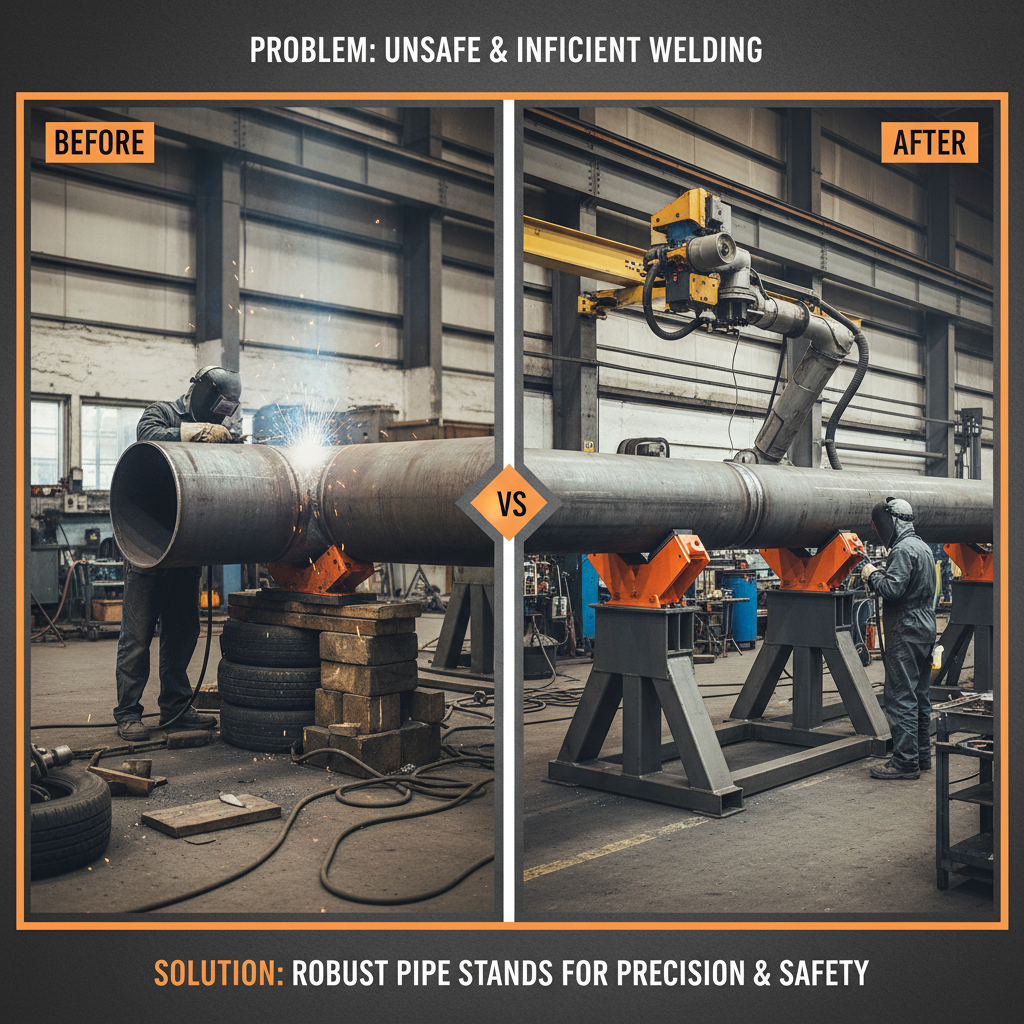
The big advantage is speed and consistency. An automatic machine can weld a long seam much faster and with fewer defects than a manual welder, especially on long, straight runs. This translates into cost savings, and reduced project timelines. But... they're not perfect. They're expensive to buy and maintain, and they require skilled operators to set up and troubleshoot.
Another downside is flexibility. Automatic machines are great for repetitive tasks, but they struggle with complex geometries or tight spaces. You still need manual welders for those jobs. It’s a trade-off.
And let’s be real, the initial investment is steep. A good automatic pipeline welding machine isn’t cheap, and then you have the cost of training, maintenance, and spare parts. It's a big commitment.
Customization Options for automatic pipeline welding machine
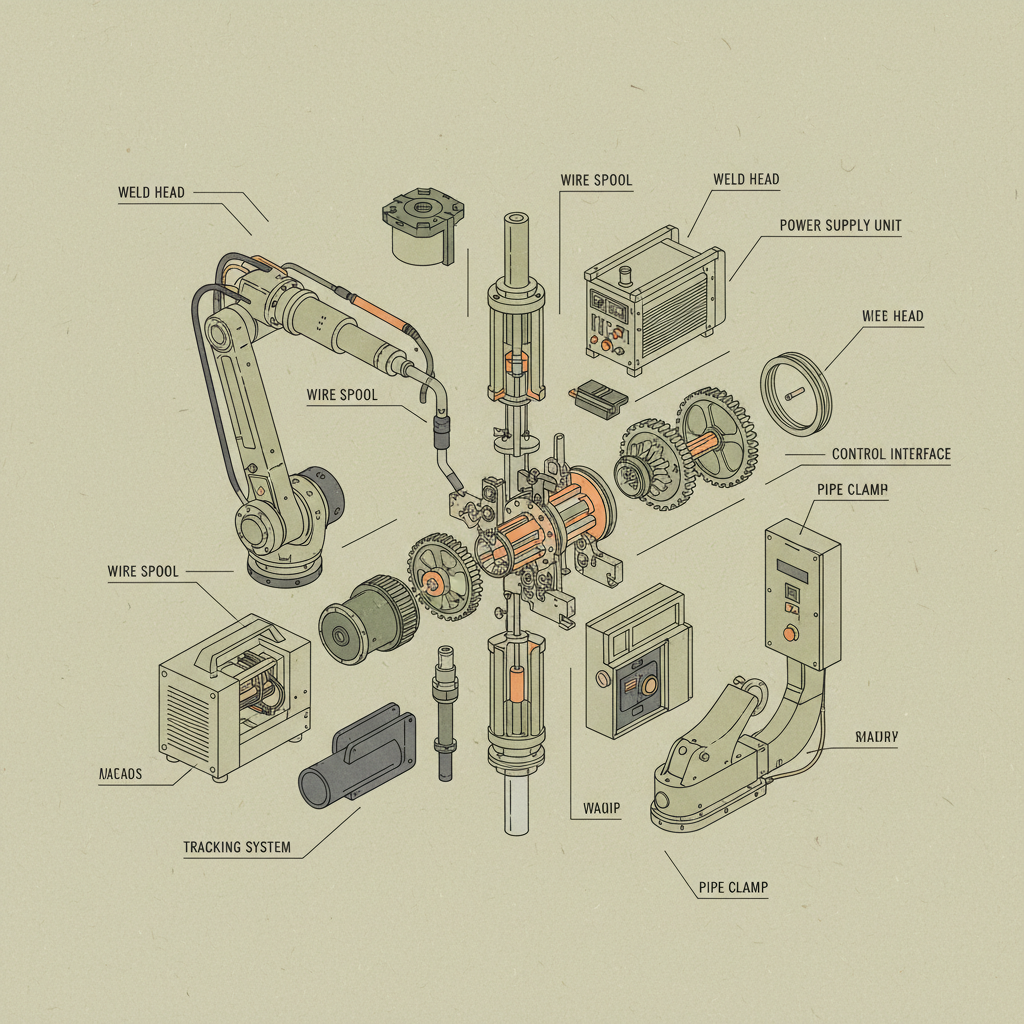
You can customize a lot of things. The most common request is for different welding heads to accommodate different pipe diameters. We did a job for a client in Canada who wanted a machine that could weld pipes from 6 inches to 48 inches in diameter. It was a challenge, but we managed to design a custom welding head that could handle the range.
We also do a lot of customization around the control systems. Some clients want to integrate the machine into their existing automation infrastructure. Others want to add remote monitoring and diagnostics capabilities. Last month, that small boss in Shenzhen who makes smart home devices insisted on changing the interface to , and the result was a two-week delay because the power supply couldn't handle it. It was a headache, I tell ya.
And of course, you can customize the paint color. Surprisingly, that's a common request. Everyone wants their machines to match their company colors.
Key Performance Indicators for Automatic Pipeline Welding Machine
| Component |
Failure Rate (per 1000 hrs) |
Maintenance Cost (USD) |
Average Repair Time (hrs) |
| Welding Head |
2.5 |
300 |
8 |
| Drive Motors |
1.8 |
150 |
4 |
| Control System |
0.9 |
500 |
12 |
| Cooling System |
3.2 |
200 |
6 |
| Wire Feed System |
2.1 |
250 |
7 |
| Frame Structure |
0.5 |
1000 |
24 |
FAQS
That’s a tough one. It really depends on usage, maintenance, and luck. A well-maintained machine can easily last 10-15 years, but I've seen some give out after just five years due to neglect. The key is regular inspections, lubrication, and timely replacement of worn parts. It's not glamorous work, but it makes a huge difference. The frame itself can last forever, honestly, it’s the electronics and drive systems that usually give up the ghost.
You need at least a certified welding inspector, and ideally someone with a background in mechatronics or electrical engineering. Operating it is one thing, but troubleshooting a complex issue requires a deep understanding of the machine’s systems. Most manufacturers offer training courses, and I recommend taking them seriously. It’s better to spend a few days in a classroom than a week on-site trying to figure things out yourself. Plus, safety is paramount – you're dealing with high voltages and potentially hazardous materials.
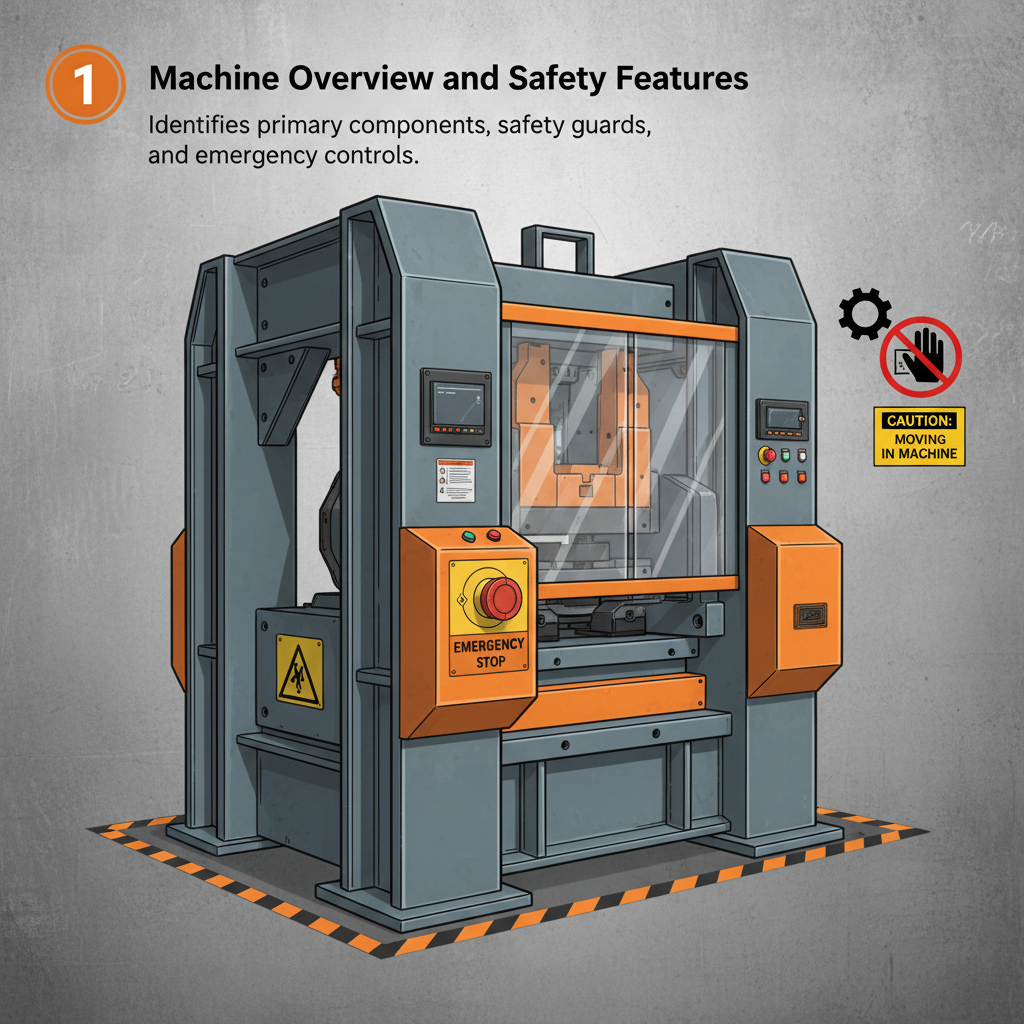
Absolutely. You've got the usual hazards – electric shock, burns, fumes – but you also have the potential for mechanical injuries. The machines have moving parts, and if you’re not careful, you can get caught in them. Proper guarding is essential, and operators should always wear appropriate PPE – safety glasses, gloves, and a respirator. Also, make sure the work area is well-ventilated. Welding fumes can be nasty stuff.
Upfront, automatic machines are significantly more expensive. We're talking hundreds of thousands of dollars for a good one. But over the long run, they can be more cost-effective, especially for large projects. You save on labor costs, you reduce weld defects, and you can complete projects faster. It's a trade-off. You need to factor in the cost of training, maintenance, and potential downtime when making the decision.
Laser hybrid welding is gaining traction. It combines a laser beam with traditional arc welding, resulting in faster, stronger, and more precise welds. There's also a lot of research going into adaptive control systems that can automatically adjust the welding parameters based on real-time feedback. And, of course, everyone’s talking about remote monitoring and diagnostics using IoT sensors. I’m still a little skeptical about some of that stuff, but it has potential.
Proper surface preparation is key, obviously. You need to remove all traces of rust, dirt, and grease before welding. Using the right filler metal is also crucial. And, after welding, you need to apply a protective coating – epoxy, polyurethane, or polyethylene. The type of coating depends on the environment and the fluid being transported. And, believe it or not, proper welding technique minimizes stress concentrations, which reduce the risk of corrosion.
Conclusion
So, automatic pipeline welding machines – they're complex, they're expensive, and they're not a silver bullet. But they're a vital tool for modern infrastructure projects. They offer significant advantages in terms of speed, consistency, and cost savings, but they also require skilled operators, rigorous maintenance, and a healthy dose of common sense.
Ultimately, whether this thing works or not, the worker will know the moment he tightens the screw. If it feels right, looks right, and holds, then it's a good weld. That’s the bottom line, and that's what I've learned after all these years on the job site. For more information and to explore our range of automatic pipeline welding machine, visit our website today.