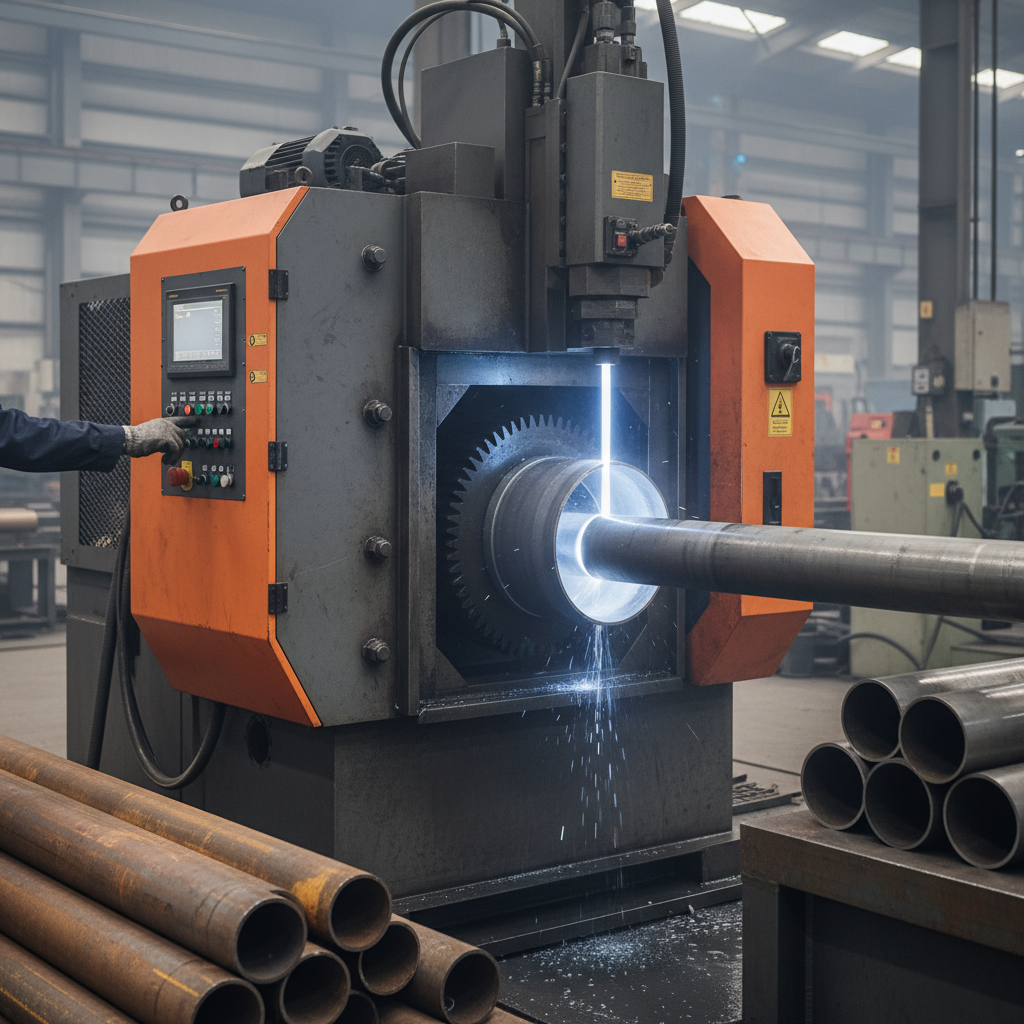
The demand for efficient and reliable solutions for terminating pipeline ends is consistently growing across numerous industries, from oil and gas to water management and infrastructure development. A pipe end closing machine addresses a crucial need in these sectors, ensuring secure and leak-proof sealing of pipes during fabrication, installation, and maintenance. This technology isn't simply about capping a pipe; it's about enhancing operational safety, reducing material waste, and streamlining project timelines, contributing to significant cost savings and environmental protection.
Globally, aging infrastructure and expanding industrial projects drive the need for robust pipe end solutions. The United Nations estimates that trillions of dollars will be required to upgrade global infrastructure by 2050, much of which relies on efficient pipe systems. Furthermore, ISO standards continuously emphasize the importance of leak prevention in pipeline operations. A pipe end closing machine offers a solution to meet these stringent requirements, providing a consistent, high-quality seal that minimizes the risk of environmental damage and costly repairs.
The increasing focus on sustainability and resource optimization further elevates the importance of these machines. Minimizing leaks translates directly to reduced resource loss and a smaller environmental footprint. The efficient operation of a pipe end closing machine contributes to these goals, making it an essential component of modern industrial practices.
The Core Principles of Pipe End Closing Machine
At its heart, a pipe end closing machine is designed to create a secure, airtight, and watertight seal at the open end of a pipe. This is typically achieved through a combination of mechanical pressure, specialized sealing materials, and precise engineering. The fundamental principle revolves around creating a barrier that prevents the flow of fluids or gases, thereby maintaining system integrity and preventing leaks.
The effectiveness of a pipe end closing machine relies on several factors, including the pipe material, the operating pressure and temperature, and the specific sealing method employed. Modern machines are often designed to accommodate a wide range of pipe sizes and materials, offering versatility and adaptability to various industrial applications.
The Global Significance of Pipe End Closing Technology
The demand for reliable pipe end closure solutions transcends geographical boundaries, impacting industries worldwide. In the oil and gas sector, preventing leaks is paramount not only for economic reasons (minimizing product loss) but also for environmental safety. Similarly, in water distribution networks, effective sealing is crucial to avoid contamination and ensure the delivery of clean water. The global scale of these industries highlights the universal need for robust pipe end closing machines.
Developing nations undergoing rapid industrialization are particularly reliant on efficient infrastructure, including pipeline systems. The World Bank actively invests in projects focused on improving water and sanitation infrastructure in these regions, where preventing leaks and ensuring reliable service are critical for public health and economic development. Utilizing advanced pipe end closing machines is a key component of these projects.
Furthermore, the increasing adoption of pipeline infrastructure for transporting renewable energy sources, such as hydrogen, is driving innovation in sealing technologies. These new applications require materials and methods capable of withstanding extreme conditions and ensuring long-term reliability, creating new opportunities for advancement in pipe end closing machine design and operation.
Defining a Pipe End Closing Machine
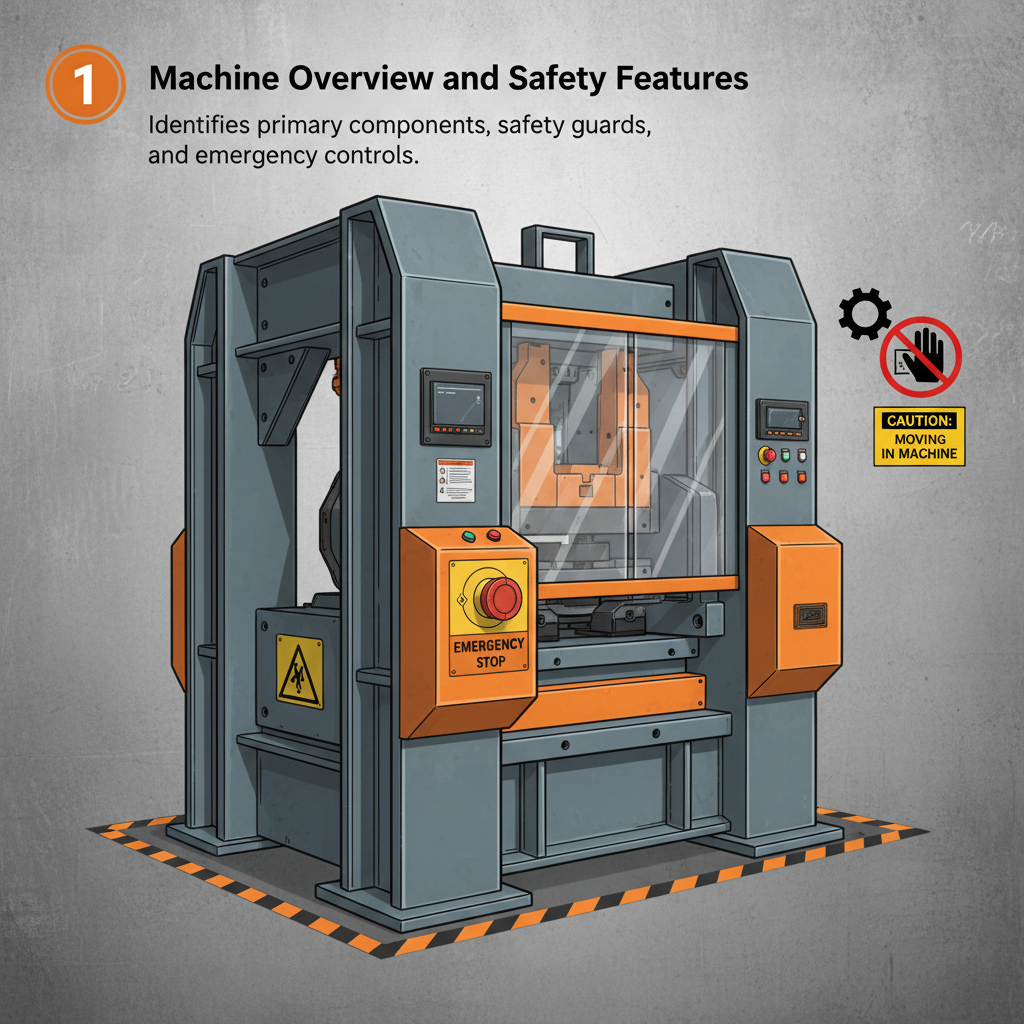
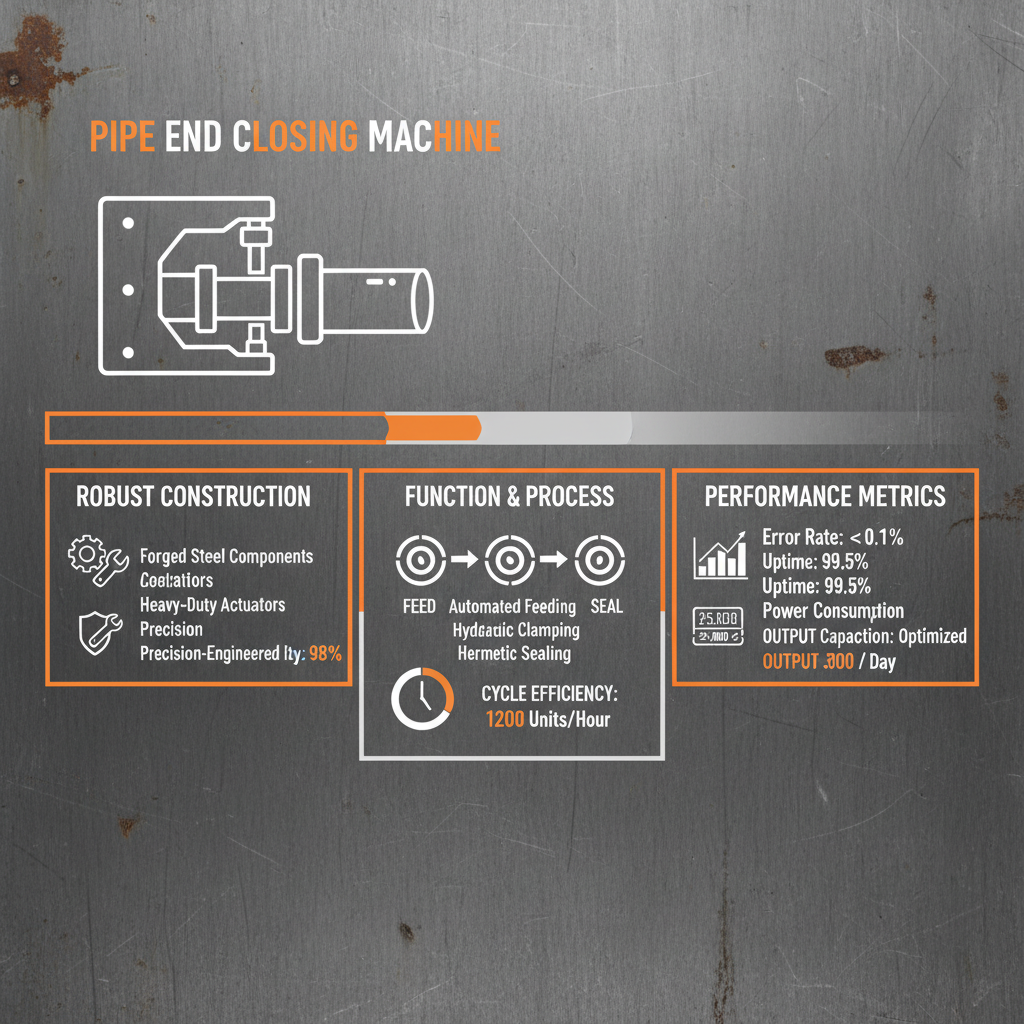
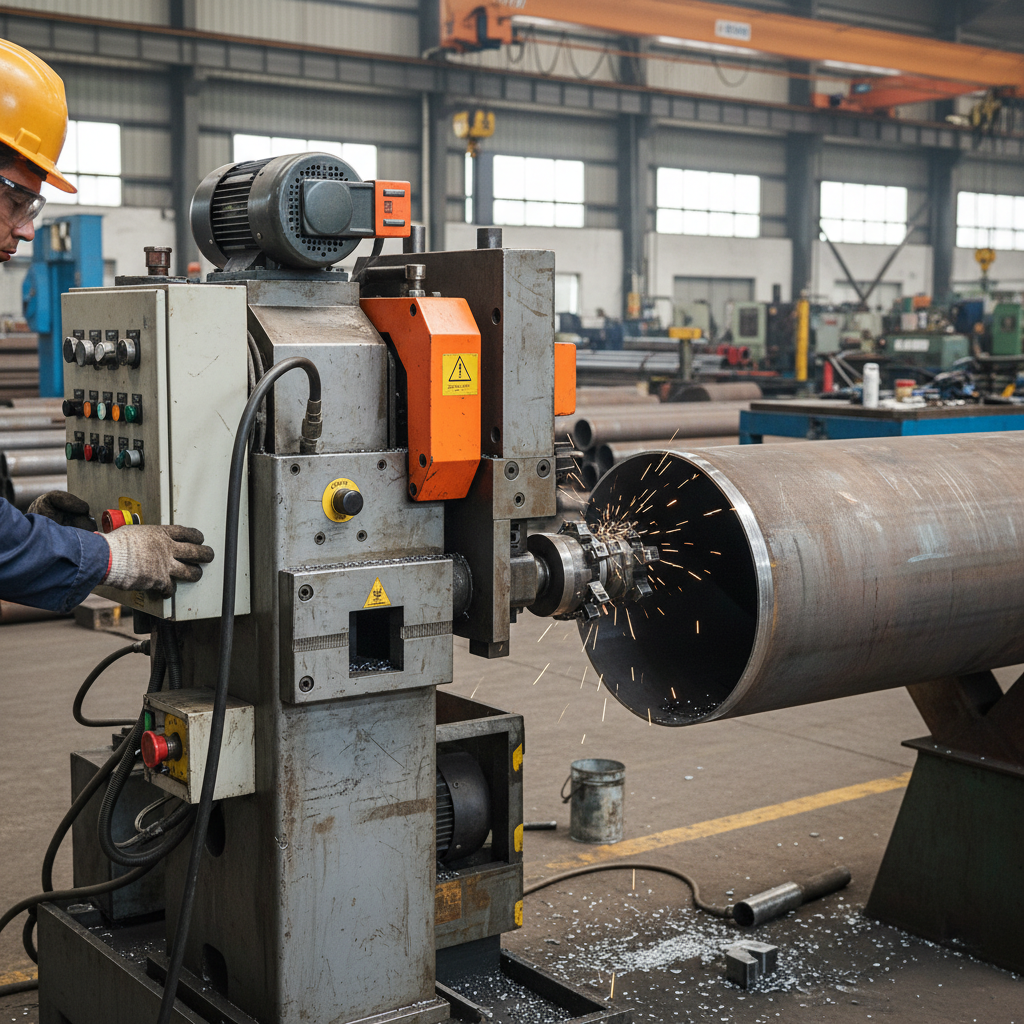
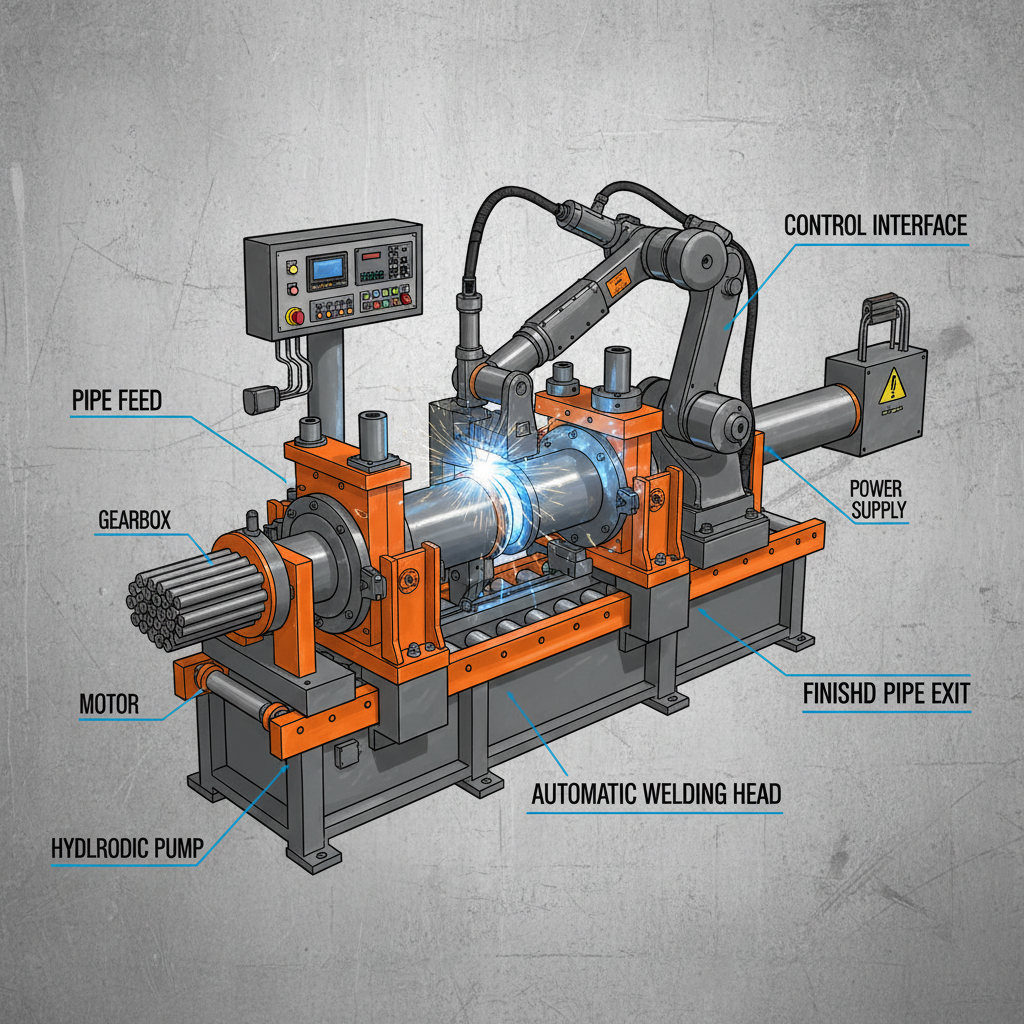
A pipe end closing machine is a specialized piece of equipment engineered to securely seal the open ends of pipes, preventing the escape of fluids or gases and protecting against contamination. These machines range in complexity from simple manual devices to highly automated systems capable of handling large-diameter pipes and diverse materials.
The core function is to create a tight, reliable seal, often utilizing a combination of mechanical clamping, specialized sealing compounds, or welding techniques. The selection of the appropriate machine depends on factors such as the pipe material (steel, plastic, etc.), the pipe diameter, the operating pressure, and the specific application requirements. Modern machines prioritize efficiency, precision, and ease of operation.
Distinguishing a pipe end closing machine from standard capping or plugging methods lies in its ability to provide a consistently high-quality, repeatable seal under demanding conditions. While temporary caps may suffice for short-term storage, a machine-applied closure offers long-term reliability and minimizes the risk of leaks or failures in critical applications.
Key Attributes of Effective Pipe End Closing Machines
Several key attributes define a high-quality and effective pipe end closing machine. Durability is paramount, ensuring the machine can withstand the rigors of industrial use and maintain its performance over time.
Another critical factor is versatility – the ability to accommodate various pipe sizes, materials, and sealing methods. Cost efficiency, encompassing both the initial investment and ongoing maintenance costs, is also a significant consideration.
Comparison of Pipe End Closing Machine Attributes
Diverse Applications and Industry Use Cases
Pipe end closing machines find widespread application across a multitude of industries. In the oil and gas sector, they are indispensable for pipeline construction, maintenance, and decommissioning, ensuring safe and leak-proof operations. Similarly, the water and wastewater treatment industries rely on these machines to seal pipes during repairs and upgrades, preventing contamination and maintaining water quality.
In post-disaster relief operations, portable pipe end closing machines can be rapidly deployed to repair damaged water pipelines, providing access to clean drinking water for affected communities. In remote industrial zones, where access to specialized welding or sealing expertise may be limited, these machines offer a convenient and cost-effective solution for securing pipe ends.
The Enduring Advantages and Long-Term Value
Investing in a pipe end closing machine offers numerous tangible benefits. Reduced labor costs, minimized material waste, and faster project completion times all contribute to significant cost savings. From a sustainability perspective, preventing leaks conserves valuable resources and reduces environmental impact. These advantages translate to increased profitability and a stronger bottom line.
Beyond the financial gains, a reliable pipe end closing machine enhances operational safety, protects the environment, and builds trust with stakeholders. The ability to consistently deliver high-quality seals demonstrates a commitment to excellence and responsible industrial practices, fostering a positive brand reputation and ensuring long-term success.
Future Trends and Technological Advancements
The future of pipe end closing machine technology is poised for significant advancements. Automation and robotics are playing an increasingly prominent role, enabling faster, more precise, and more consistent sealing operations. The development of new sealing materials, capable of withstanding extreme temperatures and pressures, will expand the range of applications for these machines.
Digitalization and data analytics will also contribute to improved performance and predictive maintenance capabilities. Real-time monitoring of machine parameters will allow operators to identify potential issues before they lead to failures, minimizing downtime and maximizing efficiency. The integration of these technologies will usher in a new era of smart pipe end closing solutions.
Furthermore, the push towards sustainable practices will drive the development of eco-friendly sealing materials and energy-efficient machine designs. These innovations will align with global efforts to reduce carbon emissions and promote responsible resource management.
Analysis of Key Factors Influencing Pipe End Closing Machine Performance
| Sealing Method |
Pipe Material Compatibility |
Operational Complexity |
Long-Term Reliability (1-10) |
| Mechanical Clamping |
Steel, Plastic, Copper |
Low |
7 |
| Welding |
Steel, Stainless Steel |
High |
9 |
| Chemical Sealing |
PVC, CPVC, ABS |
Medium |
6 |
| Expandable Plugs |
Cast Iron, Ductile Iron |
Low |
8 |
| Robotic Application |
Versatile |
High |
10 |
| Ultrasonic Welding |
Specific Plastics |
Medium |
7 |
FAQS
A pipe end closing machine offers significant advantages over manual capping. Primarily, it ensures a more consistent and reliable seal, minimizing the risk of leaks. Machines also drastically reduce labor costs, improve safety by automating a potentially hazardous task, and allow for faster project completion. Manual capping is prone to human error and may not achieve the same level of tightness and durability, especially in demanding applications.
Most modern pipe end closing machines are designed to accommodate a broad range of materials, including steel, stainless steel, PVC, CPVC, HDPE, and copper. The specific compatibility depends on the machine's design and the sealing method employed. It’s crucial to verify that the machine is certified for the intended pipe material to ensure optimal performance and prevent damage.
Regular maintenance is essential to ensure the longevity and performance of a pipe end closing machine. This typically includes periodic lubrication of moving parts, inspection and replacement of worn seals or components, and calibration of pressure sensors. Following the manufacturer's recommended maintenance schedule will minimize downtime and prevent costly repairs.
Many pipe end closing machines are designed to be portable, making them ideal for on-site applications. These machines often feature lightweight construction, integrated carrying handles, and battery-powered operation. The portability enables quick deployment to repair damaged pipelines or seal pipe ends in remote locations.
Safety is paramount when operating any industrial equipment. Always wear appropriate personal protective equipment (PPE), including safety glasses, gloves, and hearing protection. Ensure the machine is properly grounded, and follow all manufacturer's safety guidelines. Proper training is essential to avoid accidents and ensure safe operation.
The ROI for a pipe end closing machine varies depending on the specific application and usage frequency. However, the reduction in labor costs, minimized material waste, and improved efficiency typically result in a relatively quick payback period. The long-term benefits of reduced leaks, enhanced safety, and increased reliability further contribute to the overall ROI.
Conclusion
In conclusion, a pipe end closing machine is a crucial piece of equipment for industries worldwide. From ensuring the integrity of critical infrastructure to promoting environmental sustainability and improving operational efficiency, the benefits are far-reaching. Understanding the core principles, diverse applications, and future trends of this technology is vital for professionals in various sectors.
Looking ahead, continued innovation in automation, materials science, and digitalization will further enhance the capabilities and value of pipe end closing machines. Investing in these advanced solutions not only addresses current needs but also positions organizations for long-term success in an increasingly demanding and environmentally conscious world. For reliable and efficient pipe end closing solutions, visit our website: www.xhequipment.com