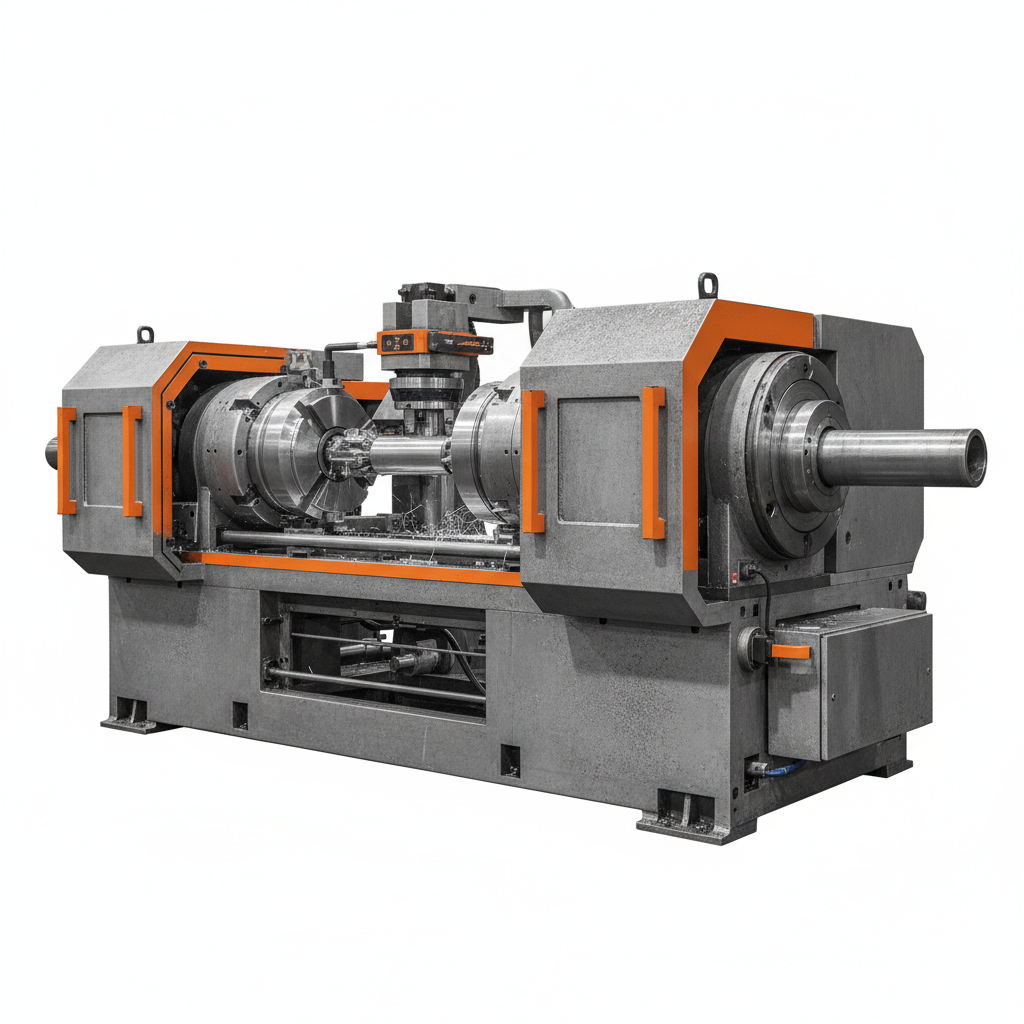
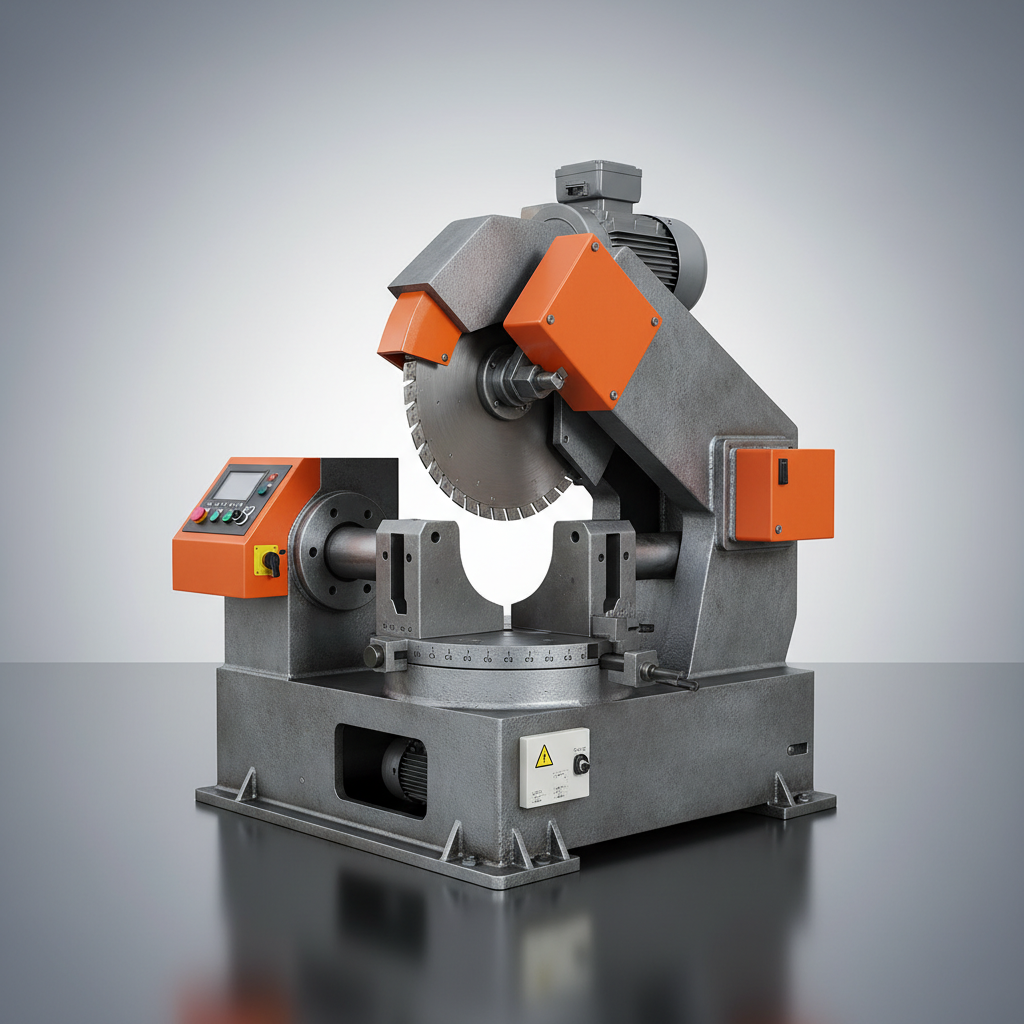
Pipe stands for welding are essential components in various industries, providing stable support for piping systems during fabrication, welding, and maintenance. Their importance stems from ensuring worker safety, maintaining weld quality, and increasing project efficiency. From large-scale infrastructure projects to smaller repair operations, the proper selection and implementation of pipe stands for welding directly impacts project success. Understanding their design, functionality, and safety considerations is crucial for professionals in the welding, construction, and oil & gas sectors.
The global demand for pipe stands for welding is closely tied to industrial growth and infrastructure development. Regions experiencing rapid industrialization, such as Asia-Pacific and the Middle East, represent significant markets. According to industry reports, the global welding equipment market, which includes accessories like pipe stands, is projected to continue growing steadily in the coming years. This growth is driven by increasing investments in energy pipelines, chemical plants, and construction projects worldwide. The ability to quickly and safely set up welding operations is paramount.
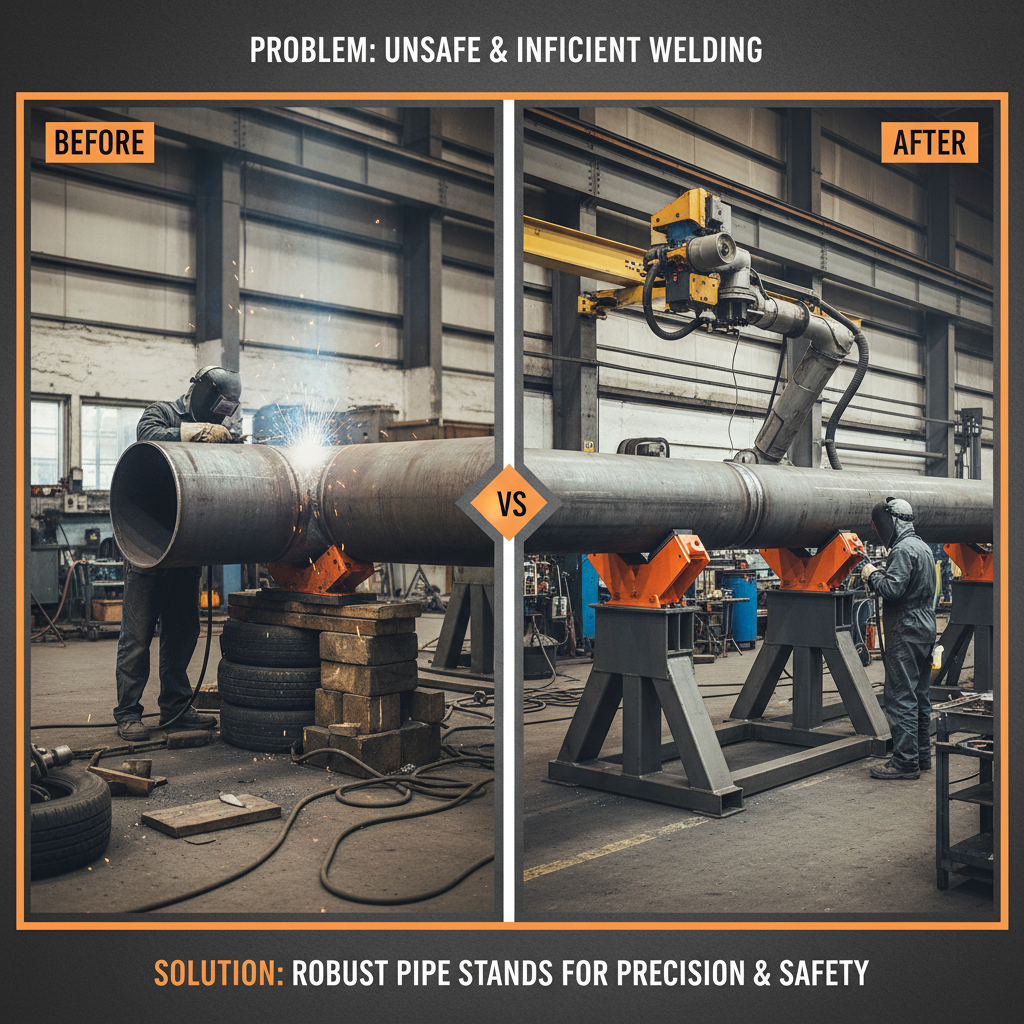
Addressing the challenge of maintaining precise pipe alignment during welding, pipe stands offer a robust and adaptable solution. Without adequate support, pipes can shift or vibrate, leading to flawed welds and potential structural failures. High-quality pipe stands for welding contribute to minimizing rework, reducing project timelines, and ultimately lowering overall costs. They are a fundamental element in delivering durable and reliable piping systems across numerous applications.
Introduction to pipe stands for welding
Pipe stands for welding aren’t simply supports; they’re a critical component of any successful piping project. They are designed to provide a stable and adjustable platform for pipes during the welding process, ensuring accuracy and safety. Their versatility allows them to accommodate various pipe sizes, configurations, and welding environments. The proper use of pipe stands translates directly into higher quality welds and reduced project risks.
The evolution of pipe stands reflects advancements in welding technology and safety standards. Early iterations were often makeshift, relying on readily available materials. Today, manufacturers offer a diverse range of pipe stands constructed from robust materials like steel, engineered for specific load capacities and featuring adjustable components for precise alignment. Investing in high-quality pipe stands is a proactive step towards maximizing project outcomes.
Defining Pipe Stands for Welding
Pipe stands for welding are specialized support structures utilized in the pipe fabrication and welding industry. They are designed to securely hold pipes in a stable position, facilitating the welding process by preventing movement and ensuring accurate alignment. These stands are typically adjustable in height and can accommodate various pipe diameters and weights. They serve as a temporary, yet vital, fixture during construction and repair projects.
The connection of pipe stands for welding to modern industry extends far beyond simple construction. They are essential in industries like oil & gas, petrochemicals, power generation, and shipbuilding where complex piping systems are commonplace. In humanitarian efforts, such as building water pipelines in developing regions, robust and easily deployable pipe stands are crucial for efficient construction.
Fundamentally, pipe stands for welding bridge the gap between raw materials and finished, functional piping systems. They allow welders to focus on creating strong, durable welds without the added complication of maintaining pipe stability. The efficiency and safety gains provided by these stands are considerable, impacting project timelines and overall cost-effectiveness.
Key Components of Effective Pipe Stands
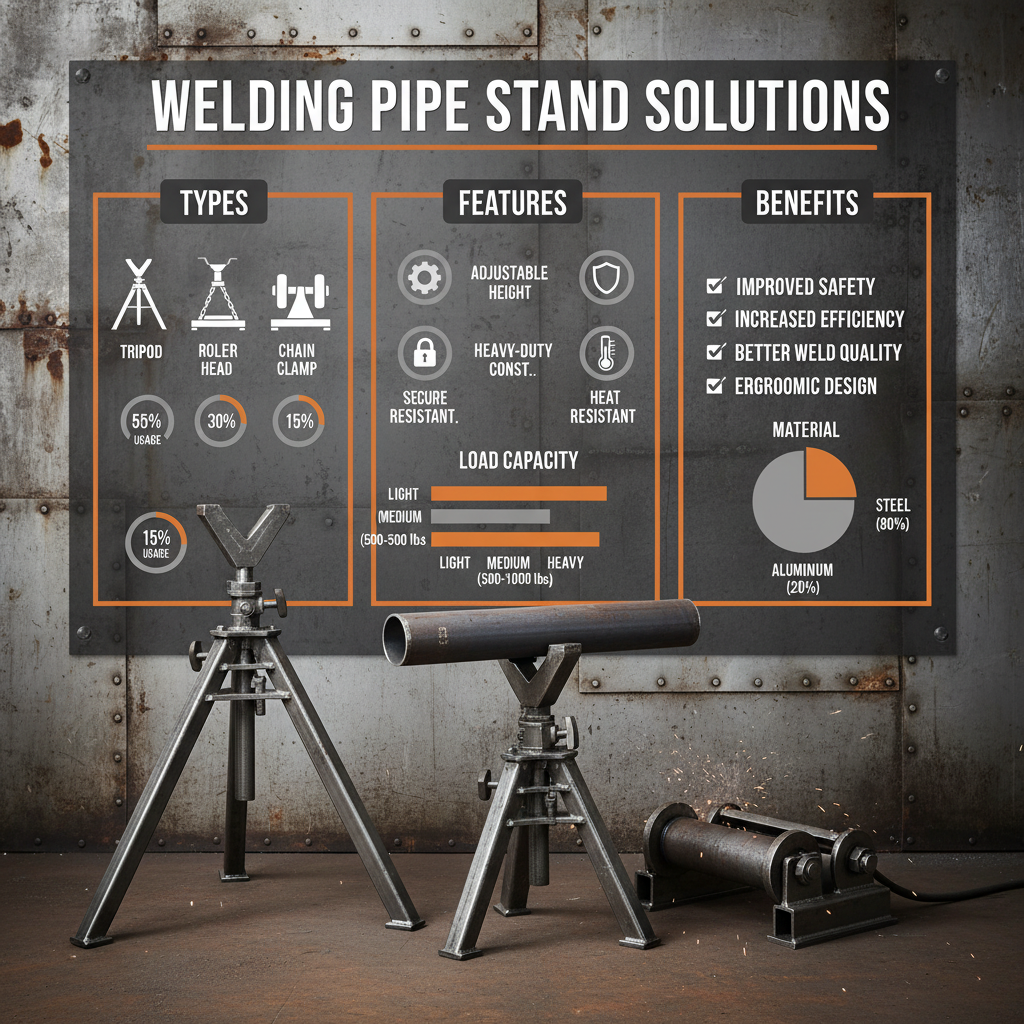
Durability is paramount in pipe stands for welding. Constructed primarily from steel, these stands must withstand significant weight and resist deformation under stress. The quality of the steel, weld integrity, and overall construction directly impact the stand's ability to provide safe and reliable support. Look for stands with robust base plates and reinforced support columns.
Adjustability is another crucial factor. Pipe stands must be capable of accommodating a range of pipe diameters and heights. Features like screw jacks, threaded adjustments, or ratcheting mechanisms allow welders to precisely position the pipe for optimal welding conditions. This adaptability minimizes the need for custom fabrication and simplifies the setup process.
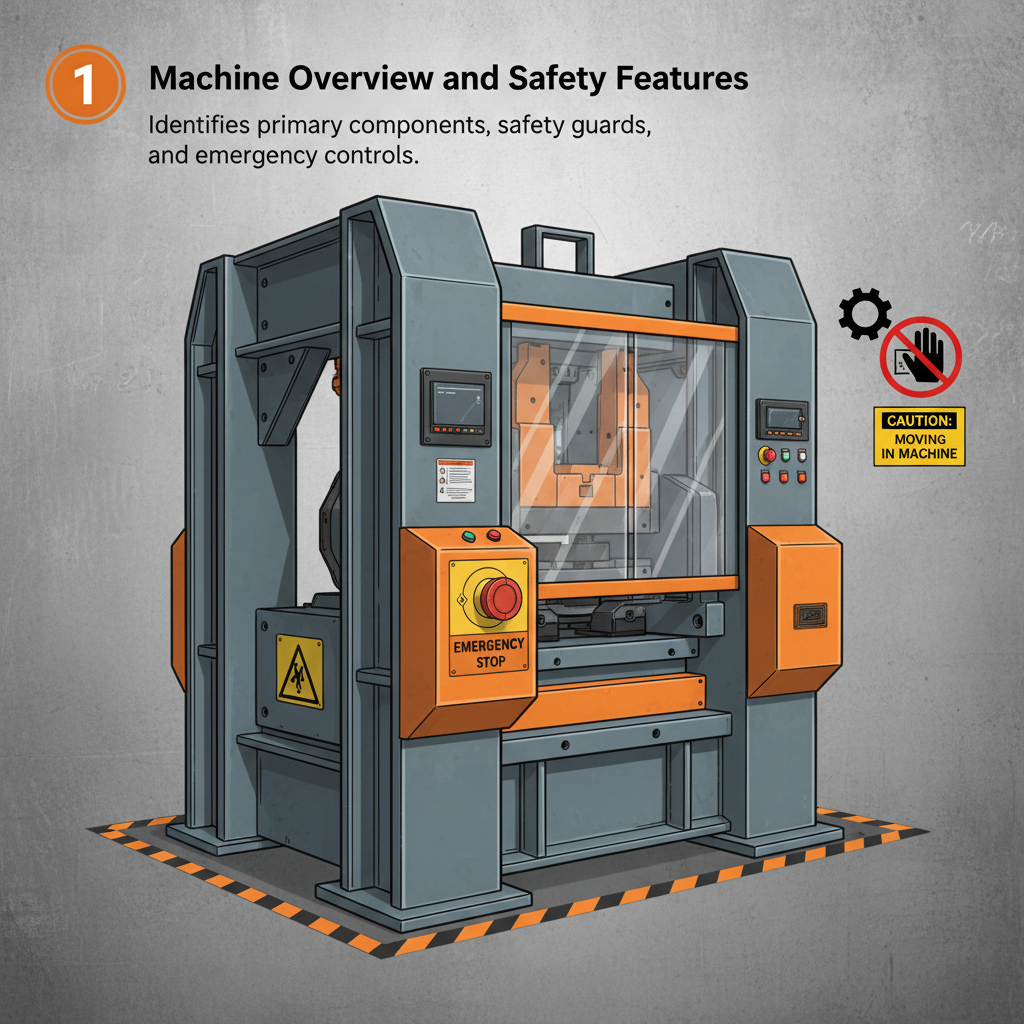
Safety features are non-negotiable. Pipe stands should incorporate locking mechanisms to prevent accidental height adjustments during welding. Non-slip feet or base plates are essential for maintaining stability on various surfaces. Regular inspection and maintenance are also vital to identify and address any potential safety hazards.
Global Applications of pipe stands for welding
Pipe stands for welding find widespread application in the construction of oil and gas pipelines across continents. From the vast networks spanning North America to the transcontinental projects in Eurasia, reliable pipe support is critical. They enable precise welding in challenging terrains, ensuring the integrity of these vital energy infrastructure systems.
Within the petrochemical industry, pipe stands are indispensable during the fabrication and installation of complex process piping. Refineries and chemical plants rely on these stands to support piping systems carrying hazardous materials, demanding the highest standards of safety and stability. Regions with significant petrochemical operations, like the Gulf Coast of the United States and industrial zones in China, represent substantial markets.
In post-disaster relief operations, portable pipe stands for welding play a crucial role in rapidly establishing water and sanitation infrastructure. Their ease of deployment and adaptability make them ideal for setting up temporary pipelines in emergency situations, providing essential resources to affected communities. Organizations involved in humanitarian aid often incorporate these stands into their disaster response kits.
Pipe Stands for Welding Application by Sector
Advantages and Long-Term Value
The cost-effectiveness of using pipe stands for welding extends beyond the initial purchase price. By providing stable support, they minimize the risk of weld defects, reducing the need for costly rework and delays. Efficient welding processes translate into faster project completion times and lower labor costs. Investing in quality pipe stands is a proactive cost-saving measure.
From a sustainability perspective, durable pipe stands contribute to reducing material waste. By ensuring accurate welds, they minimize the likelihood of pipe failures and the subsequent need for repairs or replacements. Furthermore, choosing manufacturers committed to sustainable practices reduces the environmental impact of production and transportation.
Future Trends in pipe stands for welding
The integration of automation and robotics in welding is driving demand for specialized pipe stands designed for robotic applications. These stands often feature increased rigidity, precision adjustments, and integrated sensor systems to optimize robotic welding performance. This trend will likely accelerate as automation becomes more prevalent in the industry.
Materials science advancements are leading to the development of lighter yet stronger pipe stand materials. Composite materials and high-strength alloys are being explored to reduce weight without compromising structural integrity. This is particularly beneficial in applications where portability is critical, such as field construction or remote site operations.
Challenges and Innovative Solutions
A common challenge is adapting pipe stands to uneven or unstable terrain. Traditional stands may require extensive leveling and shimming, adding time and complexity to the setup process. Innovative solutions include self-leveling pipe stands that automatically adjust to compensate for uneven surfaces, ensuring stability and accuracy.
Maintaining safety in confined spaces is another concern. Developing compact and lightweight pipe stands with enhanced safety features, such as integrated locking mechanisms and non-slip bases, is essential. Furthermore, training programs that emphasize proper stand setup and safety protocols are crucial for mitigating risks.
The demand for rapid deployment in emergency situations presents a challenge for logistics and accessibility. Manufacturers are responding by designing modular and easily transportable pipe stand systems that can be quickly assembled on-site, minimizing downtime and accelerating project timelines.
Summary of Key Challenges and Solutions for pipe stands for welding
| Challenge |
Impact on Project |
Proposed Solution |
Implementation Cost (1-10) |
| Uneven Terrain |
Reduced Stability, Inaccurate Welds |
Self-Leveling Pipe Stands |
7 |
| Confined Spaces |
Safety Hazards, Limited Accessibility |
Compact, Lightweight Designs |
6 |
| Rapid Deployment Needs |
Project Delays, Increased Costs |
Modular, Transportable Systems |
8 |
| Weight Capacity Limitations |
Structural Failures, Safety Risks |
High-Strength Material Selection |
5 |
| Corrosion in Harsh Environments |
Reduced Lifespan, Maintenance Costs |
Protective Coatings and Alloys |
4 |
| Lack of Standardized Training |
Incorrect Usage, Safety Incidents |
Comprehensive Training Programs |
3 |
FAQS
The maximum weight capacity of pipe stands for welding varies significantly depending on the design, materials, and size. Generally, standard stands can handle loads ranging from 500 lbs to 5,000 lbs or more. Always refer to the manufacturer’s specifications and ensure the selected stand is rated for the intended pipe weight, including any potential additional loads during the welding process. Overloading a stand can compromise its stability and create a dangerous situation.
While many pipe stands are constructed from durable materials like steel, their suitability for outdoor use depends on the environment. Stands exposed to harsh weather, such as rain, snow, or saltwater, may require protective coatings to prevent corrosion. It's crucial to select stands specifically designed for outdoor applications or to implement regular maintenance to safeguard against rust and degradation. Consider the environmental factors before deployment.
Pipe stands for welding should undergo regular safety inspections, ideally before each use and at least annually as part of a preventative maintenance program. Inspections should focus on identifying any signs of damage, corrosion, or wear and tear. Check for secure locking mechanisms, stable base plates, and overall structural integrity. Any damaged or compromised stands should be immediately removed from service.
Common adjustments on pipe stands for welding include height adjustment, typically achieved through screw jacks or threaded mechanisms, and tilt adjustment, which allows for fine-tuning of pipe alignment. Some stands also offer swivel adjustments to accommodate various pipe angles. The type of adjustment needed depends on the complexity of the welding project and the precision required. Precise and reliable adjustments are essential for weld quality.
Yes, pipe stands for welding are generally compatible with various welding processes, including SMAW (stick), GMAW (MIG), GTAW (TIG), and flux-cored arc welding. However, it’s crucial to ensure the stand’s stability and load capacity are sufficient for the specific welding equipment and potential heat generated during the process. The stand should not interfere with the welder's access or create any safety hazards during welding operations.
High-quality pipe stands for welding are available from reputable welding supply companies and industrial equipment distributors. Look for manufacturers that adhere to industry standards and offer comprehensive product specifications. pipe stands for welding are designed to deliver durability and reliability. Consider factors such as material quality, load capacity, and safety features when making your selection.
Conclusion
In conclusion, pipe stands for welding represent a foundational element in ensuring safe, efficient, and high-quality piping projects. From their role in supporting critical infrastructure to enabling rapid response in emergency situations, their versatility and reliability are undeniable. Understanding their key components, applications, and future trends empowers professionals to make informed decisions and optimize their welding operations.
Looking ahead, continuous innovation in materials, design, and automation will further enhance the capabilities of pipe stands for welding. Embracing these advancements and prioritizing safety through regular inspection and training will be critical for maintaining the highest standards of excellence in the welding industry. Visit our website at www.xhequipment.com to explore our comprehensive range of pipe stands and welding solutions.