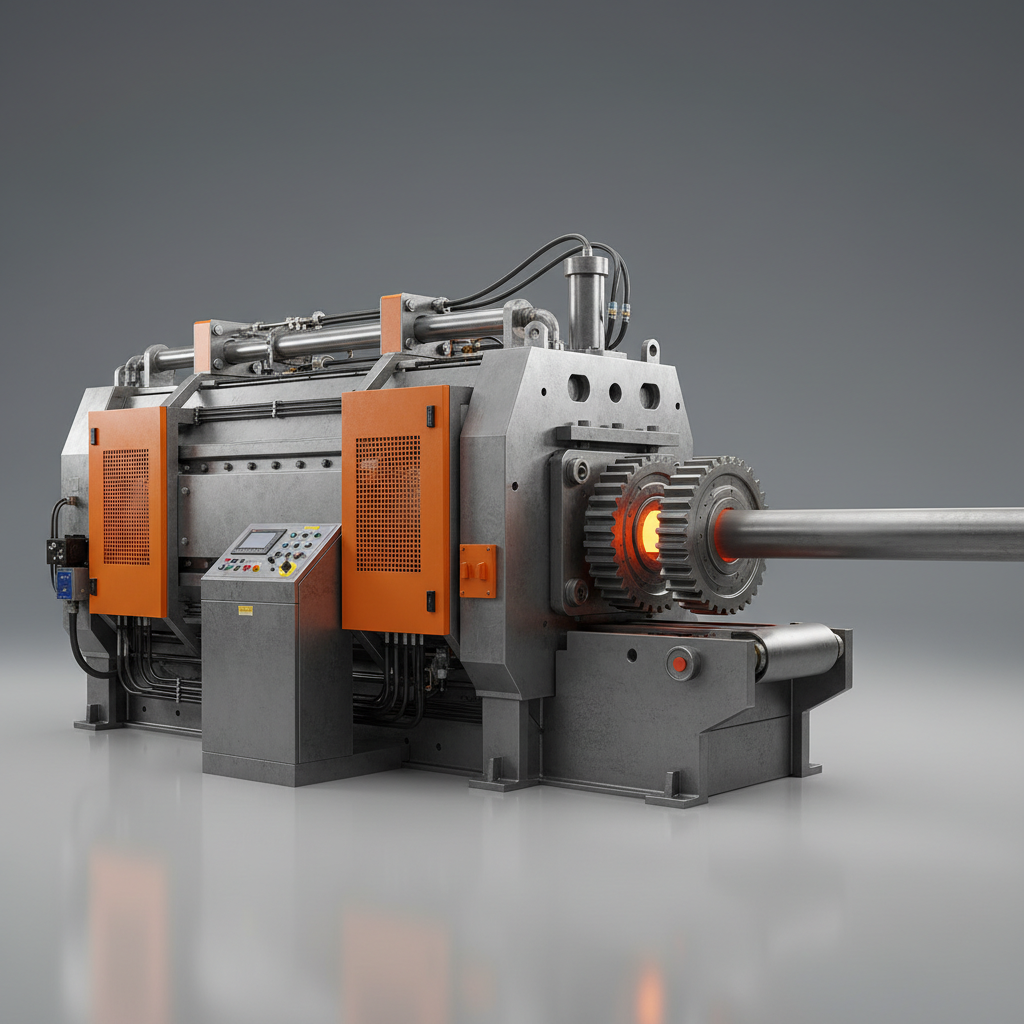
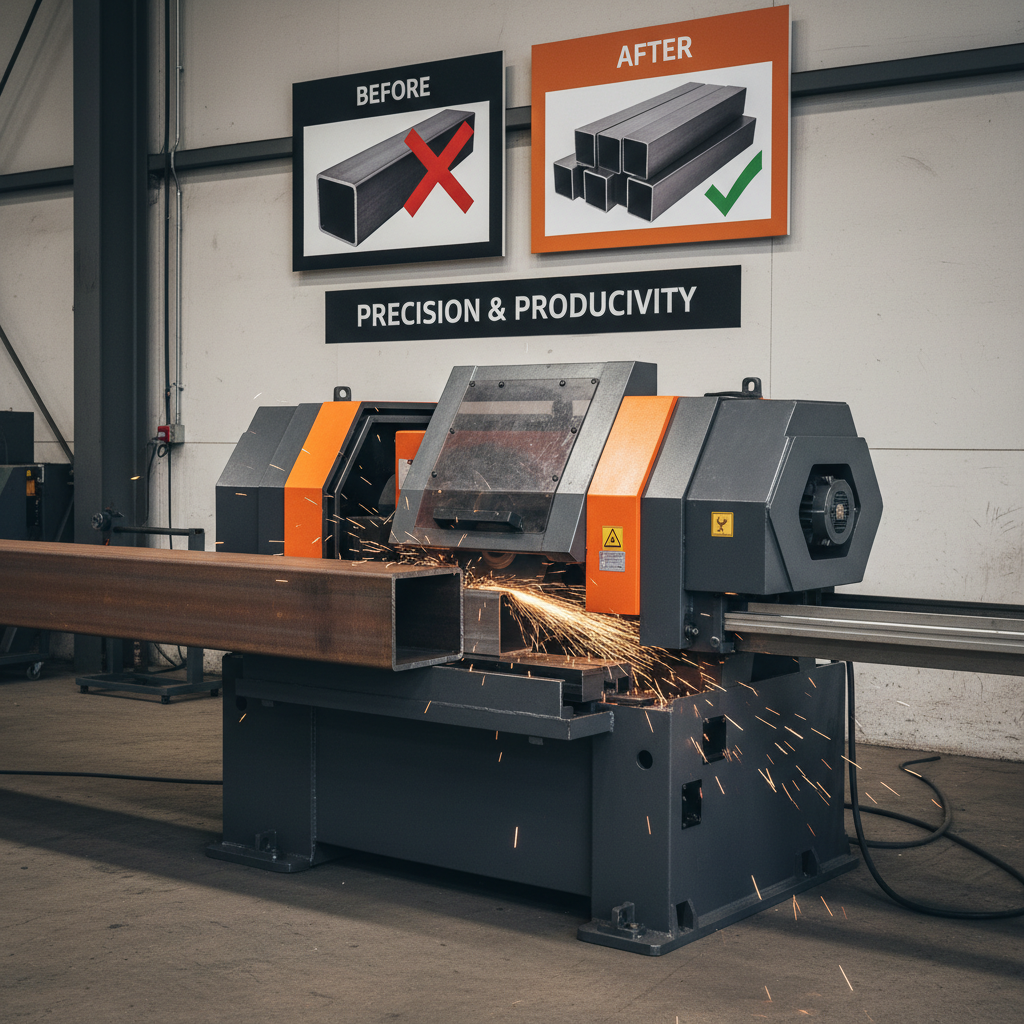
Pipes welding is a critical process in numerous industries, forming the backbone of infrastructure that delivers essential resources like oil, gas, water, and chemicals. Its importance stems from the need for reliable, leak-proof joints capable of withstanding immense pressure and harsh environmental conditions. The global demand for pipes welding expertise continues to rise, driven by population growth, urbanization, and the ongoing development of energy and industrial sectors.
The economic impact of proficient pipes welding is substantial. Efficient pipe networks are essential for trade, manufacturing, and energy distribution, all key drivers of economic prosperity. Furthermore, ensuring the longevity and safety of these systems minimizes costly repairs, environmental damage, and potential disruptions to essential services. International standards, such as those set by ISO and ASME, emphasize the critical role of skilled welders and rigorous quality control in maintaining these crucial systems.
Understanding the nuances of pipes welding isn't just for industry professionals; it’s vital for anyone involved in infrastructure planning, project management, or regulatory oversight. From ensuring clean water access to facilitating energy transport, this process directly impacts the quality of life for billions worldwide. The increasing focus on sustainable infrastructure demands innovative welding techniques and materials to reduce environmental impact and extend the lifespan of pipe networks.
The Fundamentals of Pipes Welding
At its core, pipes welding involves joining metallic pipes through the fusion of materials, creating a permanent and robust connection. Various welding techniques, such as Shielded Metal Arc Welding (SMAW), Gas Metal Arc Welding (GMAW), and Gas Tungsten Arc Welding (GTAW), are employed depending on the pipe material, diameter, and application requirements. Choosing the correct method is crucial for achieving optimal strength and corrosion resistance.
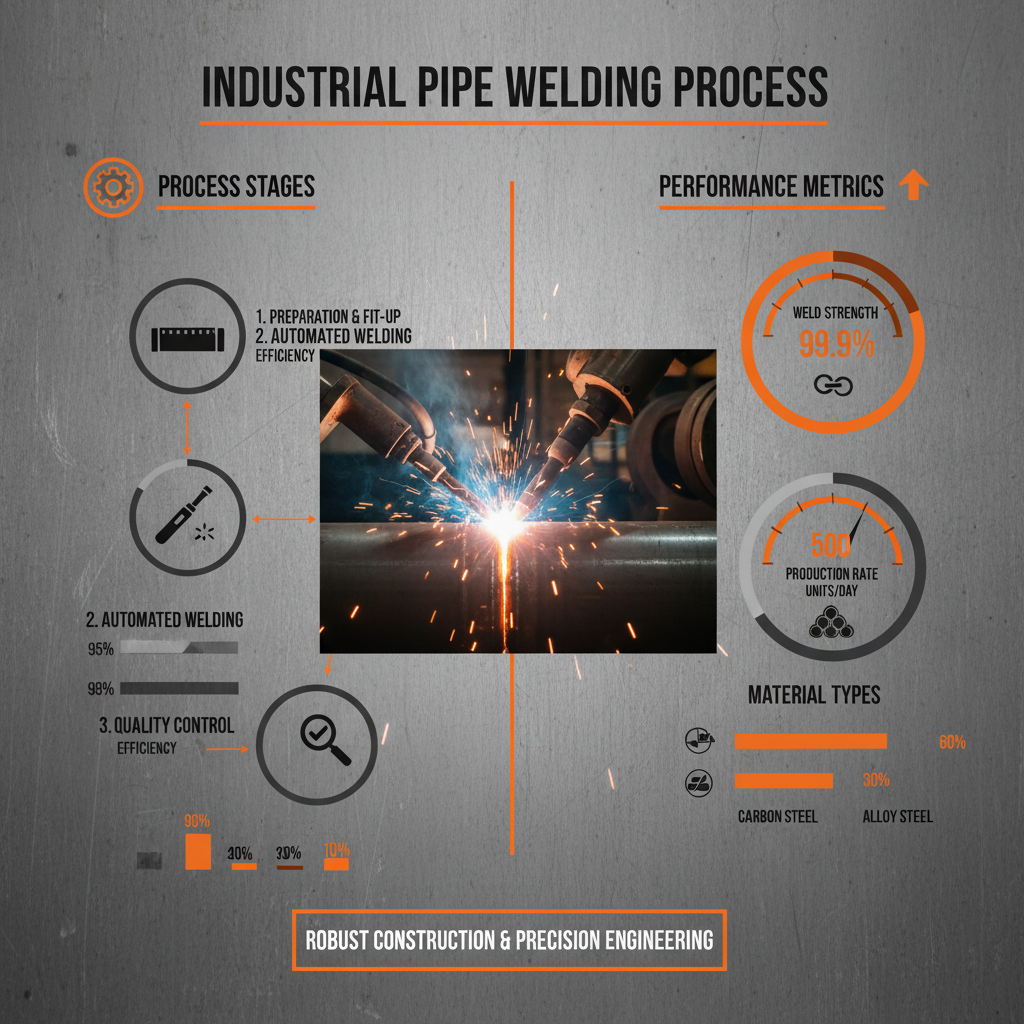
The skill of a pipes welder isn't merely about fusing metal; it’s about understanding metallurgy, weld chemistry, and the potential for defects. Proper preparation, including cleaning and beveling the pipe edges, is essential for a sound weld. Furthermore, adherence to strict quality control procedures, including visual inspection, radiography, and ultrasonic testing, ensures the integrity of the finished product, crucial for long-term reliability and safety.
Global Relevance and Industry Standards
The demand for skilled pipes welding professionals is truly global, impacting industries ranging from energy and petrochemicals to water treatment and construction. Developing nations often rely heavily on qualified welders for infrastructure projects, while developed countries continuously require maintenance and upgrades to existing pipeline networks. The United Nations estimates that trillions of dollars in infrastructure investment are needed globally over the next decade, much of which will depend on proficient pipes welding.
Several international organizations and standards bodies play a critical role in regulating and advancing the field of pipes welding. The American Welding Society (AWS), the American Society of Mechanical Engineers (ASME), and the International Organization for Standardization (ISO) all develop and maintain comprehensive standards covering welding procedures, welder qualification, and inspection techniques. Compliance with these standards is often a legal requirement for pipeline projects and is essential for ensuring safety and preventing failures.
The global nature of the industry also means that welders often travel internationally to work on projects, making standardized certifications and a deep understanding of diverse regulations crucial for success. The need for consistent quality and safety across borders drives the continuous evolution of industry best practices and the development of new welding technologies.
Defining Pipes Welding: A Core Industrial Process
Pipes welding is fundamentally a fabrication process where metal pipes are joined together to form a sealed and structurally sound system for transporting fluids or gases. Unlike mechanical joining methods like threading or flanging, welding creates a homogenous bond between the pipes, eliminating potential leak paths and offering superior strength. This process is vital in countless applications, from delivering potable water to powering homes and industries.
Its connection to modern industry and humanitarian needs is profound. Without reliable pipe networks, the efficient distribution of essential resources would be impossible. Consider the role of pipelines in delivering oil and gas to fuel our economies, or the intricate systems that provide clean water to communities. In disaster relief situations, the rapid deployment of welded pipe systems can provide immediate access to clean water and sanitation, saving lives and preventing the spread of disease.
Furthermore, the advancements in pipes welding directly contribute to infrastructure longevity and sustainability. The ability to join increasingly complex and corrosion-resistant materials extends the lifespan of pipelines, reducing the need for frequent repairs and replacements, and minimizing environmental impact. This makes pipes welding a cornerstone of responsible and sustainable infrastructure development.
Key Aspects of Successful Pipes Welding
Successful pipes welding hinges on several critical factors. First, Material Compatibility is paramount. Different metals require specific welding techniques and filler materials to ensure a strong, corrosion-resistant weld. Secondly, Welder Skill and Certification directly impact weld quality. Properly trained and certified welders are essential for consistently producing reliable welds.
Welding Quality Factors: Comparative Analysis
Global Applications and Industry Integration
Pipes welding is integral to a vast array of global applications. In the oil and gas industry, it’s essential for constructing pipelines that transport crude oil and natural gas across continents. The water treatment sector relies heavily on welded pipes to deliver clean drinking water and manage wastewater. Power generation plants utilize welded piping in steam systems and cooling circuits.
Regions with significant infrastructure development, such as Southeast Asia and the Middle East, exhibit particularly high demand for skilled pipes welders. Organizations like national oil companies, engineering firms, and construction contractors consistently seek qualified professionals to support their projects. In remote industrial zones, such as those in northern Canada or Siberia, the ability to perform reliable pipes welding is critical for maintaining operations in challenging environments.
The Advantages of Expert Pipes Welding
Employing expert pipes welding delivers tangible benefits. Firstly, Cost Efficiency: High-quality welds minimize rework, repairs, and potential downtime, leading to significant cost savings. Secondly, Enhanced Reliability: Properly welded pipes provide a long-lasting, leak-proof system, ensuring continuous operation and minimizing disruptions.
Furthermore, the focus on quality contributes to increased Safety by reducing the risk of catastrophic failures. There's also a significant Environmental Impact; durable pipe systems reduce the likelihood of leaks and spills, protecting ecosystems. Finally, trust and Reputation are bolstered – consistently delivering high-quality welds builds confidence with clients and stakeholders.
Future Trends in Pipes Welding Technology
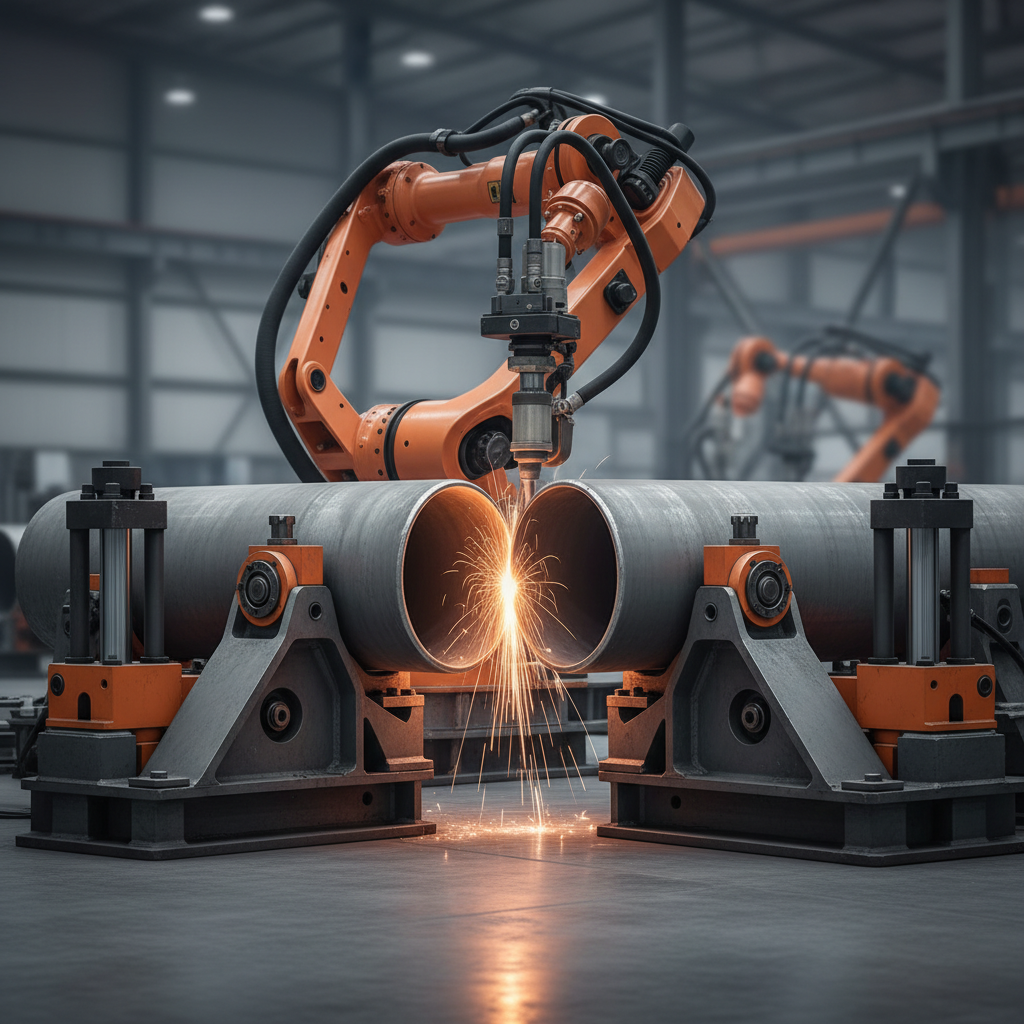
The future of pipes welding is being shaped by several key trends. Automation and Robotics are increasingly being adopted to improve weld quality, increase productivity, and reduce labor costs. Advanced Materials like high-strength alloys and composite materials are requiring the development of new welding techniques.
The drive towards Sustainability is fostering the use of eco-friendly welding processes and the development of materials with longer lifespans. Digitalization and the use of data analytics are enabling real-time monitoring of welding parameters and predictive maintenance, optimizing performance and reducing risks. Moreover, the integration of Artificial Intelligence (AI) is beginning to assist welders with complex tasks and quality control.
Overview of Current Pipes Welding Challenges & Mitigation Strategies
| Challenge Area |
Impact on Pipes Welding |
Mitigation Strategy |
Implementation Cost (Scale 1-10) |
| Skilled Labor Shortage |
Reduced weld quality, project delays. |
Increased training programs, recruitment initiatives. |
7 |
| Material Costs |
Increased project expenses. |
Optimize material selection, explore alternative alloys. |
5 |
| Quality Control Challenges |
Potential for undetected defects. |
Implement advanced NDT techniques, AI-powered inspection. |
8 |
| Remote Location Logistics |
Difficult access, supply chain disruptions. |
Strategic pre-planning, local sourcing where possible. |
6 |
| Corrosion Resistance |
Reduced pipe lifespan, increased maintenance. |
Employ corrosion-resistant alloys, apply protective coatings. |
4 |
| Environmental Regulations |
Stricter emissions standards, waste management requirements. |
Adopt eco-friendly welding processes, implement responsible waste disposal. |
7 |
FAQS
Common defects include porosity, cracks, inclusions, and incomplete fusion. Porosity results from trapped gases, while cracks can stem from excessive stress or improper cooling. Inclusions are foreign materials trapped within the weld, and incomplete fusion means the weld metal hasn't properly bonded to the base metal. Regular non-destructive testing (NDT) methods, like radiographic and ultrasonic inspection, are crucial for identifying these defects.
The welding process significantly impacts weld quality. SMAW is versatile but can be prone to slag inclusions, while GMAW offers higher deposition rates and cleaner welds. GTAW provides exceptional precision and quality, suitable for critical applications, but is slower. SAW is ideal for thick materials and long welds, but requires specialized equipment. Selecting the correct process depends on the material, thickness, position, and required weld characteristics.
Welder certifications vary depending on the industry and application, but commonly include AWS (American Welding Society) certifications, ASME (American Society of Mechanical Engineers) certifications, and certifications specific to pipeline construction. These certifications demonstrate a welder’s proficiency in specific welding processes and materials and adherence to industry standards. Periodic re-certification is often required to maintain qualifications.
Pre-weld preparation is absolutely critical for achieving a sound weld. It involves thoroughly cleaning the pipe surfaces to remove rust, scale, oil, and other contaminants. Beveling the pipe edges creates a groove for the weld metal to penetrate, ensuring adequate fusion. Proper fit-up and alignment are also essential for minimizing distortion and stress during welding.
Different pipe materials require distinct welding approaches. Carbon steel is relatively straightforward to weld, while stainless steel requires careful control of heat input to prevent sensitization and corrosion. Aluminum demands specialized techniques to avoid porosity. Knowing the material’s composition, thermal conductivity, and weldability is crucial for selecting the appropriate process, filler metal, and welding parameters.
NDT methods are vital for evaluating weld quality without damaging the pipe. Radiographic testing (X-ray) reveals internal defects like porosity and cracks. Ultrasonic testing uses sound waves to detect subsurface flaws. Magnetic particle inspection identifies surface and near-surface defects in ferromagnetic materials. Liquid penetrant testing finds surface cracks and discontinuities. Visual inspection remains a fundamental part of the process, alongside these advanced techniques.
Conclusion
Pipes welding remains a cornerstone of modern infrastructure, underpinning essential services across the globe. The ability to reliably join pipes, ensuring the safe and efficient transport of fluids and gases, is critical for economic prosperity, public health, and environmental sustainability. The skills of qualified welders, coupled with adherence to rigorous standards and the adoption of innovative technologies, are vital for maintaining the integrity of our existing infrastructure and building resilient systems for the future.
As we move forward, embracing advancements in automation, materials science, and digital technologies will be crucial. Investing in training and education, fostering collaboration between industry and research institutions, and prioritizing sustainability will ensure that pipes welding continues to play a vital role in shaping a safer, more connected, and more sustainable world. Visit our website at www.xhequipment.com to learn more about our pipes welding solutions.