Polypropylene pipe welding machines are critical tools in modern infrastructure, playing a vital role in constructing robust and reliable piping systems across a multitude of industries. From potable water distribution and industrial fluid transport to irrigation and drainage, these machines ensure secure and leak-proof connections, contributing significantly to public health, economic efficiency, and environmental sustainability. The growing demand for durable and cost-effective piping solutions has fueled advancements in polypropylene pipe welding machine technology, making it an increasingly indispensable asset globally.
The significance of polypropylene pipe welding machine extends beyond mere infrastructure development. They are instrumental in disaster relief efforts, providing rapid deployment of water and sanitation systems to affected populations. In remote and challenging terrains, where transporting pre-fabricated pipes is impractical, on-site welding offers a flexible and efficient solution. Furthermore, these machines empower local economies by creating opportunities for skilled technicians and fostering self-sufficiency in pipe maintenance and repair.
Understanding the principles, applications, and future trends of polypropylene pipe welding machine is paramount for engineers, technicians, project managers, and anyone involved in the planning, construction, and maintenance of piping networks. Continued innovation in this field promises even more efficient, sustainable, and reliable solutions for the challenges of the 21st century.
The Global Importance of Polypropylene Pipe Welding Machine
Globally, the demand for efficient and reliable piping systems is ever-increasing, driven by population growth, urbanization, and industrial expansion. The United Nations estimates that billions of dollars are needed annually to improve water and sanitation infrastructure worldwide. Polypropylene (PP) pipes, welded using specialized machines, offer a compelling solution due to their corrosion resistance, lightweight nature, and cost-effectiveness. This has led to a significant rise in the adoption of polypropylene pipe welding machine across diverse geographical regions.
The World Bank actively promotes the use of durable and sustainable materials in infrastructure projects, and PP pipes frequently meet these criteria. Furthermore, ISO standards dictate rigorous testing and quality control procedures for PP pipes and welding processes, ensuring long-term performance and safety. The need to address aging infrastructure and minimize water loss further emphasizes the crucial role of polypropylene pipe welding machine in maintaining reliable utility networks.
Defining Polypropylene Pipe Welding Machine
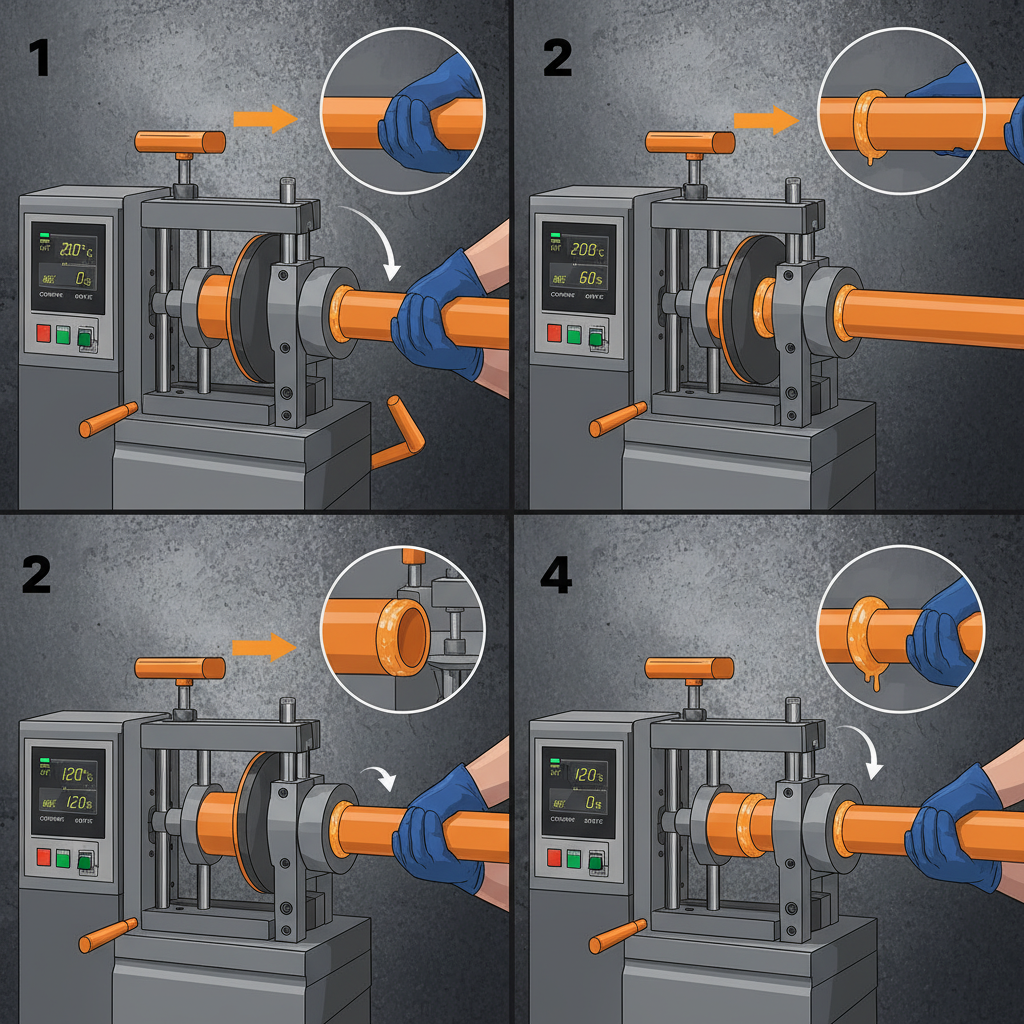
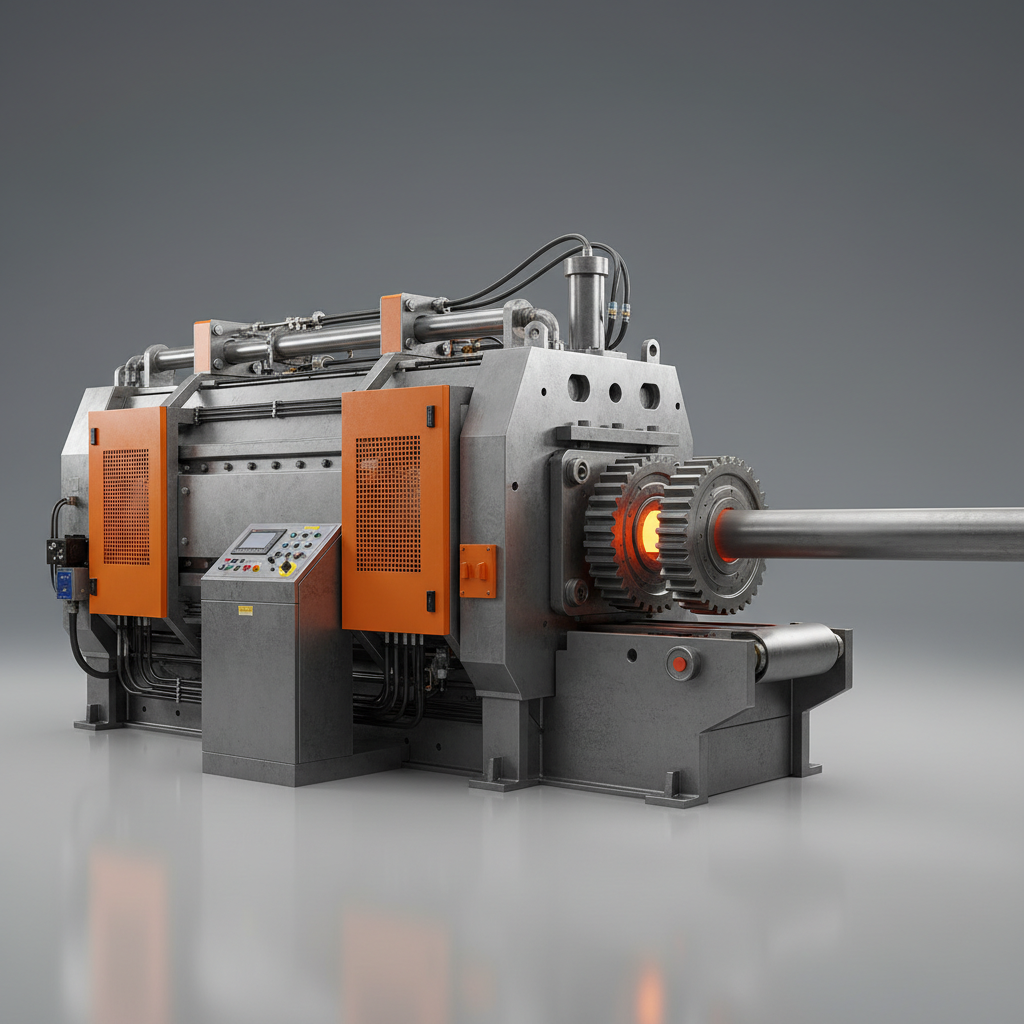
A polypropylene pipe welding machine is a specialized piece of equipment designed to fuse polypropylene pipes together, creating a strong, leak-proof joint. Unlike mechanical joining methods that rely on fasteners, welding creates a homogenous bond between the pipe segments, enhancing structural integrity and reducing the risk of failure. These machines typically employ various welding techniques, including butt fusion, socket fusion, and electrofusion, each suited for different pipe diameters and applications.
The connection to modern industry is profound. Polypropylene pipes are utilized extensively in chemical processing plants, food and beverage facilities, and wastewater treatment facilities, all of which demand high levels of corrosion resistance and hygiene. In humanitarian contexts, polypropylene pipe welding machine enables the rapid deployment of clean water supplies to refugee camps and disaster-stricken areas.
Essentially, the polypropylene pipe welding machine facilitates the creation of long-lasting, reliable piping infrastructure that underpins critical societal functions, from basic sanitation to complex industrial processes. The ability to create these secure connections in the field makes it a vital tool in many challenging environments.
Core Components and Operational Factors
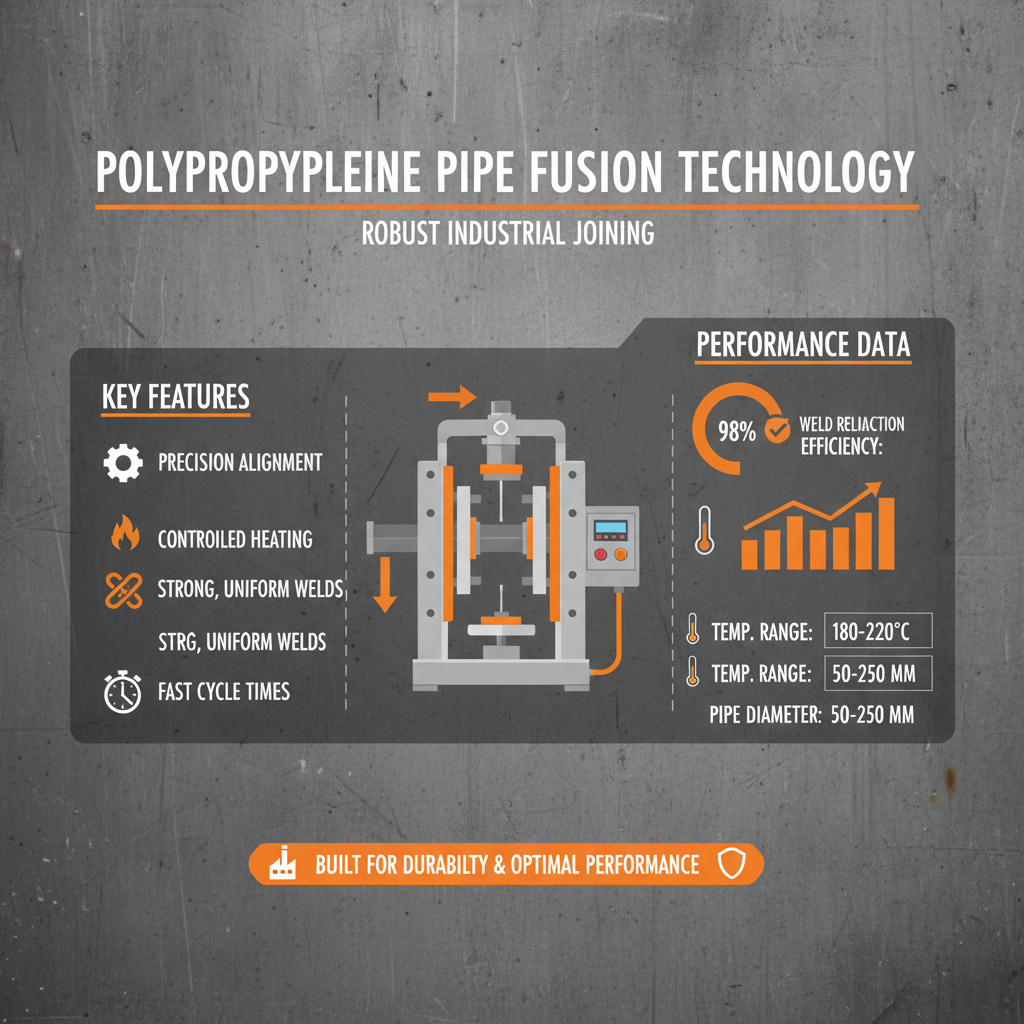
The effectiveness of a polypropylene pipe welding machine hinges on several key factors. Firstly, heating plate control is crucial for achieving the optimal temperature and pressure required for fusion, varying with PP grade and pipe dimension. Secondly, pipe alignment is critical to prevent misalignment and ensure a consistent weld bead. Thirdly, fusion time and pressure must be accurately regulated to achieve a homogenous weld without compromising the pipe's structural integrity. Accurate control of these factors is vital for a quality joint.
Furthermore, machine portability and power requirements influence its suitability for different worksites. Smaller, battery-powered machines are ideal for remote locations, while larger, electrically powered machines are better suited for stationary applications. Lastly, the availability of skilled operators trained in proper welding techniques is paramount for consistent quality and safety. Utilizing a polypropylene pipe welding machine effectively requires a commitment to operator training and adherence to industry best practices.
These core components and operational factors directly impact the durability and reliability of the welded joints. Investing in high-quality machines with precise controls and providing comprehensive operator training are essential for maximizing the lifespan and performance of polypropylene piping systems.
Diverse Applications Across Industries
Polypropylene pipe welding machine finds widespread application in the water and wastewater treatment industry, where its corrosion resistance and durability are invaluable. PP pipes welded with these machines are used for transporting potable water, handling treated effluent, and constructing drainage systems. The agricultural sector benefits from its use in irrigation systems, efficiently delivering water to crops.
The chemical processing industry relies heavily on polypropylene pipes for transporting corrosive fluids, due to PP's inherent chemical inertness. In post-disaster relief operations, portable polypropylene pipe welding machine enable the rapid establishment of clean water supplies and sanitation facilities. In remote industrial zones, where access to prefabricated pipes is limited, on-site welding provides a flexible and cost-effective solution.
Polypropylene Pipe Welding Machine Method Comparison
Advantages and Long-Term Value Proposition
The primary advantage of using polypropylene pipe welding machine lies in the creation of exceptionally durable and leak-proof joints. This translates to reduced maintenance costs and extended service life for piping systems. Cost efficiency is another significant benefit, as polypropylene pipes are typically less expensive than traditional materials like metal or concrete, and the welding process itself is relatively quick and straightforward.
From a sustainability perspective, polypropylene is a recyclable material, minimizing environmental impact. Furthermore, the inherent corrosion resistance of PP pipes eliminates the need for costly and environmentally damaging corrosion control measures. The reliability offered by properly welded PP pipes contributes to a safer and more secure infrastructure, protecting public health and ensuring continuity of essential services.
Future Trends and Technological Advancements
The future of polypropylene pipe welding machine is closely linked to advancements in materials science and automation. Researchers are exploring new PP formulations with enhanced strength, temperature resistance, and UV stability. The integration of robotic welding systems promises increased precision, efficiency, and consistency in the welding process. Digital monitoring and control systems, leveraging IoT technology, will enable real-time data collection and analysis, optimizing welding parameters and predicting potential failures.
The growing emphasis on sustainability is driving the development of eco-friendly welding processes and the use of recycled polypropylene materials. Furthermore, the adoption of Building Information Modeling (BIM) and digital twin technology will streamline the design, construction, and maintenance of piping systems, improving collaboration and reducing errors.
Challenges and Innovative Solutions
Despite its numerous advantages, the use of polypropylene pipe welding machine faces certain challenges. Maintaining consistent weld quality requires skilled operators and adherence to strict welding procedures. The potential for operator error, particularly in challenging field conditions, can lead to weld defects. Ensuring proper surface preparation and environmental control are also crucial for achieving optimal weld strength.
Innovative solutions include the development of automated welding systems with built-in quality control mechanisms, operator training programs that incorporate virtual reality simulations, and the use of advanced non-destructive testing methods to detect weld defects. Portable, self-contained welding machines equipped with real-time monitoring capabilities are also emerging, offering greater flexibility and control in remote locations.
Continuous innovation and a commitment to best practices are essential for overcoming these challenges and maximizing the benefits of polypropylene pipe welding machine technology.
Summary of Challenges and Solutions in Polypropylene Pipe Welding
| Challenge |
Impact on Weld Quality |
Proposed Solution |
Implementation Cost (1-10) |
| Operator Skill Variance |
Inconsistent weld strength, potential leaks |
VR-based training modules & certification |
6 |
| Surface Contamination |
Reduced weld adhesion, compromised integrity |
Automated cleaning & pre-treatment systems |
7 |
| Environmental Factors (Wind, Rain) |
Temperature inconsistencies, weld distortion |
Portable welding enclosures & climate control |
8 |
| Lack of Real-time Monitoring |
Delayed detection of weld defects |
IoT-enabled welding machines with data logging |
9 |
| Equipment Calibration Drift |
Inaccurate temperature and pressure settings |
Automated calibration routines & remote diagnostics |
5 |
| Material Variability |
Inconsistent weld properties due to PP grade differences |
Machine settings automatically adjusted for material grade |
7 |
FAQS
Butt fusion is typically used for larger diameter pipes, where both pipe ends are heated and fused together under pressure. Socket fusion, on the other hand, is used for smaller diameter pipes, utilizing a heating tool to melt both the pipe and the fitting simultaneously. Butt fusion generally offers stronger, more consistent welds, while socket fusion is quicker and more portable. Choosing the right method depends on the pipe size, application, and site conditions.
Comprehensive training should cover proper machine setup, operation, safety procedures, weld parameter selection based on pipe specifications, weld inspection techniques, and troubleshooting common issues. Certification programs offered by industry organizations are highly recommended. Practical, hands-on experience under the supervision of a qualified instructor is crucial for developing proficiency and ensuring weld quality.
Regular calibration is essential to maintain the accuracy of temperature and pressure settings, ensuring consistent weld quality. The recommended calibration frequency depends on the machine’s usage and the manufacturer’s guidelines, but generally, annual calibration is advisable. Calibration should be performed by a qualified technician using certified standards.
Always wear appropriate personal protective equipment (PPE), including heat-resistant gloves, safety glasses, and protective clothing. Ensure the work area is well-ventilated to avoid inhaling fumes. Be aware of hot surfaces and moving parts. Follow the manufacturer’s safety instructions carefully and maintain a safe distance from the welding process. Proper grounding is also crucial to prevent electrical hazards.
Common weld defects include incomplete fusion, misalignment, surface contamination, and overheating. Incomplete fusion results from insufficient heat or pressure. Misalignment occurs when the pipe ends are not properly aligned during welding. Contamination can weaken the weld. Overheating can cause the pipe material to degrade. Proper surface preparation, accurate parameter settings, and careful monitoring are key to preventing these defects.
Ensure proper operator training, use high-quality welding equipment, follow recommended welding procedures, perform thorough weld inspections, and maintain regular equipment calibration. Conduct periodic inspections of the installed piping system to identify and address any potential issues. Proper material selection and adherence to industry standards are also crucial for long-term reliability.
Conclusion
In conclusion, polypropylene pipe welding machine technology represents a cornerstone of modern infrastructure, enabling the construction of durable, reliable, and cost-effective piping systems across a diverse range of industries. Its advantages extend beyond technical performance to encompass sustainability, safety, and economic benefits. Understanding the core principles, applications, and future trends of this technology is vital for professionals involved in the planning, installation, and maintenance of piping networks.
Looking ahead, continued innovation in materials science, automation, and digital monitoring promises to further enhance the capabilities of polypropylene pipe welding machine, addressing emerging challenges and driving greater efficiency and sustainability. To maximize the benefits of this technology, it is essential to prioritize operator training, adhere to industry best practices, and embrace new advancements. Visit our website at www.xhequipment.com to learn more about our range of polypropylene pipe welding machines and solutions.