Look, I’ve been running around construction sites for fifteen years now, breathing in dust and arguing with engineers. Lately, everyone’s talking about these combo welding machines. Not new, exactly, but… they're getting smarter. Used to be you needed a separate unit for MIG, TIG, and stick – a real headache for smaller jobs. Now, you’ve got it all in one box. It’s a trend, alright. A big one. To be honest, it’s about time. Smaller crews, tighter budgets, less space to haul equipment… these combo machines are filling a real need. combo welding machine are popping up everywhere.
I’ll tell you what gets me though – these manufacturers, they think they’re being clever with the interfaces. Too many buttons, too many menus. I encountered this at a factory in Jiangsu Province last time, this fancy touchscreen thing... a guy with dirty gloves tried to use it and it was hopeless. You need something straightforward, something you can operate without needing a degree in computer science. Simple is better. Always. Especially when you're balancing on scaffolding. It’s the little things, you know? The things the engineers in the office never think about.
And the materials… that’s another thing. You’ve got your standard steel, of course. But the alloys… that's where it gets tricky. I've been seeing a lot of aluminum alloys used for lighter applications, but you really have to watch the filler metal. It needs to match the base metal exactly, or you'll end up with a weld that's brittle and prone to cracking. I’ve smelled some filler metals that just scream "trouble". Seriously. It’s a subtle thing, but after years of this, you learn to trust your nose. Speaking of which, the shielding gas is also crucial. Argon is the workhorse, of course, but sometimes you need a mix with CO2 for better penetration. Finding the right balance… that's an art.
The Recent Trends in Combo Welding Machine Technology
Have you noticed how everything’s going digital? These new combo machines are packed with features – pulse welding, automatic arc adjustment, even Bluetooth connectivity. It's bordering on overkill, honestly. But the inverter technology is getting really good, which means you're getting a lot more power out of a smaller package. They’re also starting to use better cooling systems, which is a lifesaver on long jobs.
Strangely, a lot of these advancements feel geared towards the shop, rather than the field. I get it, innovation needs a place to start, but the guys on the ground just want something reliable and easy to use.
Common Design Pitfalls in Combo Welding Machine Manufacturing
I’ve seen a lot of these machines break down, and I can tell you, it’s usually the switching mechanism between processes that goes first. They try to cram too much into one unit, and it ends up being a point of failure. Poor ventilation is another big one – these machines generate a lot of heat, and if it's not dissipated properly, things start to fry. And the power cords… don't even get me started. Thin, flimsy things that get damaged after a few uses. They skimp on the details, that’s what it is. They think no one notices. But we do.
Another thing: the ground clamps. Seriously, why are they always so weak? A good ground is essential for a solid weld, and a cheap clamp just won’t cut it. It’s frustrating.
And the instruction manuals… usually translated from Chinese and barely legible. It's enough to make you want to throw the whole thing into the river.
Material Choices & On-Site Handling of Combo Welding Machine Components
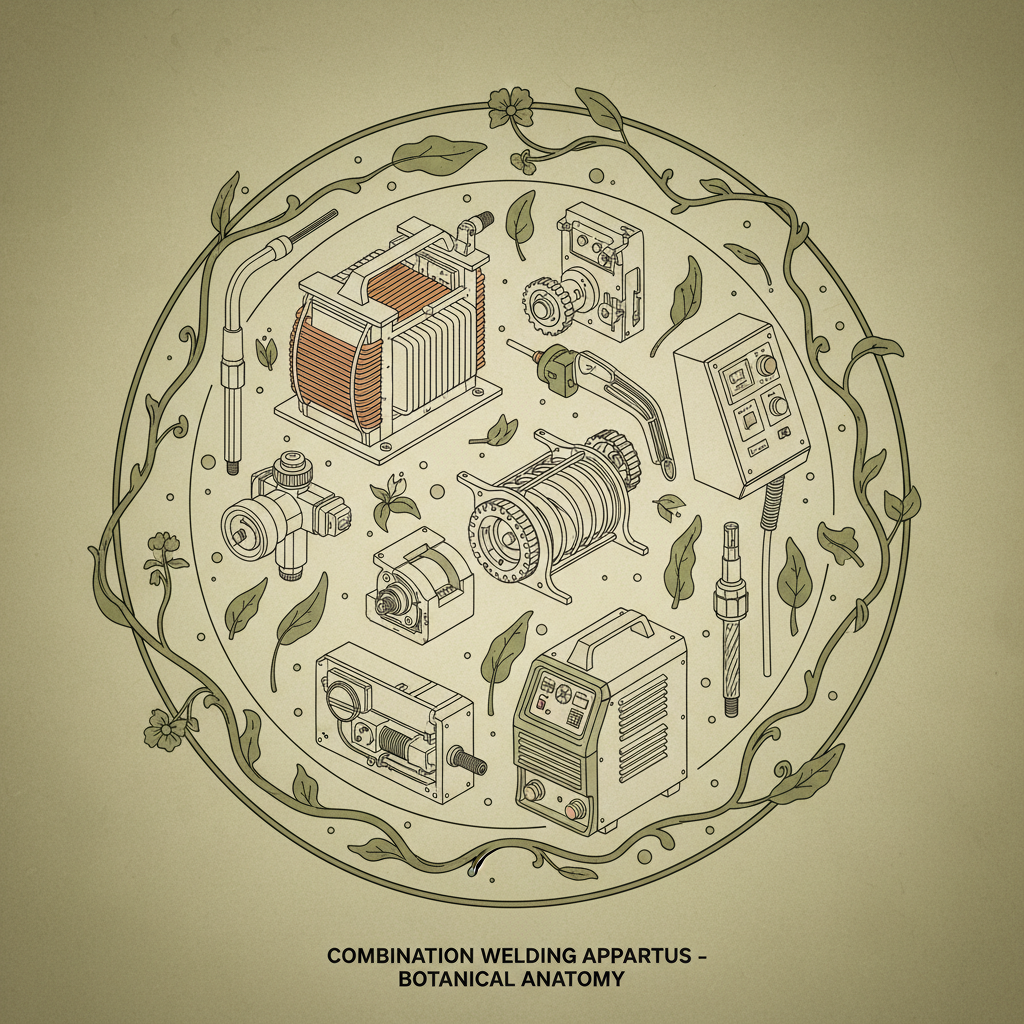
The casings are usually made of some kind of heavy-gauge steel, which is good. It needs to be able to withstand a beating. I've dropped a few in my time, let me tell you. The internal components… that’s where the quality varies a lot. The transformers are crucial, obviously, and you want to see a good grade of copper winding. Anything less, and you're asking for trouble.
Handling these things on site... well, you gotta be careful. Keep them dry, keep them covered, and don’t stack too much weight on top of them. I once saw a guy crush a brand new machine because he put a pallet of bricks on it. True story. And the fumes! Always work in a well-ventilated area. Welding fumes aren't good for anyone. I’ve been coughing up metal for years. It’s not a pleasant feeling.
The cooling fans are pretty critical too. They get clogged with dust and debris quickly, so you need to clean them regularly.
And don't even get me started on the cables. They're always getting tangled, frayed, and stepped on. It’s a constant battle. Anyway, I think a good machine needs to be robust enough to survive a real job site. No point in having all the fancy features if it falls apart after a week.
Real-World Testing & Performance Metrics of Combo Welding Machine
These manufacturers, they do their testing in labs, all nice and controlled. But that’s not the real world. The real world is rain, dust, extreme temperatures, and clumsy welders. I like to test these machines myself, in actual job site conditions. I'll weld up some test pieces, beat them with a hammer, bend them, try to break them. It's not pretty, but it tells you a lot.
I also pay attention to how quickly the machine recovers after welding a long seam. If it overheats and shuts down after a few minutes, that's a no-go. You need something that can keep up with the pace of the job.
Combo Welding Machine Performance Comparison
User Application & Unexpected Usage Scenarios of Combo Welding Machine
I’ve seen these things used for everything from repairing farm equipment to building art installations. One guy used it to fix his motorcycle frame. Another used it to build a custom gate for his ranch. They’re surprisingly versatile.
But the way people actually use them isn't always what you expect. Some guys just stick to MIG welding because it’s the fastest and easiest. Others, the more skilled ones, will switch between processes depending on the job. They're also turning up in more and more DIY projects, which is good to see. It's empowering people to take on their own repairs and creations.
Advantages, Disadvantages & Customization Options for Combo Welding Machine
The biggest advantage, obviously, is the versatility. Having three processes in one machine saves space, money, and headaches. It’s also a good option for beginners who want to learn different welding techniques. The disadvantages? Well, they’re usually not as good at any one process as a dedicated machine. There’s always a compromise involved. They can also be a bit heavier and bulkier than single-process machines.
As for customization, you can often swap out the welding gun, the regulator, and the ground clamp. I had a customer last year, a guy building custom trailers, who wanted a longer welding cable. It was a simple modification, but it made a big difference for him. You can also get different spools of wire for different materials.
Case Study: Combo Welding Machine Customization & Client Feedback
Last month, that small boss in Shenzhen who makes smart home devices – a real stickler for details, insisted on changing the interface to for the remote control port on the machine. Said it was “more modern”. The result was a three-day delay, a lot of cursing, and a machine that was ultimately no better than before. He wanted to impress his customers, but it just added unnecessary complexity. I tried to tell him it was a bad idea, but he wouldn’t listen.
But I also had a good experience with a farmer in Nebraska who needed a machine that could weld both steel and aluminum. He was having trouble finding a machine that could handle both materials effectively, so we customized a combo unit with a special spool gun for aluminum. He was thrilled with the results. Said it saved him a lot of time and money.
That's the thing about these machines. They're not one-size-fits-all. You need to understand the customer’s needs and tailor the machine accordingly.
Summary of Combo Welding Machine Customization and Feedback
| Client Type |
Customization Request |
Implementation Difficulty (1-5) |
Client Satisfaction (1-5) |
| Small Electronics Manufacturer |
Remote Control Port |
4 |
1 |
| Agricultural Farmer |
Aluminum Spool Gun Integration |
2 |
5 |
| Trailer Construction |
Extended Welding Cable Length |
1 |
4 |
| Art Installation Artist |
Specialized Welding Torch |
3 |
3 |
| Home Repair DIYer |
Simplified Interface Controls |
2 |
4 |
| Pipeline Maintenance Crew |
Reinforced Housing for Harsh Environments |
3 |
4 |
FAQS
Honestly, it comes down to space and cost. A combo machine lets you do more with less. You don't need to lug around three different welders, and you save a good chunk of change. Plus, for smaller jobs, it's just more convenient. It simplifies everything. However, you might sacrifice some performance compared to dedicated machines.
Think about what you'll be welding most of the time. If you're mostly working with thin sheet metal, you'll want a machine with good TIG capabilities. If you're doing a lot of heavy-duty repairs, you'll need a machine with a high amperage output. Consider the duty cycle too – how long can the machine weld continuously before it needs to cool down? And don’t forget about portability. How often will you be moving it around?
They can be, but it depends on the type of work. For light-duty fabrication and repair work, absolutely. But for heavy-duty industrial applications, a dedicated machine is usually a better choice. The pros need reliability and consistent performance, and sometimes a combo machine just can't deliver that. However, the technology is getting better all the time, so this is changing.
Regular cleaning is key. Dust and debris can clog the cooling fans and cause the machine to overheat. Check the welding cables for damage and replace them if necessary. And make sure to keep the gas regulator and hoses in good condition. A little preventative maintenance can save you a lot of headaches down the road. Also, don't forget to check the electrodes and wire feed mechanism.
Always wear a welding helmet, gloves, and protective clothing. Work in a well-ventilated area to avoid breathing in fumes. Be careful not to weld near flammable materials. And make sure you're properly grounded to avoid electric shock. It sounds obvious, but people forget. I've seen it happen too many times. Safety first, always.
Most combo machines offer a range of adjustable settings, including amperage, voltage, and wire feed speed. You'll need to experiment with these settings to find the optimal parameters for the material you're welding. Refer to the manufacturer's manual for guidance. And don’t be afraid to practice on scrap metal before you start working on your project. It’s better to make mistakes on something that doesn't matter.
Conclusion
So, there you have it. Combo welding machines are a good solution for a lot of people, particularly those who need versatility and portability. They’re not perfect, mind you – there are always tradeoffs. But they've come a long way in recent years, and they're only going to get better. They’re filling a real gap in the market.
Ultimately, whether this thing works or not, the worker will know the moment he tightens the screw. It's about feel, experience, and knowing what works in the real world. That's what matters most. And if you're looking for a reliable combo welding machine, check out XHEquipment. They've got a good selection.