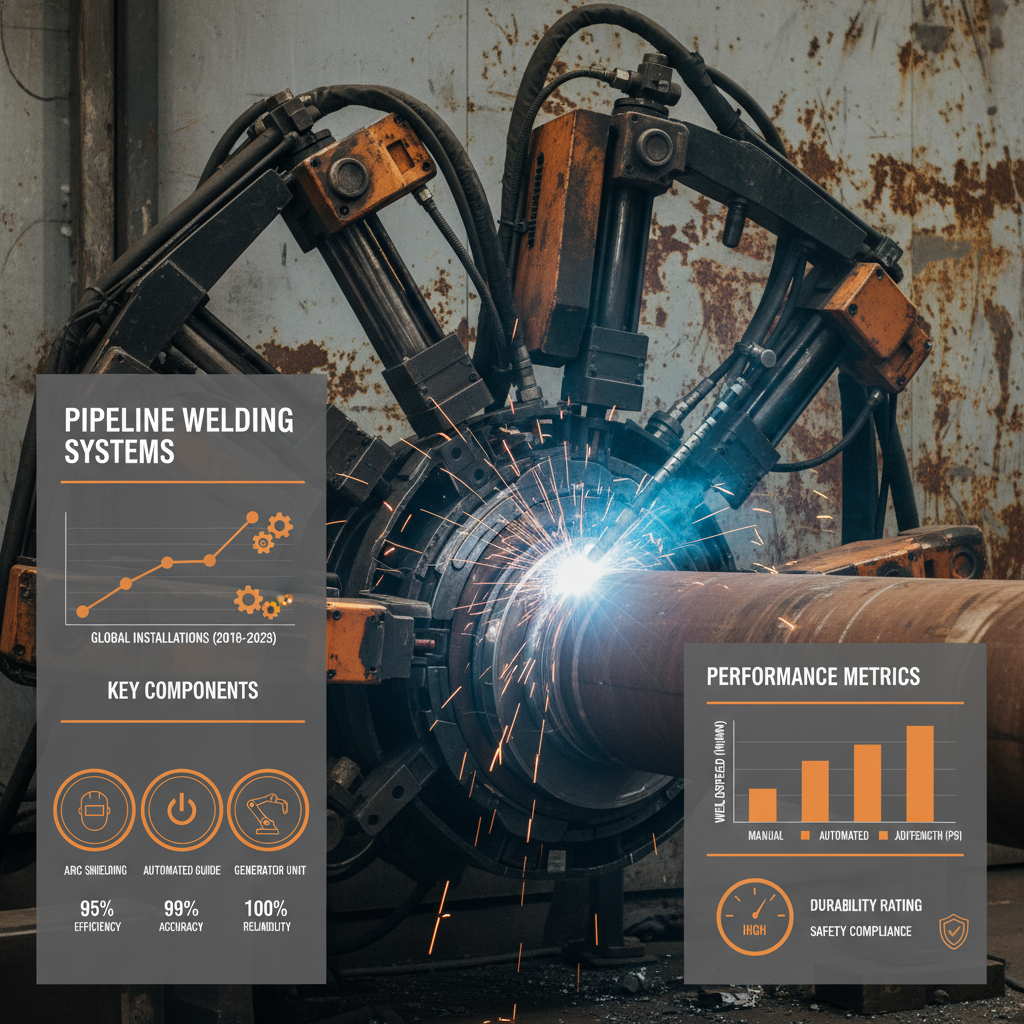
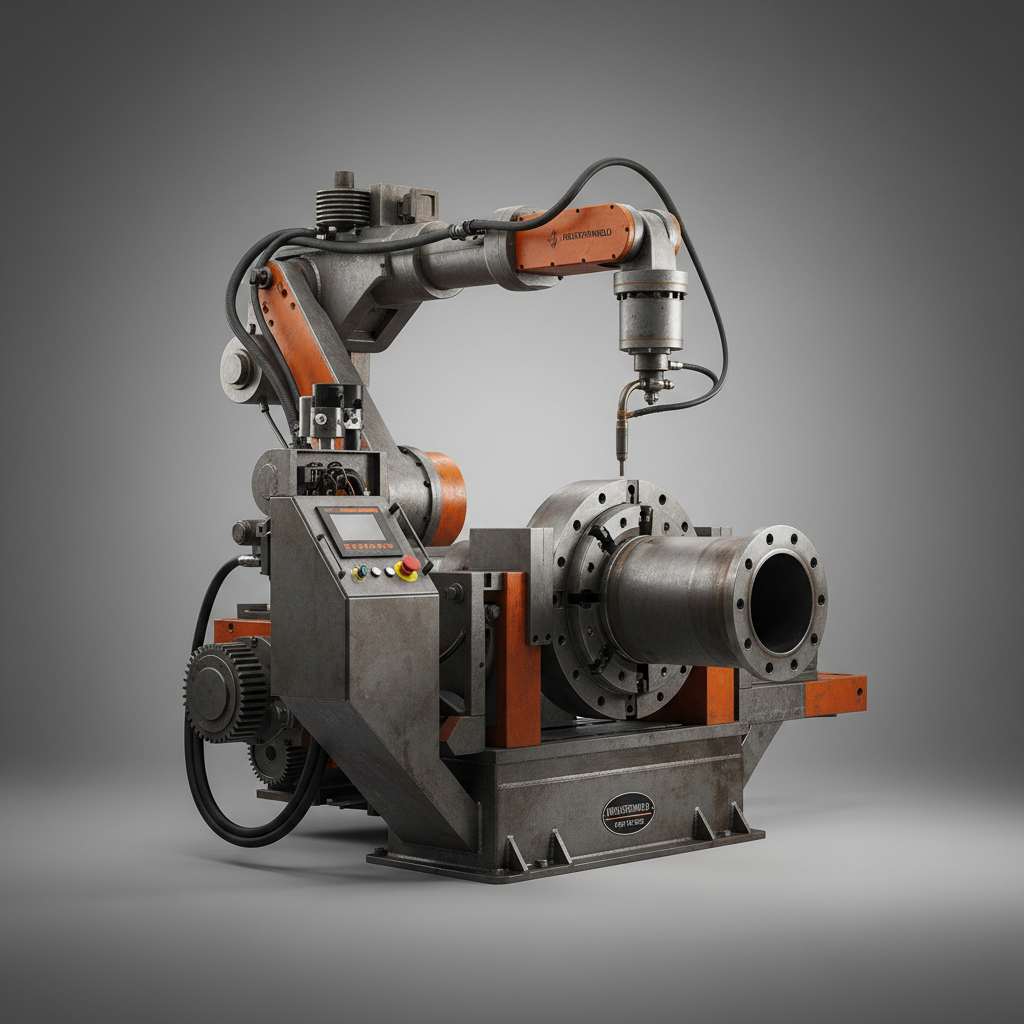
The manual pipe rolling machine is a cornerstone of numerous industries, providing a reliable and portable solution for bending pipes and tubes on-site. Its significance extends beyond simple fabrication; it's a critical tool in construction, maintenance, and repair applications where precision and efficiency are paramount. Understanding the principles, applications, and advancements in manual pipe rolling technology is crucial for professionals across a diverse range of sectors, from plumbing and shipbuilding to oil and gas pipelines and even artistic metalwork.
Globally, the demand for robust and adaptable pipe bending solutions is consistently high. According to recent market analyses, the pipe bending machinery sector is projected to experience steady growth, driven by infrastructure development, energy sector expansions, and a growing need for customized pipework in specialized industries. Manual pipe rolling machines address the challenge of working in remote locations or confined spaces where larger, powered machines are impractical. They offer a cost-effective alternative for smaller projects and situations requiring frequent repositioning.
The versatility of a manual pipe rolling machine lies in its ability to handle a variety of pipe materials—including steel, stainless steel, aluminum, and copper—and diameters. These machines are designed to create accurate bends without compromising the structural integrity of the pipe, making them essential for ensuring the safety and longevity of projects. The continued refinement of manual pipe rolling technology ensures its relevance in an ever-evolving industrial landscape.
Introduction to Manual Pipe Rolling Machines
Manual pipe rolling machines are fundamental pieces of equipment used to permanently deform pipes into curved shapes without the use of heat. This cold bending process preserves the material’s properties and allows for precise control over the bend radius and angle. They are particularly valuable in situations where welding is undesirable or impractical due to safety concerns or material limitations.
These machines often employ a three-point bending method, utilizing rollers and a sturdy frame to apply controlled force to the pipe. The operator's skill and the machine's design work in tandem to achieve the desired curvature. Understanding the mechanics of these machines—the leverage, the roller configuration, and the material characteristics—is key to maximizing their effectiveness and ensuring accurate results.
Defining a Manual Pipe Rolling Machine
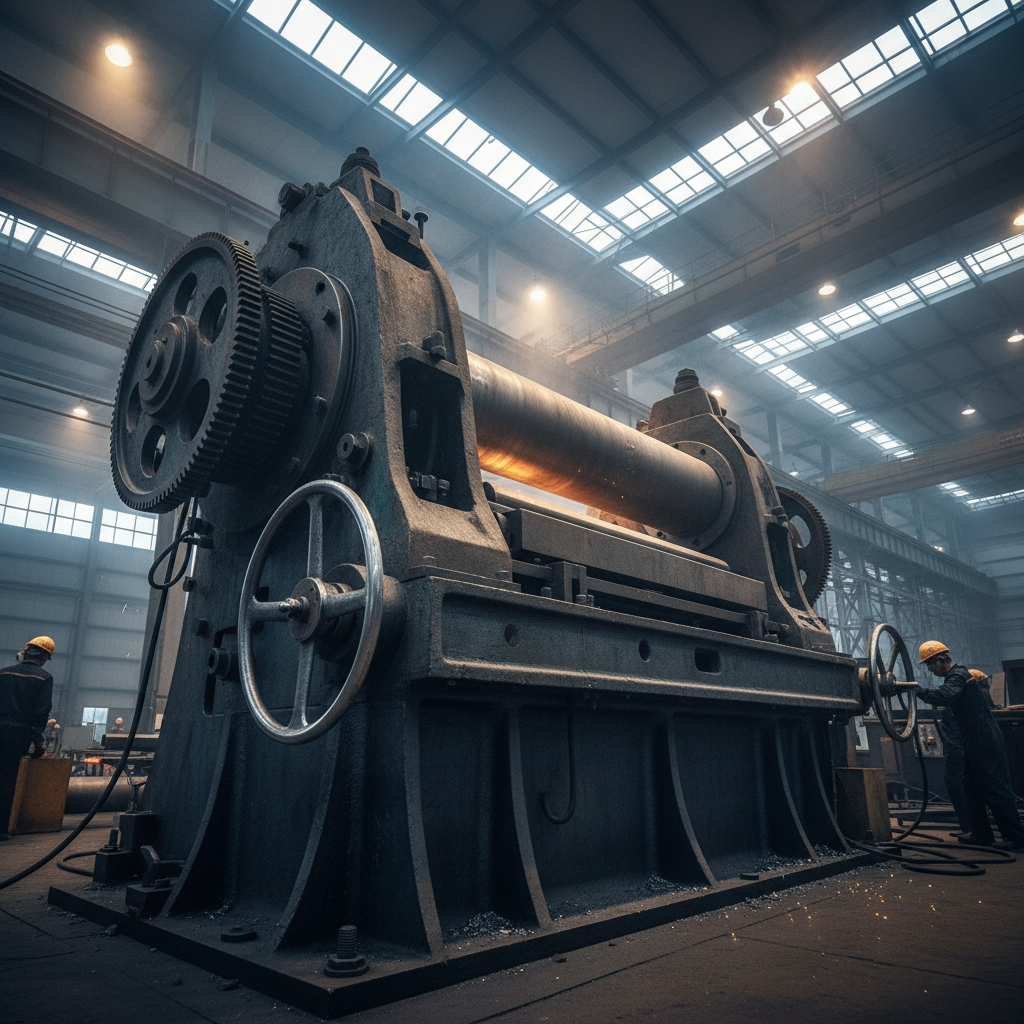
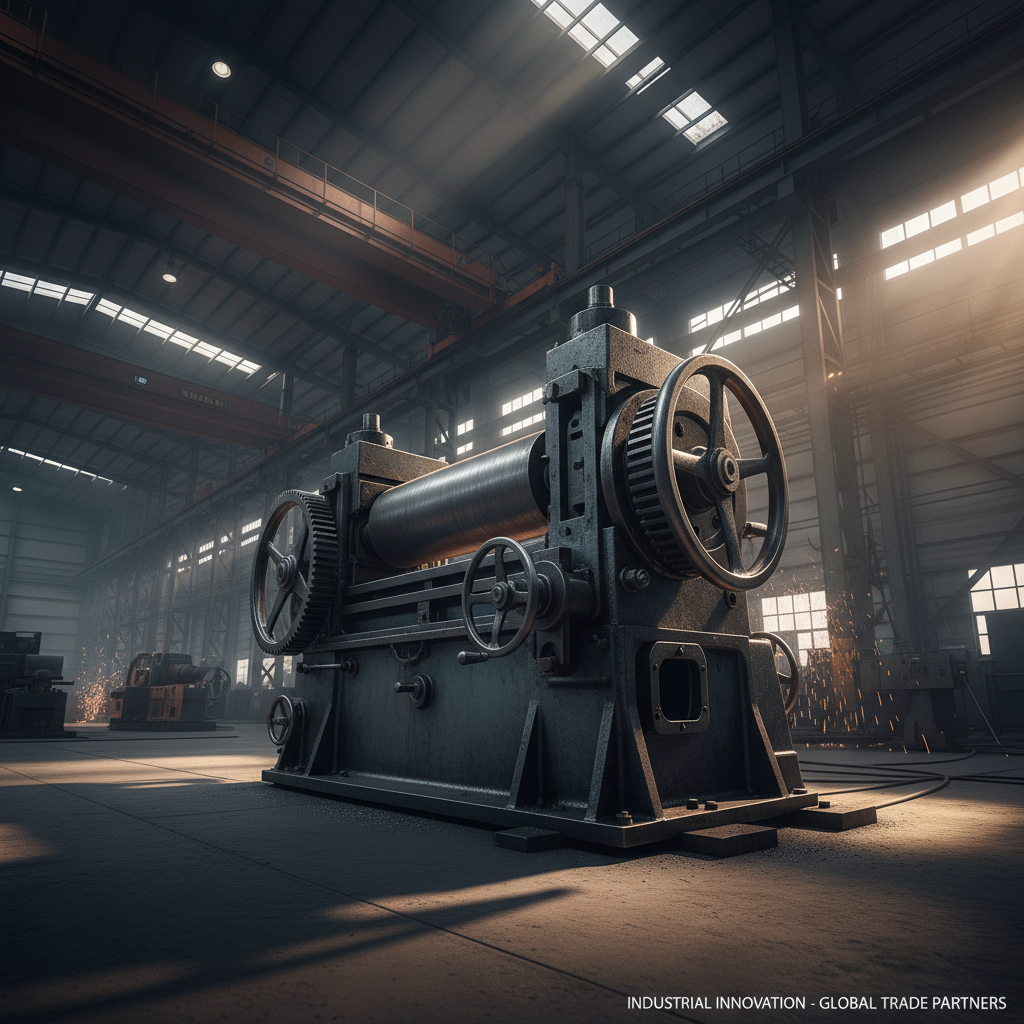
A manual pipe rolling machine is a mechanical device designed to bend pipes and tubes to specified angles and radii using human power. Unlike powered pipe benders, it relies on the operator's physical force applied through levers or handles, providing a portable and self-contained bending solution. It typically consists of a frame, rollers, a bending die, and a handle or lever system.
The connection to modern industry and humanitarian needs is substantial. In construction, they enable the creation of complex piping systems for plumbing, HVAC, and structural support. In remote areas lacking electricity, they are essential for building water pipelines and sanitation systems. Following disasters, they can quickly facilitate the repair of damaged infrastructure.
Essentially, a manual pipe rolling machine democratizes pipe bending, making it accessible in environments where larger, automated equipment isn't feasible, and empowering skilled technicians to deliver precise results where and when they are needed.
Core Components and Operational Factors
Several core aspects define the performance and capability of a manual pipe rolling machine. Firstly, Durability is paramount; a robust frame and high-quality rollers ensure long-term reliability and withstand the stresses of repeated use. Secondly, Portability enables on-site bending, reducing transportation costs and downtime. Thirdly, Versatility refers to the machine's capacity to handle different pipe diameters and materials.
Precision is another crucial factor, ensuring accurate bends that meet project specifications. This relies on properly calibrated rollers and a secure locking mechanism. Finally, Ease of Use directly impacts efficiency and operator fatigue; intuitive controls and a well-designed handle system enhance productivity. These components directly affect practical applications, such as fabricating handrails, constructing scaffolding, or repairing pipelines in the field.
These factors aren’t independent. A durable machine needs to be relatively portable. A versatile machine must be easy to adjust for different pipe sizes. The interplay of these elements determines the overall effectiveness and value of the manual pipe rolling machine in various operational contexts.
Global Applications and Diverse Use Cases
Manual pipe rolling machines are employed across a wide spectrum of industries and geographical locations. In the construction sector, they are indispensable for creating curved pipework in commercial and residential buildings. In the oil and gas industry, they are used for fabricating pipeline components in remote locations.
They also find applications in shipbuilding, where they're essential for forming intricate pipe systems within vessels. In post-disaster relief operations, manual pipe rolling machines can quickly repair damaged water and sanitation infrastructure, providing vital services to affected communities. In remote industrial zones lacking reliable power sources, they offer a practical solution for pipe fabrication.
Furthermore, manual pipe rolling machines are utilized in artistic metalworking, enabling sculptors and fabricators to create unique and complex designs. From creating architectural features to crafting decorative elements, these machines empower artisans with the means to realize their creative visions.
Manual Pipe Rolling Machine Performance Metrics
Advantages and Long-Term Value Proposition
The advantages of employing a manual pipe rolling machine are numerous and far-reaching. From a cost perspective, they represent a significantly lower investment compared to powered alternatives, particularly for smaller projects or infrequent bending requirements. Sustainability is another key benefit, as they require no electricity and produce minimal waste.
The long-term value extends beyond these practical considerations. They enhance worker safety by eliminating the hazards associated with open flames or high-voltage equipment. They foster skill development among technicians, empowering them to perform critical fabrication tasks independently. Finally, they instill a sense of trust and reliability, delivering consistent and predictable results that contribute to the overall quality and longevity of projects.
Future Trends and Innovative Developments
The future of manual pipe rolling machines is intertwined with broader industry trends. We're seeing increasing emphasis on lightweight materials—like advanced alloys and composites—which require specialized rollers and bending techniques. Digital integration, such as incorporating laser guidance systems for improved accuracy, is also gaining traction.
Furthermore, the push for sustainable practices is driving demand for eco-friendly materials and energy-efficient solutions. Innovations in ergonomic design are improving operator comfort and reducing fatigue, while advancements in roller technology are enhancing bending precision and minimizing material deformation.
Challenges and Practical Solutions
Despite their versatility, manual pipe rolling machines present certain challenges. Operator fatigue, especially during prolonged use or when working with thicker-walled pipes, can impact accuracy and efficiency. Maintaining consistent bending angles and radii requires considerable skill and experience.
Solutions include investing in ergonomic handle designs and providing comprehensive training programs for operators. The development of adjustable roller systems allows for greater flexibility and accommodates a wider range of pipe diameters. Implementing quality control checks throughout the bending process ensures adherence to project specifications.
Finally, exploring hybrid solutions—combining manual operation with assistive technologies—could mitigate fatigue and enhance precision, making these machines even more valuable in a variety of applications.
Summary of Challenges and Solutions for Manual Pipe Rolling Machine Usage
| Challenge |
Impact on Operation |
Proposed Solution |
Implementation Cost (Scale 1-10) |
| Operator Fatigue |
Reduced Accuracy, Lower Productivity |
Ergonomic Handle Design |
3 |
| Inconsistent Bending Angles |
Non-Compliance with Specifications |
Operator Training & Calibration |
4 |
| Limited Pipe Diameter Range |
Inability to Handle Certain Projects |
Adjustable Roller Systems |
6 |
| Material Deformation |
Compromised Pipe Integrity |
Controlled Bending Speed & Pressure |
2 |
| Lack of Precision for Complex Curves |
Difficulty in Artistic or Specialized Applications |
Hybrid Manual/Assistive Technology |
8 |
| Maintenance Requirements |
Downtime and Reduced Efficiency |
Regular Lubrication & Inspection |
1 |
FAQS
Most manual pipe rolling machines can handle a variety of materials including carbon steel, stainless steel, aluminum, and copper. However, the specific capacity depends on the machine’s design, roller material, and the pipe’s wall thickness. Harder materials like thick-walled steel might require more force and a more robust machine. Always consult the manufacturer's specifications to ensure compatibility and prevent damage to the machine or the pipe.
Determining the correct bending radius is crucial for a successful bend. It’s primarily dictated by the pipe diameter and the desired shape of the bend. Generally, a larger radius is easier to achieve and minimizes the risk of kinking or deformation. Consulting engineering drawings or using a bending radius calculator can help determine the optimal radius. A good rule of thumb is to maintain a radius that is at least 2.5 times the pipe’s outside diameter.
Regular maintenance is vital for extending the lifespan and performance of your machine. This includes lubricating moving parts, inspecting rollers for wear and tear, and ensuring all bolts and fasteners are tightened. Cleaning the machine after each use prevents the buildup of debris that can hinder its operation. Periodic inspections by a qualified technician are also recommended to identify and address potential issues before they escalate.
Bending pipes with coatings or linings requires careful consideration. The coating might be damaged during the bending process, potentially compromising its protective properties. You might need to use a softer bending shoe or adjust the bending speed to minimize damage. In some cases, it might be necessary to remove the coating in the bending zone and reapply it after the bend is complete, ensuring full protection.
Safety is paramount. Always wear appropriate personal protective equipment (PPE), including safety glasses, gloves, and steel-toe boots. Ensure the pipe is securely supported and clamped before bending. Avoid placing hands or body parts in the bending zone during operation. Never exceed the machine’s weight capacity, and be aware of your surroundings to prevent accidents. Proper training and understanding of the machine’s operation are essential.
While hydraulic pipe benders generally offer higher precision and are better suited for large-scale or high-volume production, a well-maintained manual pipe rolling machine, operated by a skilled technician, can achieve excellent precision for smaller projects and on-site applications. The key difference lies in the level of control and consistency. Hydraulic benders automate the process, reducing operator influence, whereas manual machines rely heavily on operator technique.
Conclusion
In conclusion, the manual pipe rolling machine remains an invaluable tool for a wide range of industries. Its portability, cost-effectiveness, and versatility make it a practical solution for on-site pipe bending, maintenance, and repair. Understanding its core components, operational factors, and applications empowers professionals to maximize its capabilities and deliver high-quality results.
Looking ahead, continued innovation in materials, design, and integration with digital technologies will further enhance the performance and accessibility of these machines. Investing in proper training, maintenance, and safety practices will ensure their long-term reliability and value. For all your manual pipe rolling machine needs, and to explore our range of products, visit our website: www.xhequipment.com