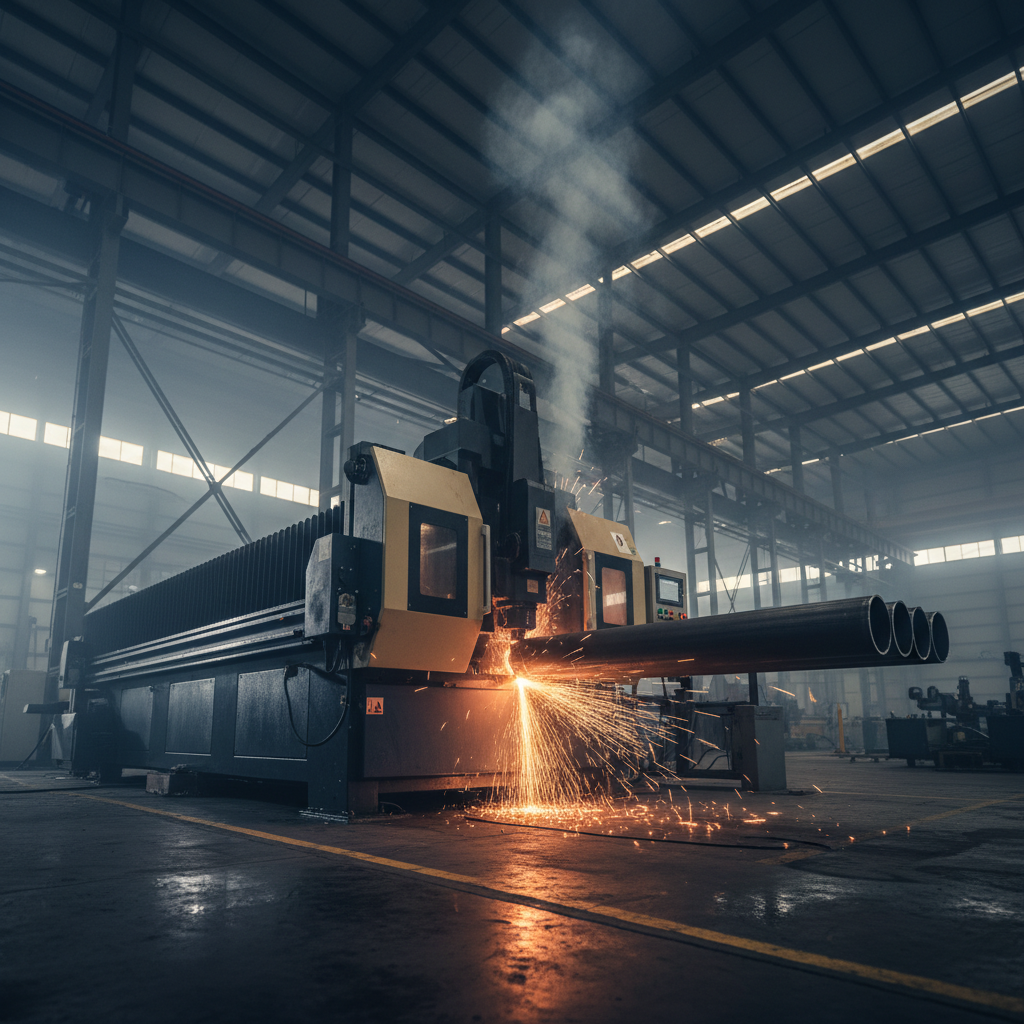
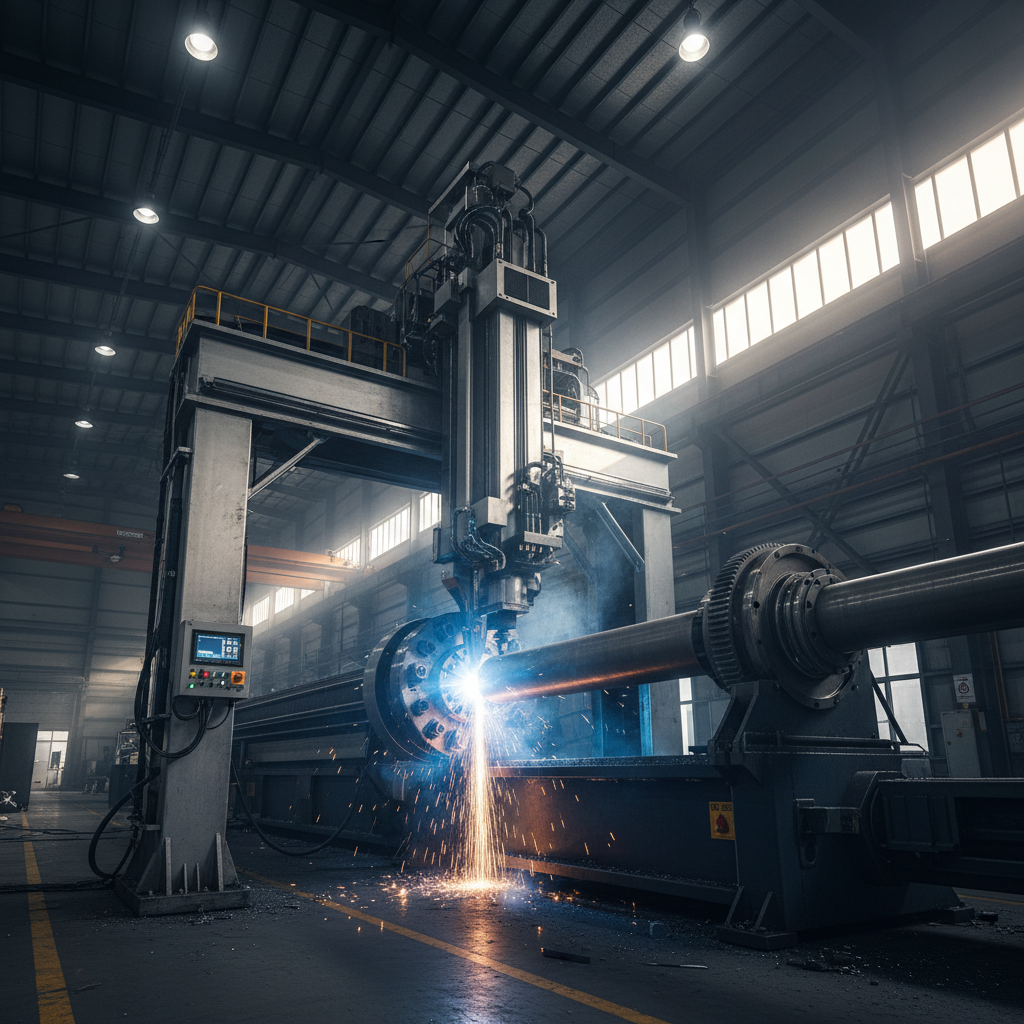
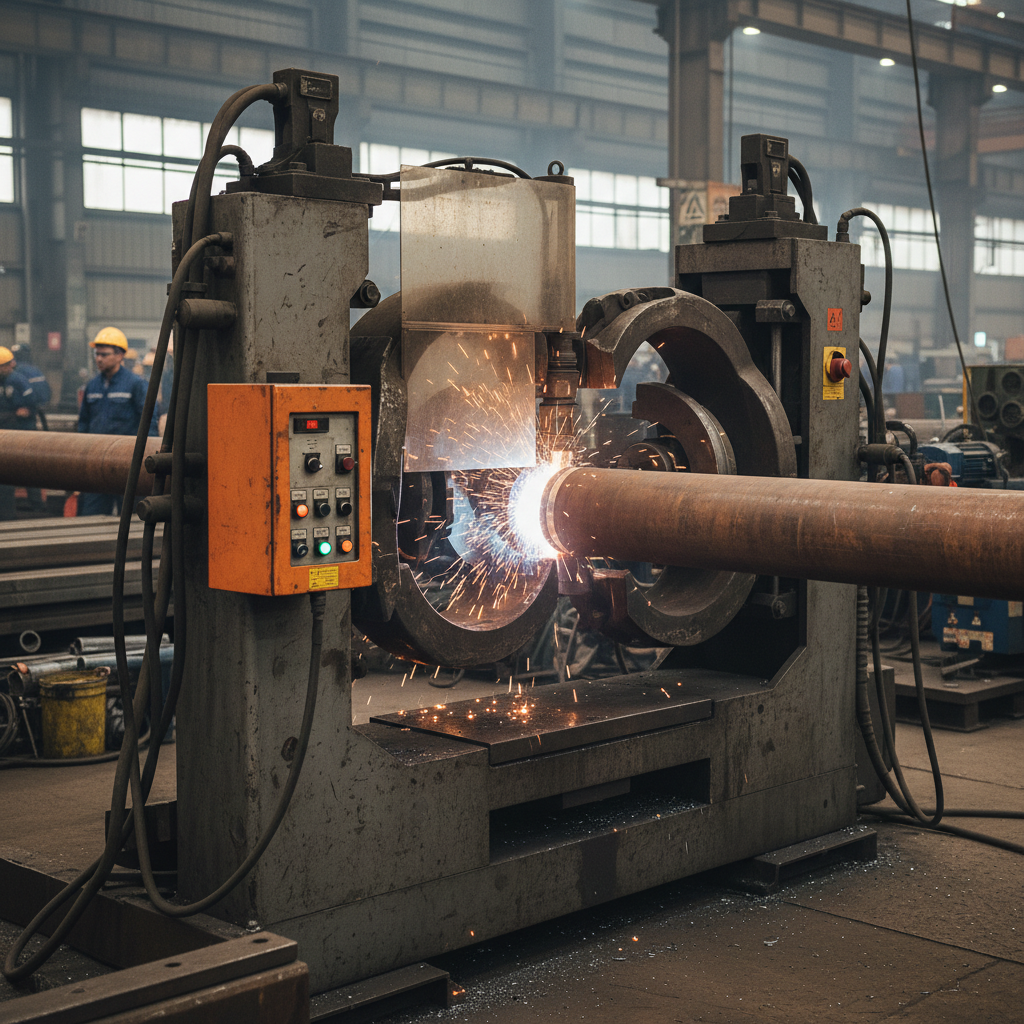
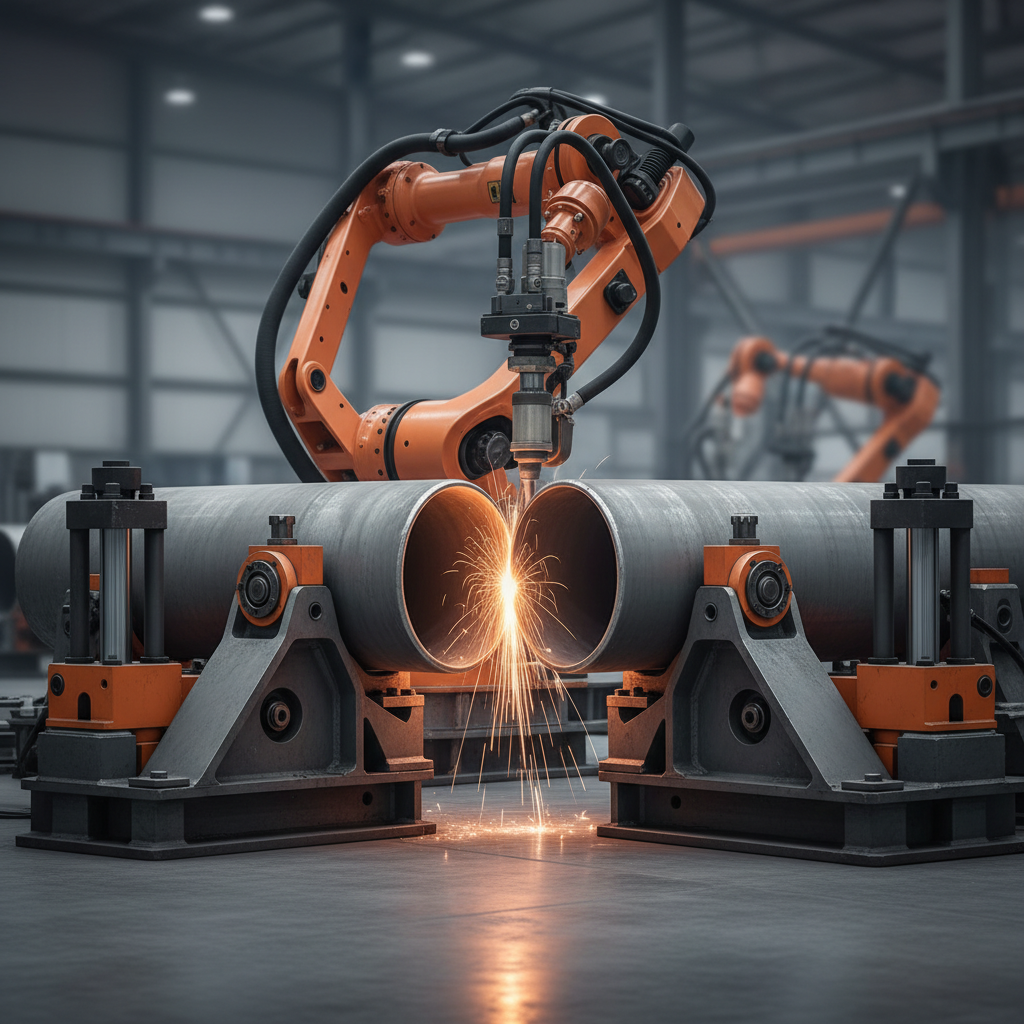
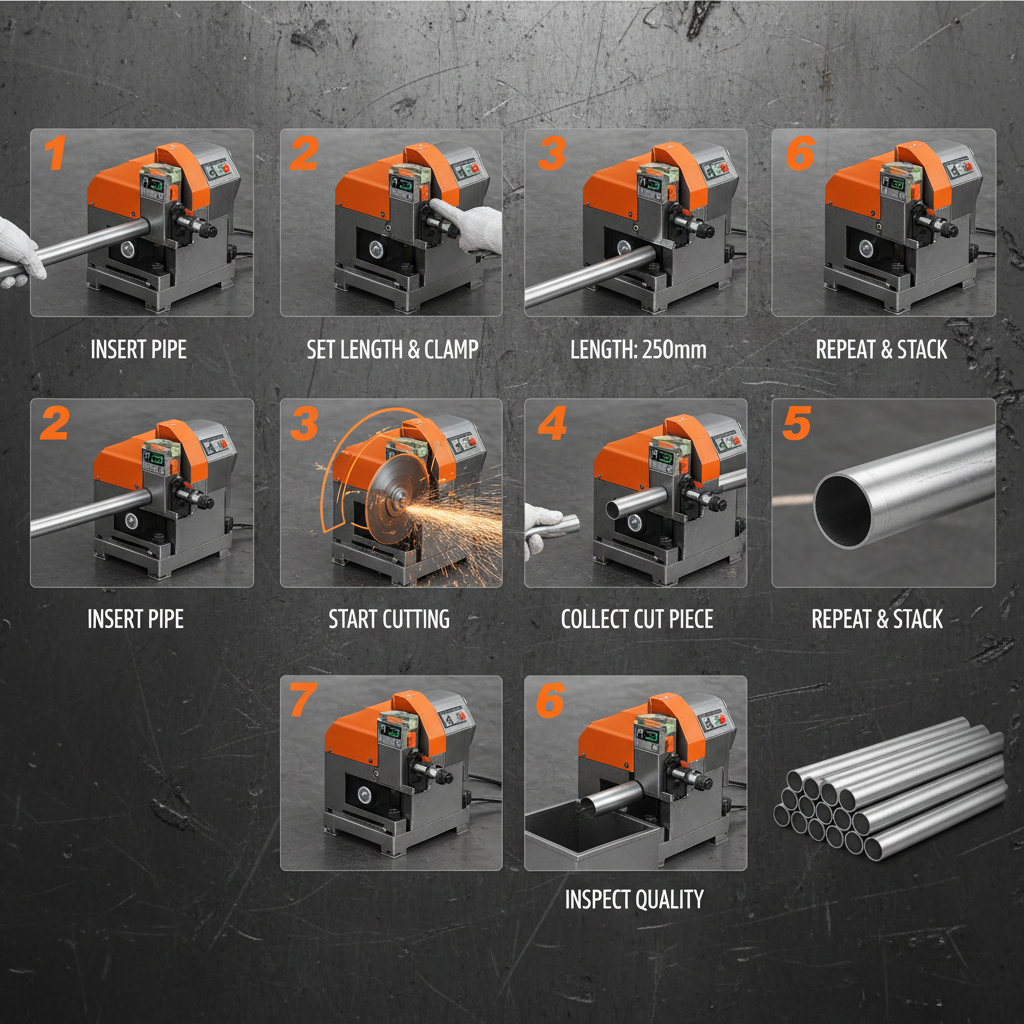
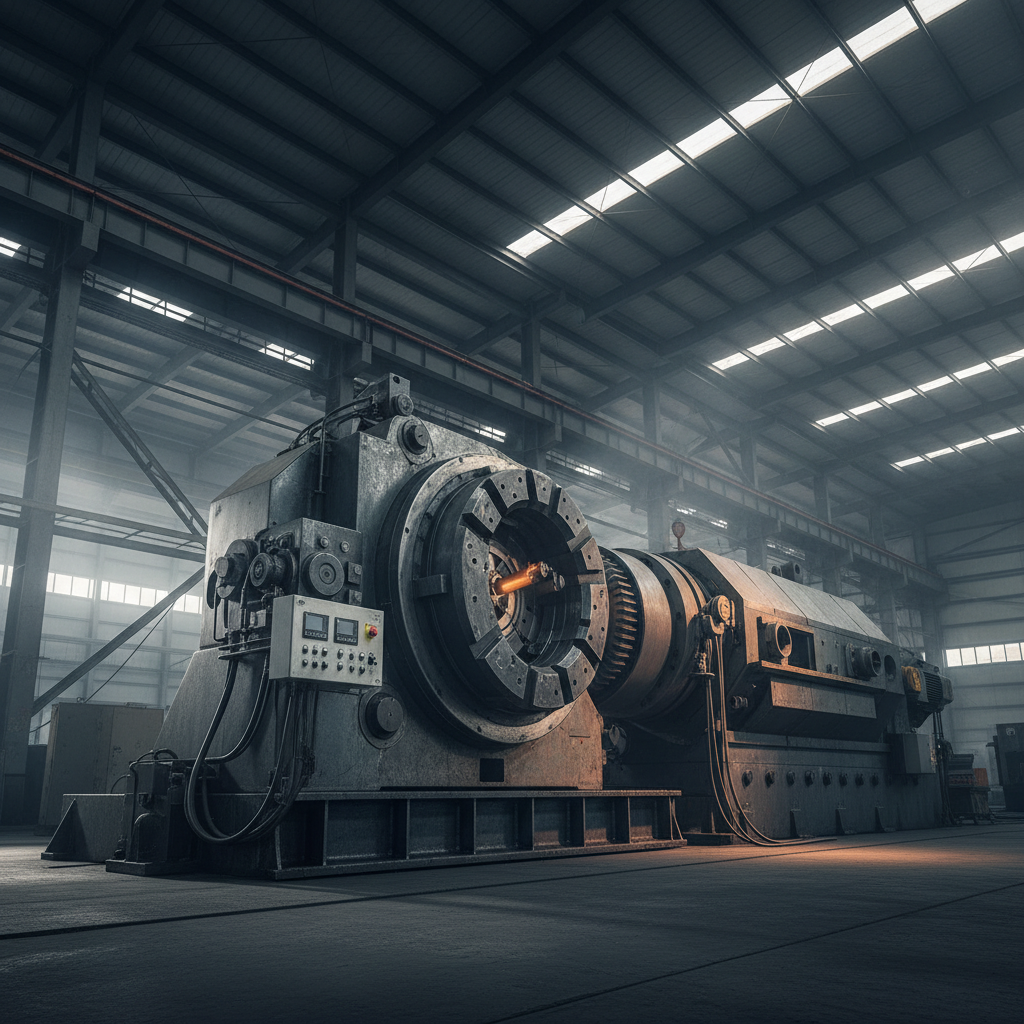
The demand for efficient and precise metal fabrication is surging globally, driving innovation in technologies like the metal pipe laser cutting machine. These machines offer unparalleled accuracy, speed, and versatility in processing a wide range of pipe materials – from steel and aluminum to stainless steel and alloys. This technological advancement is crucial for industries needing complex geometries, intricate designs, and high-volume production, impacting everything from construction and automotive to aerospace and energy.
The importance of the metal pipe laser cutting machine extends beyond mere manufacturing efficiency. Its ability to minimize material waste, reduce labor costs, and create repeatable, high-quality results directly addresses sustainability concerns and improves overall profitability. As industries increasingly prioritize lean manufacturing principles and strive for optimized resource utilization, laser cutting is becoming an indispensable component of modern production processes.
Understanding the capabilities, applications, and advancements in metal pipe laser cutting machine technology is vital for businesses seeking a competitive edge. It allows for better informed investment decisions, streamlined workflows, and the ability to meet the increasingly complex demands of today's markets.
Introduction to Metal Pipe Laser Cutting Machine
The metal pipe laser cutting machine represents a significant advancement in metal fabrication technology. It utilizes a focused laser beam to cut through various types of metal pipes with exceptional precision and speed. Unlike traditional cutting methods that rely on mechanical force, laser cutting is a non-contact process, minimizing material deformation and producing clean, burr-free edges. This is especially important for applications demanding tight tolerances and high-quality finishes.
These machines are designed to handle a wide range of pipe diameters, wall thicknesses, and materials, making them incredibly versatile. Modern metal pipe laser cutting machines are often equipped with advanced features like automated material handling, nesting software, and real-time monitoring systems, further enhancing efficiency and productivity. metal pipe laser cutting machine are at the forefront of this innovation.
Global Relevance and Industry Context
The global metal fabrication market is experiencing steady growth, fueled by expanding infrastructure development, increasing demand from the automotive and aerospace industries, and the rising adoption of automation technologies. According to a report by the World Bank, global manufacturing output is projected to increase by [insert statistic] in the next five years, creating a greater need for efficient and precise metal cutting solutions. The metal pipe laser cutting machine is ideally positioned to capitalize on this trend.
The need for accurate and efficient pipe cutting is particularly acute in regions undergoing rapid urbanization and infrastructure projects. Developing economies in Asia, Africa, and Latin America are investing heavily in pipelines for oil, gas, water, and sewage, driving demand for metal pipe laser cutting machines. The ISO 9001 certification increasingly demanded by international clients pushes manufacturers to adopt consistently high-quality processes, which laser cutting facilitates.
One significant challenge in the metal fabrication industry is the need to reduce material waste and improve sustainability. Traditional cutting methods often generate significant scrap, contributing to environmental concerns and increasing production costs. Metal pipe laser cutting machine technology offers a solution by optimizing material utilization and minimizing waste, aligning with the growing global emphasis on circular economy principles.
Defining Metal Pipe Laser Cutting Machine Technology
A metal pipe laser cutting machine is a computer-controlled manufacturing process that utilizes a high-powered laser to cut metal pipes. The laser beam precisely melts, burns, or vaporizes the material along a programmed path. These machines generally employ either CO2 lasers, fiber lasers, or crystal lasers, each with its own strengths and weaknesses depending on the material being cut and the desired cutting speed and quality.
The core components of a metal pipe laser cutting machine include the laser source, a beam delivery system (typically mirrors and lenses), a cutting head, a CNC (Computer Numerical Control) system, and a motion control system. The CNC system interprets the design files and directs the laser beam to cut the pipe according to the specified parameters.
This technology directly addresses the limitations of traditional pipe cutting methods, such as sawing, plasma cutting, and flame cutting. Laser cutting offers superior precision, smoother edges, minimal heat-affected zones, and the ability to cut complex shapes and intricate designs that are difficult or impossible to achieve with other methods. It’s a crucial component of modern manufacturing, impacting industries ranging from aerospace to medical device fabrication.
Key Factors Influencing Performance
Several key factors influence the performance and efficiency of a metal pipe laser cutting machine. The first is the laser power, which directly impacts the cutting speed and the thickness of the material that can be processed. Higher power lasers are necessary for cutting thicker materials and achieving faster production rates.
Secondly, beam quality plays a vital role in achieving precise cuts with minimal distortion. A tighter, more focused beam delivers higher energy density, resulting in cleaner cuts and reduced heat-affected zones. Cutting gas assistance is also crucial, with different gases (oxygen, nitrogen, argon) used depending on the material being cut to optimize the process and prevent oxidation or contamination.
Metal Pipe Laser Cutting Machine: Performance Metrics
Real-World Applications and Use Cases
Metal pipe laser cutting machines find widespread applications across diverse industries. In the construction sector, they are used to fabricate structural steel components, handrails, and support brackets with precision and efficiency. The automotive industry utilizes them for exhaust systems, chassis parts, and roll cages.
The aerospace industry relies on the technology for creating lightweight and high-strength components, such as tubing for aircraft structures and engine parts. In the oil and gas industry, metal pipe laser cutting machines are crucial for fabricating pipelines, fittings, and other essential infrastructure components. The ability to produce complex geometries with tight tolerances makes them indispensable.
Advantages and Long-Term Value Proposition
The advantages of employing a metal pipe laser cutting machine extend far beyond simple cost savings. The precision and accuracy achievable with laser cutting minimize material waste, reduce rework, and improve the overall quality of finished products. This translates directly into lower production costs and increased profitability. Furthermore, the speed and efficiency of the process allow for faster turnaround times and increased production capacity.
Investing in a metal pipe laser cutting machine offers long-term value by enhancing a company’s competitive advantage. The ability to deliver high-quality products quickly and efficiently allows businesses to respond rapidly to changing market demands and capture new opportunities. The reduced labor requirements and optimized material utilization contribute to a more sustainable and environmentally responsible manufacturing process.
Future Trends and Innovations in Metal Pipe Laser Cutting
The future of metal pipe laser cutting is focused on several key areas of innovation. Fiber laser technology is continuously advancing, offering increased power, improved beam quality, and greater efficiency. Automation and robotics are becoming increasingly integrated into the process, enabling fully automated material handling and cutting operations.
Artificial intelligence (AI) is being used to optimize cutting parameters, predict potential issues, and improve overall process control. Digital twin technology is emerging as a powerful tool for simulating cutting processes and optimizing machine performance. The integration of these technologies promises to further enhance the precision, efficiency, and cost-effectiveness of metal pipe laser cutting.
FAQS
Most metal pipes are compatible, including carbon steel, stainless steel, aluminum, and alloy steel. The optimal laser parameters and cutting gas will vary depending on the material composition and thickness. Fiber lasers generally provide the most versatile solution, handling a broad range of metals effectively.
Cutting speed varies widely based on material thickness, laser power, and cutting parameters. Generally, thinner materials cut much faster; a 2mm steel pipe could be cut at 15-20 meters per minute, while a 6mm pipe might be cut at 8-12 meters per minute. Higher power lasers and optimized settings increase speed.
Regular maintenance is crucial for optimal performance. This includes cleaning lenses and mirrors, checking and replacing laser sources as needed, maintaining the cooling system, and inspecting the CNC system. Preventative maintenance schedules recommended by the manufacturer should be followed diligently.
Laser cutting offers superior precision, cleaner cuts, and a smaller heat-affected zone compared to plasma cutting. While plasma cutting is generally faster for very thick materials, laser cutting excels in accuracy, intricate designs, and materials requiring minimal distortion. Laser cutting also generally produces less dross and requires less post-processing.
Laser cutting machines produce intense laser radiation, requiring strict safety protocols. This includes wearing appropriate laser safety glasses, ensuring the machine is properly enclosed, and following all manufacturer’s safety guidelines. Proper ventilation is also essential to remove fumes and particles generated during the cutting process.
CAD/CAM software is essential for designing and programming the cutting paths. Popular choices include AutoCAD, SolidWorks, and specialized laser cutting software like CypCut or LightBurn. These programs allow for precise control over cutting parameters, nesting optimization, and automated operation of the machine.
Conclusion
The metal pipe laser cutting machine has revolutionized metal fabrication, offering unparalleled precision, efficiency, and versatility. Its ability to minimize waste, reduce costs, and deliver high-quality results makes it an indispensable tool for a wide range of industries. The ongoing advancements in laser technology, automation, and AI promise to further enhance its capabilities and expand its applications.
Investing in a metal pipe laser cutting machine is not merely acquiring a piece of equipment; it’s investing in a competitive advantage. As manufacturing continues to evolve, businesses that embrace these cutting-edge technologies will be best positioned to thrive in the global marketplace. To learn more about how a metal pipe laser cutting machine can benefit your operations, visit our website: www.xhequipment.com.