0%

Table of Contents

The field of pipe fabrication and installation relies heavily on efficient and precise joining methods. A pipe groove cutting machine represents a significant advancement in achieving these goals, offering a robust and reliable alternative to traditional methods like welding or threading. This technology is crucial for industries ranging from oil and gas to water treatment and construction, streamlining operations and enhancing the integrity of piping systems globally.

The global demand for robust and efficient piping systems is continuously increasing, driven by infrastructure development, urbanization, and growing industrial needs. According to the World Bank, investments in infrastructure are crucial for sustainable development, and reliable pipe joining techniques are paramount to the success of these projects. The pipe groove cutting machine addresses the challenges of labor-intensive processes, inconsistent weld quality, and the need for faster, more dependable installations.

The increasing focus on sustainability and safety further underscores the importance of advanced pipe joining technologies. Compared to welding, grooving often requires less energy and produces fewer emissions, aligning with global efforts to reduce carbon footprints. Furthermore, the inherent strength and reliability of grooved joints contribute to safer and more durable infrastructure, minimizing the risk of leaks and failures in critical applications.
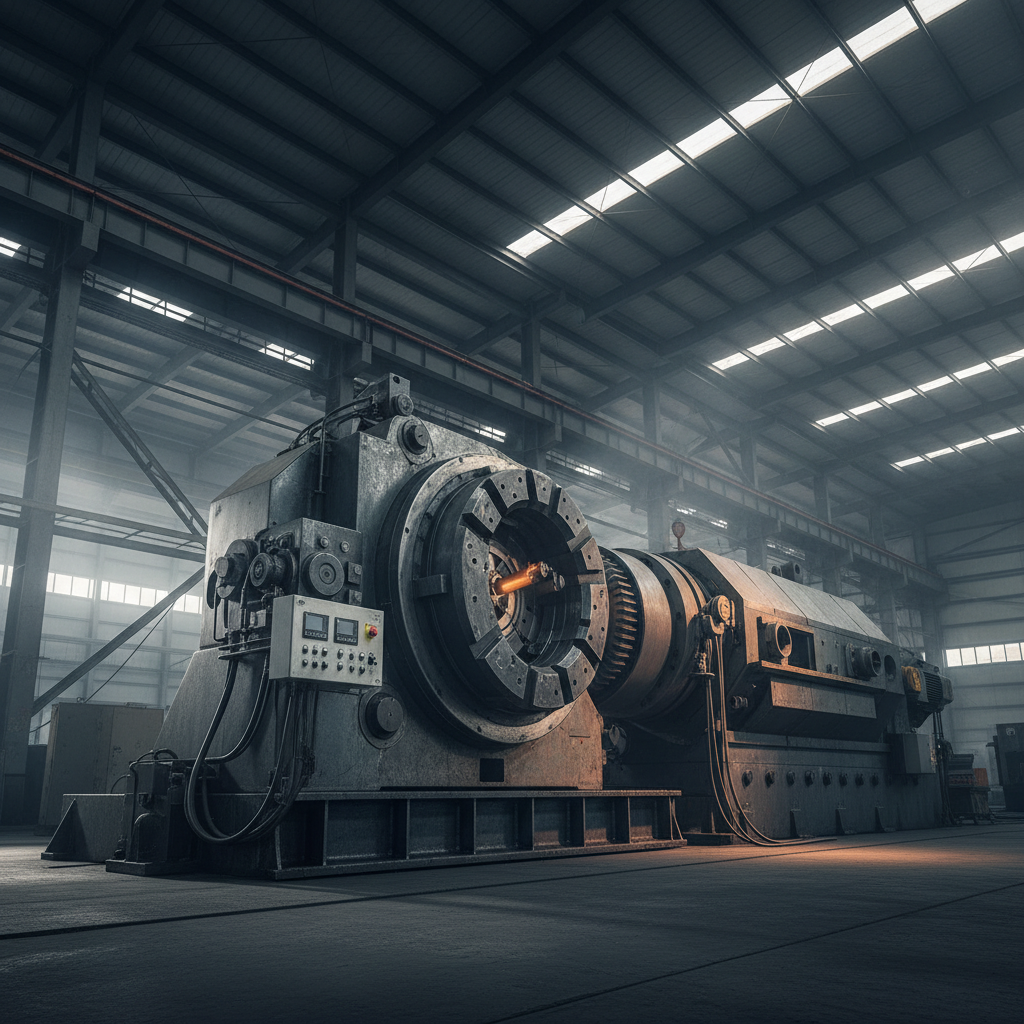
Advancements in Pipe Fabrication Utilizing Pipe Groove Cutting Machine Technology

Introduction to Pipe Groove Cutting Machines

Advancements in Pipe Fabrication Utilizing Pipe Groove Cutting Machine Technology

A pipe groove cutting machine is a specialized tool designed to create precise grooves on the outer diameter of pipes, preparing them for mechanical joining with couplings. This method offers a significant advantage over traditional joining techniques in terms of speed, reliability, and safety, making it an indispensable asset in modern piping systems.

These machines are utilized across a diverse range of applications, from large-scale infrastructure projects to intricate industrial installations. They provide a consistent, high-quality groove, ensuring a secure and leak-proof connection when combined with appropriate grooved end couplings. The efficiency gains from using these machines translate directly into reduced project timelines and lower overall costs.

Defining the Pipe Groove Cutting Machine

At its core, a pipe groove cutting machine is a precision tool engineered to rapidly and accurately cut grooves into the outside of metal pipes. These grooves are then used to house mechanical couplings, providing a strong, leak-proof joint without the need for welding or threading. This method is favored for its speed, reliability, and ease of use.

The utilization of a pipe groove cutting machine directly contributes to increased efficiency in pipe fabrication and installation processes. It eliminates the need for skilled welders in many applications, reduces the risk of human error, and allows for faster project completion times.

Modern pipe groove cutting machines are often designed with portability in mind, enabling on-site grooving of pipes, which is particularly valuable in remote or confined spaces. This capability drastically reduces the logistical challenges associated with pre-fabricated piping systems, allowing for greater flexibility in project planning and execution.

Core Components and Operational Principles

The fundamental components of a pipe groove cutting machine typically include a robust frame, a cutting head with replaceable blades, a pipe clamping mechanism, and a drive system (often electric or pneumatic). The frame provides stability during operation, while the cutting head precisely shapes the groove.

The operational principle involves securely clamping the pipe within the machine, positioning the cutting head at the desired groove location, and activating the drive system. The cutting head then rotates, gradually removing material and forming the precise groove dimensions. Modern machines often feature automatic feed mechanisms and adjustable cutting depths for optimal precision and efficiency.

Different types of machines cater to various pipe sizes and materials. Some are designed for cold cutting, utilizing specialized blades to minimize heat-affected zones, while others employ abrasive cutting wheels for harder materials. Selecting the appropriate machine and cutting parameters is crucial for achieving optimal groove quality and ensuring a reliable joint.

Key Performance Indicators of Pipe Groove Cutting Machines

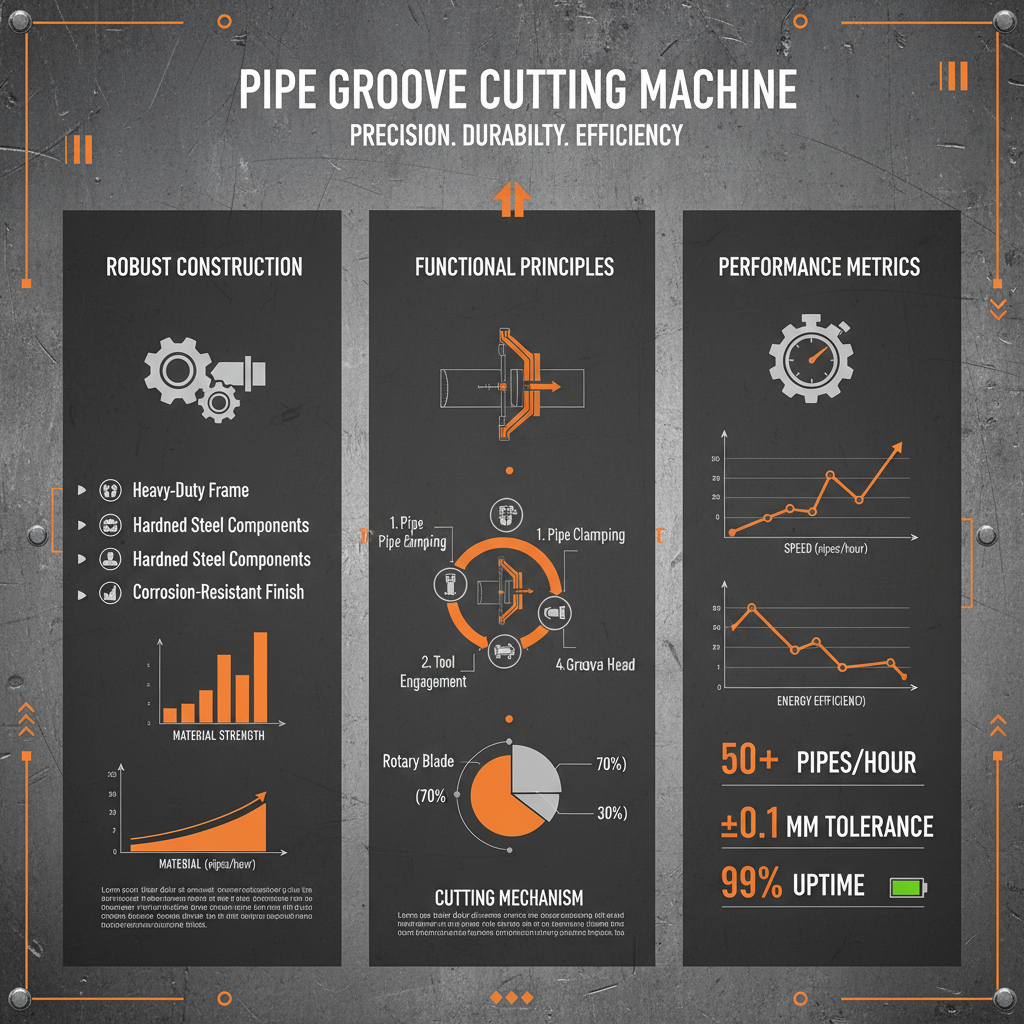
Evaluating the performance of a pipe groove cutting machine involves considering several key indicators. Groove accuracy, measured by dimensional tolerances and surface finish, is paramount for ensuring proper coupling fit and leak prevention.

Cutting speed, expressed in grooves per hour, directly impacts project efficiency and cost-effectiveness. Furthermore, machine reliability, assessed through mean time between failures (MTBF), is crucial for minimizing downtime and maintaining productivity.

Pipe Groove Cutting Machine Performance Metrics


Global Applications Across Industries

The application of pipe groove cutting machines is widespread across numerous industries. In the oil and gas sector, these machines are critical for constructing pipelines and refineries, ensuring the safe and efficient transportation of vital resources. Similarly, in the water treatment industry, they play a crucial role in building and maintaining water distribution networks.

Construction projects, particularly large-scale infrastructure developments, benefit significantly from the speed and precision offered by these machines. They are also frequently used in the manufacturing of industrial equipment, HVAC systems, and fire protection systems.

Advantages and Long-Term Value Proposition

The advantages of employing a pipe groove cutting machine extend beyond immediate efficiency gains. The consistency and reliability of grooved joints significantly reduce the risk of leaks and failures, minimizing maintenance costs and enhancing operational safety.

Long-term value is derived from reduced labor costs, faster project completion times, and increased system durability. The environmental benefits, stemming from reduced energy consumption compared to welding, contribute to a more sustainable operation. The enhanced safety profile also protects workers and minimizes potential liabilities.

Furthermore, the ease of disassembly and reassembly of grooved joints facilitates future modifications and repairs, extending the lifespan of the piping system and maximizing return on investment.

Future Trends and Technological Advancements

The future of pipe groove cutting machines is poised for innovation, driven by advancements in automation, materials science, and digital technologies. We can expect to see more sophisticated machines with integrated sensors and data analytics capabilities, enabling real-time monitoring of cutting parameters and predictive maintenance.

The development of new cutting tool materials, offering increased hardness and wear resistance, will further enhance cutting performance and extend blade life. Integration with Building Information Modeling (BIM) software will streamline the design and fabrication process, optimizing material usage and reducing waste.

The push towards sustainable practices will also drive the development of energy-efficient machines and eco-friendly cutting fluids, minimizing the environmental impact of pipe grooving operations.

Summary of Key Considerations for Pipe Groove Cutting Machine Selection

Pipe Material Compatibility Pipe Diameter Range Portability & Setup Time Maintenance Requirements
Carbon Steel 2" - 12" High - Easy to Transport Blade Replacement & Lubrication
Stainless Steel 4" - 24" Moderate - Requires Vehicle Regular Blade Inspection
Copper 1/2" - 4" Very High - Compact Design Minimal - Occasional Cleaning
PVC/CPVC 1" - 8" High - Lightweight Blade Sharpening/Replacement
Alloy Steel 6" - 36" Low - Requires Crane Extensive - Lubrication & Part Replacement
Cast Iron 3" - 18" Moderate - Semi-Portable Regular Blade Inspection & Replacement

FAQS

What are the primary advantages of using a pipe groove cutting machine over traditional welding?

Pipe groove cutting machines offer several advantages over welding, including faster installation times, reduced labor costs, and a more consistent, reliable joint. Welding requires highly skilled labor and is susceptible to human error, potentially leading to weak or leaky welds. Grooving with a machine provides a precise, repeatable groove that ensures a secure mechanical connection, often with superior long-term reliability. Additionally, grooving avoids the heat-affected zone associated with welding, preserving the material properties of the pipe.

What types of pipes are compatible with pipe groove cutting machines?

Most metallic pipes are compatible with pipe groove cutting machines, including carbon steel, stainless steel, copper, and alloy steel. The appropriate cutting tool and machine settings must be selected based on the specific pipe material. While PVC and CPVC can be grooved, specialized machines and blades are often required to prevent cracking or deformation. It’s crucial to consult the machine manufacturer’s guidelines to ensure compatibility and optimal performance for the intended pipe material.

How do I determine the correct groove dimensions for my application?

The correct groove dimensions are determined by the type of coupling being used and the pipe's outer diameter and wall thickness. Coupling manufacturers provide specific groove dimension requirements in their product specifications. It's essential to adhere to these specifications to ensure a proper and leak-proof connection. Many modern pipe groove cutting machines feature adjustable cutting heads that allow for precise groove dimension control.

What maintenance is required for a pipe groove cutting machine?

Regular maintenance is crucial for ensuring the longevity and optimal performance of a pipe groove cutting machine. This typically includes inspecting and replacing cutting blades as they wear, lubricating moving parts, and cleaning the machine to remove debris. It’s also important to check and tighten any loose bolts or fasteners. Refer to the manufacturer’s manual for specific maintenance recommendations and schedules.

Are pipe groove cutting machines safe to operate?

Pipe groove cutting machines, while efficient, require adherence to strict safety protocols. Always wear appropriate personal protective equipment (PPE), including safety glasses, gloves, and hearing protection. Ensure the machine is properly grounded and that the work area is well-ventilated. Never operate the machine without proper training and understanding of its safety features. Always disconnect the power source before performing any maintenance or blade changes.

What is the typical cost range for a pipe groove cutting machine?

The cost of a pipe groove cutting machine varies significantly depending on its size, capacity, features, and level of automation. Smaller, portable machines designed for limited applications can range from $1,000 to $5,000. Larger, more robust machines capable of handling a wider range of pipe sizes and materials can cost upwards of $10,000 or more. Consider your specific needs and budget when selecting a machine.

Conclusion

In conclusion, the pipe groove cutting machine represents a pivotal technology in modern piping systems. Its ability to deliver precise, reliable, and efficient grooving solutions addresses critical needs across diverse industries, offering tangible benefits in terms of cost savings, safety, and sustainability. By streamlining the joining process and minimizing the risk of failures, these machines contribute to the longevity and integrity of essential infrastructure.

Looking ahead, continued innovation in automation, materials science, and digital integration will further enhance the capabilities of pipe groove cutting machines. Embracing these advancements is crucial for organizations seeking to optimize their operations, reduce their environmental footprint, and ensure the long-term reliability of their piping systems. Visit our website at www.xhequipment.com to learn more about our range of pipe groove cutting machine solutions.

James Wilson

James Wilson

James Wilson is a Senior R&D Engineer focused on the development of new automation equipment at Bazhou Xinghua. James brings a wealth of experience in robotics and control systems, having previously worked on cutting-edge automation projects. He joined the team in 2019 and is currently leading the development of next-generation
Previous Revolutionizing Fabrication Modern Pipe Laser Cutting Technology and Applications
Next Advancements in Pipe Extrusion Machine Technology for Modern Infrastructure