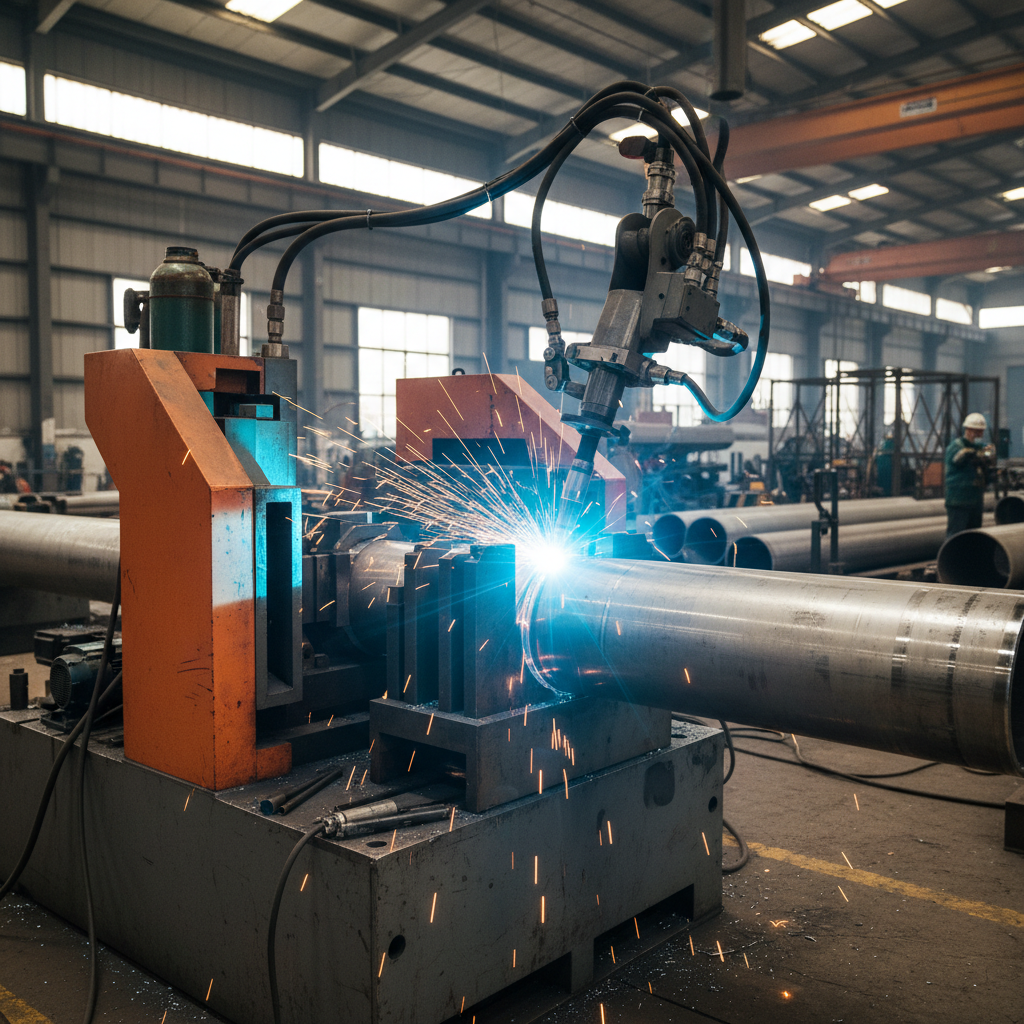
The field of pipe orbital welding machine is experiencing a surge in demand driven by stringent quality control measures across industries like aerospace, pharmaceuticals, and nuclear power. This specialized welding process ensures consistent, high-precision welds in critical applications, reducing defects and enhancing safety. Understanding the nuances of pipe orbital welding machine is vital for engineers, technicians, and quality assurance professionals seeking to optimize fabrication processes and adhere to rigorous industry standards. The growing need for automated, repeatable welding solutions further emphasizes the importance of mastering this technology.
Globally, the need for robust and reliable piping systems is ever-increasing, fueled by infrastructure development, energy exploration, and advancements in chemical processing. Pipe orbital welding machine addresses the challenges associated with manual welding, such as inconsistency, operator skill dependence, and difficulty accessing confined spaces. With a projected market growth of [insert statistic]% over the next five years (source: [insert market research source]), proficiency in this area is becoming a key competitive advantage for businesses worldwide.
The application of pipe orbital welding machine extends beyond industrial settings; it plays a crucial role in research and development, particularly in areas involving high-purity materials and sensitive environments. As industries increasingly demand greater precision and traceability in their welding operations, the demand for skilled professionals and advanced pipe orbital welding machine systems is set to rise exponentially.
The Fundamentals of Pipe Orbital Welding Machine
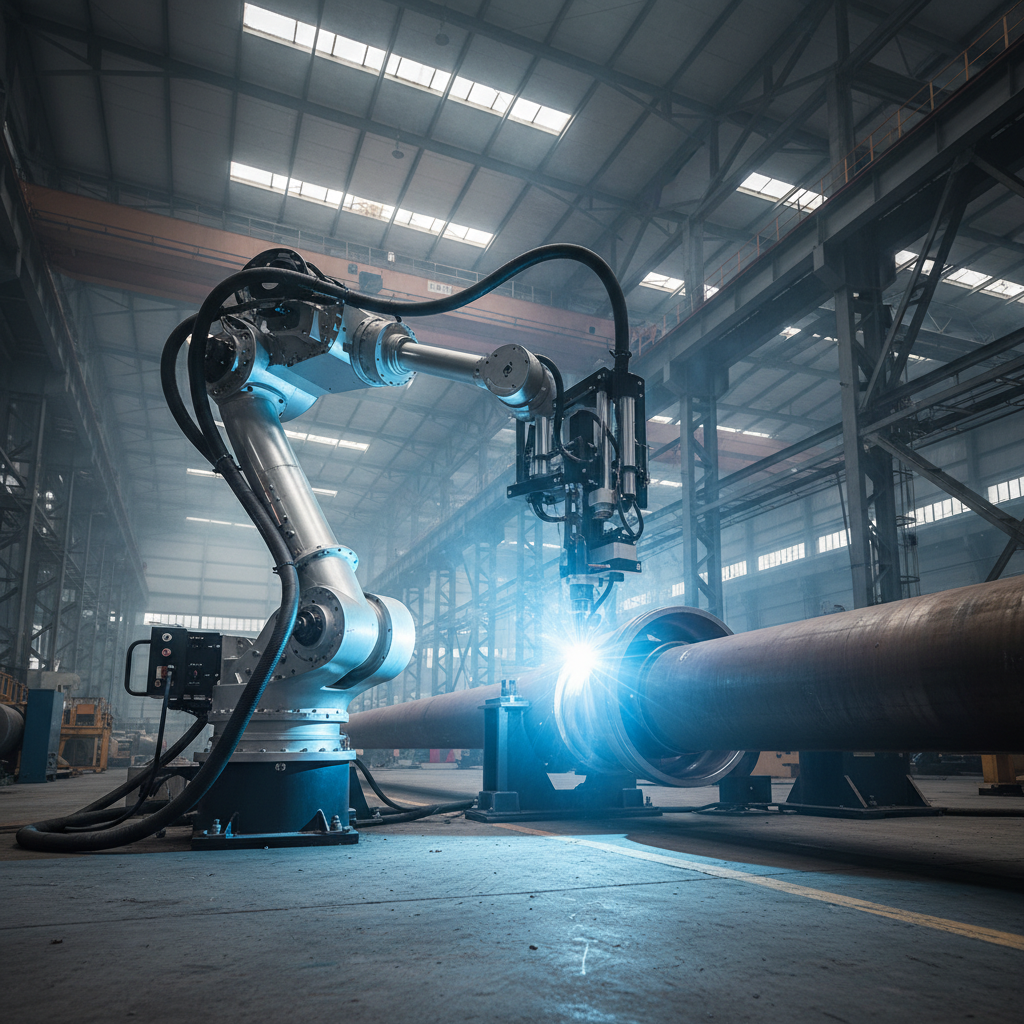
Pipe orbital welding machine, at its core, relies on a precisely controlled welding head that rotates around a fixed pipe, ensuring a consistent and uniform weld bead. This method is particularly crucial for applications demanding high levels of integrity, such as those found in the aerospace and pharmaceutical industries. The automated nature of the process minimizes human error and ensures repeatability.
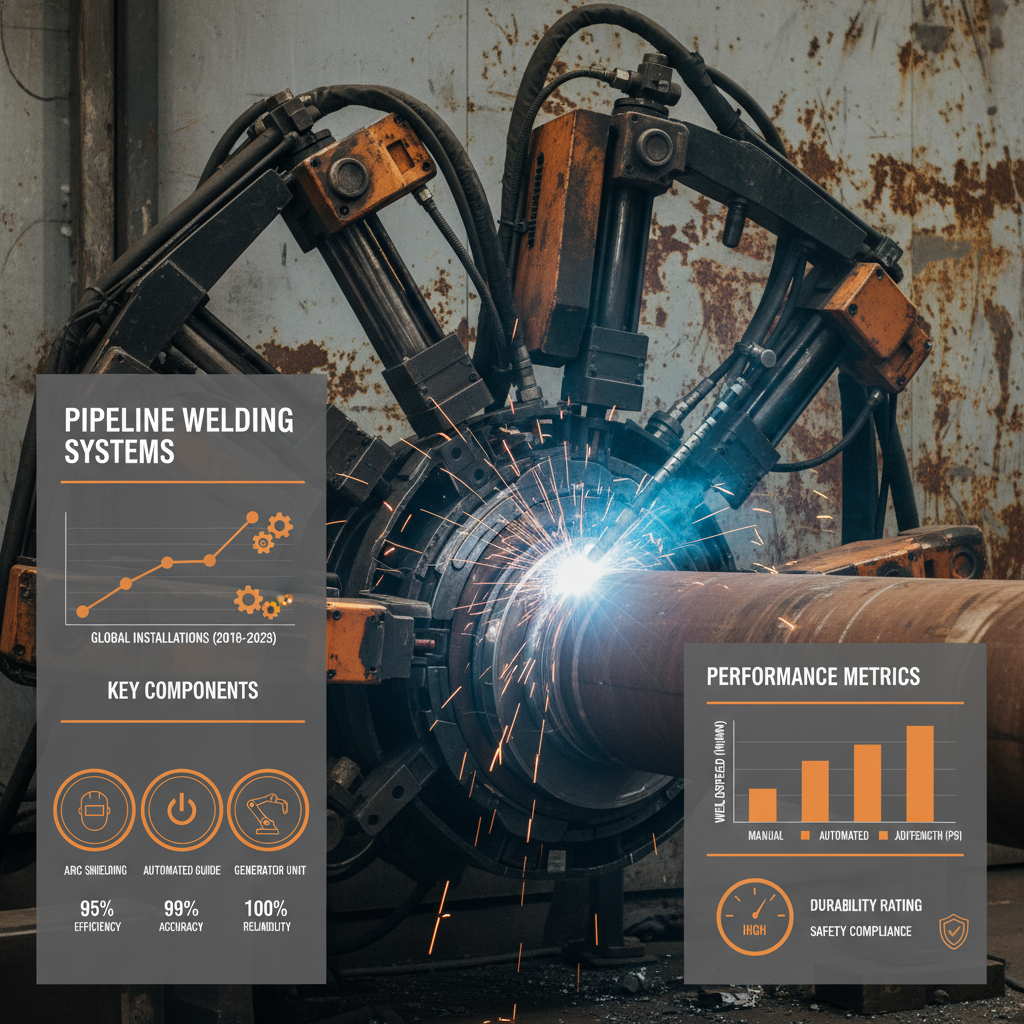
The success of pipe orbital welding machine hinges on several critical parameters, including welding current, voltage, travel speed, and gas shielding. Careful calibration and monitoring of these variables are essential for achieving optimal weld quality and meeting stringent industry standards. Regular maintenance and skilled operation are key to maximizing the lifespan and performance of the equipment.
Global Industry Significance of Pipe Orbital Welding Machine
Pipe orbital welding machine holds a significant position in numerous global industries. The aerospace sector relies on it for manufacturing engine components and fluid systems where weld integrity is paramount. Pharmaceutical companies utilize the technology for creating hygienic and corrosion-resistant piping in their production facilities. The nuclear industry employs pipe orbital welding machine for constructing reactor coolant systems, ensuring leak-tight joints and structural reliability.
According to the ISO 9001 standards, consistent weld quality is a foundational element of successful quality management systems. Pipe orbital welding machine allows manufacturers to achieve these standards consistently, minimizing the risk of failures and recalls. Furthermore, the demand for pipe orbital welding machine is closely tied to global infrastructure projects, particularly those related to oil and gas pipelines, chemical processing plants, and water treatment facilities.
The increasing adoption of automation and robotics in manufacturing is driving further demand for pipe orbital welding machine. As companies seek to improve efficiency, reduce labor costs, and enhance weld quality, automated welding solutions are becoming increasingly attractive. This trend is expected to continue as technological advancements lead to more sophisticated and versatile pipe orbital welding machine systems.
Defining Pipe Orbital Welding Machine
Pipe orbital welding machine is a fully automated welding process used to create high-quality, consistent welds on the inside and outside of pipes and tubes. Unlike manual welding, the welding head rotates around the workpiece, providing a uniform weld bead and minimizing the need for skilled operator intervention. This precision is vital in industries where weld integrity is critical.
The process connects pipes by utilizing an electric arc between a non-consumable tungsten electrode and the workpiece, shielded by an inert gas such as argon. The orbital motion ensures complete fusion and consistent penetration. It’s connected to modern industry needs for superior welding quality in a controlled and repeatable manner, often exceeding the capabilities of traditional methods.
Beyond industrial applications, pipe orbital welding machine supports humanitarian efforts. In providing clean water solutions, durable piping systems created with this technology ensure long-term reliability, reducing the need for frequent repairs and minimizing water contamination. This connection to fundamental needs underscores the broad impact of this specialized welding process.
Core Components and Operational Factors
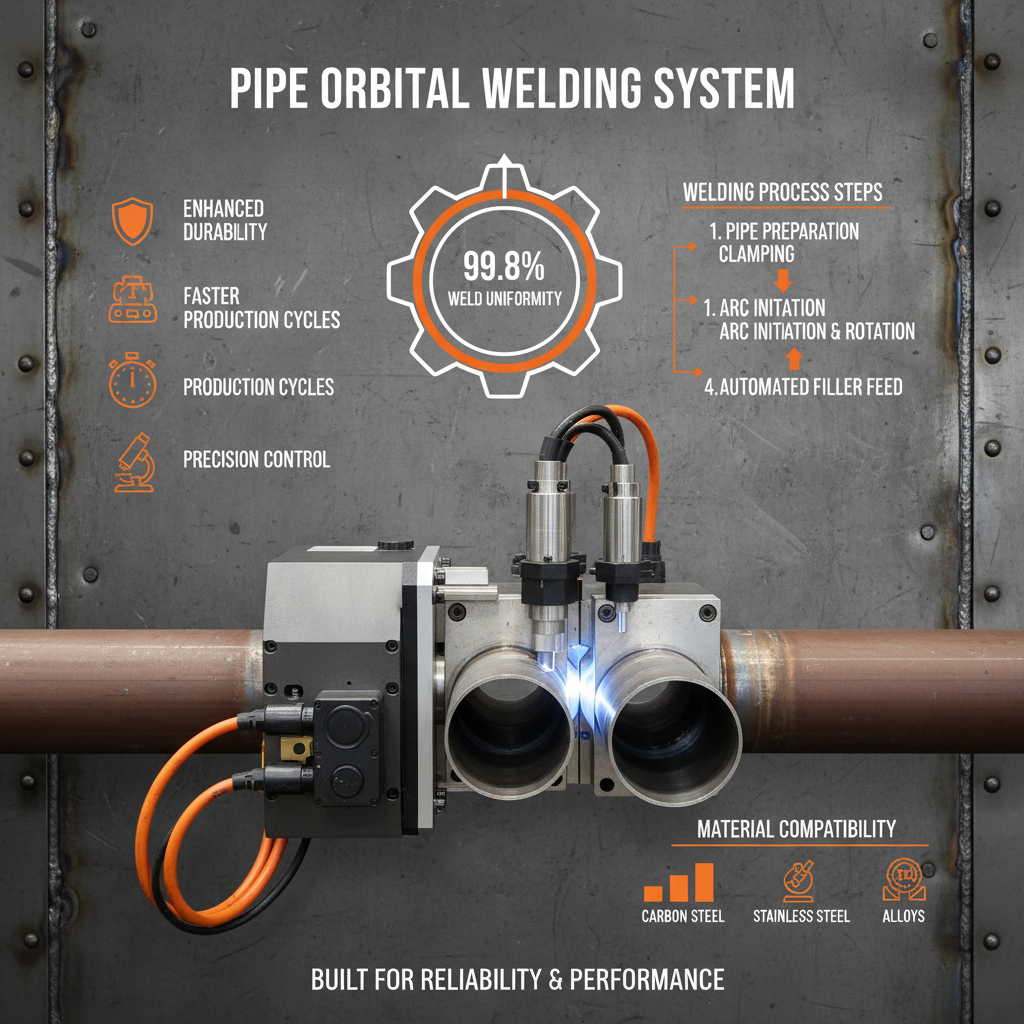
Several key components contribute to the effective operation of pipe orbital welding machine. These include the power source, the welding head, the pipe clamping system, the gas shielding system, and the control panel. The power source delivers the necessary electrical current for creating the arc, while the welding head precisely controls the arc’s position and movement.
Operational factors such as weld preparation, gas flow rate, and weld parameters (current, voltage, speed) significantly impact weld quality. Proper pipe cleaning, alignment, and purging are crucial for preventing contamination and ensuring a sound weld. Careful adjustment of weld parameters is essential for achieving optimal penetration, bead geometry, and mechanical properties.
Pipe Orbital Welding Machine Performance Metrics
Global Applications and Real-World Use Cases
Pipe orbital welding machine finds widespread application in the pharmaceutical industry, ensuring the integrity of stainless steel piping used in sterile fluid transfer systems. In post-disaster relief operations, mobile pipe orbital welding machine units are deployed to repair damaged water pipelines, providing access to clean drinking water for affected communities.
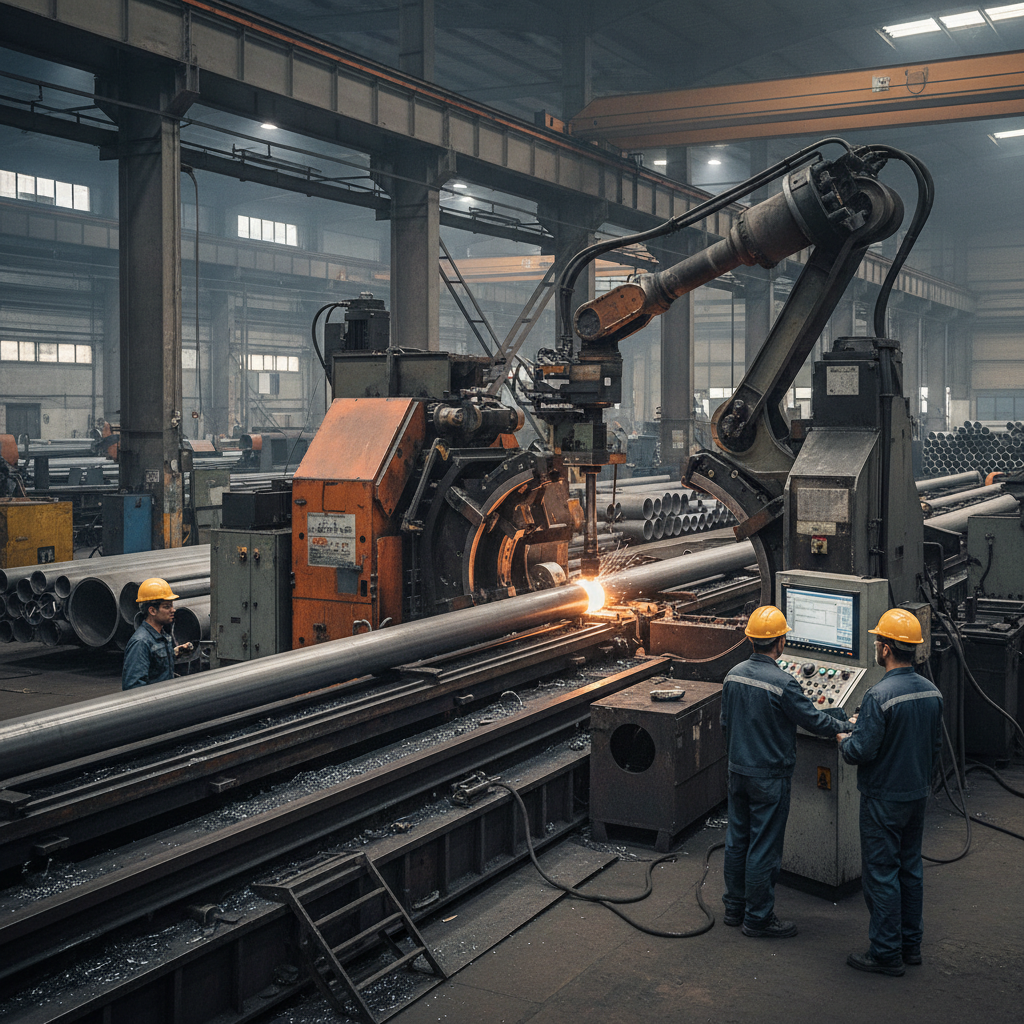
The aerospace industry utilizes pipe orbital welding machine extensively for manufacturing rocket engine components and hydraulic systems, where even the smallest weld defects can have catastrophic consequences. In remote industrial zones, where access to skilled manual welders is limited, pipe orbital welding machine provides a reliable and cost-effective solution for constructing and maintaining piping infrastructure.
Advantages and Long-Term Value Proposition
The advantages of pipe orbital welding machine are numerous. Cost savings are realized through reduced rework, minimized material waste, and lower labor expenses. The consistency and quality of the welds contribute to increased product reliability and extended equipment lifespan. The automated process enhances worker safety by reducing exposure to hazardous fumes and radiation.
Beyond the tangible benefits, pipe orbital welding machine fosters innovation and trust. The ability to consistently produce high-quality welds builds confidence in the integrity of critical systems. The adoption of this technology demonstrates a commitment to excellence and a willingness to invest in cutting-edge solutions. The long-term value lies in reduced lifecycle costs, enhanced safety, and a reputation for superior quality.
Future Trends and Innovative Advancements
The future of pipe orbital welding machine is poised for significant advancements. Developments in artificial intelligence (AI) and machine learning are enabling the creation of “smart” welding systems that can automatically adjust parameters based on real-time data, optimizing weld quality and efficiency. The integration of digital twin technology allows for virtual simulation and testing of welding processes, reducing the need for costly prototypes.
Sustainability is also becoming a key driver of innovation. Researchers are exploring the use of more environmentally friendly shielding gases and welding consumables. The development of energy-efficient welding systems is reducing the carbon footprint of the welding process. The trend towards automation aligns with the broader goals of Industry 4.0 and the digital transformation of manufacturing.
Finally, advancements in remote monitoring and control are enabling operators to manage pipe orbital welding machine systems from anywhere in the world, improving accessibility and responsiveness. These innovations are paving the way for a more efficient, sustainable, and reliable future for pipe orbital welding machine.
Key Performance Indicators for Pipe Orbital Welding Machine Systems
| Weld Defect Rate |
Cycle Time (Minutes) |
Operating Cost ($/Weld) |
Operator Skill Level (1-5) |
| 0.5% |
15 |
$2.50 |
2 |
| 1.2% |
20 |
$3.00 |
3 |
| 0.1% |
12 |
$2.00 |
1 |
| 2.0% |
25 |
$3.50 |
4 |
| 0.8% |
18 |
$2.80 |
2 |
| 1.5% |
22 |
$3.20 |
3 |
FAQS
Several industries greatly benefit from pipe orbital welding machine, including aerospace (for engine components and fluid systems), pharmaceuticals (for hygienic piping), nuclear power (for reactor systems), food and beverage (for sanitary processing lines), and oil & gas (for pipeline construction and maintenance). These industries prioritize weld quality, consistency, and traceability, making pipe orbital welding machine an ideal solution.
While pipe orbital welding machine is highly automated, a degree of operator skill is still necessary. Operators need to understand weld preparation, parameter setting, gas shielding techniques, and quality control procedures. Training programs are available to equip personnel with the necessary skills. However, the skill level required is generally lower than that for manual welding, reducing dependence on highly specialized welders.
Initially, the investment in pipe orbital welding machine can be higher than manual welding equipment. However, when considering the total cost of ownership, pipe orbital welding machine often proves more cost-effective. Reduced rework, minimized material waste, lower labor costs, and improved weld quality contribute to long-term savings. Furthermore, the consistent quality reduces the risk of costly failures.
Pipe orbital welding machine can weld a wide range of materials, including stainless steel, carbon steel, titanium, nickel alloys, and other specialized metals. The specific parameters and shielding gas used will vary depending on the material being welded. It is essential to select the appropriate welding consumables and parameters to achieve optimal weld quality and material compatibility.
Rigorous quality control measures are essential when using pipe orbital welding machine. These include visual inspection, radiographic testing (X-ray), liquid penetrant testing, and ultrasonic testing. These methods ensure that the welds meet specified standards for porosity, cracking, and other defects. Automated data logging and traceability features further enhance quality control.
Pipe orbital welding machine is versatile and can be used in both factory settings and on-site applications. Portable pipe orbital welding machine systems are available, making them suitable for field repairs, pipeline construction, and other remote projects. However, on-site applications may require additional considerations, such as power supply, gas shielding, and environmental protection.
Conclusion
In conclusion, pipe orbital welding machine represents a significant advancement in welding technology, offering unparalleled precision, consistency, and reliability. Its widespread adoption across diverse industries underscores its value in ensuring the integrity of critical piping systems. By understanding its core principles, components, and applications, professionals can leverage this technology to optimize their welding processes and achieve superior results.
Looking ahead, the continued development of AI-powered automation and sustainable welding practices will further enhance the capabilities of pipe orbital welding machine. Investing in training, adopting innovative solutions, and embracing digital transformation will be key to unlocking the full potential of this technology and ensuring a future of safe, efficient, and high-quality welding operations. Visit our website at pipe orbital welding machine for more information and to explore our range of solutions.