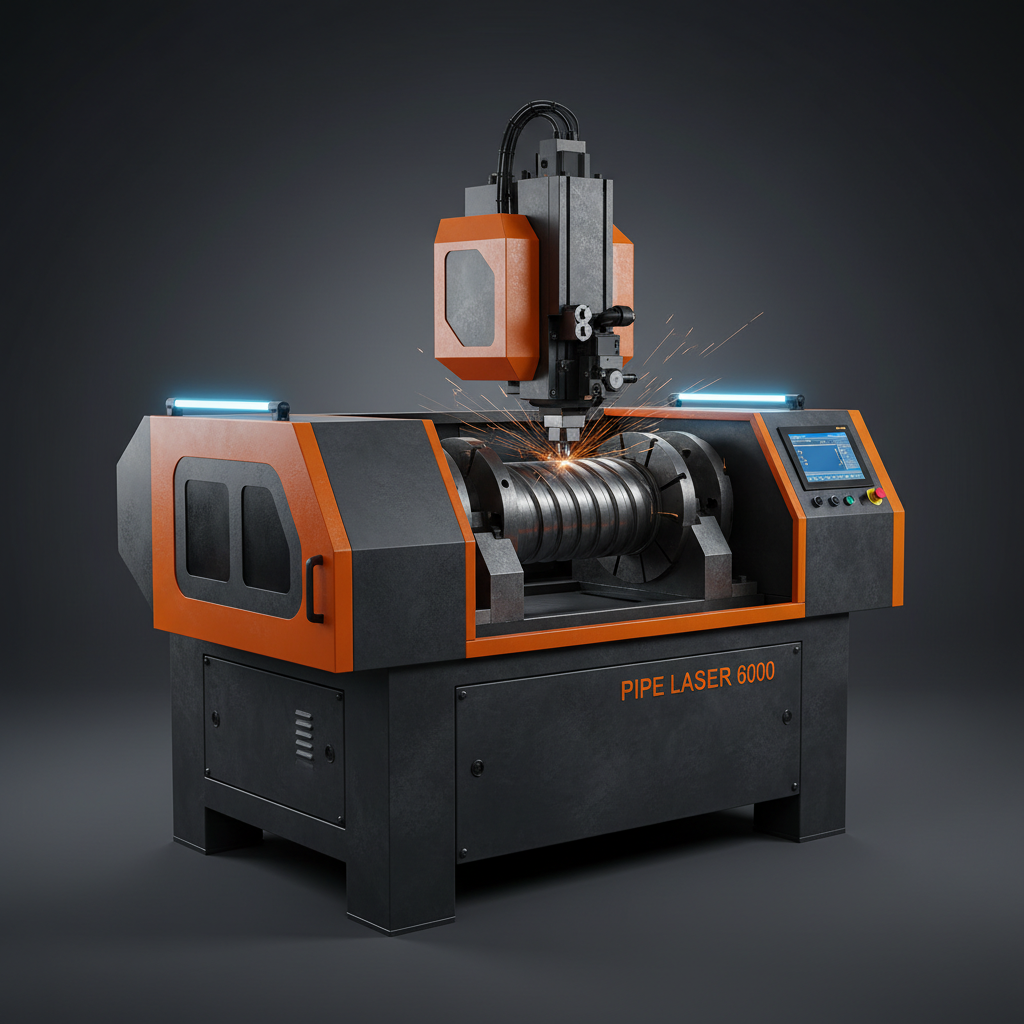
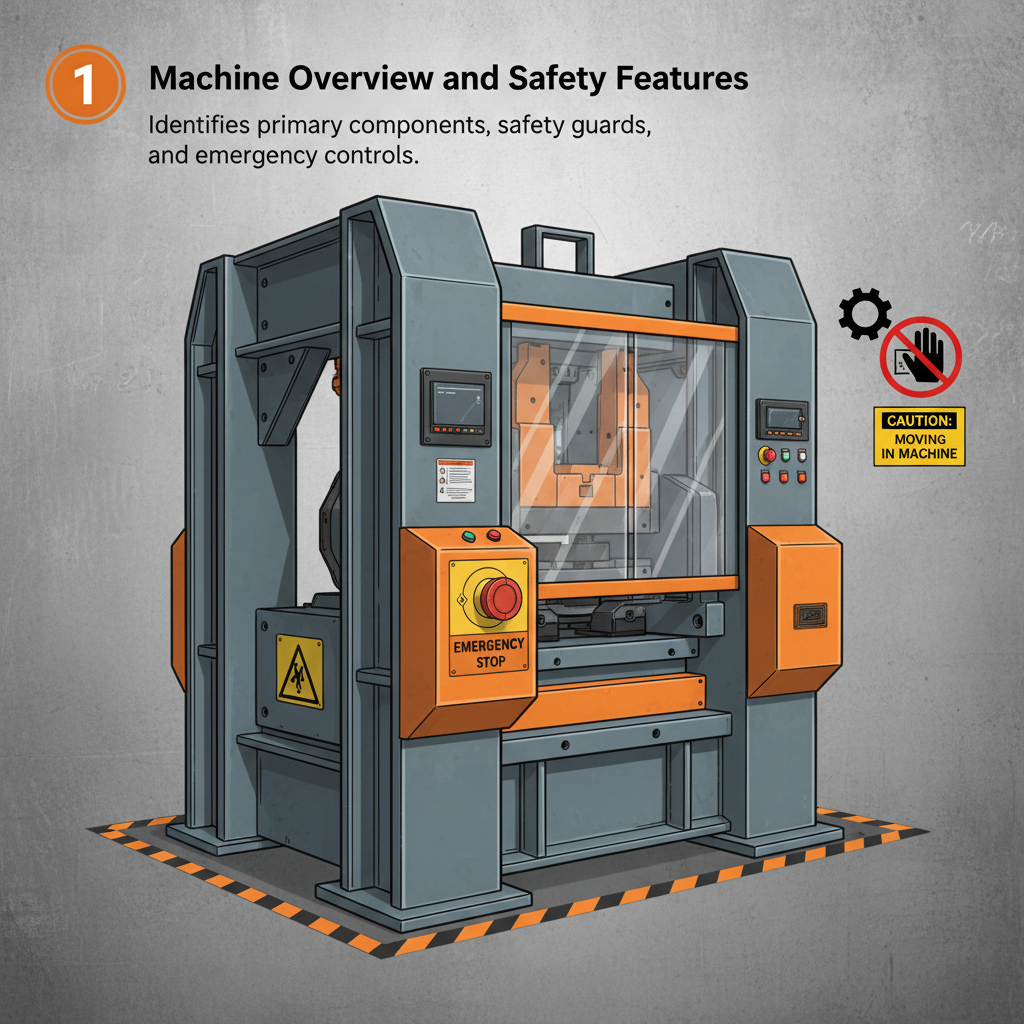
Roll forming tube technology represents a cornerstone of modern manufacturing, impacting industries from construction and automotive to aerospace and renewable energy. This innovative process allows for the continuous bending of metal sheets into a desired cross-sectional profile, offering a cost-effective and efficient solution for producing a wide array of tubular products. Understanding the intricacies of roll forming tube is crucial for engineers, designers, and business leaders seeking to optimize production processes and explore new material applications.
The global demand for roll forming tube is steadily increasing, driven by factors like rapid urbanization, infrastructure development, and the growing need for lightweight and high-strength materials. According to recent market analysis, the roll forming industry is projected to reach significant growth in the coming years, presenting substantial opportunities for innovation and expansion. Addressing the challenges of material sourcing, process optimization, and sustainable manufacturing will be key to unlocking the full potential of this technology.
At its core, roll forming tube offers a compelling alternative to traditional tube manufacturing methods like welding or extrusion, reducing material waste, lowering production costs, and enhancing product quality. Its adaptability and scalability make it an ideal choice for both high-volume production runs and customized applications, making it a vital component of countless supply chains worldwide.
Introduction to roll forming tube
Roll forming tube is a specialized type of roll forming process that specifically creates tubular profiles. Unlike standard roll forming, which can produce a variety of shapes, this technique is dedicated to the continuous bending of metal strips into closed sections, forming tubes of various diameters and wall thicknesses. This method is fundamental to producing components used in countless products.
The significance of roll forming tube stems from its ability to consistently deliver high-quality, precision-engineered tubes at a fraction of the cost compared to alternative methods like welding or extrusion. This makes it an indispensable process across numerous industrial sectors, enabling mass production and supporting innovation in diverse applications.
The Roll Forming Process: A Detailed Overview
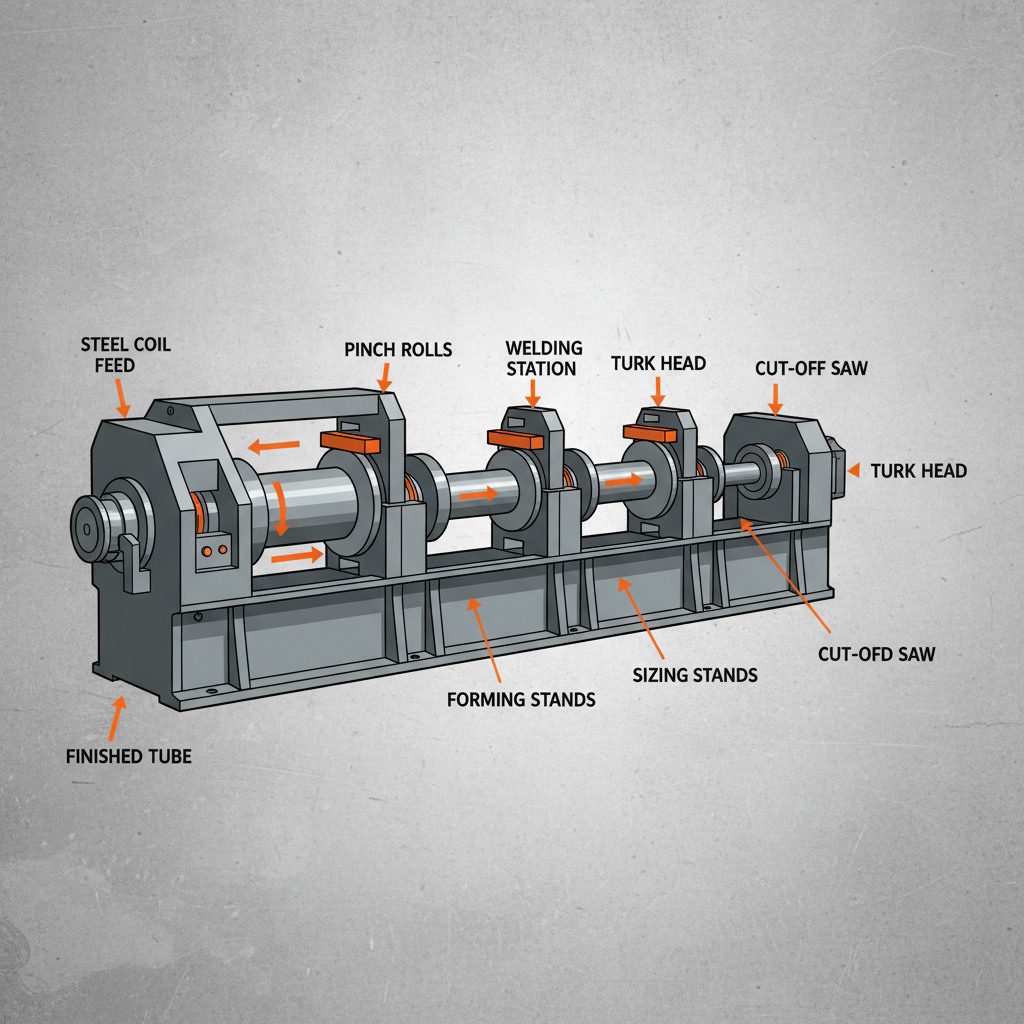
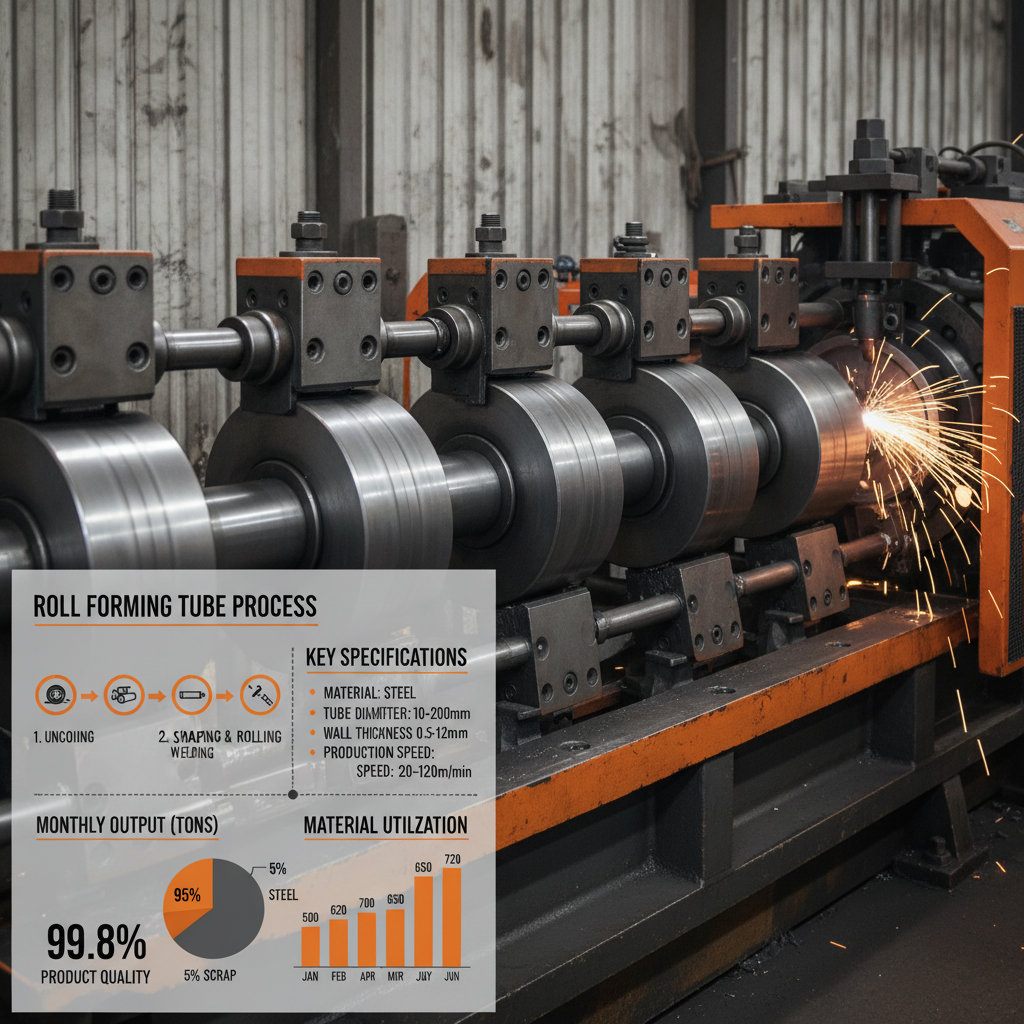
The roll forming process begins with a flat metal coil, which is fed through a series of contoured rollers. Each roller incrementally bends the metal strip closer to the desired final shape. This progressive bending is a key characteristic of roll forming, ensuring a smooth and accurate profile. The number of rollers used can vary depending on the complexity of the tube’s cross-section.
Critical to the process is proper die design, lubrication, and tension control. Precisely engineered dies dictate the shape of the final product, while lubrication reduces friction and prevents material damage. Maintaining consistent tension is vital to prevent deformation and ensure accurate dimensions.
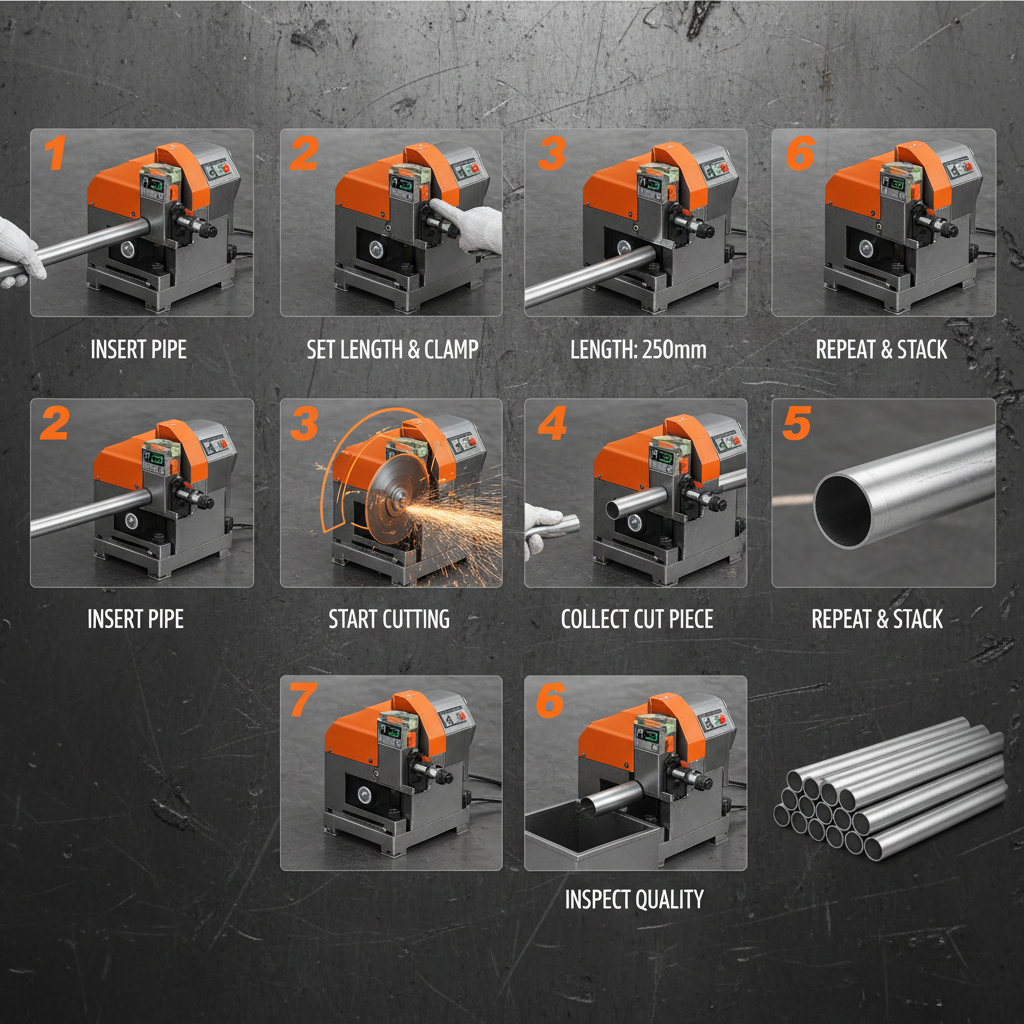
Following the roll forming stage, the tube often undergoes additional processes such as cutting to length, welding (if an open seam is present), and surface finishing. These secondary operations customize the tube to meet specific application requirements, enhancing its functionality and aesthetic appeal.
Key Advantages of roll forming tube
One of the most significant advantages of roll forming tube is its exceptional cost-effectiveness. The continuous nature of the process minimizes material waste and requires less labor compared to traditional tube manufacturing methods, resulting in lower production costs per unit. This advantage is particularly important for high-volume production runs.
The design flexibility offered by roll forming tube is another major benefit. A wide range of shapes, sizes, and materials can be processed, allowing for the creation of custom profiles tailored to specific application needs. This adaptability makes it ideal for both standard and specialized projects.
Furthermore, roll forming tube delivers consistent quality and dimensional accuracy. The precise control over the bending process ensures that each tube meets stringent specifications, minimizing defects and maximizing reliability. This consistency is crucial in applications where performance is critical.
Material Considerations for roll forming tube
Roll forming tube is compatible with a diverse range of materials, each offering unique properties and advantages. Carbon steel is the most commonly used material due to its strength, affordability, and ease of fabrication. However, other materials like stainless steel, aluminum, and galvanized steel are also frequently employed.
The selection of the appropriate material depends heavily on the intended application. Stainless steel is preferred for corrosion resistance, aluminum for lightweight applications, and galvanized steel for outdoor use requiring protection against the elements. Careful consideration of material properties is crucial for ensuring optimal performance and longevity.
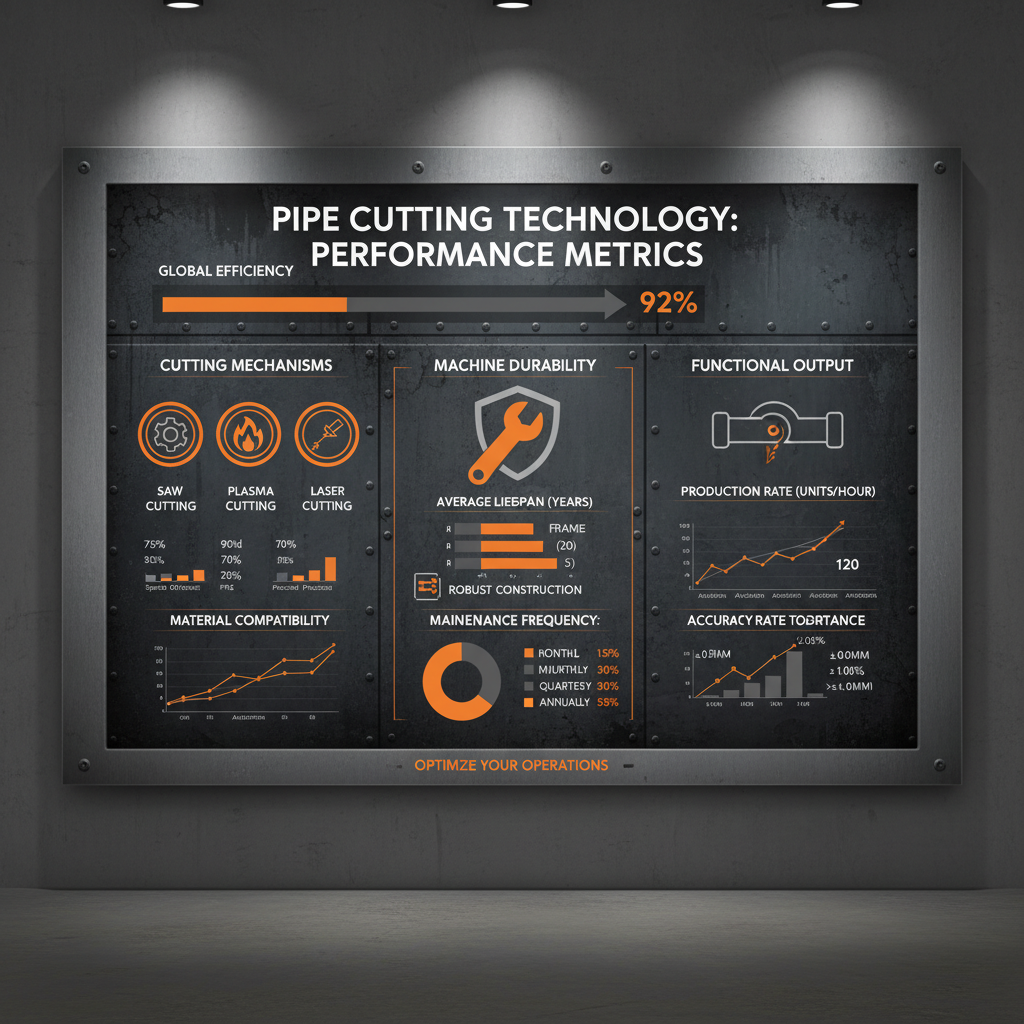
Roll Forming Tube Material Performance
Diverse Applications of roll forming tube
The versatility of roll forming tube extends to a remarkably wide range of industries and applications. In the automotive sector, it’s used extensively in chassis components, exhaust systems, and structural supports, contributing to vehicle safety and fuel efficiency.
Within the construction industry, roll formed tube plays a vital role in structural framing, roofing systems, and fencing, providing robust and cost-effective solutions for building projects. The furniture industry also benefits, utilizing it for chair frames, table legs, and other structural elements.
Cost-Effectiveness and Long-Term Value
The initial cost savings associated with roll forming tube production translate into long-term economic benefits for manufacturers and end-users. Reduced material waste, lower labor costs, and increased production efficiency contribute to a significant return on investment.
Beyond the economic advantages, roll forming tube offers inherent durability and longevity. Properly manufactured tubes can withstand harsh environmental conditions and provide years of reliable performance, minimizing maintenance and replacement costs.
The ability to create lightweight yet strong structures using roll forming tube further enhances its value proposition. This is particularly important in applications where weight reduction is critical, such as in the aerospace and transportation industries.
Future Trends and Innovations in roll forming tube
The future of roll forming tube is poised for significant advancements, driven by emerging technologies and a growing focus on sustainability. Automation and robotics are increasingly being integrated into the process, enhancing precision, efficiency, and reducing labor costs.
The development of new materials, such as high-strength low-alloy steels and advanced polymers, is expanding the application possibilities of roll forming tube. Furthermore, research into innovative die designs and process optimization techniques is continually pushing the boundaries of what can be achieved.
Sustainability is becoming a central focus, with efforts to reduce energy consumption, minimize waste, and develop eco-friendly materials. The adoption of green manufacturing practices will be crucial for ensuring the long-term viability of the roll forming tube industry.
Summary of Key Challenges and Solutions in Roll Forming Tube Production
| Challenge |
Impact on Production |
Proposed Solution |
Implementation Cost (1-10) |
| Die Wear and Tear |
Reduced dimensional accuracy, increased scrap rate |
Use of hardened tool steels and advanced coating techniques |
7 |
| Material Springback |
Inaccurate final tube shape, requiring rework |
Optimized die geometry and controlled tension |
6 |
| Surface Finish Defects |
Compromised aesthetic appeal and corrosion resistance |
Improved lubrication systems and surface pre-treatment |
5 |
| Process Monitoring & Control |
Difficulty maintaining consistent quality |
Implementation of real-time sensor data and automated adjustments |
8 |
| Material Handling Efficiency |
Increased downtime and reduced throughput |
Automated coil handling systems and optimized workflow |
7 |
| Skilled Labor Shortage |
Difficulty operating and maintaining complex equipment |
Comprehensive training programs and knowledge transfer initiatives |
6 |
FAQS
Roll forming tube generally offers higher production speeds, lower material waste, and more consistent dimensional accuracy compared to welded tube. The continuous process reduces the need for welding and associated heat-affected zones, leading to improved mechanical properties. Additionally, roll forming often results in lower overall production costs, particularly for large-volume runs.
A wide range of metals can be used in roll forming tube, including carbon steel, stainless steel, aluminum, and galvanized steel. The choice of material depends on the specific application requirements, such as strength, corrosion resistance, and weight. High-strength low-alloy steels are also becoming increasingly popular for demanding applications.
Material thickness is a critical factor in roll forming. There are practical limits to both the minimum and maximum thickness that can be effectively processed. Generally, thinner materials are easier to form but may lack sufficient strength for certain applications, while thicker materials require more powerful equipment and can be prone to cracking or distortion if not handled properly.
Lead times for custom roll forming tube orders vary depending on the complexity of the profile, the quantity required, and the availability of materials. Typically, lead times range from 4 to 12 weeks, encompassing die design, material procurement, production, and quality control. Clear communication and early planning are essential for managing expectations.
Rigorous quality control measures are implemented throughout the roll forming tube process. These include material inspection, dimensional checks at various stages, visual inspection for surface defects, and mechanical testing to verify strength and durability. Statistical process control (SPC) is often used to monitor and maintain consistent quality.
Emerging applications for roll forming tube include lightweight structural components for electric vehicles, solar panel mounting systems, and specialized tubing for medical devices. The increasing demand for sustainable materials and efficient manufacturing processes is driving innovation and expanding the range of potential applications.
Conclusion
In conclusion, roll forming tube stands as a pivotal manufacturing process, offering a compelling blend of cost-effectiveness, design flexibility, and high-quality output. From automotive and construction to renewable energy and medical applications, its versatility has solidified its role as an indispensable component in countless industries. Understanding the nuances of this process – from material selection to process optimization – is crucial for maximizing its potential and driving innovation.
Looking ahead, the future of roll forming tube is bright, with ongoing advancements in automation, materials science, and sustainability poised to unlock new possibilities. By embracing these innovations and prioritizing responsible manufacturing practices, the industry can continue to deliver superior solutions that meet the evolving needs of a global market. For all your roll forming tube needs, visit our website at www.xhequipment.com.