

Belling Machine—High-Precision, High-Speed, Low Maintenance
What manufacturers really ask me about the belling machine—and what matters in 2025
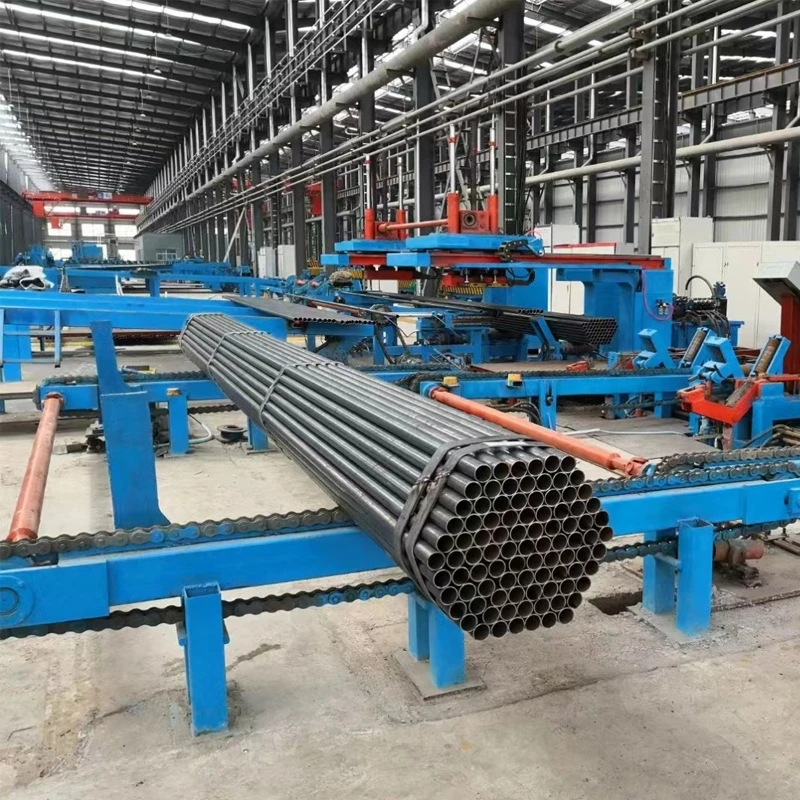
If you’ve walked a pipe plant lately, you’ve felt it: lines are leaner, uptime is king, and nobody wants a finicky socketing station slowing down the whole show. The modern belling machine is no longer just a heater and mandrel—it's part of a synchronized cell with stacking, coding, and packaging. In northern China, one setup that keeps coming up in my notes is XH Equipment’s integrated approach, pairing a robust stacker/palletizer with automated packaging and (optionally) downstream of a belling machine for PVC/PE lines.
Industry trends I’m seeing
- Servo-driven sockets with recipe recall; tighter ΔT control for uniform bells.
- Full automation from pipe feed to wrapped bundle; fewer touches, fewer errors.
- Inline QC—socket OD/ID and insertion depth checks tied to ISO/ASTM joint standards.
- Energy-aware heating tunnels and smarter idle routines (saves a surprising amount).
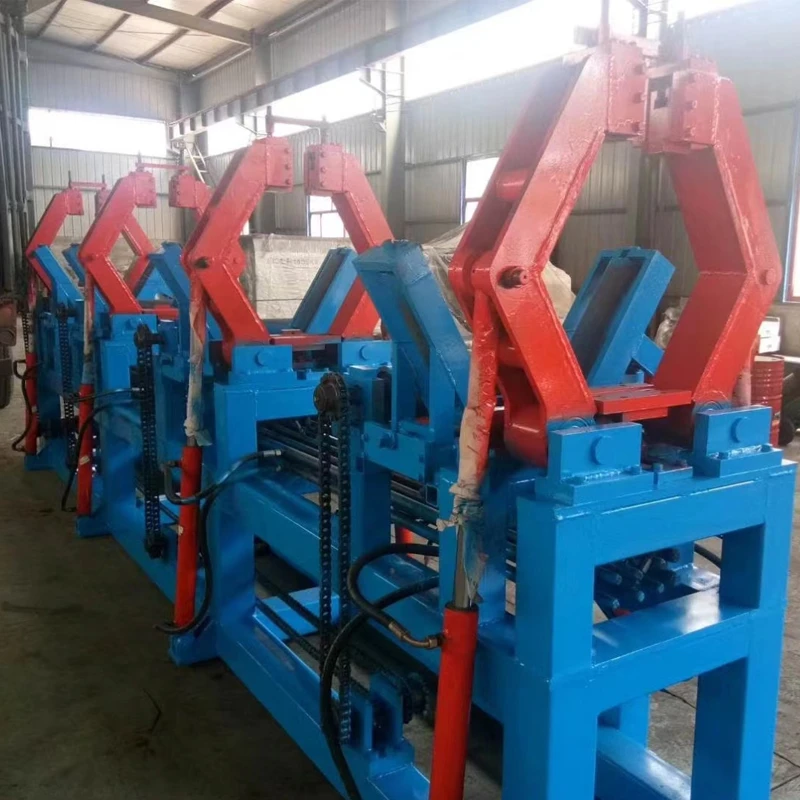
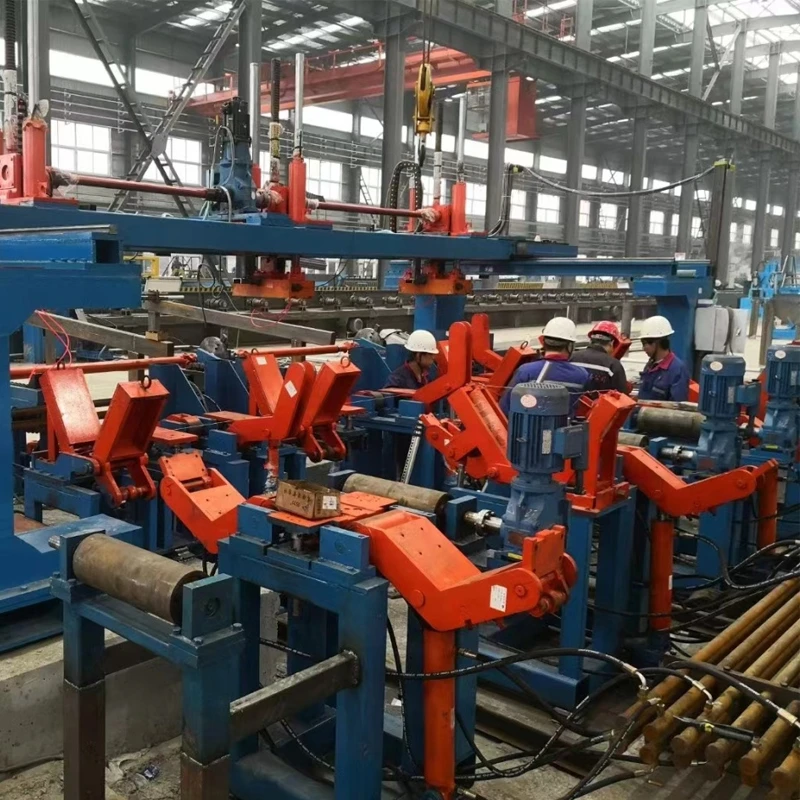
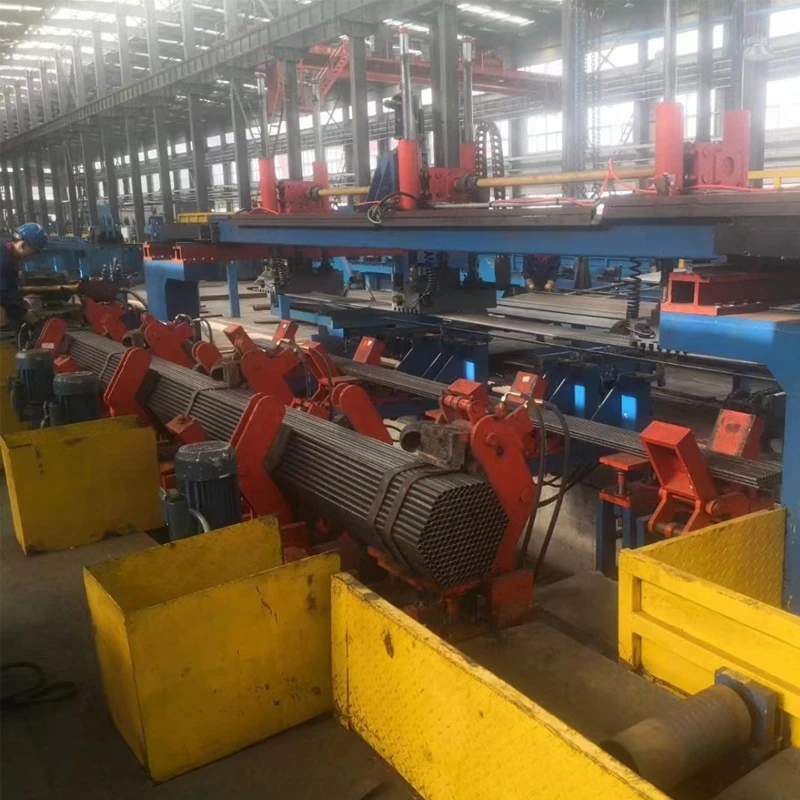
XH Equipment’s “Stacking Machine Products,” built in Liuzhuang Village industrial zone, Chaheji Township, Bazhou City, Hebei, play nicely in that ecosystem. Their fully automated unit evenly feeds steel pipes, uses hydraulic+motor sensing to control palletizing count and shape, then hands off to an automatic packaging head where pretension locks the bundle. On mixed lines, I’ve seen it sit right after a belling machine for plastic pipes or after straight-cut steel tubes—same stacking logic, different parameters.
How the process fits together (materials → methods → test)
- Materials: PVC-U/PP/PE pipes for socketing; steel pipes for palletizing and coding.
- Methods: Heating tunnel, forming mandrel, cooling sleeve (socketing); hydraulic lift + motor-sensed counting (stacking); automated strap with pretension.
- Testing: Socket dimensions and joint integrity vs ISO 1452/ISO 4427/ASTM D3212; elastomer seals per EN 681-1; bundle stability pull tests ≈ 1.5–2.0 kN (real-world may vary).
- Service life: 8–12 years to first major overhaul with preventive maintenance; heaters and belts are typical wear parts.
- Industries: Water/sewer, conduit, gas distribution (PE), structural steel stocking, export packaging.
Typical specifications (stacking + packaging cell)
| Throughput | ≈ 4–12 bundles/hour (depends on pipe OD and recipe) |
| Pipe range | OD 20–630 mm (PVC/PE); steel tube length up to ≈ 12 m |
| Control | PLC + touch HMI; recipe storage; sensor-based counting |
| Power | Main 380–415 V, 50/60 Hz; hydraulic pack as configured |
| Safety | Light curtains, e-stops, interlocks (CE-ready practices) |
For a belling machine paired upstream, you’ll want dual-zone heaters, mandrel change in under 10 minutes, cooling sleeve with laminar flow, and inline OD/ID probes. Many customers say the recipe repeatability is what saves the shift.
Vendor comparison at a glance
| Vendor | Highlights | Throughput | Certs | Lead time |
|---|---|---|---|---|
| XH Equipment (Bazhou, Hebei) | Integrated stacking-packaging; hydraulic+sensor control; custom sizes | Mid–High (line-dependent) | ISO 9001; CE practices | ≈ 6–10 weeks |
| European Brand A | Advanced servo bells; deep diagnostics | High | CE, ISO 12100 | ≈ 12–20 weeks |
| Local OEM B | Budget-focused; basic automation | Low–Mid | Factory QA | ≈ 4–8 weeks |
Customization, feedback, and a quick case
Customization tends to be about pipe length windows, strap tension ranges, and how the stack “shape” is delivered to the packaging head. XH’s team (to be honest, quite hands-on) has tweaked recipes for odd-sized conduit bundles. One Hebei customer reported scrap reduction of ≈ 2.3% after synchronizing the belling machine recipe with the stacker’s count logic—less rework from mis-socketed ends, which surprised their finance folks more than ops.
Quality, testing, and documentation
- Joint integrity tested to ASTM D3212; seal materials per EN 681-1.
- Dimensional checks vs ISO 1452 (PVC-U) and ISO 4427 (PE); SPC charts on OD/ID.
- Machine safety aligned with ISO 12100; e-stops/light curtains verified each shift.
- Typical MTBF on actuators reported around 8,000–12,000 hours; logs vary by plant.
Bottom line: you don’t buy a belling machine in isolation anymore. You buy a reliable cell. If your plant runs mixed materials (steel and plastics) or needs consistent bundle geometry for export, the stacking-packaging integration from Bazhou is worth a look.
Authoritative citations
- ISO 1452: Plastics piping systems for water supply and drainage (PVC-U).
- ISO 4427: Polyethylene (PE) pipes for water supply.
- ASTM D3212: Joints for drain and sewer plastic pipes—leak-resistance.
- EN 681-1: Elastomeric seals—requirements for water and drainage.
- ISO 12100: Safety of machinery—risk assessment and design.
-
High Precision Ridge Cap Roll Forming Machine for Modern RoofingNewsApr.16,2026
-
Professional Ridge Cap Roll Forming Solutions for Metal RoofingNewsApr.09,2026
-
Comprehensive Guide to Ridge Cap Machine Functionality and ApplicationsNewsApr.07,2026
-
Comprehensive Guide to Reidius Roll Forming Machineries and Their Diverse ApplicationsNewsApr.04,2026
-
Comprehensive Guide to Rack Roll Forming Machines for Efficient ProductionNewsMar.31,2026
-
Comprehensive Guide to R Panel Roll Forming Machine Applications and SelectionNewsMar.28,2026
