

High Precision Ridge Cap Roll Forming Machine for Modern Roofing
The Ultimate Guide to Ridge Cap Roll Forming Machine for Modern Roofing
In the competitive world of metal construction, precision and efficiency are the cornerstones of success. A high-quality ridge cap roll forming machine is essential for producing consistent, weather-tight roof peaks that protect structures from the elements. Whether you are a large-scale manufacturer or a specialized contractor, understanding the nuances of roll forming technology can significantly reduce material waste and labor costs. In this comprehensive guide, we will explore how these machines operate, their technical advantages, and how to choose the right equipment to optimize your production line for maximum ROI.
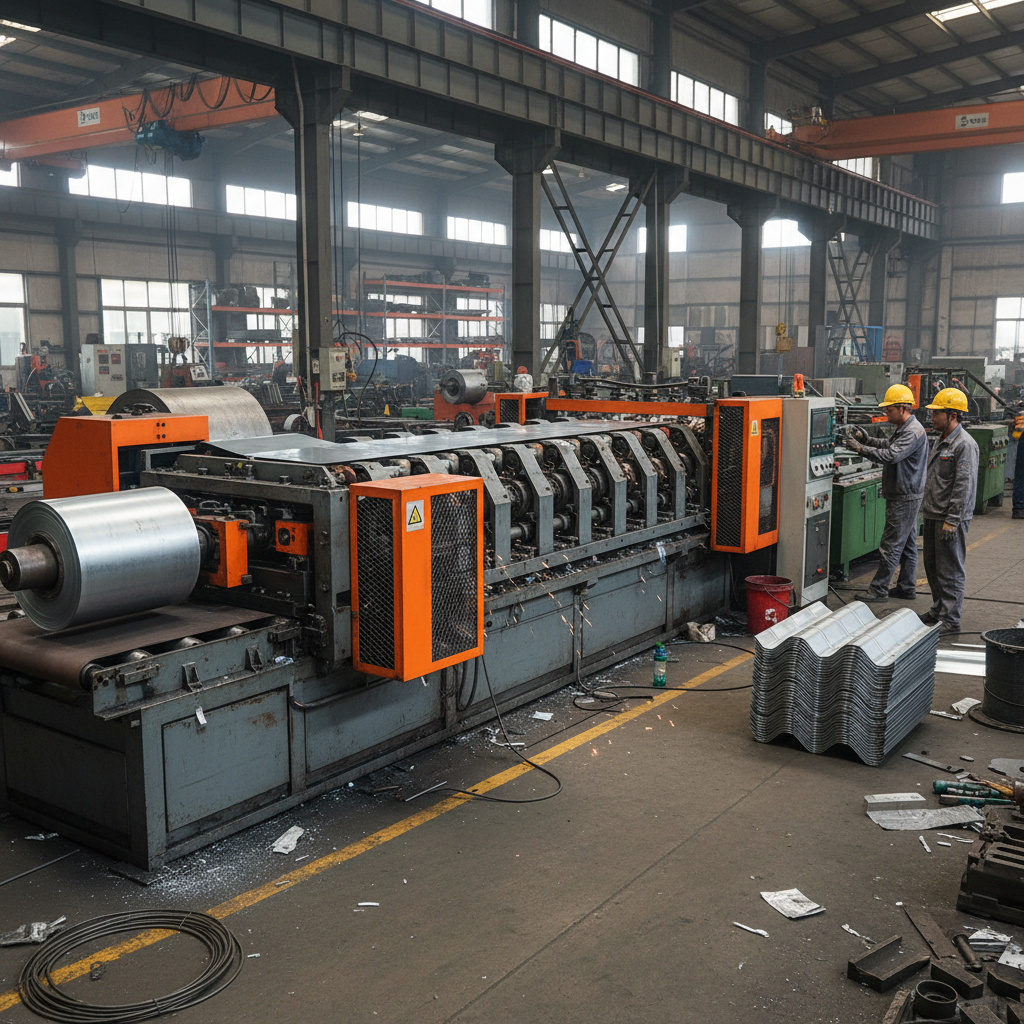
How a Ridge Cap Roll Forming Machine Enhances Production
The primary function of a ridge cap roll forming machine is to transform a flat coil of metal into a precise angled profile used at the apex of a roof. Unlike traditional press braking, which bends metal in single stages, roll forming uses a series of sequential rollers to gradually shape the material. This process ensures that the metal is not stressed or cracked, resulting in a smoother finish and higher structural integrity. Automation is a key highlight here, as modern machines can integrate PLC control systems to handle exact lengths and cutting, minimizing human error and accelerating throughput.
Industry Insight: Roll forming reduces material scrap by up to 15% compared to manual fabrication, making it the most sustainable choice for high-volume roofing projects.
Key Technical Features of Professional Roll Formers
When investing in a ridge cap roll forming machine, several technical specifications determine the quality of the final output. High-grade Chrome-plated rollers are preferred to prevent wear and tear, ensuring the machine maintains tight tolerances over years of operation. Additionally, the stability of the machine frame is critical; a heavy-duty steel chassis prevents vibration, which is essential for maintaining a consistent profile. Most professional-grade machines now feature hydraulic cutting systems that provide a clean, burr-free edge, reducing the need for secondary finishing.
Comparing Roll Forming vs. Press Brake Methods
Many manufacturers struggle to decide between traditional press brakes and a dedicated ridge cap roll forming machine. While press brakes are versatile for small, custom jobs, they are slow and labor-intensive for long runs. Roll forming, conversely, is designed for mass production and unmatched consistency. The table below highlights the stark differences in efficiency, quality, and cost-effectiveness between the two methods.
Material Compatibility and Versatility
A versatile ridge cap roll forming machine should be capable of processing various metals. Most commonly, these machines handle Galvalume, Galvanized Steel, and Aluminum. The ability to switch between different material thicknesses without requiring a complete machine overhaul is a significant advantage. By adjusting the roller gaps, operators can maintain precision regardless of whether they are working with lightweight residential coatings or heavy-duty industrial steel. This versatility allows businesses to expand their product offerings and serve a wider range of clients.
Compatible Materials:
• PPGI / PPGL (Pre-painted steel/aluminum)
• Hot-dip Galvanized Steel
• Aluminum Alloys
• Stainless Steel (with reinforced rollers)
Technical Specifications for Optimal Selection
Choosing the right ridge cap roll forming machine requires a deep dive into the technical specifications. You must consider the maximum coil width, the speed of the production line, and the power requirements. For most industrial applications, a machine with a PLC-controlled cutting length is non-negotiable, as it ensures that every piece produced is exactly the same, eliminating on-site trimming. Below are the typical specifications you will encounter when sourcing professional equipment.
Conclusion: Elevating Quality with Precision Engineering
The adoption of a professional ridge cap roll forming machine is more than just an equipment upgrade; it is a strategic move toward operational excellence. By automating the shaping process, manufacturers can guarantee a level of precision that manual methods simply cannot match. From reducing waste to increasing the speed of delivery, the benefits are clear. For those looking to scale their roofing business and maintain a reputation for quality, investing in high-end roll forming technology is the most reliable path forward.
Frequently Asked Questions (FAQs)
What is the main advantage of a ridge cap roll forming machine over a press brake?
The primary advantage is the continuous production capability and consistency. A press brake requires an operator to manually position the metal for every single bend, which is slow and prone to human error. A ridge cap roll forming machine automates the entire process, ensuring that every single piece produced is identical in dimension and angle. This leads to significantly higher production volumes and a much more professional finish on the final roofing project, while also reducing the amount of skilled labor required on the factory floor.
Can I change the profile of the ridge cap on one machine?
Standard roll forming machines are designed for a specific profile determined by the shape of the rollers. To change the profile completely, you would typically need to change the roller sets. However, high-quality machines from XHE Equipment are often designed with precision-adjustable rollers that allow for minor tweaks in the angle or width. If you require multiple completely different profiles, it is often more efficient to have dedicated machines for each profile to avoid the downtime associated with changing roller assemblies.
What maintenance is required for these machines to ensure longevity?
To maintain the precision of your ridge cap roll forming machine, regular lubrication of the gears and bearings is essential. You should also periodically inspect the rollers for any debris or material buildup that could scratch the metal coils. Checking the hydraulic fluid levels and ensuring the PLC software is updated will prevent unexpected downtime. Most importantly, ensuring the machine is properly aligned during the initial installation prevents uneven wear on the rollers, extending the life of the equipment by several years.
How does the PLC system help in the production process?
The PLC (Programmable Logic Controller) acts as the brain of the machine. It allows the operator to input the exact length of the ridge cap required, and the system automatically manages the feeding and cutting process. This eliminates the need for manual measuring, which is one of the slowest parts of traditional fabrication. Furthermore, the PLC can track the number of pieces produced and monitor the machine's health, alerting the operator to any malfunctions immediately. This level of control is what makes the modern roll forming machine so efficient compared to legacy equipment.
-
Professional Ridge Cap Roll Forming Solutions for Metal RoofingNewsApr.09,2026
-
Comprehensive Guide to Ridge Cap Machine Functionality and ApplicationsNewsApr.07,2026
-
Comprehensive Guide to Reidius Roll Forming Machineries and Their Diverse ApplicationsNewsApr.04,2026
-
Comprehensive Guide to Rack Roll Forming Machines for Efficient ProductionNewsMar.31,2026
-
Comprehensive Guide to R Panel Roll Forming Machine Applications and SelectionNewsMar.28,2026
