

Professional Ridge Cap Roll Forming Solutions for Metal Roofing
The Ultimate Guide to Ridge Cap Roll Forming Solutions
In the realm of modern roofing and construction, the integrity of the roof peak is critical for preventing leaks and ensuring structural longevity. A high-quality ridge cap roll provides the essential sealing and finishing touch required for metal roofing systems. Whether you are a contractor or a manufacturer, understanding the mechanics of roll forming and the importance of precise ridge capping is key to delivering a professional result. In this guide, we will explore how advanced machinery transforms raw coils into perfect protective caps, ensuring every roof remains weather-tight and aesthetically pleasing.
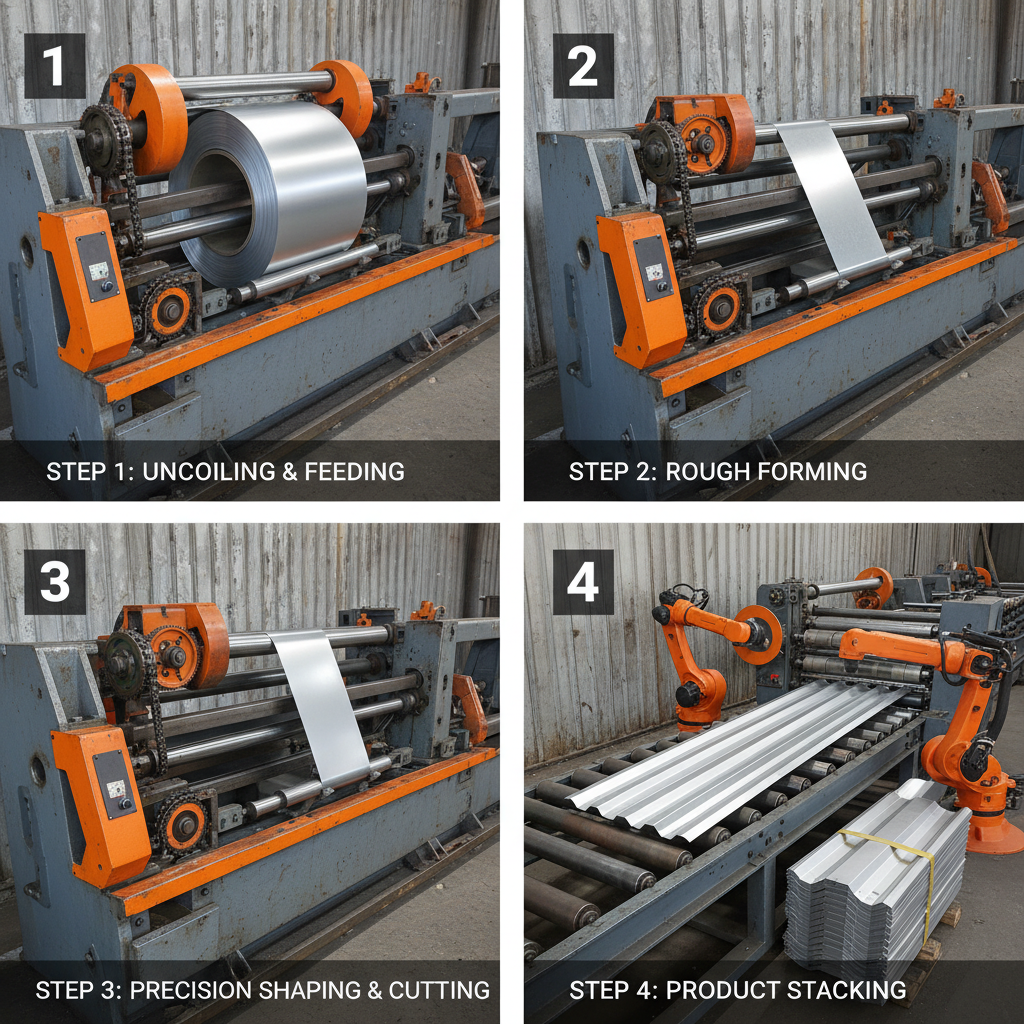
What Exactly is a Ridge Cap Roll?
A ridge cap roll refers to the continuous profile produced by a roll forming machine, specifically designed to cover the ridge—the highest point of a peaked roof. Its primary function is to bridge the gap where two roof slopes meet, shielding the internal structure from rain, snow, and wind. By using a continuous rolling process, manufacturers can produce consistent lengths with zero waste, ensuring that the cap fits snugly over the roof panels. These profiles are typically made from galvanized steel, aluminum, or Galvalume to ensure maximum corrosion resistance.
Pro Tip: Choosing the correct material gauge for your ridge cap is essential. A thicker gauge provides better wind resistance, while a thinner gauge is easier to manipulate for complex roof geometries.
Advantages of Using a Professional Ridge Cap Roll System
Using a precision-engineered ridge cap roll system offers significant advantages over manual bending or generic flashing. First, it ensures perfect uniformity; every inch of the cap has the same angle and width, eliminating the gaps that often lead to water ingress. Second, the speed of production is vastly increased, allowing for just-in-time delivery to construction sites. Finally, the clean lines and sharp bends provided by professional roll forming enhance the architectural appeal of the building, providing a sleek, modern finish that increases property value.
Core Benefits:
• Leak Prevention: Superior sealing at the most vulnerable point of the roof.
• Cost Efficiency: Reduction in material waste through precise coil processing.
• Durability: High-strength profiles that resist deformation under heavy snow loads.
• Installation Speed: Pre-formed caps reduce on-site labor time significantly.
Ridge Cap Roll Machine Specifications
To achieve a flawless ridge cap roll, the machinery used must adhere to strict technical standards. High-end machines utilize high-precision rollers made from chrome-plated steel to prevent scratching the coating of the metal coils. Below is a detailed look at the typical specifications found in industrial-grade ridge cap roll forming equipment, highlighting the capabilities required for high-volume production.
Comparing Roll Forming vs. Brake Press for Ridge Caps
When producing a ridge cap roll, companies often choose between roll forming and the traditional brake press method. While a brake press is excellent for small, custom batches and varying angles, it is labor-intensive and prone to human error. Roll forming, on the other hand, is designed for mass production. It uses a series of rollers to gradually bend the metal into the desired shape, resulting in a more consistent profile and significantly higher output. For large-scale commercial projects, the roll forming method is the only viable way to maintain quality control while meeting tight deadlines.
Installation Best Practices for Ridge Cap Rolls
Having a perfect ridge cap roll is only half the battle; proper installation is where the real protection happens. Installers should ensure that the ridge cap overlaps the roof panels sufficiently to prevent wind-driven rain from entering. Using specialized ridge cap screws with EPDM washers is mandatory to create a watertight seal. Additionally, applying a high-quality sealant at the overlaps of the caps prevents capillary action from drawing water into the roof. When these best practices are combined with precision-rolled profiles, the result is a roof that can withstand the harshest weather conditions for decades.
Sustainability and Material Efficiency in Roll Forming
In today's green building era, the efficiency of the ridge cap roll process is a major selling point. Unlike traditional cutting and bending, which often results in significant scrap metal, roll forming is a "near-zero waste" process. The continuous nature of the machine allows for exact length cutting based on the roof's dimensions. Furthermore, by utilizing recyclable materials like aluminum and steel, the construction industry can reduce its carbon footprint. Investing in high-efficiency machinery not only boosts profit margins through reduced waste but also aligns a company with global sustainability goals.
Conclusion: Elevating Roof Quality with Precision Engineering
The quality of a roof is often judged by its weakest point—the ridge. By implementing a professional ridge cap roll system, manufacturers and contractors can guarantee a level of precision and durability that manual methods simply cannot match. From reducing material waste to ensuring absolute weather-tightness, the impact of high-quality roll forming is undeniable. For those looking to scale their production or improve their build quality, investing in the right equipment is the definitive path toward excellence in the roofing industry.
Frequently Asked Questions (FAQs)
How do I choose the right size for a ridge cap roll?
Choosing the correct size depends primarily on the pitch of your roof and the width of the roof panels being used. You must ensure the cap is wide enough to cover the peak with a sufficient overhang on both sides to prevent water from seeping underneath. Generally, you should measure the distance from the peak down to where the panels overlap and add a small margin for safety. Consulting a technical specification sheet from your roll forming equipment supplier is the best way to ensure you select a profile that matches your specific architectural requirements.
Can a ridge cap roll machine handle different metal types?
Yes, most modern roll forming machines are versatile and can handle a variety of metals, including galvanized steel, stainless steel, aluminum, and pre-painted Galvalume. However, the "hardness" of the metal determines the pressure required from the rollers. High-quality machines feature adjustable settings or interchangeable rollers to accommodate different material properties without damaging the surface coating. It is important to ensure that the rollers are made of a material harder than the coil being processed to avoid premature wear and tear on the machinery.
What is the typical lifespan of a roll-formed ridge cap?
The lifespan of a ridge cap depends heavily on the material and the coating used. For instance, a ridge cap produced from high-grade aluminum or Galvalume can easily last 30 to 50 years with minimal maintenance. Because roll forming creates a seamless and consistent profile, there are fewer stress points where corrosion usually starts. To maximize the lifespan, it is recommended to use high-quality fasteners and ensure that any cuts made on-site are treated with cold-galvanizing spray to prevent rust at the edges. Regular inspections every few years can help identify any loose screws or sealants that need replacing.
How does a ridge cap roll contribute to energy efficiency?
While a ridge cap is primarily for weatherproofing, it plays a vital role in the overall energy efficiency of a building. A perfectly fitted ridge cap prevents drafts and air leaks at the highest point of the structure, which helps maintain a consistent internal temperature. When combined with a ridge vent system, it allows hot air to escape the attic while preventing rain from entering. This natural ventilation reduces the load on air conditioning systems during the summer, thereby lowering energy costs. Precision-engineered profiles from XHE Equipment ensure that these ventilation systems function at peak efficiency.
-
High Precision Ridge Cap Roll Forming Machine for Modern RoofingNewsApr.16,2026
-
Comprehensive Guide to Ridge Cap Machine Functionality and ApplicationsNewsApr.07,2026
-
Comprehensive Guide to Reidius Roll Forming Machineries and Their Diverse ApplicationsNewsApr.04,2026
-
Comprehensive Guide to Rack Roll Forming Machines for Efficient ProductionNewsMar.31,2026
-
Comprehensive Guide to R Panel Roll Forming Machine Applications and SelectionNewsMar.28,2026
