

Comprehensive Guide to Rack Roll Forming Machines for Efficient Production
Understanding Rack Roll Forming Machines: A Comprehensive Guide
Rack roll forming machines are essential equipment for businesses involved in the storage solutions industry. These machines efficiently produce the components for pallet racking systems, crucial for warehousing and logistics. Choosing the right machine can significantly impact production efficiency, cost-effectiveness, and product quality. This article will provide a detailed overview of rack roll forming machines, covering their functionality, types, key features, applications, and how to select the best one for your specific needs. Understanding these machines is vital for optimizing your operations and staying competitive in the market.
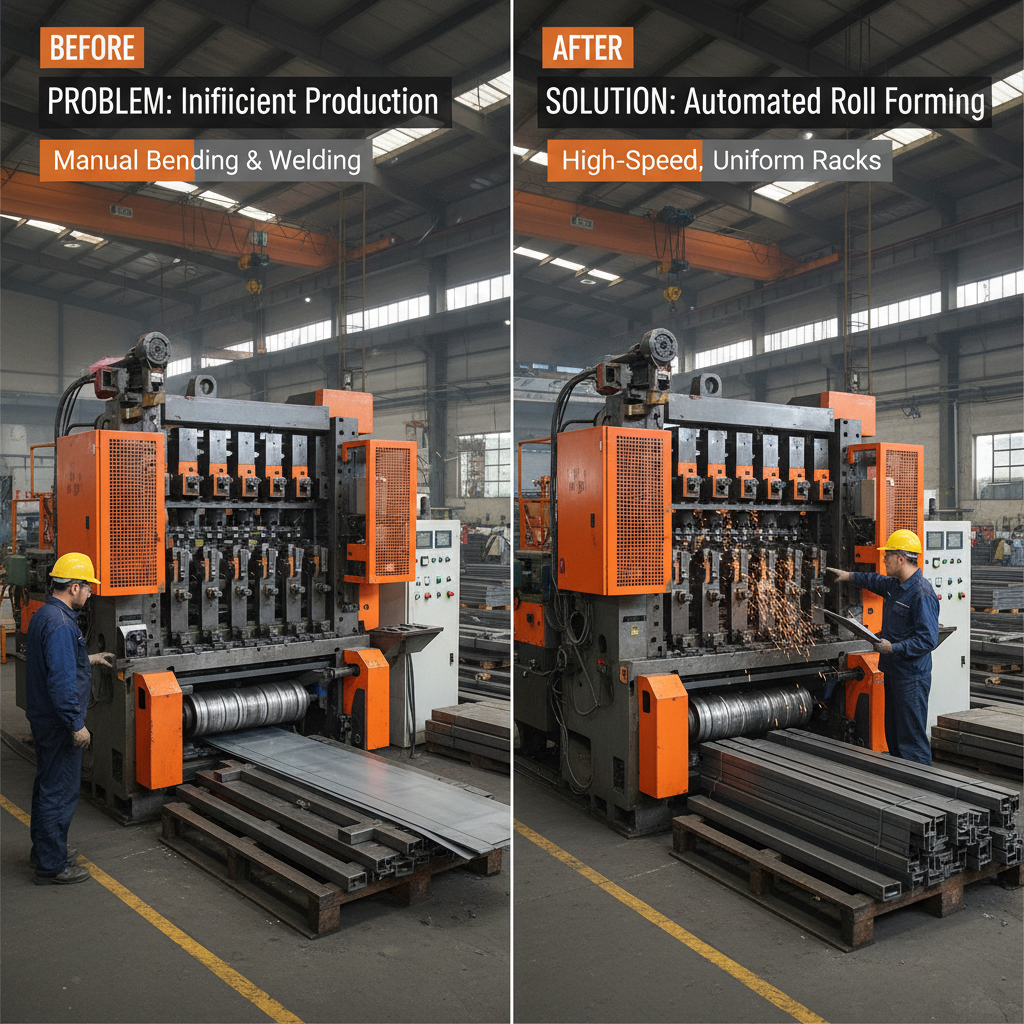
How Rack Roll Forming Machines Work
The core principle of a rack roll forming machine is to progressively bend sheet metal into the desired profile for pallet racking components. This is achieved through a series of contoured rollers. The metal sheet is fed through these rollers, each bending it slightly closer to the final shape. This continuous process results in a consistent and accurate profile, much faster and more efficiently than traditional fabrication methods. The process involves uncoiling the metal, leveling it, feeding it through the roll forming section, and then cutting it to the specified length. Modern machines are often automated, incorporating PLC controls for precise operation and minimal manual intervention.
Key Benefits: Faster production, consistent quality, reduced material waste, lower labor costs, and the ability to produce complex profiles efficiently.
Types of Rack Roll Forming Machines
Several types of rack roll forming machines are available, each suited for different production volumes and complexities. The most common types include:
Single Roll Forming Machines: Ideal for smaller production runs and simpler profiles. These are generally less expensive but offer limited flexibility.
Double Roll Forming Machines: Offer increased productivity as they can form two profiles simultaneously. Suitable for medium-sized production runs.
Automatic Roll Forming Lines: Fully automated systems that include uncoiling, leveling, roll forming, cutting, and stacking capabilities. Ideal for large-scale production.
Choosing the Right Type: Consider your production volume, the complexity of the profiles you need to produce, and your budget.
• Low Volume: Single Roll Forming Machine
• Medium Volume: Double Roll Forming Machine
• High Volume: Automatic Roll Forming Line
Key Features to Consider When Purchasing a Rack Roll Forming Machine
When investing in a rack roll forming machine, several features are crucial for optimal performance. These include the machine's capacity (thickness and width of metal it can handle), the precision of the rollers (influencing profile accuracy), the control system (PLC, HMI), the cutting system (shearing vs. saw cutting), and the level of automation. Look for machines with robust construction, reliable components, and user-friendly interfaces. A well-maintained machine will offer years of efficient service.
Applications of Rack Roll Forming Machines
The primary application of these machines is the production of components for pallet racking systems, including uprights, beams, and braces. However, they can also be used to manufacture other metal profiles for various industries, such as shelving, structural supports, and custom metal components. The versatility of the machine makes it a valuable asset for businesses looking to expand their product offerings and reduce reliance on external suppliers.
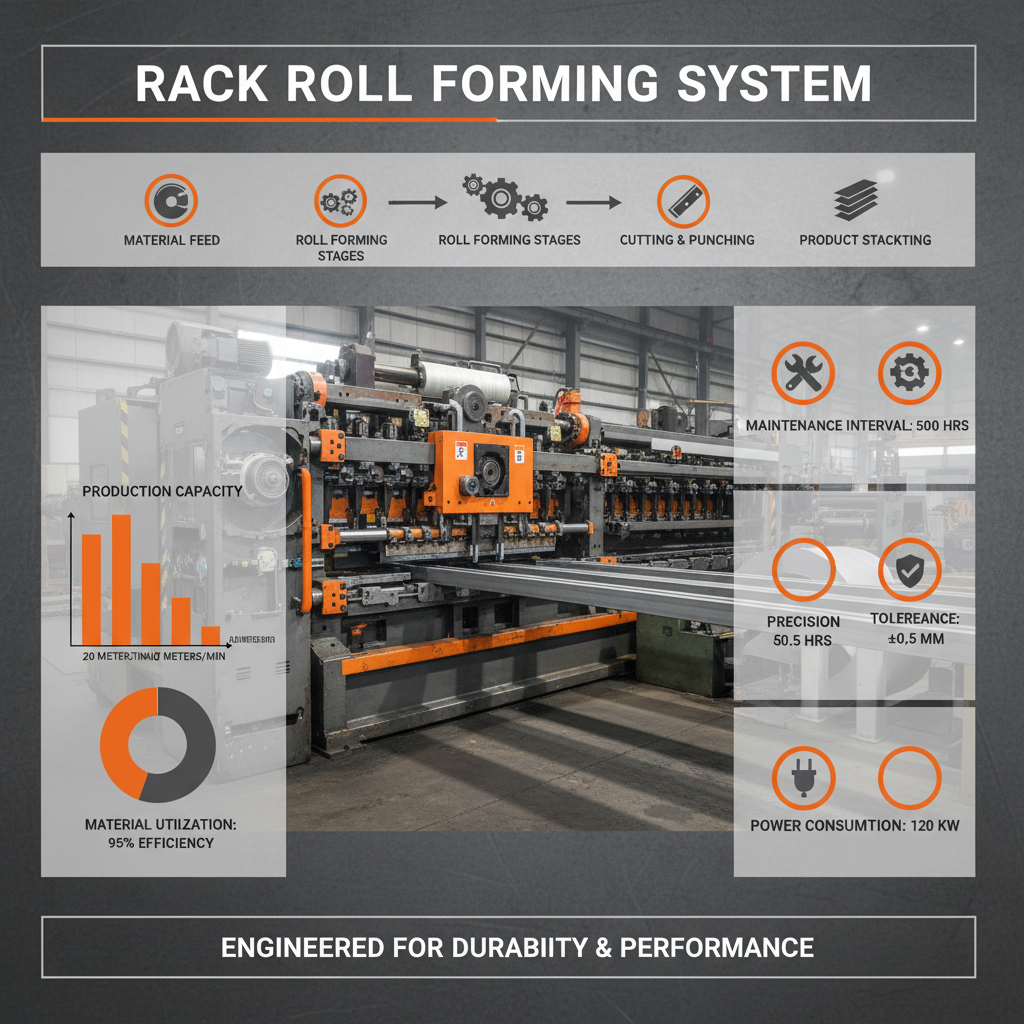
Selecting the Right Supplier: Why Choose XH Equipment?
Choosing a reputable supplier is crucial for ensuring you receive a high-quality, reliable rack roll forming machine. XH Equipment specializes in designing and manufacturing roll forming machines, offering a wide range of options to meet diverse production needs. We provide customized solutions, competitive pricing, and excellent customer support. Our machines are built with durable components and advanced technology, guaranteeing long-term performance and minimal downtime. We also offer comprehensive training and maintenance services to ensure your operation runs smoothly.
Conclusion: Investing in Efficient Production with Rack Roll Forming
A rack roll forming machine is a significant investment that can dramatically improve your production efficiency and profitability. By carefully considering your needs and selecting a reliable supplier like XH Equipment, you can ensure a long-term return on investment and maintain a competitive edge in the market. Don't hesitate to contact us to discuss your specific requirements and explore our range of solutions.
Frequently Asked Questions (FAQs)
What materials can be used with a rack roll forming machine?
Most rack roll forming machines are designed to handle various types of steel, including galvanized steel, cold-rolled steel, and stainless steel. The maximum material thickness and width will vary depending on the machine's specifications. It's essential to check the manufacturer's recommendations to ensure compatibility with your desired material. Using the wrong material can damage the machine or result in poor-quality profiles.
What is the typical production speed of a rack roll forming machine?
Production speed varies significantly depending on the machine type, material thickness, and profile complexity. A single roll forming machine might produce around 5-15 meters per minute, while an automatic roll forming line can achieve speeds of up to 30-50 meters per minute. Faster speeds generally require more powerful motors and advanced control systems.
What maintenance is required for a rack roll forming machine?
Regular maintenance is crucial for ensuring the longevity and efficiency of your machine. This includes lubricating moving parts, inspecting rollers for wear and tear, cleaning the machine, and checking electrical connections. Periodic inspections by a qualified technician are also recommended. Following the manufacturer's maintenance schedule will help prevent breakdowns and extend the machine's lifespan.
What safety features should I look for in a rack roll forming machine?
Safety is paramount. Look for machines with features such as emergency stop buttons, safety guards around moving parts, and light curtains to prevent accidental contact. Proper training for operators is also essential to ensure safe operation and prevent injuries. Ensure the machine meets relevant safety standards and certifications.
-
High Precision Ridge Cap Roll Forming Machine for Modern RoofingNewsApr.16,2026
-
Professional Ridge Cap Roll Forming Solutions for Metal RoofingNewsApr.09,2026
-
Comprehensive Guide to Ridge Cap Machine Functionality and ApplicationsNewsApr.07,2026
-
Comprehensive Guide to Reidius Roll Forming Machineries and Their Diverse ApplicationsNewsApr.04,2026
-
Comprehensive Guide to R Panel Roll Forming Machine Applications and SelectionNewsMar.28,2026
