

Comprehensive Guide to Reidius Roll Forming Machineries and Their Diverse Applications
Understanding Reidius Roll Forming Machineries and Their Applications
Roll forming is a continuous bending process used to create products with a consistent cross-sectional profile. Reidius roll forming machineries represent a sophisticated class of equipment within this industry, known for their precision, efficiency, and versatility. These machines are vital for manufacturers across diverse sectors, from construction and automotive to shelving and solar panel production. This article will explore the capabilities, benefits, components, and applications of Reidius roll forming machinery, providing a comprehensive overview for businesses looking to enhance their production processes. Choosing the right roll forming solution can significantly impact product quality, production speed, and overall cost-effectiveness.
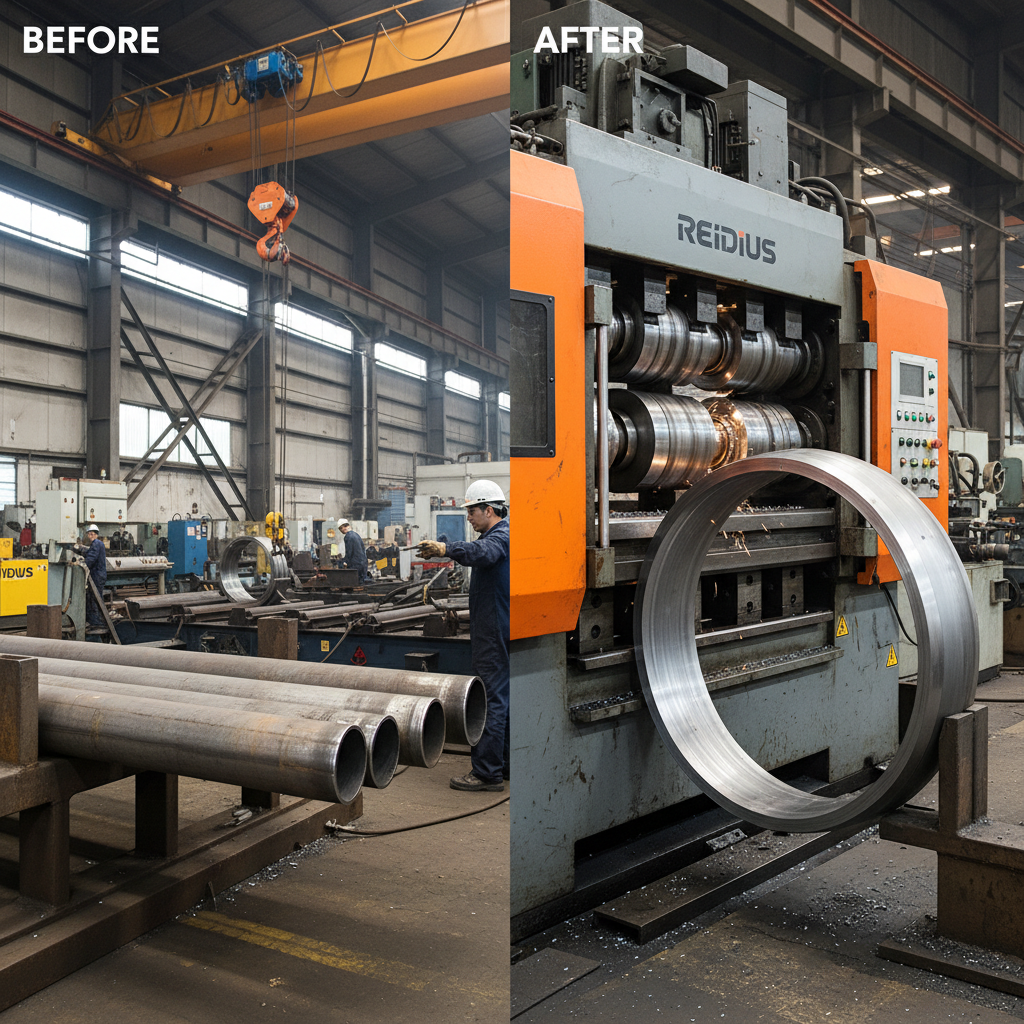
What are Reidius Roll Forming Machineries?
Reidius roll forming machines utilize a series of contoured rollers to progressively bend a flat metal strip into the desired shape. Unlike stamping or forging, roll forming is a continuous process, enabling high-volume production with minimal material waste. "Reidius" often refers to a particular manufacturing standard or design philosophy emphasizing precision and quality. These machines are fully automated, equipped with sophisticated control systems, and capable of handling various metal types, including steel, aluminum, and stainless steel. They are particularly well-suited for producing long, constant-profile shapes efficiently and consistently. These machines dramatically improve the efficiency of metal forming when compared to manual methods.
Key Highlights: Utilizing a series of contoured rollers, Reidius roll forming machines deliver precise and continuous bending for high-volume production.
Key Components of Reidius Roll Forming Machines
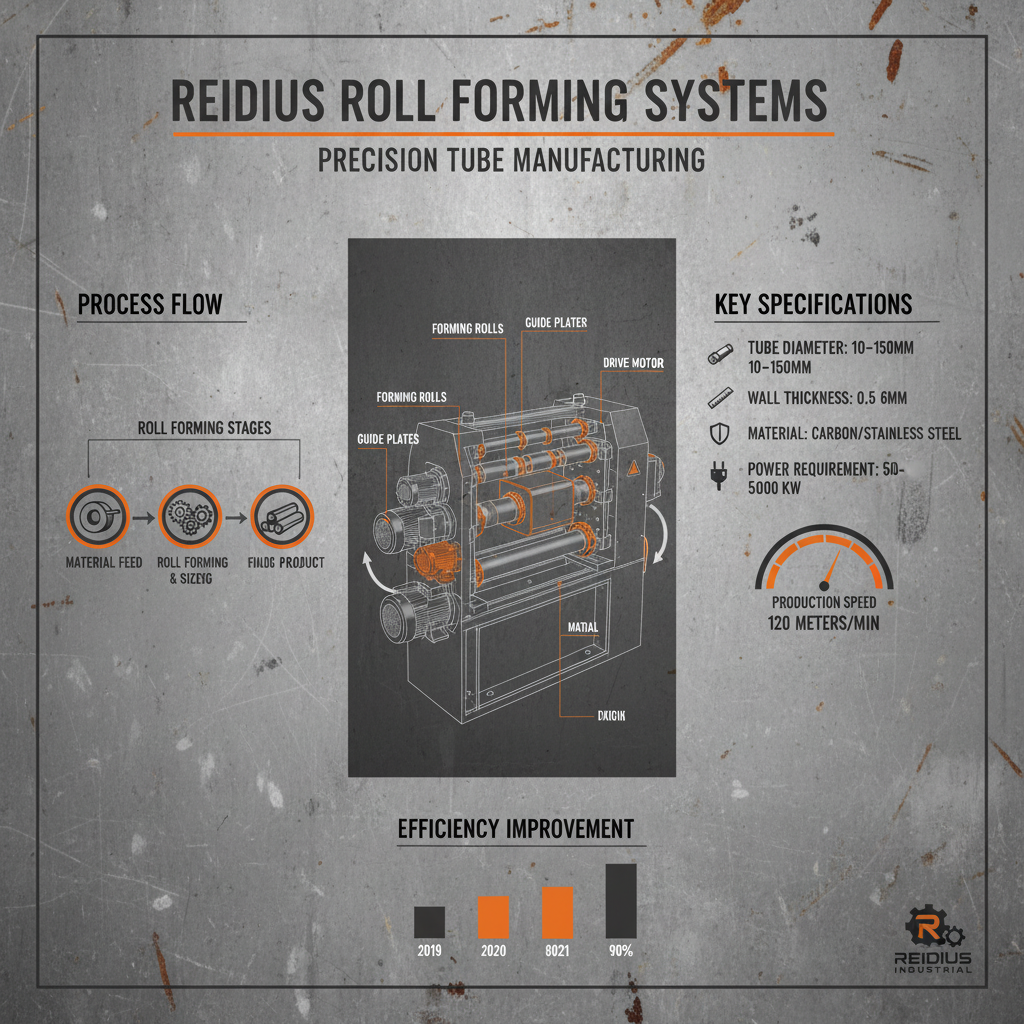
Understanding the key components is essential to appreciating the functionality of these machineries. A typical Reidius roll forming machine consists of several vital parts: Uncoiler: This device holds and feeds the metal coil into the machine. Leveler: Ensures the metal strip is flat before entering the forming process. Forming Station: Contains a series of rollers that progressively shape the metal. Cutting Station: Precisely cuts the formed profile to the desired length. Control System: Manages and monitors the entire process, ensuring accuracy and consistency. Run-out Table: Collects the finished product. These components work in harmony to deliver efficient and precise roll forming.
Component Breakdown:
• Uncoiler: Holds and feeds metal coil.
• Leveler: Ensures metal strip flatness.
• Forming Station: Shapes the metal with rollers.
• Cutting Station: Precisely cuts the formed profile.
Reidius Roll Forming Machineries: Performance Metrics & Specifications
Performance and specifications vary based on the model and manufacturer. However, some key metrics define the capabilities of Reidius roll forming machinery. Here's a representative overview:
Applications of Reidius Roll Forming Machinery
The applications for Reidius roll forming are incredibly diverse. They are commonly used in the production of: Metal Roofing: Creating durable and aesthetically pleasing roofing panels. Structural Components: Producing purlins, channels, and other structural supports. Shelving and Racking: Efficiently manufacturing shelving systems for warehouses and retail spaces. Automotive Parts: Forming components like door frames and chassis parts. Solar Panel Frames: Producing the support structures for solar panels. Cable Trays: Manufacturing cable management solutions. These are just a few examples, illustrating the versatility and wide-ranging utility of these machines.
Choosing the Right Reidius Roll Forming Machine: Key Considerations
Selecting the appropriate Reidius roll forming machine requires careful evaluation of several factors. Consider the material type and thickness you'll be processing, the required production volume, the complexity of the desired profile, and your budget. It’s crucial to partner with a reputable manufacturer like XH Equipment that offers customized solutions and provides comprehensive technical support. Factors such as automation level, precision requirements, and post-forming processes (e.g., painting, coating) should also be taken into account. Investing in a machine that aligns with your specific needs will maximize efficiency and return on investment.
Conclusion: Optimizing Production with Reidius Roll Forming
Investing in a Reidius roll forming machine is a strategic move for manufacturers seeking to enhance their production capabilities. These machines offer precision, efficiency, and versatility, enabling businesses to meet growing demands while maintaining high-quality standards. By carefully considering your specific needs and partnering with a trusted supplier, you can unlock the full potential of roll forming technology and achieve significant operational improvements.
Frequently Asked Questions (FAQs)
What materials can Reidius roll forming machines process?
Reidius roll forming machines are exceptionally versatile and can handle a wide range of materials, including carbon steel, stainless steel, aluminum, galvanized steel, and even some non-metallic materials. The specific material compatibility depends on the machine’s design and the hardness/thickness of the material. For instance, higher tensile strength materials require more powerful rollers and forming stations. XH Equipment offers customized solutions to accommodate specific material requirements, ensuring optimal performance and product quality. It's important to specify the material you intend to process when selecting a machine.
What is the typical lead time for a custom Reidius roll forming machine?
The lead time for a custom-designed Reidius roll forming machine varies depending on the complexity of the project and current production schedules. Generally, it ranges from 8 to 16 weeks from order confirmation and finalized design specifications. The design phase typically takes 2-4 weeks, followed by manufacturing and testing, which can take another 6-12 weeks. XH Equipment provides detailed project timelines and regular updates throughout the entire process, ensuring transparency and timely delivery. Factors such as the availability of specific components can also influence the lead time.
What kind of maintenance do Reidius roll forming machines require?
Regular maintenance is crucial for ensuring the longevity and optimal performance of Reidius roll forming machines. This includes daily lubrication of moving parts, periodic inspection and replacement of worn rollers, and regular cleaning of the machine. Checking and tightening fasteners is also essential. More in-depth maintenance, such as inspecting the control system and hydraulic components, should be performed quarterly or annually by qualified technicians. XH Equipment provides comprehensive maintenance manuals and offers preventative maintenance services to help customers minimize downtime and maximize their investment.
What level of automation is available with Reidius roll forming machines?
Reidius roll forming machines are available with varying levels of automation, ranging from semi-automatic to fully automatic systems. Semi-automatic machines require some manual operation for loading materials and unloading finished products. Fully automatic machines feature automated coil loading, straightening, roll forming, cutting, and stacking, minimizing manual intervention and maximizing production efficiency. XH Equipment offers customizable automation solutions tailored to your specific production needs and budget, integrating features such as automated material handling, quality control systems, and remote monitoring capabilities.
-
High Precision Ridge Cap Roll Forming Machine for Modern RoofingNewsApr.16,2026
-
Professional Ridge Cap Roll Forming Solutions for Metal RoofingNewsApr.09,2026
-
Comprehensive Guide to Ridge Cap Machine Functionality and ApplicationsNewsApr.07,2026
-
Comprehensive Guide to Rack Roll Forming Machines for Efficient ProductionNewsMar.31,2026
-
Comprehensive Guide to R Panel Roll Forming Machine Applications and SelectionNewsMar.28,2026
