

Comprehensive Guide to R Panel Roll Forming Machine Applications and Selection
Understanding the R Panel Roll Forming Machine
The R panel roll forming machine is a cornerstone of modern metal construction. This versatile equipment efficiently shapes metal sheets into the popular “R panel” profile, widely used for roofing, cladding, and siding. This article will explore the functionality, benefits, applications, and key considerations when choosing an R panel roll forming machine. For businesses involved in building and construction, understanding this technology is vital for streamlining production and ensuring high-quality results.
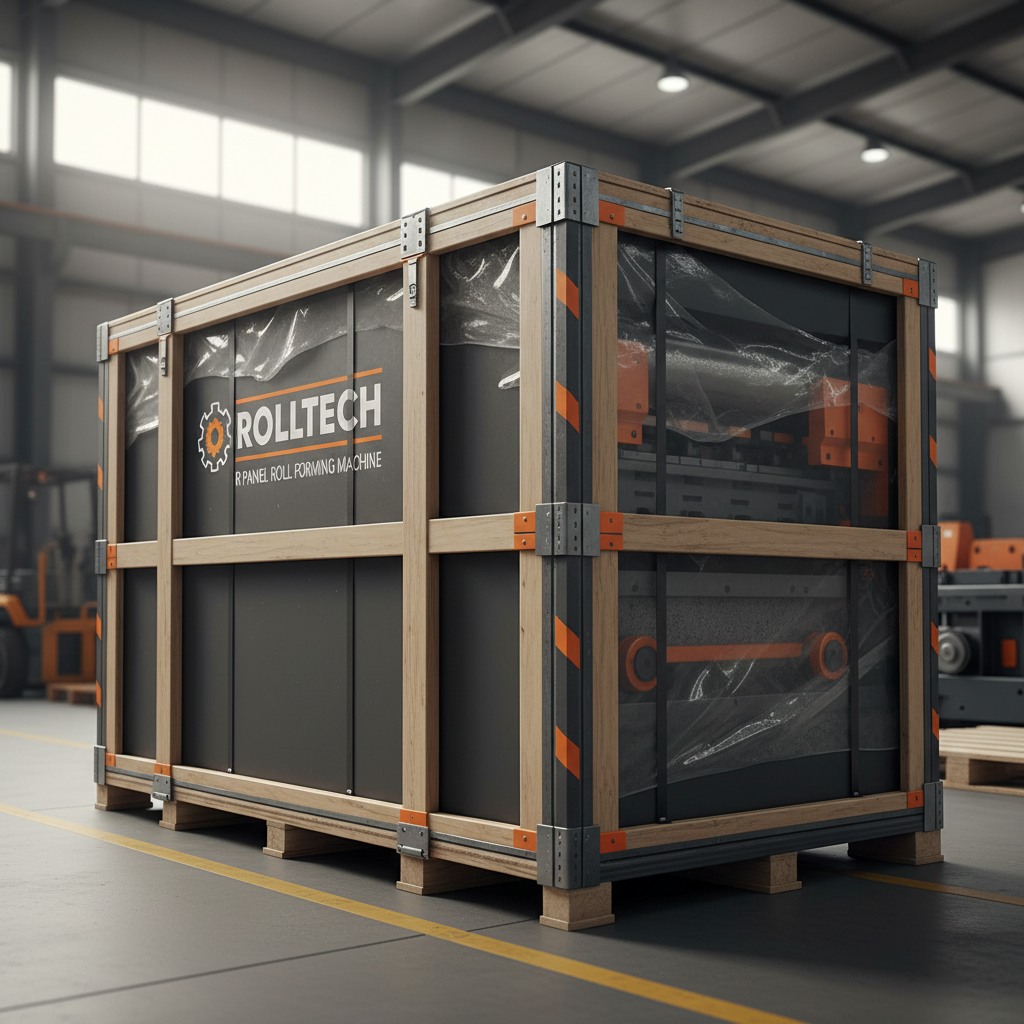
How Does an R Panel Roll Forming Machine Work?
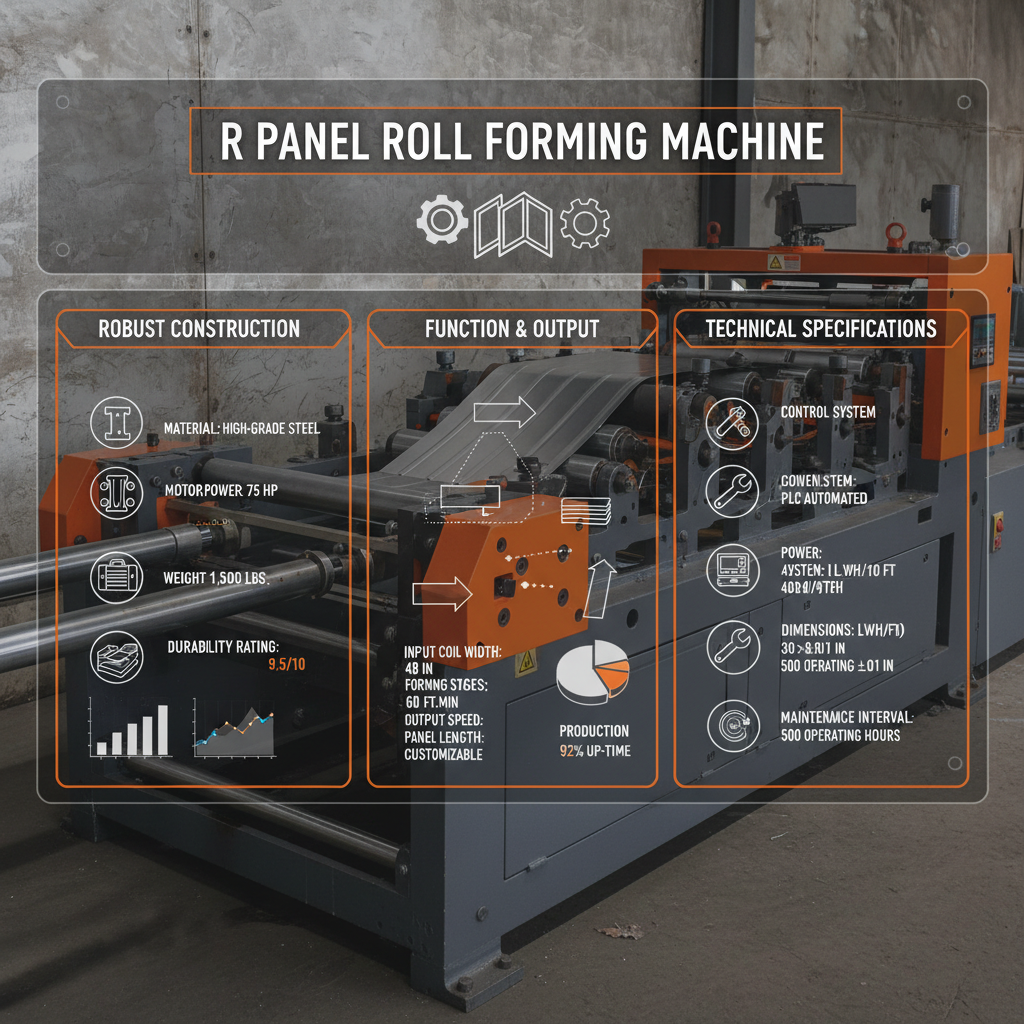
The process begins with a coil of metal sheet—typically steel or aluminum—fed into the machine. As the metal passes through a series of rollers, each strategically shaped, it's progressively formed into the distinctive R panel profile. These rollers incrementally bend and shape the metal until the final R panel shape emerges. The machine includes components like an uncoiler to hold and feed the metal coil, a leveling unit to ensure consistent metal thickness, the roll forming section itself, and a cut-to-length system to produce panels of the desired size. Precise control systems, often utilizing PLC technology, manage the speed, accuracy, and consistency of the forming process.
Key Features: Includes uncoiler, leveling unit, roll forming section, and cut-to-length system for efficient and precise R panel production.
Benefits of Using an R Panel Roll Forming Machine
Investing in an R panel roll forming machine offers numerous advantages. Firstly, it significantly increases production speed and volume compared to manual fabrication methods. This leads to reduced labor costs and faster project completion times. Secondly, the consistency and accuracy of the machine ensure high-quality panels with uniform dimensions and profiles. Thirdly, it allows for customization; the machine can be adjusted to produce panels with varying widths, thicknesses, and coatings. Finally, it reduces material waste, as the roll forming process efficiently utilizes the metal sheet.
Applications of R Panels Produced by Roll Forming
R panels are incredibly versatile and used extensively in the construction industry. Primarily, they're used for roofing on agricultural buildings, industrial facilities, and commercial structures. They also function as durable and aesthetically pleasing cladding for exterior walls. Furthermore, R panels are commonly used for siding on residential and commercial buildings, providing weather protection and a sleek, modern look. The adaptability of R panels—available in various colors and finishes—makes them ideal for a broad range of architectural styles.
Common Applications:
• Roofing (Agricultural, Industrial, Commercial)
• Wall Cladding
• Siding (Residential & Commercial)
Choosing the Right R Panel Roll Forming Machine
Selecting the appropriate R panel roll forming machine requires careful consideration of several factors. Firstly, assess your production volume and choose a machine with the appropriate capacity. Secondly, consider the material thickness you'll be working with. Thirdly, evaluate the level of automation desired – some machines are fully automatic, while others require more manual operation. Fourthly, prioritize machines with robust construction and reliable components to ensure longevity and minimize downtime. Finally, look for manufacturers offering comprehensive support, including installation, training, and maintenance services.
Maintenance and Longevity of Your R Panel Machine
Regular maintenance is key to maximizing the lifespan of your R panel roll forming machine. This includes lubricating moving parts, inspecting rollers for wear, and cleaning the machine regularly to remove metal debris. Promptly address any unusual noises or performance issues. Adhering to the manufacturer's recommended maintenance schedule will prevent costly repairs and ensure consistent performance. Investing in high-quality components from the outset also contributes to long-term reliability.
Conclusion
The R panel roll forming machine is a vital investment for businesses seeking efficient and high-quality metal panel production. By understanding the technology, considering your specific needs, and prioritizing maintenance, you can maximize the return on your investment and ensure a reliable supply of R panels for years to come. XHEquipment offers a range of robust and reliable machines to meet your manufacturing demands.
Frequently Asked Questions (FAQs)
What types of metal can an R panel roll forming machine handle?
Most R panel roll forming machines are designed to handle galvanized steel, galvalume steel, and aluminum. The thickness range typically accommodates materials from 26 to 18 gauge. It's crucial to verify the machine's specifications to ensure compatibility with your chosen metal. Using materials outside the recommended range can damage the machine and affect the quality of the panels. Some machines can be adapted to process other materials with specific tooling adjustments.
What is the typical production speed of an R panel roll forming machine?
Production speed varies depending on the machine's automation level, material thickness, and panel width. A typical speed ranges from 10 to 50 feet per minute. Fully automatic machines generally operate at higher speeds than manual or semi-automatic models. Factors like the quality of the metal coil and the precision of the leveling unit also impact production speed. Contacting a machine supplier like XHEquipment can provide detailed speed specifications for specific models.
What safety features are typically included in an R panel roll forming machine?
Safety is paramount in roll forming operations. Common safety features include emergency stop buttons, safety guards around moving parts, and overload protection systems. Many machines also incorporate light curtains or laser sensors to detect and prevent accidental entry into hazardous areas. Proper training on machine operation and safety procedures is essential for all operators. Always refer to the manufacturer's safety manual for detailed instructions and precautions.
How much does an R panel roll forming machine cost?
The cost of an R panel roll forming machine varies significantly based on its automation level, capacity, and features. Manual machines can start around $20,000, while fully automatic models can exceed $100,000. Additional costs to consider include shipping, installation, training, and tooling. Obtaining quotes from multiple suppliers and carefully evaluating your specific needs will help you determine the most cost-effective solution.
-
High Precision Ridge Cap Roll Forming Machine for Modern RoofingNewsApr.16,2026
-
Professional Ridge Cap Roll Forming Solutions for Metal RoofingNewsApr.09,2026
-
Comprehensive Guide to Ridge Cap Machine Functionality and ApplicationsNewsApr.07,2026
-
Comprehensive Guide to Reidius Roll Forming Machineries and Their Diverse ApplicationsNewsApr.04,2026
-
Comprehensive Guide to Rack Roll Forming Machines for Efficient ProductionNewsMar.31,2026
