

Comprehensive Guide to Metal Roll Forming Machine Applications and Selection
Metal Roll Forming Machine: A Comprehensive Guide
Metal roll forming is a highly efficient process for creating parts with consistent cross-sections. A metal roll forming machine bends metal sheets by incrementally passing them through a series of rollers. This method is ideal for high-volume production of profiles such as roofing panels, structural components, and various other building materials. Choosing the right machine is critical for optimizing production efficiency and product quality. This article will explore the key aspects of metal roll forming machines, their applications, benefits, and factors to consider when selecting a system.
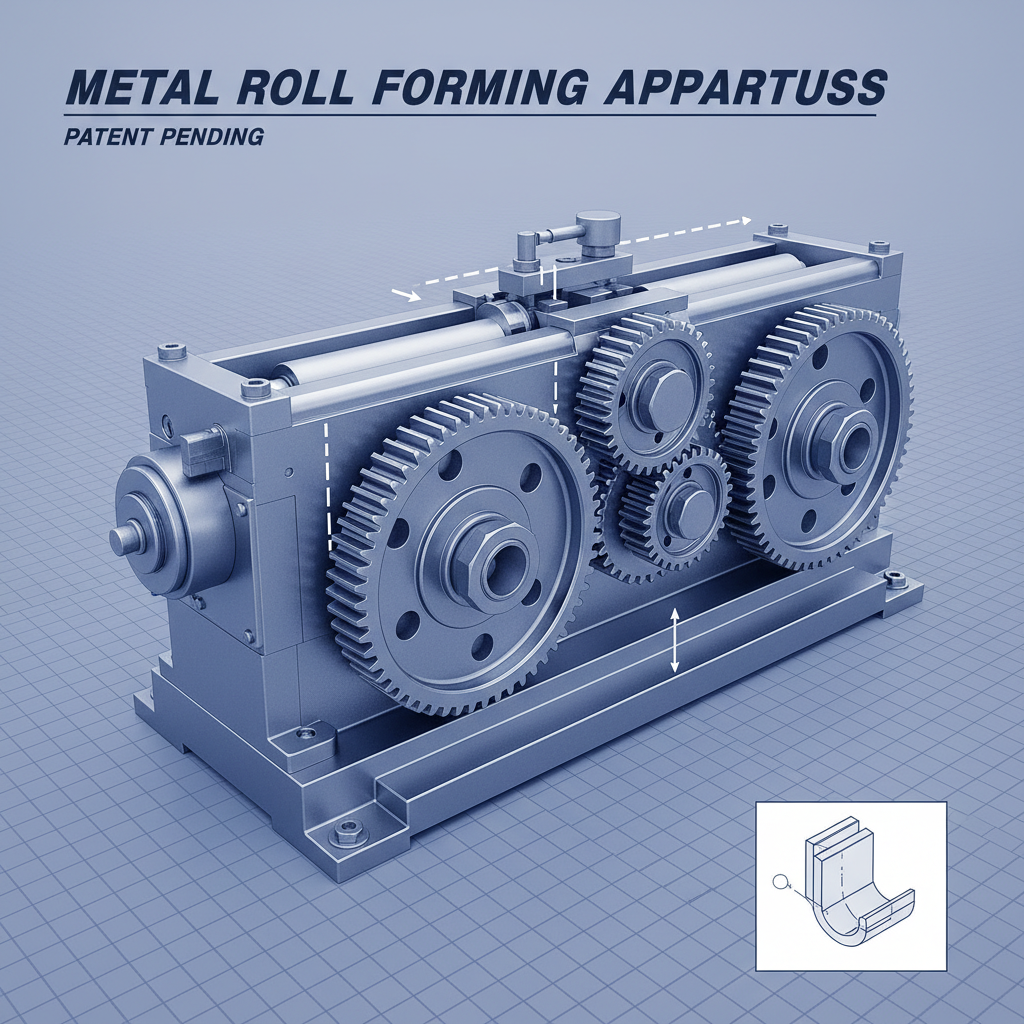
Understanding the Metal Roll Forming Process
The core of metal roll forming lies in its simplicity and efficiency. Metal sheets are fed into the machine and progressively shaped as they pass through a series of rollers, each designed to create a specific bend or curve. This continuous process offers several advantages over other forming methods like stamping or extrusion. These include reduced material waste, consistent product quality, and the ability to create complex profiles with relative ease. The process can handle a variety of metals, including steel, aluminum, and stainless steel, making it versatile for various applications. A well-maintained metal roll forming machine is a cornerstone of modern manufacturing.
Key Benefits: Reduced material waste, consistent product quality, handles various metals, creates complex profiles.
Applications of Metal Roll Forming Machines
Metal roll forming machines find applications across numerous industries. In the construction sector, they are used to produce roofing panels, siding, and structural elements like purlins and channels. The automotive industry utilizes roll forming for components like chassis parts and reinforcement beams. Other applications include the manufacturing of shelving, racking systems, furniture frames, and even appliance parts. The adaptability of the process allows for customization to meet specific design requirements, making it an invaluable tool for diverse manufacturing needs. Xhequipment provides machines for a wide range of these applications.
Industry Applications:
• Construction: Roofing, siding, purlins, channels
• Automotive: Chassis parts, reinforcement beams
• Retail: Shelving, racking systems
• Appliance Manufacturing: Component parts
Choosing the Right Metal Roll Forming Machine
Selecting the appropriate metal roll forming machine requires careful consideration of several factors. These include the type of metal being processed, the thickness and width of the material, the desired profile shape, and production volume. The level of automation required is also crucial – from manual machines for small-scale production to fully automated systems for high-volume output. Investing in a machine with the right capacity and features ensures optimal performance and minimizes downtime.
Maintenance and Longevity of Roll Forming Machines
Regular maintenance is vital for maximizing the lifespan and performance of your metal roll forming machine. This includes lubrication of moving parts, inspection of rollers for wear, and regular cleaning to remove metal debris. Promptly addressing any issues, such as misaligned rollers or worn bearings, can prevent more significant problems and costly downtime. Investing in quality components and a robust machine design will also contribute to its longevity.
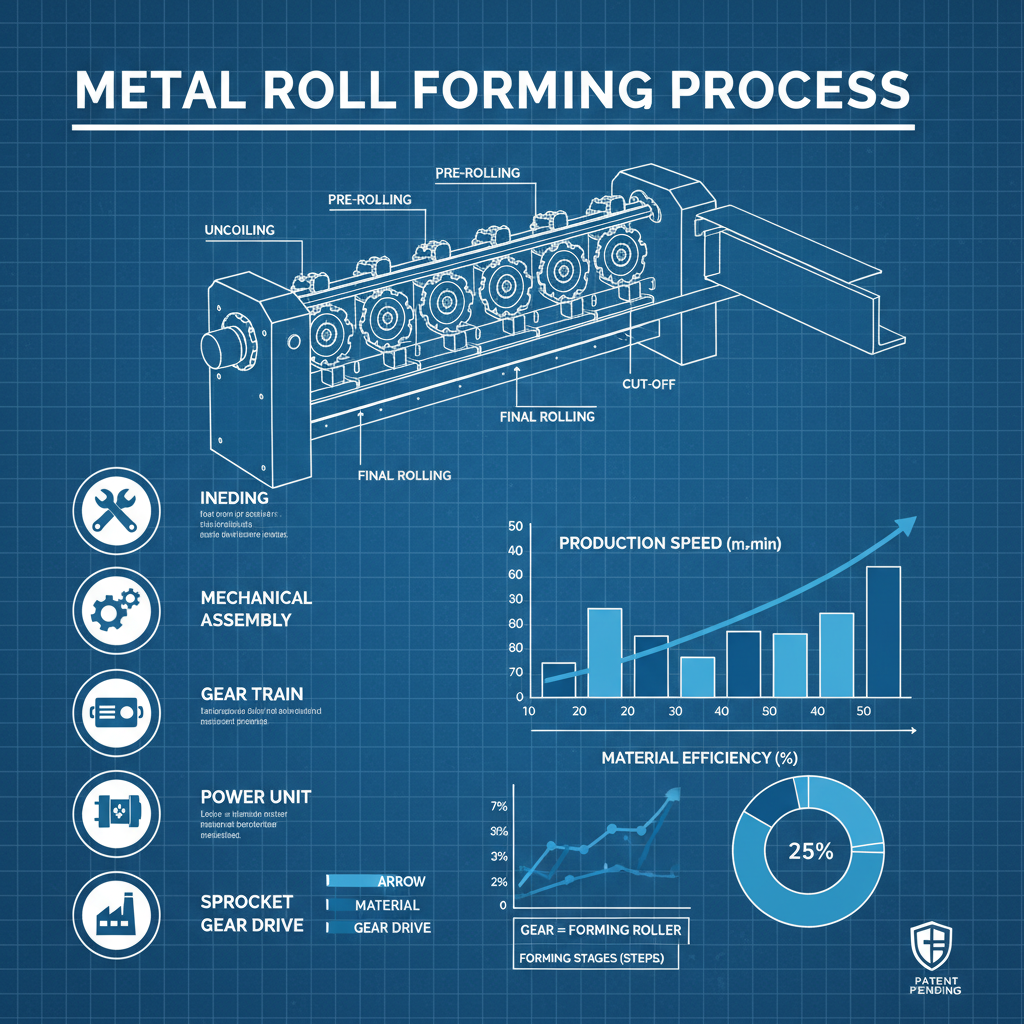
Key Considerations When Purchasing a Metal Roll Forming Machine
Before making a purchase, carefully evaluate your production needs and budget. Consider the types of profiles you need to create, the material thicknesses you will be working with, and the required production speed. Research different manufacturers and compare their machine specifications, features, and customer support. Don't hesitate to request quotes and visit their facilities to see the machines in operation. Xhequipment offers a comprehensive range of machines and can provide expert guidance to help you choose the best solution for your specific requirements.
Conclusion: Optimizing Production with Metal Roll Forming
Investing in a metal roll forming machine is a significant step towards optimizing production efficiency and achieving consistent product quality. By carefully considering your needs and selecting the right machine, you can unlock a world of possibilities for your manufacturing business. Don't compromise on quality or reliability – choose a trusted partner like Xhequipment.
Frequently Asked Questions (FAQs)
What materials can a metal roll forming machine process?
Metal roll forming machines are incredibly versatile and can process a wide range of materials. The most common materials include steel (carbon steel, galvanized steel, stainless steel), aluminum, and various alloys. The specific machine capabilities will depend on its design and the rollers installed. Generally, materials with good ductility are best suited for roll forming. It’s important to consider the material’s thickness and tensile strength when selecting a machine to ensure it can handle the material effectively.
What is the typical production speed of a roll forming machine?
The production speed varies considerably depending on the machine's automation level, the complexity of the profile, the material thickness, and the desired quality. Manual machines generally operate at slower speeds, around 5-15 meters per minute. Automated machines can achieve significantly higher speeds, ranging from 30 to 100 meters per minute or even faster. Higher speeds often require more sophisticated control systems and precision rollers to maintain consistent product quality.
What are the benefits of automated roll forming?
Automated roll forming offers numerous advantages, including increased production speed, reduced labor costs, and improved product consistency. Automated systems utilize sophisticated controls and sensors to maintain precise material feeding, forming, and cutting. This results in higher quality profiles with minimal variations. Automation also minimizes the risk of human error and allows for continuous operation, maximizing productivity.
How much maintenance does a roll forming machine require?
Roll forming machines require regular maintenance to ensure optimal performance and longevity. This includes daily lubrication of moving parts, weekly inspection of rollers and bearings, and periodic cleaning to remove metal debris. Preventative maintenance schedules are crucial for identifying and addressing potential issues before they escalate. A well-maintained machine will minimize downtime and ensure consistent production quality.
-
High Precision Ridge Cap Roll Forming Machine for Modern RoofingNewsApr.16,2026
-
Professional Ridge Cap Roll Forming Solutions for Metal RoofingNewsApr.09,2026
-
Comprehensive Guide to Ridge Cap Machine Functionality and ApplicationsNewsApr.07,2026
-
Comprehensive Guide to Reidius Roll Forming Machineries and Their Diverse ApplicationsNewsApr.04,2026
-
Comprehensive Guide to Rack Roll Forming Machines for Efficient ProductionNewsMar.31,2026
-
Comprehensive Guide to R Panel Roll Forming Machine Applications and SelectionNewsMar.28,2026
