

Comprehensive Guide to Purlin Machines for Steel Structure Fabrication
Understanding Purlin Machines: A Comprehensive Guide
Purlin machines are essential equipment for the construction of steel structures, particularly in the fabrication of light gauge steel framing (LGSF) and steel buildings. These machines automatically roll-form steel coils into purlins – horizontal structural members that provide support to roof sheeting and wall cladding. Choosing the right purlin machine is crucial for efficiency, precision, and cost-effectiveness in any construction project. This article will explore the types, features, applications, and benefits of purlin machines, helping you make an informed decision for your business.
Types of Purlin Machines
Purlin machines come in various types, each designed to cater to specific production needs and budgets. The most common types include:
- Single Purlin Machine: Designed for producing a single profile of purlin at a time. Suitable for smaller projects and businesses with lower production volumes.
- Double Purlin Machine: Capable of producing two different purlin profiles simultaneously, increasing efficiency and flexibility.
- Combined Purlin and Ridge Cap Machine: Can produce both purlins and ridge caps, offering a comprehensive solution for roof framing.
- Fully Automatic Purlin Machine: Features automated feeding, straightening, forming, and cutting, minimizing manual intervention and maximizing output.
Key Features to Consider When Selecting a Purlin Machine
When investing in a purlin machine, several key features should be carefully evaluated. These include:
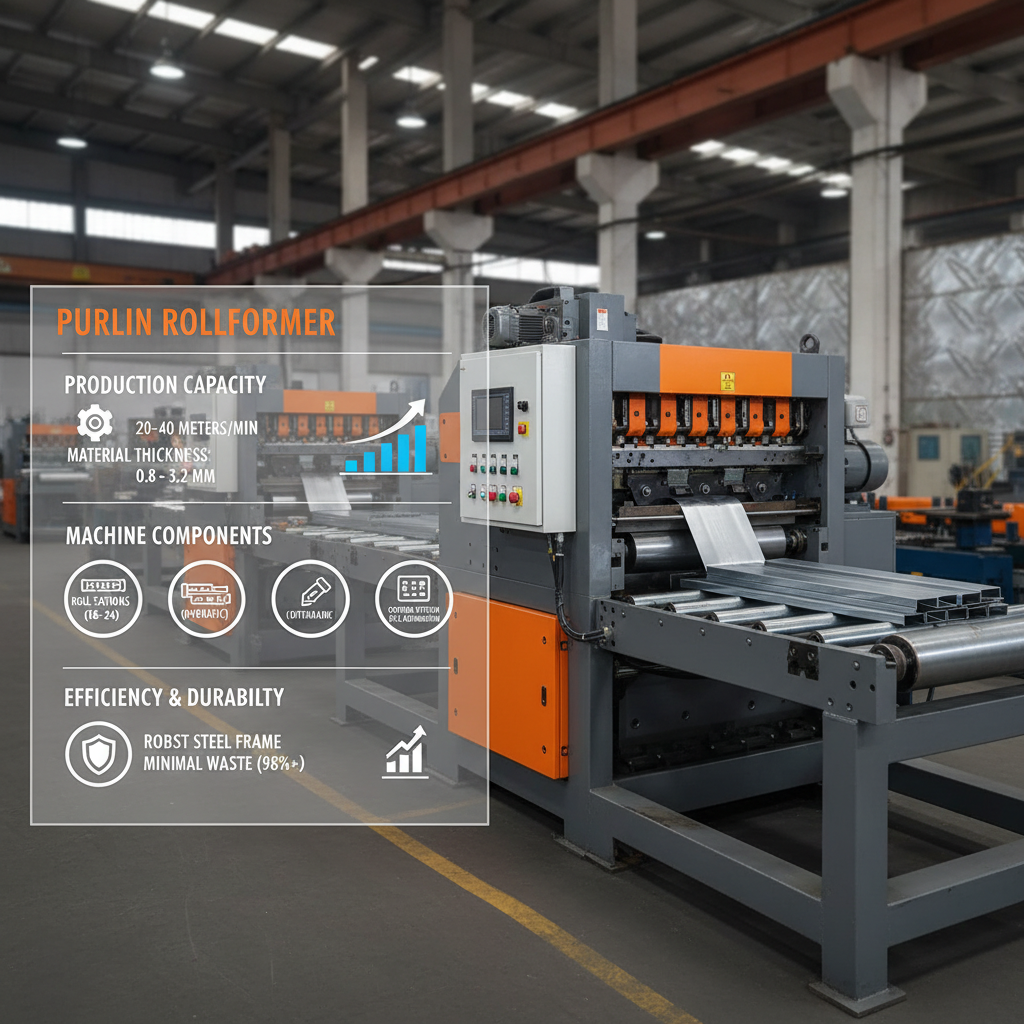
- Rolling Speed: Determines the production rate and overall efficiency.
- Gauge Capacity: Defines the thickness of steel coils the machine can process.
- Profile Variety: The range of purlin profiles the machine can produce.
- Automation Level: The degree of automation influences labor costs and production accuracy.
- Control System: PLC control systems offer precise control and ease of operation.
- Cutting Accuracy: Precise cutting is crucial for minimizing material waste and ensuring proper fit.
Key Considerations: Prioritize features that align with your specific production requirements and long-term goals. Investing in a machine with scalability will ensure it can accommodate future growth.
Purlin Machine Applications in Construction
Purlin machines are indispensable in a wide array of construction applications, including:
- Light Gauge Steel Framing (LGSF): Creating the structural framework for residential, commercial, and industrial buildings.
- Steel Buildings: Manufacturing purlins for large-span steel structures, such as warehouses, factories, and agricultural buildings.
- Roofing Systems: Providing support for roof sheeting and cladding materials.
- Wall Cladding: Fabricating structural members for wall panels and cladding systems.
Purlin Machine Comparison: Manual vs. Automatic
Choosing between a manual and an automatic purlin machine depends on production volume, budget, and labor availability. Here's a comparison:
Benefits of Investing in a Quality Purlin Machine
Investing in a high-quality purlin machine offers numerous benefits, including:
- Increased Production Efficiency: Automated operation and high rolling speeds significantly boost output.
- Reduced Labor Costs: Minimizes manual labor requirements, lowering operational expenses.
- Improved Accuracy: Precise forming and cutting ensure consistent quality and minimize material waste.
- Enhanced Profitability: Lower costs and increased production translate to higher profit margins.
- Greater Flexibility: Ability to produce a variety of purlin profiles to meet diverse project needs.
Choosing the Right Supplier
Selecting a reputable supplier is just as important as choosing the right machine. Look for a supplier with a proven track record, excellent customer support, and the ability to provide customized solutions. XHEquipment specializes in high-quality purlin machines and offers comprehensive support to help you optimize your production process.
Conclusion: Investing in the Future of Steel Construction
A purlin machine is a crucial investment for any business involved in steel construction. By carefully considering your production needs, budget, and the features discussed in this guide, you can select a machine that delivers efficiency, accuracy, and long-term profitability. Don't hesitate to contact a trusted supplier like XHEquipment for expert advice and support.
Frequently Asked Questions (FAQs)
What type of steel coil is best suited for purlin machines?
Generally, galvanized steel coil is the most commonly used material for purlin machines due to its corrosion resistance and strength. The gauge (thickness) of the coil needs to be compatible with the machine’s gauge capacity. High-tensile steel coils are also frequently used for applications requiring increased load-bearing capabilities. It's essential to check the machine's specifications to determine the compatible steel types and gauges. Using the wrong material can damage the machine and void any warranties.
What maintenance is required for a purlin machine?
Regular maintenance is critical for ensuring the longevity and optimal performance of your purlin machine. This includes lubricating moving parts, inspecting rollers and cutters for wear, cleaning the machine to remove dust and debris, and checking electrical connections. Refer to the manufacturer's manual for a detailed maintenance schedule and specific recommendations. Preventative maintenance can significantly reduce the risk of breakdowns and costly repairs.
How much space is required to operate a purlin machine?
The space requirements for a purlin machine vary depending on the machine's size and configuration. You'll need adequate space for the coil loading area, the machine itself, the roll-forming process, and the finished purlin stacking area. Consider a minimum of 20-30 meters in length and 5-10 meters in width for a typical automatic purlin machine. Proper ventilation is also crucial to remove fumes and dust generated during operation.
What safety precautions should be taken when operating a purlin machine?
Safety is paramount when operating a purlin machine. Always wear appropriate personal protective equipment (PPE), including safety glasses, gloves, and ear protection. Ensure the machine is properly grounded and that all safety guards are in place. Never reach into the machine while it is running. Proper training on the machine's operation and safety procedures is essential for all operators. Regularly inspect safety features to ensure they are functioning correctly.
-
High Precision Ridge Cap Roll Forming Machine for Modern RoofingNewsApr.16,2026
-
Professional Ridge Cap Roll Forming Solutions for Metal RoofingNewsApr.09,2026
-
Comprehensive Guide to Ridge Cap Machine Functionality and ApplicationsNewsApr.07,2026
-
Comprehensive Guide to Reidius Roll Forming Machineries and Their Diverse ApplicationsNewsApr.04,2026
-
Comprehensive Guide to Rack Roll Forming Machines for Efficient ProductionNewsMar.31,2026
-
Comprehensive Guide to R Panel Roll Forming Machine Applications and SelectionNewsMar.28,2026
