

Find Premium Sheet Metal Roll Forming Machines for Sale and Expert Guidance
Sheet Metal Roll Forming Machines for Sale: A Comprehensive Guide
Investing in a sheet metal roll forming machine is a crucial step for businesses looking to efficiently produce consistent, high-quality metal profiles. Choosing the right machine can significantly impact your production capabilities, costs, and overall profitability. This article will delve into the world of sheet metal roll forming machines, covering key considerations, types of machines available, benefits, and where to find reliable suppliers. Whether you’re starting a new operation or upgrading existing equipment, we’ll provide the insights you need to make an informed decision. We’ll focus on understanding your requirements and finding a machine that meets your specific needs.
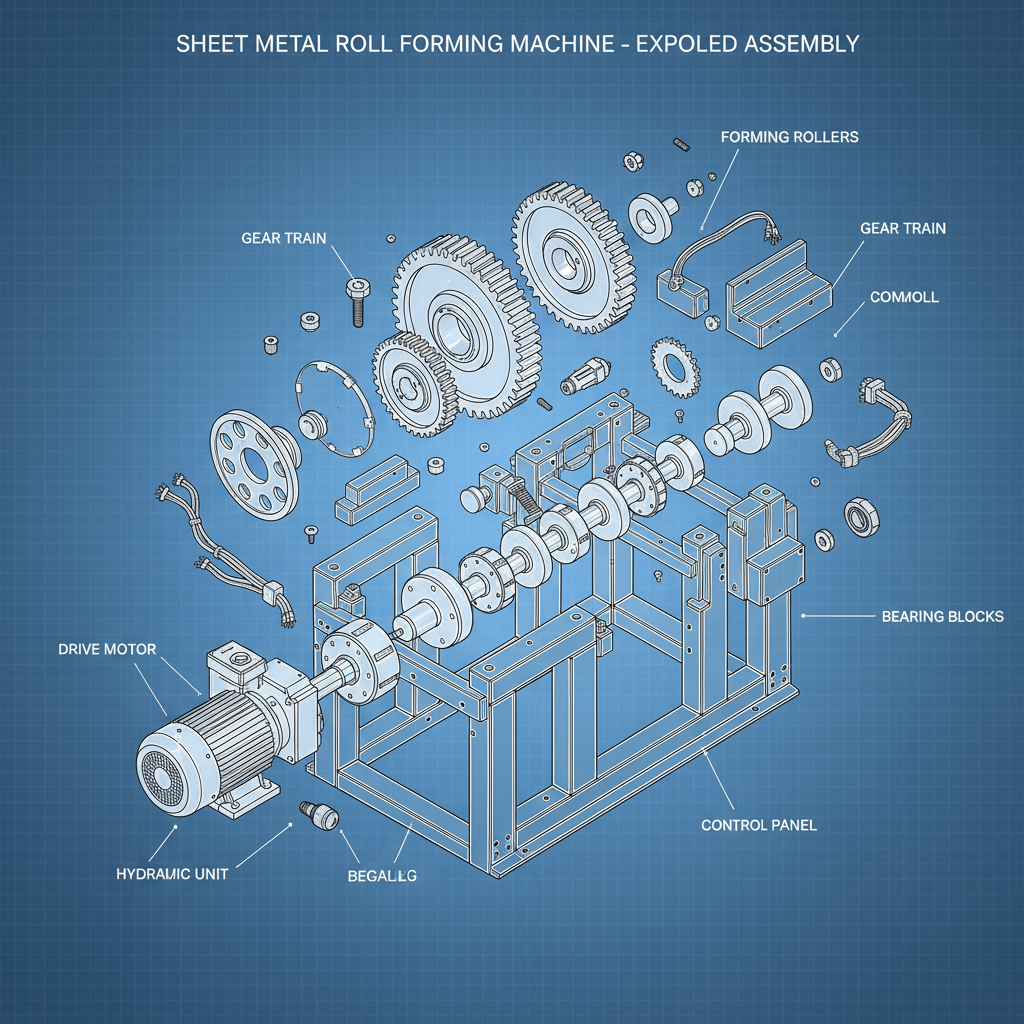
Understanding Sheet Metal Roll Forming Machines
Sheet metal roll forming is a continuous bending process that utilizes a series of rollers to progressively shape a flat metal sheet into a desired profile. Unlike stamping or pressing, roll forming doesn't significantly alter the metal’s thickness, making it ideal for producing long, consistent lengths of profiles. These machines are incredibly versatile and can create a vast array of shapes, including channels, angles, curves, and more complex profiles. They are widely used in industries like construction, automotive, appliance manufacturing, and racking systems. Properly understanding the process and the machine's components is vital for maximizing its performance and lifespan.
Key Benefits: High production speed, consistent product quality, reduced material waste, versatility in profile design, and cost-effectiveness for high-volume production.
Types of Sheet Metal Roll Forming Machines for Sale
The market offers various types of sheet metal roll forming machines, each suited for different production needs. Here's a breakdown of the common types:
Key Considerations When Purchasing a Machine
Before investing in a sheet metal roll forming machine, several factors require careful consideration. First, define your production requirements: What types of profiles do you need to produce? What is your expected production volume? What materials will you be working with (steel, aluminum, etc.)? Second, assess the machine’s capabilities: Does it support the required profile complexity and material thickness? What is its maximum production speed? Third, consider automation features: Will you need automated feeding, cutting, or stacking systems? Automation can significantly increase efficiency but also adds to the initial cost. Finally, don’t forget about after-sales service and support – a reliable supplier will offer training, maintenance, and readily available spare parts.
Essential Questions to Ask Suppliers:
• What is the machine’s warranty period?
• What kind of training and support do you offer?
• What is the lead time for delivery?
• Do you offer customized solutions?
Choosing a Reliable Supplier: XH Equipment
Selecting a reputable supplier is just as important as choosing the right machine. XH Equipment is a leading provider of high-quality sheet metal roll forming machines, offering a wide range of solutions to meet diverse industrial needs. We specialize in designing, manufacturing, and supplying both standard and customized machines. Our commitment to innovation, quality, and customer satisfaction sets us apart. We offer comprehensive support services, including installation, training, and ongoing maintenance, to ensure your operations run smoothly. We strive to deliver reliable and efficient machines that maximize your productivity and profitability.
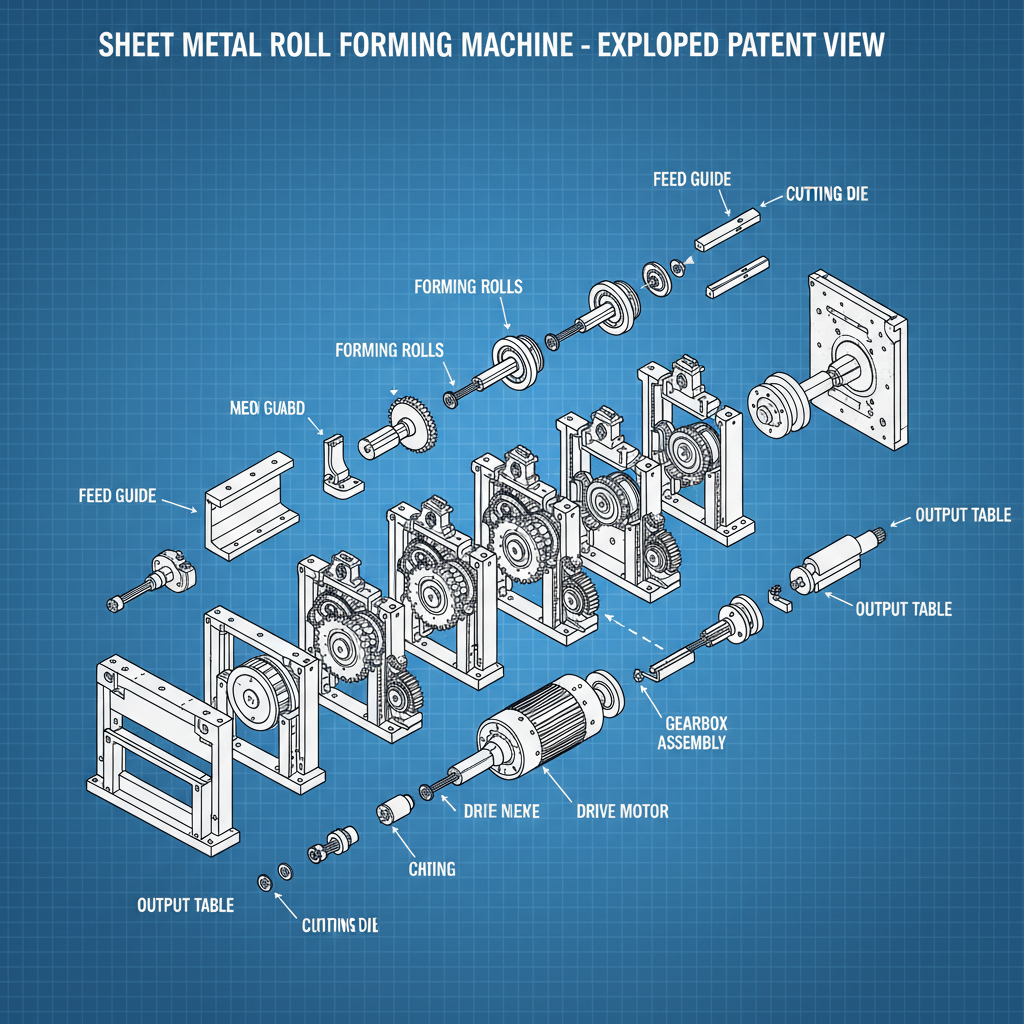
Product Specifications - Example Model XR300
Here's a snapshot of specifications for our XR300 roll forming machine, illustrating the level of detail we provide:
Conclusion: Invest in Quality and Reliability
Choosing the right sheet metal roll forming machine for sale is an investment in your business's future. By carefully considering your needs, researching different types of machines, and partnering with a trusted supplier like XH Equipment, you can ensure a smooth and productive manufacturing process. Don't compromise on quality or support – choose a solution that will deliver long-term value.
Frequently Asked Questions (FAQs)
What materials can sheet metal roll forming machines handle?
Sheet metal roll forming machines are incredibly versatile and can process a wide range of materials, including carbon steel, stainless steel, aluminum, galvanized steel, and even some non-metallic materials. However, the specific material compatibility depends on the machine’s design, roller material, and forming speed. It’s crucial to specify the materials you intend to work with when purchasing a machine to ensure it’s adequately equipped to handle them without damage or premature wear.
What is the typical lead time for a custom roll forming machine?
The lead time for a custom roll forming machine varies depending on the complexity of the design, the availability of components, and the manufacturer's current workload. Generally, you can expect a lead time of 8-16 weeks from the date of order confirmation and receipt of any required deposit. It’s essential to discuss the specific timeline with the supplier during the initial consultation to ensure it aligns with your project schedule.
How much maintenance does a roll forming machine require?
Regular maintenance is crucial for ensuring the longevity and optimal performance of your roll forming machine. This includes lubricating moving parts, inspecting rollers for wear and tear, checking the alignment of the machine, and cleaning debris from the forming line. A preventative maintenance schedule, as recommended by the manufacturer, should be followed diligently. XH Equipment provides comprehensive maintenance training and support to help you keep your machine running smoothly.
What is the cost of tooling for different profiles?
The cost of tooling, or the forming rollers, depends significantly on the complexity of the profile. Simple profiles typically require less expensive tooling, while more intricate designs require more precision and therefore cost more to manufacture. A detailed quote for tooling will be provided during the design phase of your custom machine. XH Equipment strives to offer competitive tooling prices and efficient turnaround times.
-
High Precision Ridge Cap Roll Forming Machine for Modern RoofingNewsApr.16,2026
-
Professional Ridge Cap Roll Forming Solutions for Metal RoofingNewsApr.09,2026
-
Comprehensive Guide to Ridge Cap Machine Functionality and ApplicationsNewsApr.07,2026
-
Comprehensive Guide to Reidius Roll Forming Machineries and Their Diverse ApplicationsNewsApr.04,2026
-
Comprehensive Guide to Rack Roll Forming Machines for Efficient ProductionNewsMar.31,2026
-
Comprehensive Guide to R Panel Roll Forming Machine Applications and SelectionNewsMar.28,2026
