

High-Strength Line Pipe Steel for Reliable Oil & Gas Pipelines
Understanding Line Pipe Steel: A Critical Component in Global Infrastructure
The backbone of modern energy and resource transportation, line pipe steel is indispensable for industries ranging from petrochemicals to municipal water supply. These specialized steel pipes are engineered to withstand immense pressures and harsh environmental conditions, ensuring the safe and efficient conveyance of oil, natural gas, water, and other fluids across vast distances. Their robust construction and precise manufacturing are critical for maintaining the integrity and operational safety of global pipeline networks. Our focus herein is to delve into the intricacies of this vital material, examining its manufacturing processes, technical specifications, and widespread applications.
Industry Trends and Market Dynamics for Line Pipe Steel
The global market for line pipe steel is heavily influenced by energy demand, geopolitical factors, and infrastructure development. Recent trends indicate a robust demand driven by new oil and gas exploration projects, particularly in regions like North America, the Middle East, and Asia-Pacific. The transition towards cleaner energy sources also necessitates new infrastructure for natural gas, which remains a key bridging fuel. Additionally, aging pipeline infrastructure worldwide requires significant investment in maintenance, repair, and replacement, further bolstering demand. Technological advancements, such as higher strength steels (e.g., API 5L X80 and X100) and enhanced corrosion resistance coatings, are also shaping market dynamics, leading to more efficient and durable pipeline solutions. Environmental regulations and safety standards are becoming increasingly stringent, pushing manufacturers to innovate and adhere to the highest quality benchmarks.
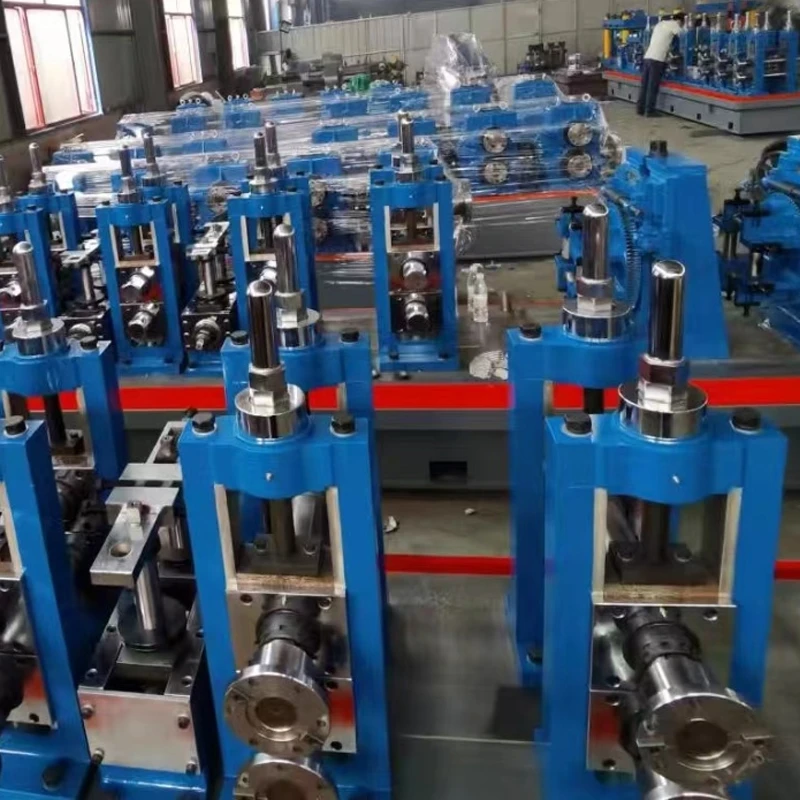
The demand for large-diameter, high-pressure linepipe continues to grow, particularly for long-distance transmission lines. This trend emphasizes the importance of advanced manufacturing capabilities, including sophisticated welding techniques and non-destructive testing, to ensure the structural integrity required for such critical applications. The market is also seeing a rise in specialized applications, such as sour service pipelines designed to handle corrosive H₂S-containing fluids, requiring specific material chemistries and heat treatments.
Manufacturing Process Flow of Line Pipe Steel
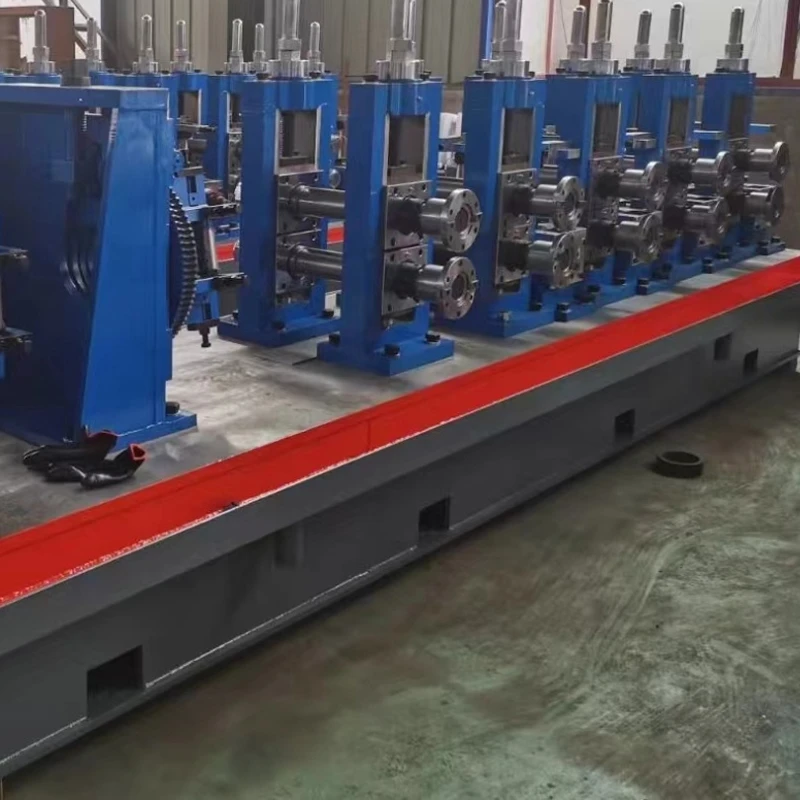
The production of line pipe steel involves a series of meticulously controlled steps to ensure the final product meets stringent industry standards for strength, durability, and reliability. This process begins with high-quality raw materials and progresses through forming, welding, heat treatment, and rigorous testing.
Detailed Production Sequence:
Step 1: Raw Material Preparation (Steel Coils/Plates)
- Materials: High-grade steel coils or plates, typically low-carbon manganese steels, often micro-alloyed with niobium, vanadium, or titanium for enhanced strength and toughness. Common grades conform to API 5L specifications (e.g., X42, X52, X60, X70, X80).
- Process: Coils are uncoiled and flattened. Edges are trimmed and beveled for optimal welding. For seamless pipes, steel billets are used.
Step 2: Forming
- Processes:
- ERW (Electric Resistance Welding): Strip is cold-formed into a cylindrical shape, then high-frequency current heats the edges to a plastic state, fusing them together without filler metal.
- SAW (Submerged Arc Welding): Large diameter pipes.
- LSAW (Longitudinal SAW): Plates are progressively formed into a U-shape, then an O-shape, and finally welded internally and externally using SAW.
- HSAW/SSAW (Helical/Spiral SAW): Strips are helically formed and welded.
- Seamless Pipe (for smaller diameters/higher pressures): Hot rolling of billets (e.g., Mannesmann process) or cold drawing.
Step 3: Welding and Heat Treatment
- Welding: For welded gas pipe, the longitudinal or helical seams are created. SAW typically uses multiple passes.
- Heat Treatment (Post-Weld): Stress relieving, normalizing, or tempering processes may be applied to improve mechanical properties and relieve residual stresses. This is crucial for achieving specific strength and toughness requirements.
Step 4: Sizing, Straightening, and End Finishing
- Sizing: Pipes are expanded or sized to meet exact diameter specifications and improve roundness.
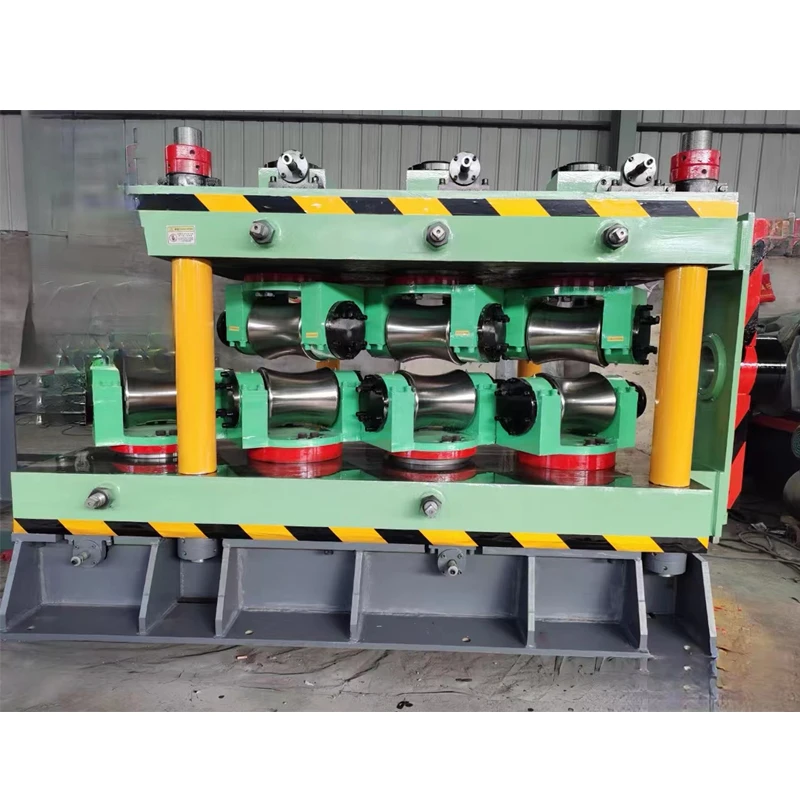
- Straightening: Roller straighteners ensure the pipe is perfectly straight.
- End Finishing: Pipe ends are beveled for field welding.
Step 5: Testing and Inspection
- Testing Standards: Pipes undergo rigorous testing to meet international standards such as ISO 3183, ANSI/API 5L, ASTM, EN, and DNV.
- Non-Destructive Testing (NDT): Ultrasonic testing, X-ray inspection, magnetic particle inspection, and eddy current testing are used to detect internal and surface flaws in the weld seam and pipe body.
- Hydrostatic Testing: Each pipe is subjected to high internal water pressure to verify its leak tightness and structural integrity. This is a crucial safety check for any steel pipe line.
- Destructive Testing: Mechanical tests (tensile strength, yield strength, impact toughness, hardness) are performed on samples. Chemical analysis verifies material composition.
Step 6: Coating and Dispatch
- Coating: External and internal coatings (e.g., FBE, 3LPE, asphalt enamel, epoxy lining) are applied for corrosion protection and flow efficiency.
- Dispatch: Pipes are marked, bundled, and prepared for shipment.
Technical Specifications and Parameters
Linepipe is manufactured to precise technical specifications that define its mechanical properties, chemical composition, dimensions, and testing requirements. Adherence to standards like API 5L is crucial for ensuring compatibility and safety across pipeline projects.
Typical Line Pipe Steel Specifications (API 5L)
| Parameter | API 5L Grade X42 | API 5L Grade X65 | API 5L Grade X80 |
|---|---|---|---|
| Yield Strength (min) | 290 MPa (42,000 psi) | 448 MPa (65,000 psi) | 552 MPa (80,000 psi) |
| Tensile Strength (min) | 414 MPa (60,000 psi) | 531 MPa (77,000 psi) | 620 MPa (90,000 psi) |
| Max Carbon Content (C) | 0.28% | 0.28% | 0.28% |
| Max Manganese (Mn) | 1.40% | 1.70% | 1.90% |
| Minimum Impact Energy (Charpy V-notch at 0°C) | 27 Joules | 40 Joules | 60 Joules |
| Outer Diameter Range | Typically 21.3 mm (0.84 in) to 1422 mm (56 in) | ||
| Wall Thickness Range | Typically 3.2 mm (0.125 in) to 25.4 mm (1.00 in) | ||
| Service Life Expectancy | 50+ years with proper maintenance and coatings | ||
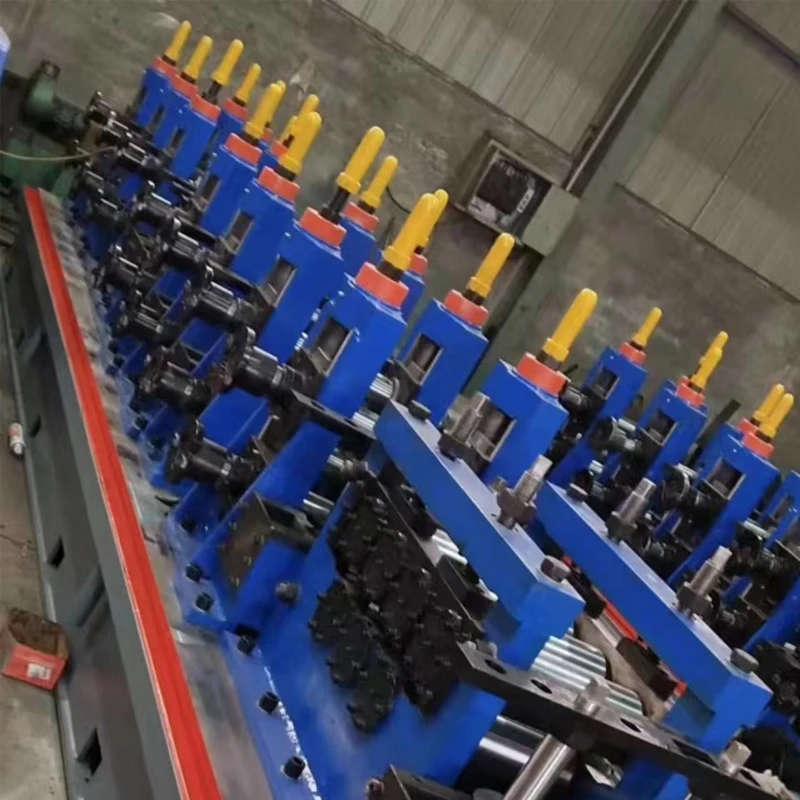
The selection of the appropriate line pipe steel grade depends on factors such as operating pressure, temperature, fluid corrosivity, and environmental conditions. Higher grades (e.g., X80) offer superior strength, allowing for thinner walls and reduced material usage, which can significantly lower project costs and installation complexities for long-distance pipelines.
Application Scenarios and Target Industries
The versatility and robust performance of line pipe steel make it indispensable across a multitude of critical infrastructure projects globally. Its primary function is the safe and efficient transportation of various substances, often under challenging conditions.
Key Industries Utilizing Line Pipe Steel:
- Petrochemical Industry: Extensive use in crude oil and natural gas transmission pipelines, both onshore and offshore. This includes high-pressure gas transmission, oil gathering lines, and refined product pipelines. Our welded gas pipe solutions are specifically designed for these demanding applications.
- Metallurgy: Used for conveying slurry, industrial gases, and cooling water within steel plants and other metallurgical facilities.
- Water Supply & Drainage: Large-diameter pipes are crucial for municipal water distribution networks, irrigation systems, and wastewater collection, ensuring clean water delivery and efficient waste management.
- Mining: Transporting mineral slurries, process water, and tailings over long distances, often in remote and rugged terrains.
- Power Generation: Used in cooling water systems for power plants, as well as for transporting fuels.
Advantages in Typical Application Scenarios:
- Energy Saving: The smooth internal surface, often enhanced with specialized internal coatings, minimizes friction, reducing pumping energy requirements for fluid transport. This leads to significant operational cost savings over the pipeline's lifecycle.
- Corrosion Resistance: With advanced external coatings (e.g., 3LPE, FBE) and internal linings, line pipe steel offers superior resistance to external environmental corrosion and internal chemical attack, extending service life and reducing maintenance.
- High Pressure Capability: Engineered to safely operate under very high internal pressures, essential for efficient long-distance gas and oil transmission. This minimizes the need for intermediate pumping stations.
- Durability & Longevity: Designed for a service life exceeding 50 years, even in challenging environments like subsea or arctic conditions, due to optimized material properties and robust construction.
- Environmental Safety: The inherent strength and integrity of modern linepipe significantly reduce the risk of leaks and ruptures, protecting ecosystems and communities from potential spills.
Vendor Comparison: Choosing the Right Line Pipe Steel Supplier
Selecting a supplier for line pipe steel is a critical decision that impacts project timelines, budget, and long-term operational integrity. Key factors include adherence to international standards, manufacturing capabilities, quality control, and post-sales support.
Comparison of Key Vendor Attributes
| Attribute | Tier 1 Manufacturer (e.g., XH Equipment) | Standard Supplier |
|---|---|---|
| Certifications & Compliance | API 5L, ISO 9001, ISO 14001, OHSAS 18001, CE, PED, DNV. Extensive third-party audits. | Basic API 5L, local standards. May lack comprehensive international certifications. |
| Quality Control & Testing | 100% NDT (UT, X-ray), Hydrostatic testing, advanced mechanical & chemical analysis. In-house R&D. | Standard NDT, basic hydrostatic tests. Limited R&D investment. |
| Customization Capabilities | Extensive; custom steel grades, dimensions, lengths, coatings, and end finishes for unique project requirements. | Limited; primarily standard products. Customization often outsourced or unavailable. |
| Project Experience & Track Record | Decades of experience with major national and international projects, recognized global partners. Case studies available. | Newer or regional focus, fewer large-scale international projects. |
| Lead Time & Logistics | Optimized production lines, strong supply chain, global logistics network ensuring timely delivery. | May vary, potential for delays due to limited capacity or logistics. |
| After-Sales Support | Dedicated technical support, on-site assistance, warranty programs, and long-term partnership approach. | Basic support, limited long-term engagement. |
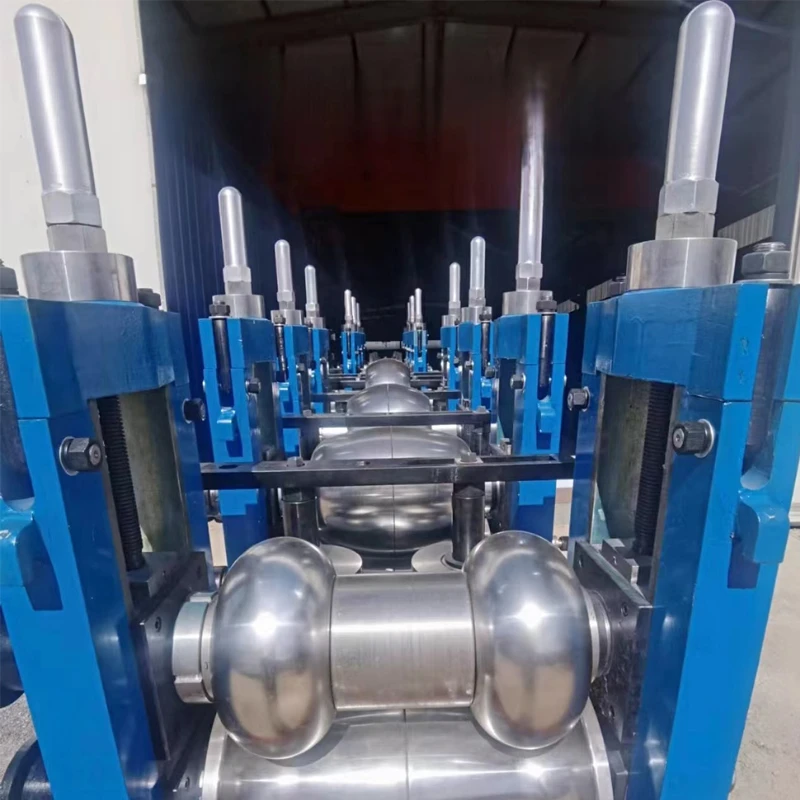
Choosing a reputable manufacturer like XH Equipment, with established expertise in welded pipe production line technologies, ensures not only product quality but also comprehensive project support. Our commitment to exceeding international standards like API 5L and ISO 9001, combined with decades of experience, positions us as a trusted partner for critical pipeline infrastructure.
Customized Solutions for Complex Projects
Many large-scale infrastructure projects require more than off-the-shelf line pipe steel. Environmental conditions, operational pressures, and the specific nature of the transported fluid often necessitate bespoke solutions. Customization ensures optimal performance and extended service life in challenging applications.
Areas of Customization:
- Material Grade & Chemical Composition: Tailoring steel chemistry for specific strength, toughness, and corrosion resistance (e.g., sour service applications, low-temperature performance). This involves precise control of micro-alloying elements like Nb, V, Ti, and careful management of carbon equivalent (CE).
- Dimensional Specifications: Production of pipes with non-standard outer diameters, wall thicknesses, and lengths to meet unique design parameters and minimize field welds.
- Specialty Coatings & Linings: Application of advanced internal anti-corrosion linings (e.g., liquid epoxy, cement mortar) for abrasive slurries or potable water, and external coatings for aggressive soil conditions (e.g., high-build FBE, multi-layer polyolefin systems).
- Heat Treatment Regimes: Customized heat treatment processes (e.g., quenching and tempering, controlled rolling) to achieve specific mechanical properties, microstructure, and resistance to environmental cracking (e.g., HIC, SCC).
- End Preparations: Unique bevel designs or coupling readiness for specialized joining techniques.
Our engineering teams collaborate closely with clients to understand project-specific challenges and deliver optimized line pipe steel solutions. This client-centric approach, backed by advanced manufacturing capabilities and extensive R&D, ensures that even the most complex requirements are met with precision and reliability.
Application Case Studies & Client Successes
Our track record in supplying high-quality line pipe steel to demanding projects globally underscores our commitment to excellence and client satisfaction. These case studies highlight our capabilities in diverse and challenging environments.
Case Study 1: Arctic Natural Gas Pipeline
- Challenge: To supply large-diameter, high-strength linepipe capable of operating reliably in extreme sub-zero temperatures (-40°C) with significant seismic activity risk.
- Solution: We provided custom API 5L X70 steel pipes with enhanced impact toughness (Charpy V-notch energy > 100J at -40°C), achieved through controlled rolling and specialized heat treatment. Pipes were supplied with 3LPE coating for superior external corrosion protection in permafrost.
- Outcome: The project successfully installed a crucial 800 km natural gas transmission line, demonstrating exceptional material performance and durability under severe environmental conditions. Client feedback highlighted seamless integration and reduced field welding time due to precise dimensional control.
Case Study 2: Offshore Oil Gathering Network
- Challenge: Supply sour service compatible line pipe steel for an offshore oil field containing H₂S and CO₂, requiring high resistance to Hydrogen Induced Cracking (HIC) and Sulfide Stress Corrosion Cracking (SSCC).
- Solution: We delivered API 5L X65 PSL2 pipes with specific chemical composition adjustments (low P, S, and Ceq), rigorous HIC testing (NACE TM0284 with CSR
- Outcome: The project completed 150 km of subsea pipelines, ensuring reliable and safe transport of corrosive crude oil. Our pipes significantly exceeded the required anti-corrosion performance, contributing to a projected operational lifespan of over 40 years.
Case Study 3: Municipal Water Transmission Line
- Challenge: Provide large-diameter, durable pipes for a new municipal water supply system, minimizing leakage and ensuring potable water quality.
- Solution: We supplied LSAW linepipe with an external asphalt enamel coating and an internal cement mortar lining, meeting AWWA standards. Our precise manufacturing ensured tight dimensional tolerances, facilitating rapid and secure jointing.
- Outcome: The city's new water main, spanning 200 km, was installed ahead of schedule, providing a reliable and safe water supply to over a million residents. The chosen coating and lining solutions guaranteed long-term corrosion protection and maintained water purity, an excellent example of a successful steel pipe line.
Frequently Asked Questions (FAQ)
Q1: What is the typical lead time for a large order of line pipe steel?
A1: Lead times vary depending on the specific product grade, dimensions, quantity, and customization requirements. For standard API 5L grades, production typically takes 4-8 weeks. Customized or large-volume orders may require 10-16 weeks. We provide detailed lead time estimates upon project consultation. Efficient logistics and production planning are key to our fulfillment details.
Q2: What warranty is offered on your line pipe steel products?
A2: We offer a comprehensive warranty covering manufacturing defects and material non-conformity to agreed specifications for a period of up to 2 years from the date of shipment or as specified in the project contract. Our products are guaranteed to meet or exceed all stipulated international standards such as API 5L and ISO.
Q3: Can you assist with the design and engineering aspects of a pipeline project?
A3: While our primary focus is on manufacturing superior linepipe, our experienced engineering team can provide technical consultation, material selection guidance, and support for design optimization, especially concerning pipe specifications, coating systems, and welding procedures. We collaborate closely with client engineers and EPC contractors.
Q4: What kind of after-sales support do you provide?
A4: Our commitment extends beyond delivery. We offer dedicated after-sales support including technical assistance for installation and welding, troubleshooting, and advice on maintenance. Our global network allows for prompt responses to any inquiries or on-site support needs. Customer satisfaction and long-term partnerships are paramount.
Contact and Further Information
For detailed inquiries, project consultations, or to request a quote for our line pipe steel solutions, please do not hesitate to contact our sales and technical support teams. We are committed to providing the highest quality products and comprehensive service to meet your specific project requirements.
XH Equipment - Your Partner in Advanced Pipeline Solutions.
References
- American Petroleum Institute. API Specification 5L, Specification for Line Pipe.
- International Organization for Standardization. ISO 3183:2019, Petroleum and natural gas industries - Steel pipe for pipelines - Technical delivery conditions.
- NACE International. NACE TM0284, Standard Test Method Evaluation of Pipeline and Pressure Vessel Steels for Resistance to Hydrogen-Induced Cracking at Ambient Temperature.
- Welding Institute (TWI). Advancements in Pipeline Welding Technologies.
- Energy Information Administration (EIA). International Energy Outlook.
-
High Precision Ridge Cap Roll Forming Machine for Modern RoofingNewsApr.16,2026
-
Professional Ridge Cap Roll Forming Solutions for Metal RoofingNewsApr.09,2026
-
Comprehensive Guide to Ridge Cap Machine Functionality and ApplicationsNewsApr.07,2026
-
Comprehensive Guide to Reidius Roll Forming Machineries and Their Diverse ApplicationsNewsApr.04,2026
-
Comprehensive Guide to Rack Roll Forming Machines for Efficient ProductionNewsMar.31,2026
-
Comprehensive Guide to R Panel Roll Forming Machine Applications and SelectionNewsMar.28,2026
High-Strength Line Pipe Steel for Reliable Oil & Gas Pipelines
Understanding Line Pipe Steel: A Critical Component in Global Infrastructure
The backbone of modern energy and resource transportation, line pipe steel is indispensable for industries ranging from petrochemicals to municipal water supply. These specialized steel pipes are engineered to withstand immense pressures and harsh environmental conditions, ensuring the safe and efficient conveyance of oil, natural gas, water, and other fluids across vast distances. Their robust construction and precise manufacturing are critical for maintaining the integrity and operational safety of global pipeline networks. Our focus herein is to delve into the intricacies of this vital material, examining its manufacturing processes, technical specifications, and widespread applications.
Industry Trends and Market Dynamics for Line Pipe Steel
The global market for line pipe steel is heavily influenced by energy demand, geopolitical factors, and infrastructure development. Recent trends indicate a robust demand driven by new oil and gas exploration projects, particularly in regions like North America, the Middle East, and Asia-Pacific. The transition towards cleaner energy sources also necessitates new infrastructure for natural gas, which remains a key bridging fuel. Additionally, aging pipeline infrastructure worldwide requires significant investment in maintenance, repair, and replacement, further bolstering demand. Technological advancements, such as higher strength steels (e.g., API 5L X80 and X100) and enhanced corrosion resistance coatings, are also shaping market dynamics, leading to more efficient and durable pipeline solutions. Environmental regulations and safety standards are becoming increasingly stringent, pushing manufacturers to innovate and adhere to the highest quality benchmarks.
The demand for large-diameter, high-pressure linepipe continues to grow, particularly for long-distance transmission lines. This trend emphasizes the importance of advanced manufacturing capabilities, including sophisticated welding techniques and non-destructive testing, to ensure the structural integrity required for such critical applications. The market is also seeing a rise in specialized applications, such as sour service pipelines designed to handle corrosive H₂S-containing fluids, requiring specific material chemistries and heat treatments.
Manufacturing Process Flow of Line Pipe Steel
The production of line pipe steel involves a series of meticulously controlled steps to ensure the final product meets stringent industry standards for strength, durability, and reliability. This process begins with high-quality raw materials and progresses through forming, welding, heat treatment, and rigorous testing.
Detailed Production Sequence:
Step 1: Raw Material Preparation (Steel Coils/Plates)
- Materials: High-grade steel coils or plates, typically low-carbon manganese steels, often micro-alloyed with niobium, vanadium, or titanium for enhanced strength and toughness. Common grades conform to API 5L specifications (e.g., X42, X52, X60, X70, X80).
- Process: Coils are uncoiled and flattened. Edges are trimmed and beveled for optimal welding. For seamless pipes, steel billets are used.
Step 2: Forming
- Processes:
- ERW (Electric Resistance Welding): Strip is cold-formed into a cylindrical shape, then high-frequency current heats the edges to a plastic state, fusing them together without filler metal.
- SAW (Submerged Arc Welding): Large diameter pipes.
- LSAW (Longitudinal SAW): Plates are progressively formed into a U-shape, then an O-shape, and finally welded internally and externally using SAW.
- HSAW/SSAW (Helical/Spiral SAW): Strips are helically formed and welded.
- Seamless Pipe (for smaller diameters/higher pressures): Hot rolling of billets (e.g., Mannesmann process) or cold drawing.
Step 3: Welding and Heat Treatment
- Welding: For welded gas pipe, the longitudinal or helical seams are created. SAW typically uses multiple passes.
- Heat Treatment (Post-Weld): Stress relieving, normalizing, or tempering processes may be applied to improve mechanical properties and relieve residual stresses. This is crucial for achieving specific strength and toughness requirements.
Step 4: Sizing, Straightening, and End Finishing
- Sizing: Pipes are expanded or sized to meet exact diameter specifications and improve roundness.
- Straightening: Roller straighteners ensure the pipe is perfectly straight.
- End Finishing: Pipe ends are beveled for field welding.
Step 5: Testing and Inspection
- Testing Standards: Pipes undergo rigorous testing to meet international standards such as ISO 3183, ANSI/API 5L, ASTM, EN, and DNV.
- Non-Destructive Testing (NDT): Ultrasonic testing, X-ray inspection, magnetic particle inspection, and eddy current testing are used to detect internal and surface flaws in the weld seam and pipe body.
- Hydrostatic Testing: Each pipe is subjected to high internal water pressure to verify its leak tightness and structural integrity. This is a crucial safety check for any steel pipe line.
- Destructive Testing: Mechanical tests (tensile strength, yield strength, impact toughness, hardness) are performed on samples. Chemical analysis verifies material composition.
Step 6: Coating and Dispatch
- Coating: External and internal coatings (e.g., FBE, 3LPE, asphalt enamel, epoxy lining) are applied for corrosion protection and flow efficiency.
- Dispatch: Pipes are marked, bundled, and prepared for shipment.
Technical Specifications and Parameters
Linepipe is manufactured to precise technical specifications that define its mechanical properties, chemical composition, dimensions, and testing requirements. Adherence to standards like API 5L is crucial for ensuring compatibility and safety across pipeline projects.
Typical Line Pipe Steel Specifications (API 5L)
| Parameter | API 5L Grade X42 | API 5L Grade X65 | API 5L Grade X80 |
|---|---|---|---|
| Yield Strength (min) | 290 MPa (42,000 psi) | 448 MPa (65,000 psi) | 552 MPa (80,000 psi) |
| Tensile Strength (min) | 414 MPa (60,000 psi) | 531 MPa (77,000 psi) | 620 MPa (90,000 psi) |
| Max Carbon Content (C) | 0.28% | 0.28% | 0.28% |
| Max Manganese (Mn) | 1.40% | 1.70% | 1.90% |
| Minimum Impact Energy (Charpy V-notch at 0°C) | 27 Joules | 40 Joules | 60 Joules |
| Outer Diameter Range | Typically 21.3 mm (0.84 in) to 1422 mm (56 in) | ||
| Wall Thickness Range | Typically 3.2 mm (0.125 in) to 25.4 mm (1.00 in) | ||
| Service Life Expectancy | 50+ years with proper maintenance and coatings | ||
The selection of the appropriate line pipe steel grade depends on factors such as operating pressure, temperature, fluid corrosivity, and environmental conditions. Higher grades (e.g., X80) offer superior strength, allowing for thinner walls and reduced material usage, which can significantly lower project costs and installation complexities for long-distance pipelines.
Application Scenarios and Target Industries
The versatility and robust performance of line pipe steel make it indispensable across a multitude of critical infrastructure projects globally. Its primary function is the safe and efficient transportation of various substances, often under challenging conditions.
Key Industries Utilizing Line Pipe Steel:
- Petrochemical Industry: Extensive use in crude oil and natural gas transmission pipelines, both onshore and offshore. This includes high-pressure gas transmission, oil gathering lines, and refined product pipelines. Our welded gas pipe solutions are specifically designed for these demanding applications.
- Metallurgy: Used for conveying slurry, industrial gases, and cooling water within steel plants and other metallurgical facilities.
- Water Supply & Drainage: Large-diameter pipes are crucial for municipal water distribution networks, irrigation systems, and wastewater collection, ensuring clean water delivery and efficient waste management.
- Mining: Transporting mineral slurries, process water, and tailings over long distances, often in remote and rugged terrains.
- Power Generation: Used in cooling water systems for power plants, as well as for transporting fuels.
Advantages in Typical Application Scenarios:
- Energy Saving: The smooth internal surface, often enhanced with specialized internal coatings, minimizes friction, reducing pumping energy requirements for fluid transport. This leads to significant operational cost savings over the pipeline's lifecycle.
- Corrosion Resistance: With advanced external coatings (e.g., 3LPE, FBE) and internal linings, line pipe steel offers superior resistance to external environmental corrosion and internal chemical attack, extending service life and reducing maintenance.
- High Pressure Capability: Engineered to safely operate under very high internal pressures, essential for efficient long-distance gas and oil transmission. This minimizes the need for intermediate pumping stations.
- Durability & Longevity: Designed for a service life exceeding 50 years, even in challenging environments like subsea or arctic conditions, due to optimized material properties and robust construction.
- Environmental Safety: The inherent strength and integrity of modern linepipe significantly reduce the risk of leaks and ruptures, protecting ecosystems and communities from potential spills.
Vendor Comparison: Choosing the Right Line Pipe Steel Supplier
Selecting a supplier for line pipe steel is a critical decision that impacts project timelines, budget, and long-term operational integrity. Key factors include adherence to international standards, manufacturing capabilities, quality control, and post-sales support.
Comparison of Key Vendor Attributes
| Attribute | Tier 1 Manufacturer (e.g., XH Equipment) | Standard Supplier |
|---|---|---|
| Certifications & Compliance | API 5L, ISO 9001, ISO 14001, OHSAS 18001, CE, PED, DNV. Extensive third-party audits. | Basic API 5L, local standards. May lack comprehensive international certifications. |
| Quality Control & Testing | 100% NDT (UT, X-ray), Hydrostatic testing, advanced mechanical & chemical analysis. In-house R&D. | Standard NDT, basic hydrostatic tests. Limited R&D investment. |
| Customization Capabilities | Extensive; custom steel grades, dimensions, lengths, coatings, and end finishes for unique project requirements. | Limited; primarily standard products. Customization often outsourced or unavailable. |
| Project Experience & Track Record | Decades of experience with major national and international projects, recognized global partners. Case studies available. | Newer or regional focus, fewer large-scale international projects. |
| Lead Time & Logistics | Optimized production lines, strong supply chain, global logistics network ensuring timely delivery. | May vary, potential for delays due to limited capacity or logistics. |
| After-Sales Support | Dedicated technical support, on-site assistance, warranty programs, and long-term partnership approach. | Basic support, limited long-term engagement. |
Choosing a reputable manufacturer like XH Equipment, with established expertise in welded pipe production line technologies, ensures not only product quality but also comprehensive project support. Our commitment to exceeding international standards like API 5L and ISO 9001, combined with decades of experience, positions us as a trusted partner for critical pipeline infrastructure.
Customized Solutions for Complex Projects
Many large-scale infrastructure projects require more than off-the-shelf line pipe steel. Environmental conditions, operational pressures, and the specific nature of the transported fluid often necessitate bespoke solutions. Customization ensures optimal performance and extended service life in challenging applications.
Areas of Customization:
- Material Grade & Chemical Composition: Tailoring steel chemistry for specific strength, toughness, and corrosion resistance (e.g., sour service applications, low-temperature performance). This involves precise control of micro-alloying elements like Nb, V, Ti, and careful management of carbon equivalent (CE).
- Dimensional Specifications: Production of pipes with non-standard outer diameters, wall thicknesses, and lengths to meet unique design parameters and minimize field welds.
- Specialty Coatings & Linings: Application of advanced internal anti-corrosion linings (e.g., liquid epoxy, cement mortar) for abrasive slurries or potable water, and external coatings for aggressive soil conditions (e.g., high-build FBE, multi-layer polyolefin systems).
- Heat Treatment Regimes: Customized heat treatment processes (e.g., quenching and tempering, controlled rolling) to achieve specific mechanical properties, microstructure, and resistance to environmental cracking (e.g., HIC, SCC).
- End Preparations: Unique bevel designs or coupling readiness for specialized joining techniques.
Our engineering teams collaborate closely with clients to understand project-specific challenges and deliver optimized line pipe steel solutions. This client-centric approach, backed by advanced manufacturing capabilities and extensive R&D, ensures that even the most complex requirements are met with precision and reliability.
Application Case Studies & Client Successes
Our track record in supplying high-quality line pipe steel to demanding projects globally underscores our commitment to excellence and client satisfaction. These case studies highlight our capabilities in diverse and challenging environments.
Case Study 1: Arctic Natural Gas Pipeline
- Challenge: To supply large-diameter, high-strength linepipe capable of operating reliably in extreme sub-zero temperatures (-40°C) with significant seismic activity risk.
- Solution: We provided custom API 5L X70 steel pipes with enhanced impact toughness (Charpy V-notch energy > 100J at -40°C), achieved through controlled rolling and specialized heat treatment. Pipes were supplied with 3LPE coating for superior external corrosion protection in permafrost.
- Outcome: The project successfully installed a crucial 800 km natural gas transmission line, demonstrating exceptional material performance and durability under severe environmental conditions. Client feedback highlighted seamless integration and reduced field welding time due to precise dimensional control.
Case Study 2: Offshore Oil Gathering Network
- Challenge: Supply sour service compatible line pipe steel for an offshore oil field containing H₂S and CO₂, requiring high resistance to Hydrogen Induced Cracking (HIC) and Sulfide Stress Corrosion Cracking (SSCC).
- Solution: We delivered API 5L X65 PSL2 pipes with specific chemical composition adjustments (low P, S, and Ceq), rigorous HIC testing (NACE TM0284 with CSR < 5%), and stringent SSCC qualifications. Internal FBE lining was applied for additional protection.
- Outcome: The project completed 150 km of subsea pipelines, ensuring reliable and safe transport of corrosive crude oil. Our pipes significantly exceeded the required anti-corrosion performance, contributing to a projected operational lifespan of over 40 years.
Case Study 3: Municipal Water Transmission Line
- Challenge: Provide large-diameter, durable pipes for a new municipal water supply system, minimizing leakage and ensuring potable water quality.
- Solution: We supplied LSAW linepipe with an external asphalt enamel coating and an internal cement mortar lining, meeting AWWA standards. Our precise manufacturing ensured tight dimensional tolerances, facilitating rapid and secure jointing.
- Outcome: The city's new water main, spanning 200 km, was installed ahead of schedule, providing a reliable and safe water supply to over a million residents. The chosen coating and lining solutions guaranteed long-term corrosion protection and maintained water purity, an excellent example of a successful steel pipe line.
Frequently Asked Questions (FAQ)
Q1: What is the typical lead time for a large order of line pipe steel?
A1: Lead times vary depending on the specific product grade, dimensions, quantity, and customization requirements. For standard API 5L grades, production typically takes 4-8 weeks. Customized or large-volume orders may require 10-16 weeks. We provide detailed lead time estimates upon project consultation. Efficient logistics and production planning are key to our fulfillment details.
Q2: What warranty is offered on your line pipe steel products?
A2: We offer a comprehensive warranty covering manufacturing defects and material non-conformity to agreed specifications for a period of up to 2 years from the date of shipment or as specified in the project contract. Our products are guaranteed to meet or exceed all stipulated international standards such as API 5L and ISO.
Q3: Can you assist with the design and engineering aspects of a pipeline project?
A3: While our primary focus is on manufacturing superior linepipe, our experienced engineering team can provide technical consultation, material selection guidance, and support for design optimization, especially concerning pipe specifications, coating systems, and welding procedures. We collaborate closely with client engineers and EPC contractors.
Q4: What kind of after-sales support do you provide?
A4: Our commitment extends beyond delivery. We offer dedicated after-sales support including technical assistance for installation and welding, troubleshooting, and advice on maintenance. Our global network allows for prompt responses to any inquiries or on-site support needs. Customer satisfaction and long-term partnerships are paramount.
Contact and Further Information
For detailed inquiries, project consultations, or to request a quote for our line pipe steel solutions, please do not hesitate to contact our sales and technical support teams. We are committed to providing the highest quality products and comprehensive service to meet your specific project requirements.
XH Equipment - Your Partner in Advanced Pipeline Solutions.
References
- American Petroleum Institute. API Specification 5L, Specification for Line Pipe.
- International Organization for Standardization. ISO 3183:2019, Petroleum and natural gas industries - Steel pipe for pipelines - Technical delivery conditions.
- NACE International. NACE TM0284, Standard Test Method Evaluation of Pipeline and Pressure Vessel Steels for Resistance to Hydrogen-Induced Cracking at Ambient Temperature.
- Welding Institute (TWI). Advancements in Pipeline Welding Technologies.
- Energy Information Administration (EIA). International Energy Outlook.
