

Need API 5L line pipe steel for oil & gas projects?
What’s really happening with line pipe right now (from the mill floor to the right-of-way)
If you’ve specced line pipe steel lately, you’ve probably felt the squeeze: tougher service conditions, tighter QA, and fewer excuses on delivery. I spend a good chunk of time in mills, and—honestly—the equipment is finally catching up to the promises. High-frequency welded lines are getting cleaner, smarter, faster. The φ76—φ89 High Frequency Straight Seam Welded Pipe Production Line from Bazhou, Hebei is a good example—more on that in a moment.
Trend-wise, operators want sour-service capability, hydrogen-ready metallurgy, and better dimensional consistency without breaking CAPEX. Many customers say the best ROI comes from modern HFW lines paired with rigorous inline NDT and traceability. It seems that’s where waste drops and uptime rises.
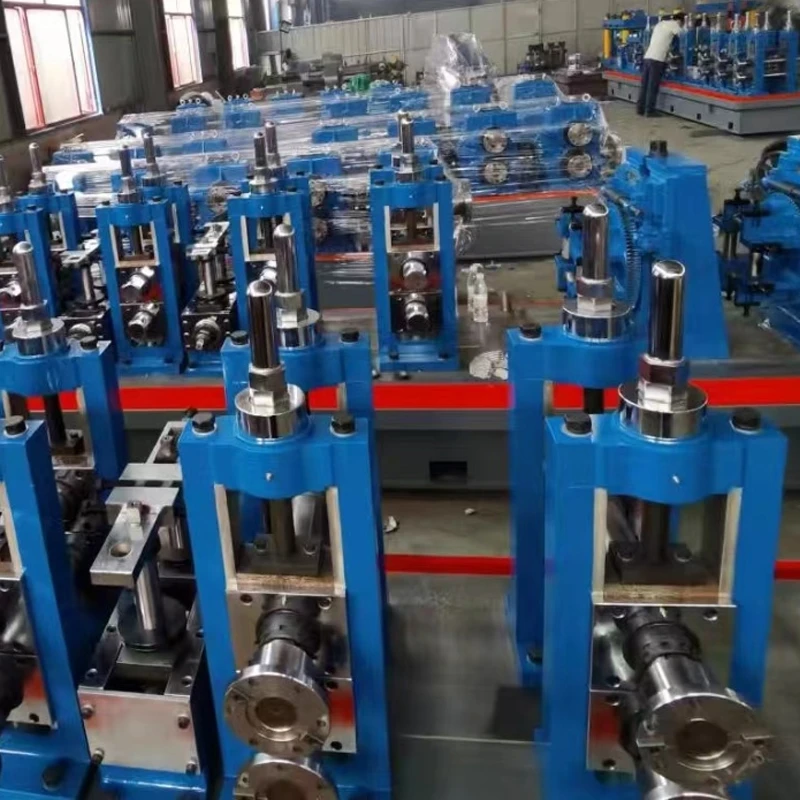
Product snapshot: φ76—φ89 High Frequency Straight Seam Welded Pipe Line
Built in Liuzhuang Village industrial zone, Chaheji Township, Bazhou city, Hebei province, this line is designed for electric-welded pipe sizes that hit a sweet spot for distribution networks and industrial feed lines. To be honest, it’s a practical workhorse—nothing flashy, but the uptime figures are compelling.
| Parameter | Typical spec (≈) |
|---|---|
| Pipe OD range | φ76—φ89 mm |
| Wall thickness | 2.0–5.0 mm |
| Welding method | High-Frequency (HFW/HERW) |
| Line speed | ≈ 20–80 m/min (real-world use may vary) |
| Applicable grades | API 5L Gr.B to X60/X65 (material dependent) |
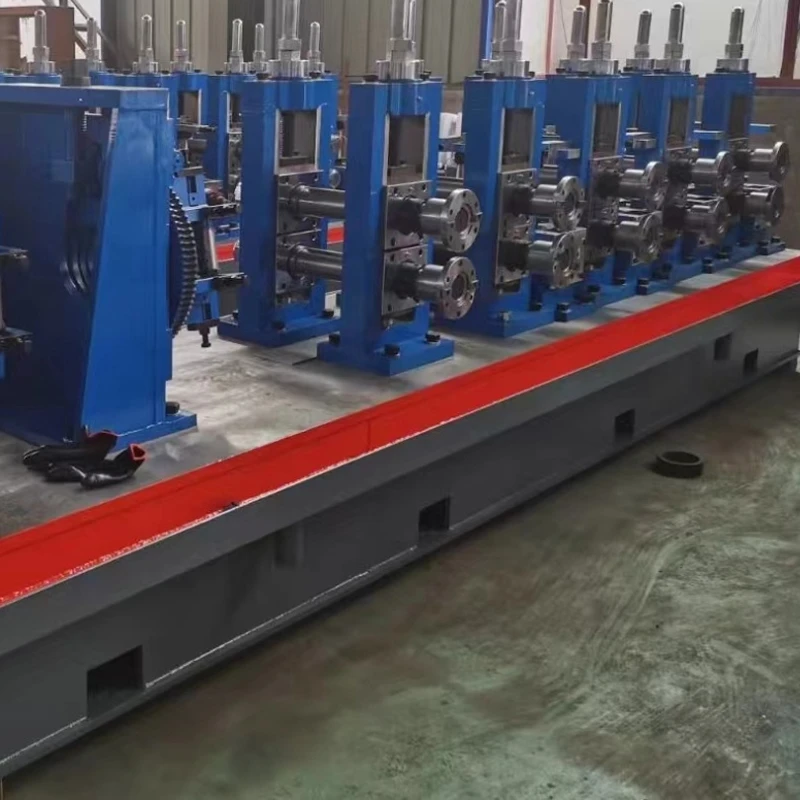
Process flow and QA (quick tour)
Materials: coil steels for line pipe steel (API 5L/ISO 3183), microalloyed chemistries for strength/toughness. Methods: coil loading → leveling → edge trimming → forming (breakdown/fin pass) → HF welding → deburring → sizing/straightening → NDT → hydrotest → end facing/beveling → marking and logistics.
- Testing standards: API 5L, ISO 3183; NDT per ISO 10893; hydrostatic per API 5L Annex.
- Common tests: UT/ET inline, hydrotest, flattening, bend, CVN impact (as required), hardness mapping, dimensional checks.
- Service life: ≈ 25–40 years with proper coating, CP, and spec-driven installation.
- Industries: midstream gas/oil, city gas distribution, water transmission, CO₂ pilot lines.
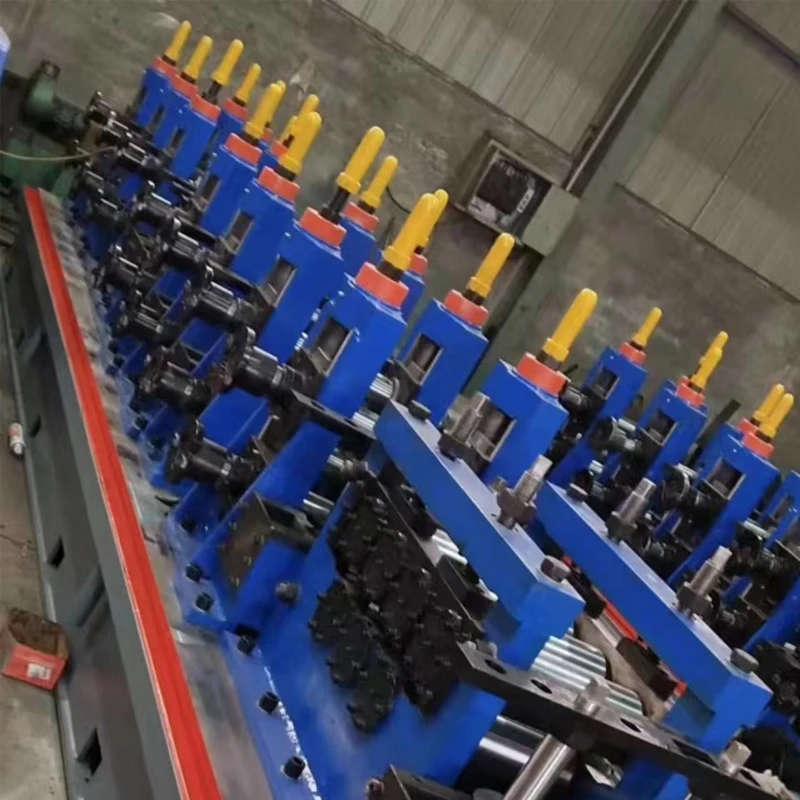
Why HFW for line pipe steel sizes 76–89 mm?
- Throughput and cost: efficient for medium OD, moderate thickness.
- Weld integrity: modern HF controls + scarfing reduce inclusions; UT catches odd defects.
- Dimensional stability: better ovality after sizing—surprisingly good for automated fit-ups.
A customer remark I noted: “Cut our rework to almost nothing after dialing in edge-bevel symmetry.” That lines up with what I’ve seen.
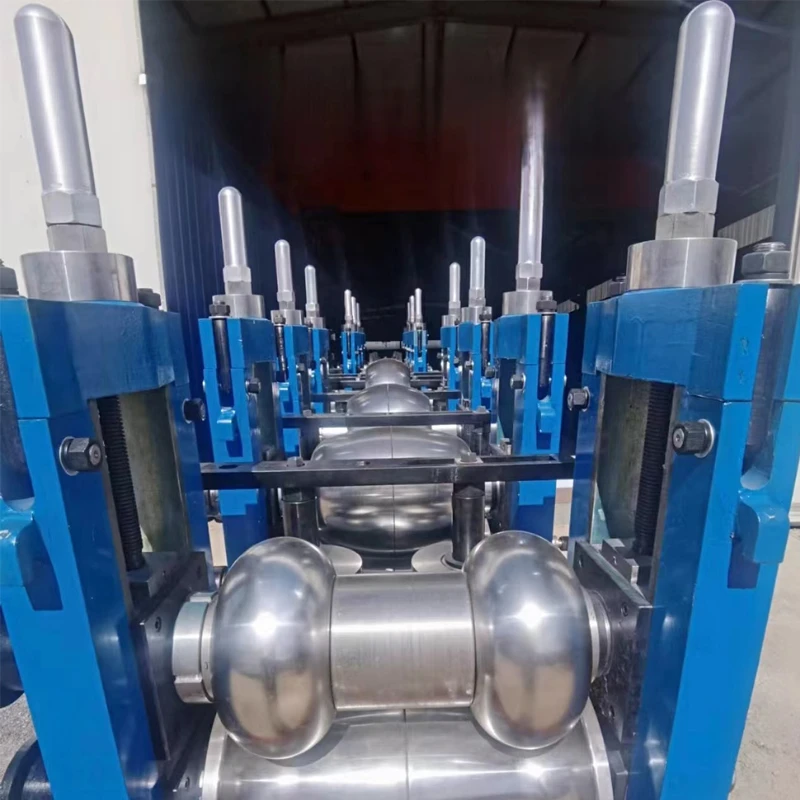
Vendor comparison (quick, field-level view)
| Feature | XH Welded Pipe Production Line | Local Integrator | Generic Import |
|---|---|---|---|
| QA/NDT suite | Integrated UT/ET options | Depends on package | Basic, add-ons needed |
| After-sales | Onsite + remote diagnostics | Onsite, slower parts | Email-only, variable |
| Customization | Tooling/grade/marking flexible | Moderate | Limited |
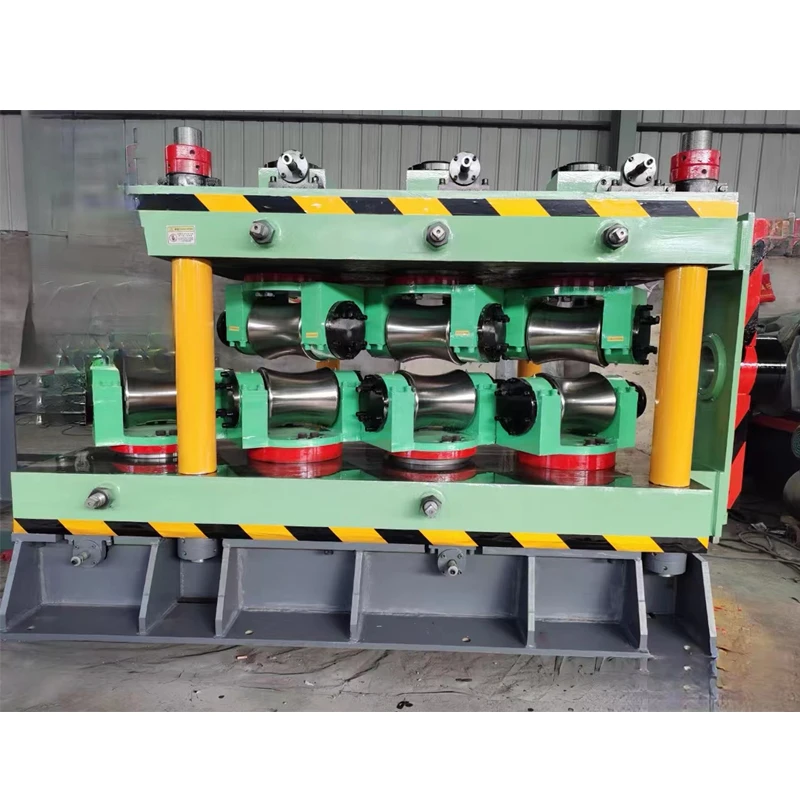
Customization options that matter
- Edge-position control and squeeze force tuning for higher-strength line pipe steel.
- Inline beveling/marking to match API 5L traceability.
- Coil-handling automation for uptime and safety.
Case study: city gas upgrade, North China
Spec: 12 km of φ89 × 4.5 mm, API 5L X52. After switching to this line, scrap rate dropped from ≈0.20% to 0.05% (three-month average). 100% UT coverage; hydrotest at 95% SMYS equivalent pressure; no field weld rejects reported in first pressure-up window. Not perfect science, but the delta is real.
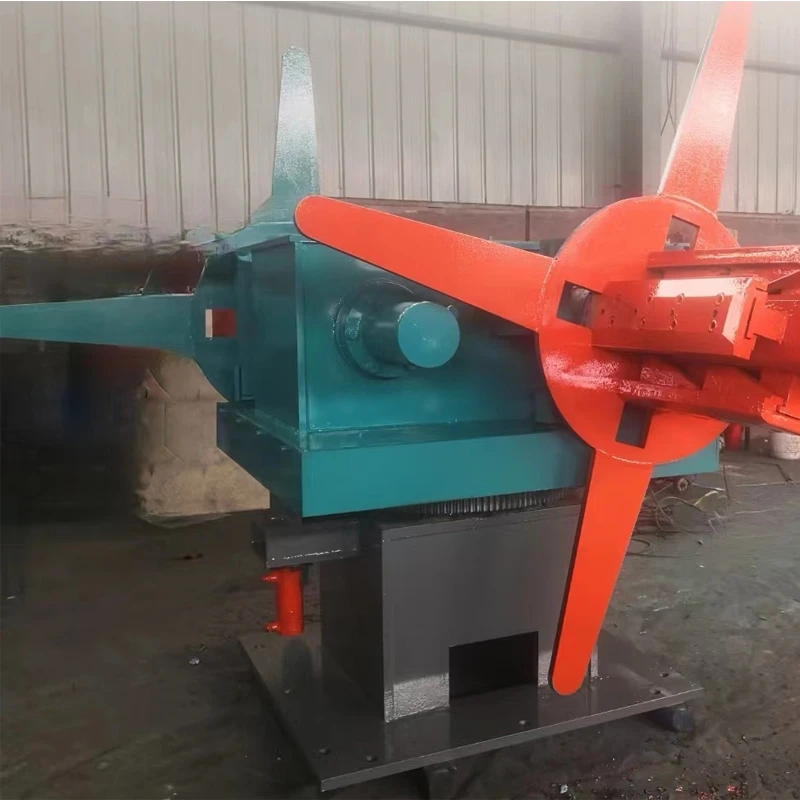
Compliance and documentation
- Conforms with API 5L/ISO 3183 pipe requirements (per customer MPS).
- Factory quality system: ISO 9001; mechanical tests per ASTM A370; NDT per ISO 10893.
- Optional: DNV-ST-F101 guidance for offshore-adjacent projects.
References:
- API 5L: Specification for Line Pipe.
- ISO 3183: Petroleum and natural gas industries — Steel pipe for pipeline transportation systems.
- ISO 10893 series: Non-destructive testing of steel tubes.
- ASTM A370: Standard Test Methods and Definitions for Mechanical Testing of Steel Products.
- DNV-ST-F101: Submarine Pipeline Systems.
- ISO 9001:2015 Quality Management Systems.
-
High Precision Ridge Cap Roll Forming Machine for Modern RoofingNewsApr.16,2026
-
Professional Ridge Cap Roll Forming Solutions for Metal RoofingNewsApr.09,2026
-
Comprehensive Guide to Ridge Cap Machine Functionality and ApplicationsNewsApr.07,2026
-
Comprehensive Guide to Reidius Roll Forming Machineries and Their Diverse ApplicationsNewsApr.04,2026
-
Comprehensive Guide to Rack Roll Forming Machines for Efficient ProductionNewsMar.31,2026
-
Comprehensive Guide to R Panel Roll Forming Machine Applications and SelectionNewsMar.28,2026
