

Reliable Line Pipe Steel & Welded Gas Pipe for Pipelines
Industry Trends and the Critical Role of Line Pipe Steel
The global energy landscape is undergoing a significant transformation, driven by increasing demand for natural gas, oil, and hydrogen, coupled with the need for efficient water distribution infrastructure. At the heart of this intricate network lies line pipe steel, a fundamental component critical for the safe and reliable transportation of vast quantities of resources across continents. This specialized steel product, essential for various pipeline systems, directly impacts global economics and environmental sustainability.
Recent industry reports indicate a steady growth in pipeline infrastructure investments, particularly in developing regions and for upgrading aging systems in mature markets. The demand for advanced line pipe steel grades, capable of withstanding higher pressures, extreme temperatures, and corrosive environments, is escalating. This is fueling innovation in manufacturing processes and material science, pushing the boundaries of what is achievable in pipeline engineering. Alongside the robust demand for new projects, the maintenance and replacement of existing linepipe also contribute significantly to market dynamics, ensuring the integrity and longevity of crucial utility networks. The emphasis is increasingly on solutions that offer enhanced safety, reduced environmental footprint, and superior cost-efficiency over the operational lifespan of a pipeline.
The future of energy and resource transportation heavily relies on the continuous evolution of line pipe steel technology. From the vast networks of welded gas pipe for natural gas transmission to the heavy-duty steel pipe line systems for crude oil and water, the performance of these materials is paramount. Manufacturers are focusing on developing products that not only meet current API (American Petroleum Institute) standards but also anticipate future requirements for more resilient and sustainable infrastructure. This includes advancements in metallurgy for improved toughness, fatigue resistance, and weldability, alongside sophisticated corrosion protection strategies, all of which contribute to the overall reliability and extended service life of the pipelines.
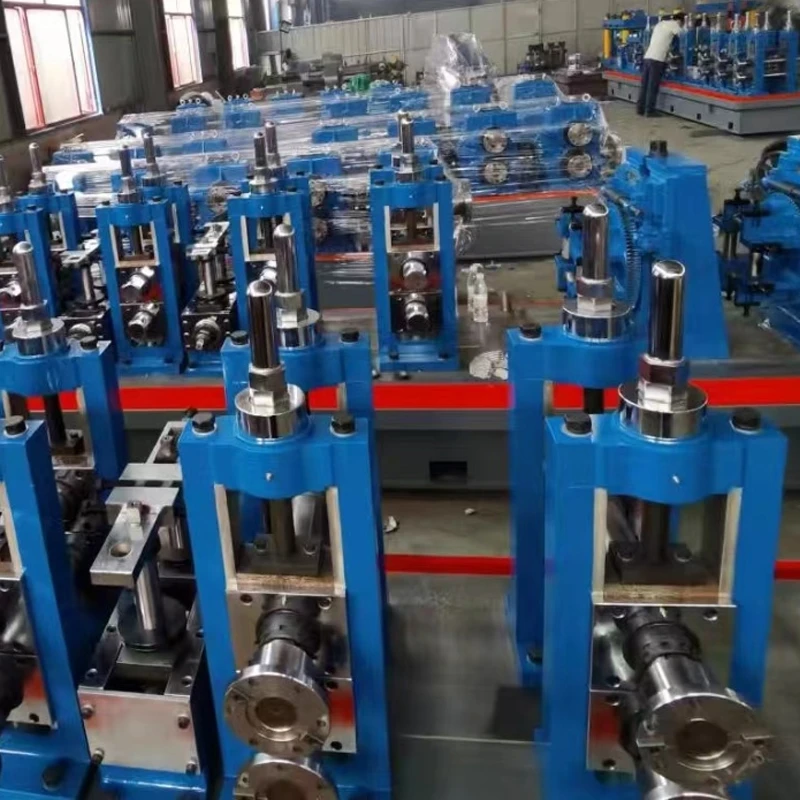
Detailed Manufacturing Process Flow of Line Pipe Steel
The production of line pipe steel is a sophisticated multi-stage process, demanding stringent quality control at every step to ensure the integrity and performance of the final product. Our Welded Pipe Production Line adheres to the highest international standards, including ISO 9001 and API Monogram certifications, ensuring superior quality and reliability for critical infrastructure projects.
1. Raw Material Selection and Preparation
- Material Acquisition: High-quality steel coils or plates, predominantly conforming to API 5L specifications (e.g., Gr. B, X42, X52, X60, X70, X80), are sourced. These materials are selected for their specific mechanical properties, including yield strength, tensile strength, and impact toughness, which are critical for various applications.
- Edge Preparation: The edges of the steel plates are precisely trimmed, milled, and beveled to create the optimal profile for subsequent welding. This step ensures clean, consistent joint preparation for high-quality welds.
2. Forming Processes
The steel plate is formed into a cylindrical shape using various advanced methods:
- UOE Forming: For large-diameter pipes, plates undergo a U-forming press, then an O-forming press, followed by an expansion (E) step to achieve precise dimensions. This method is common for DSAW (Double Submerged Arc Welded) pipes.
- JCOE Forming: Similar to UOE, plates are progressively shaped using a series of J-presses, C-presses, and O-presses, then expanded.
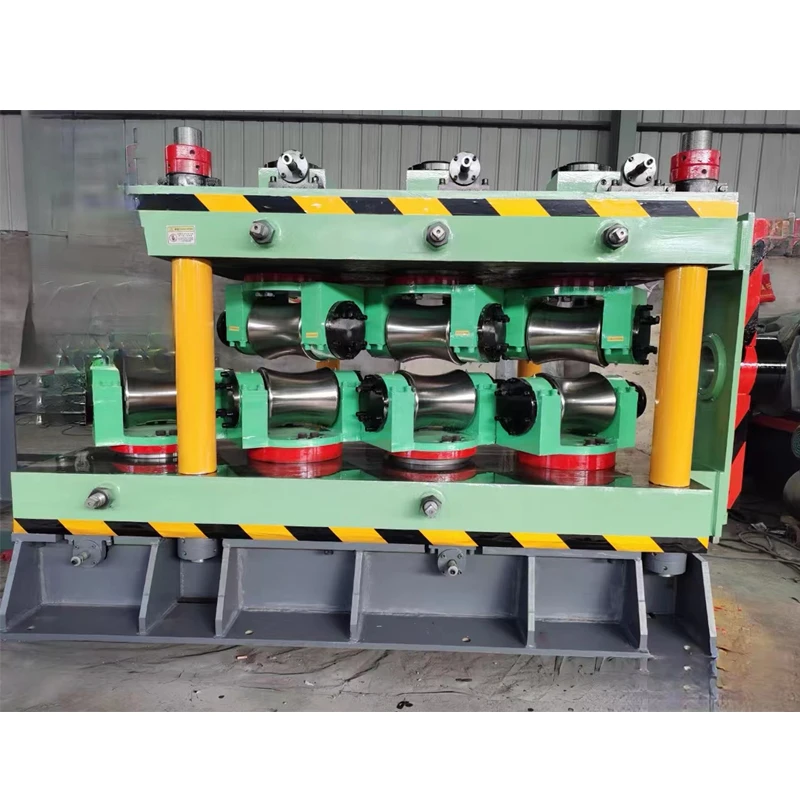
- ERW (Electric Resistance Welding) Forming: For smaller to medium-diameter pipes, coils are continuously fed through rollers that progressively shape the flat strip into a cylindrical form, bringing the edges together for welding.
- Spiral Submerged Arc Welding (SSAW): A continuous steel coil is spirally formed and welded from both inside and outside using the submerged arc welding process, ideal for very large diameter pipes.
3. Welding
- Submerged Arc Welding (SAW): For UOE/JCOE pipes, both internal and external seams are welded using SAW. This process provides deep penetration and high-quality welds, critical for high-pressure applications.
- High-Frequency Induction Welding (HFIW)/Electric Resistance Welding (ERW): For ERW pipes, the edges are heated to forging temperature by high-frequency current or electric resistance, then pressed together to form a solid-state weld without filler metal.
4. Heat Treatment (Post-Welding)
Depending on the steel grade and application, pipes may undergo heat treatment (e.g., normalizing, quenching and tempering, or stress relieving) to optimize mechanical properties, enhance toughness, and relieve residual stresses induced during forming and welding.
5. Sizing and Straightening
Pipes are passed through sizing mills to achieve the precise outer diameter and circularity. They are then straightened to meet strict linearity requirements, ensuring ease of installation and operational efficiency in the field.
6. Non-Destructive Testing (NDT)
Comprehensive NDT protocols are employed to detect any internal or surface flaws. These include:
- Ultrasonic Testing (UT): Detects internal defects in the weld seam and pipe body.
- X-ray Radiography (RT): Verifies weld integrity and detects internal flaws.
- Magnetic Particle Inspection (MPI): Identifies surface and near-surface defects.
- Eddy Current Testing: Used for smaller diameter ERW pipes to check for surface defects.
These tests are conducted in accordance with international standards such as ISO 3183, API 5L, and ASTM A53, ensuring maximum reliability.
7. Hydrostatic Testing
Each pipe undergoes hydrostatic testing, where it is filled with water and pressurized to a specified level, typically 90-100% of the specified minimum yield strength. This crucial test confirms the pipe's pressure containment capability and structural integrity.
8. Finishing and Coating
The final stages involve cleaning, end beveling, and application of internal or external coatings (e.g., FBE, 3LPE, coal tar epoxy) to enhance corrosion resistance and extend service life, particularly in harsh environmental conditions. The pipes are then marked according to API 5L and client specifications.
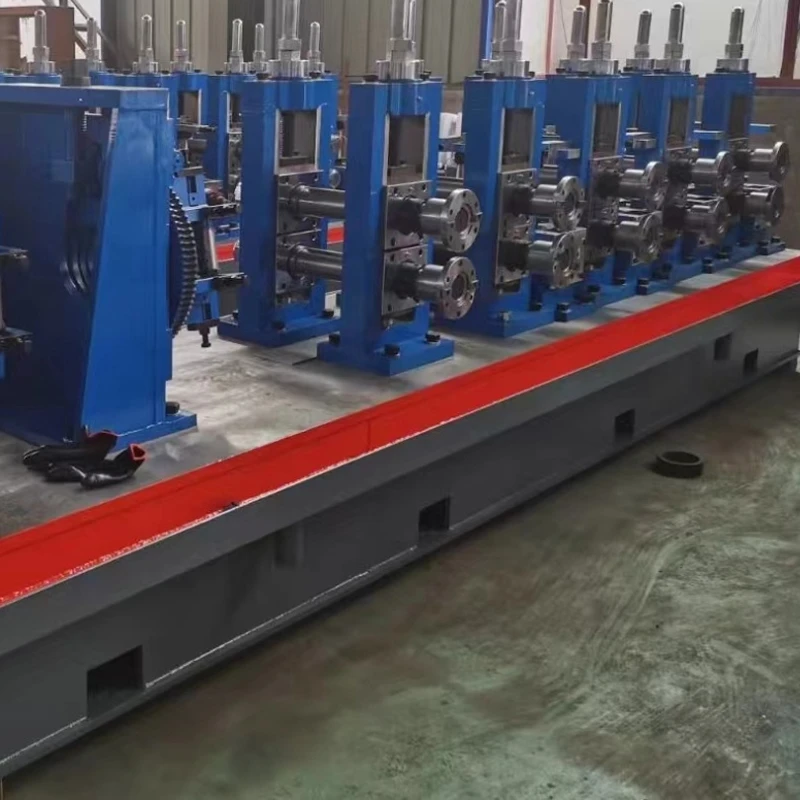
Technical Specifications and Parameters of Line Pipe Steel
Understanding the intricate technical specifications of line pipe steel is paramount for engineers and project managers to ensure optimal performance, safety, and longevity in diverse operating environments. These parameters dictate the suitability of the pipe for specific pressures, temperatures, and corrosive media, playing a pivotal role in project design and material selection.
The primary governing standard for line pipe steel is API Specification 5L, which outlines requirements for seamless and welded steel pipes used in pipeline transportation systems for the petroleum and natural gas industries. Key parameters include:
- Material Grade: Denotes the minimum yield strength of the steel (e.g., API 5L Gr. B, X42, X52, X60, X70, X80). Higher grades offer greater strength, allowing for thinner wall sections and material savings, or higher operating pressures. For instance, X70 has a minimum yield strength of 485 MPa (70,000 psi).
- Outer Diameter (OD): Ranging from small bore (e.g., 21.3 mm / 0.84 inches) for distribution lines to large bore (e.g., 1422 mm / 56 inches or larger) for major transmission lines.
- Wall Thickness (WT): Varies widely based on internal pressure, external loads, and corrosion allowance, typically from 2.77 mm to over 30 mm.
- Yield Strength (YS): The stress at which the material begins to deform plastically. Critical for preventing permanent deformation under operational loads.
- Tensile Strength (TS): The maximum stress the material can withstand before fracturing.
- Impact Toughness: Measured by Charpy V-notch testing, this indicates the material's resistance to brittle fracture, especially important at low temperatures.
- Chemical Composition: Carefully controlled alloying elements (carbon, manganese, silicon, phosphorus, sulfur, etc.) to achieve desired mechanical properties and weldability. For sour service applications (H2S presence), strict limits on sulfur and phosphorus are enforced.
- Dimensional Tolerances: Strict controls on OD, WT, ovality, straightness, and length ensure compatibility with fittings and ease of installation.
Typical API 5L Line Pipe Steel Specifications
| Parameter | API 5L Gr. B | API 5L X52 | API 5L X65 | API 5L X80 |
|---|---|---|---|---|
| Min Yield Strength (MPa / psi) | 245 / 35,500 | 360 / 52,000 | 450 / 65,000 | 555 / 80,000 |
| Min Tensile Strength (MPa / psi) | 415 / 60,200 | 460 / 66,700 | 535 / 77,600 | 620 / 89,900 |
| Max Carbon Equivalent (CEq) | 0.43 | 0.43 | 0.43 | 0.45 |
| Wall Thickness Range (mm) | 2.77 - 25.4 | 2.77 - 30+ | 4.0 - 30+ | 5.0 - 35+ |
| Outer Diameter Range (mm) | 21.3 - 1422 | 21.3 - 1422 | 168.3 - 1422 | 273.1 - 1422 |
These specifications are crucial for selecting the appropriate steel pipe line for a given project, ensuring compliance with design pressures, temperatures, and environmental conditions, thereby contributing to the long-term integrity and safety of the entire pipeline system.
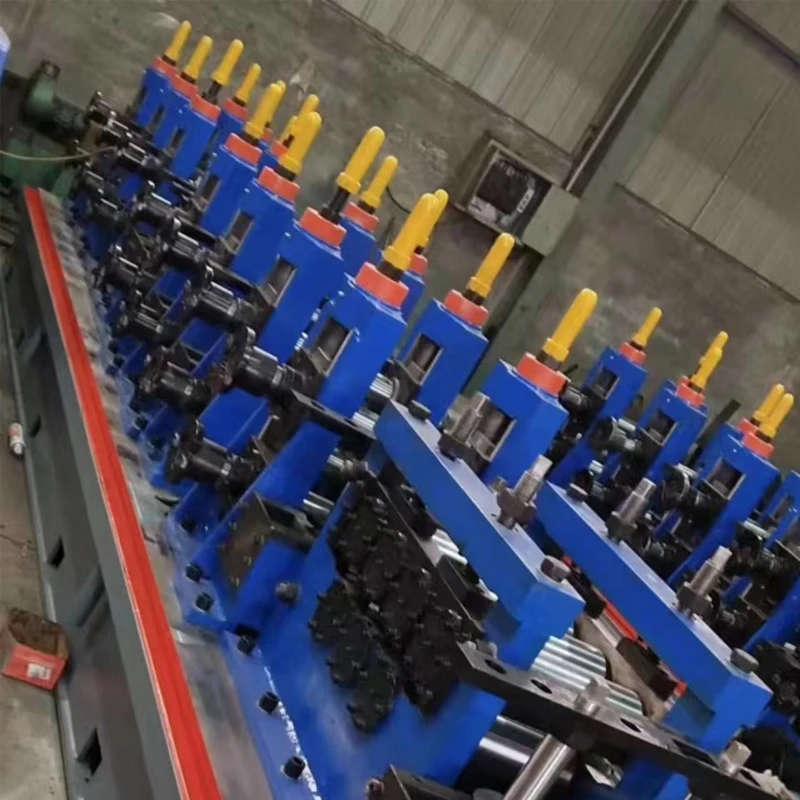
Application Scenarios and Technical Advantages
The versatility and robustness of line pipe steel make it indispensable across a multitude of heavy industries, where reliable and efficient fluid or gas transportation is critical. Our Welded Pipe Production Line is designed to produce pipes that excel in the most demanding environments, providing significant technical advantages.
Target Industries and Typical Application Scenarios:
- Petrochemical Industry: Used extensively for long-distance transmission of crude oil, refined petroleum products, and natural gas. This includes onshore and offshore pipelines, trunk lines, and gathering systems. High-strength linepipe is crucial for handling high-pressure gas streams, ensuring safety and minimizing leakage.
- Metallurgy & Mining: Employed in slurry pipelines for transporting mineral concentrates, tailings, and water in mining operations. These applications demand exceptional abrasion and corrosion resistance, often requiring specialized internal coatings.
- Water Supply & Drainage: Large-diameter line pipe steel forms the backbone of municipal and industrial water supply networks, irrigation systems, and wastewater discharge lines. Advantages here include the ability to handle large volumes and resist external loads when buried.
- Power Generation: Used in cooling water systems, fuel gas lines for power plants, and ash slurry disposal systems, where durability and resistance to various thermal and chemical conditions are vital.
- Infrastructure Development: General industrial piping, structural applications, and utility conduits benefit from the strength and formability of line pipe steel.
Technical Advantages:
- Superior Corrosion Resistance: Through advanced material composition and robust internal and external coating systems (e.g., Fusion Bonded Epoxy (FBE), 3-Layer Polyethylene (3LPE), or liquid epoxy), our line pipe steel offers exceptional protection against corrosive media, significantly extending service life and reducing maintenance costs, particularly in underground or subsea environments.
- High Pressure and Temperature Tolerance: Manufactured to stringent API 5L specifications, our pipes exhibit excellent yield and tensile strength, enabling them to safely convey high-pressure gases and liquids, even under varying temperature regimes. This is critical for the efficient and secure transport of natural gas and oil over long distances.
- Extended Service Life: Designed and tested for durability, our steel pipe line products are engineered for a service life exceeding 50 years, minimizing the need for costly replacements and ensuring long-term operational continuity. This longevity is supported by strict adherence to ISO standards and rigorous NDT.
- Enhanced Energy Efficiency: The smooth internal surfaces of our pipes, especially those with specialized flow-enhancing coatings, minimize friction losses. This translates directly into reduced pumping energy requirements for liquid transportation and lower compression costs for gas, leading to significant energy savings and operational cost reductions over the pipeline's lifespan.
- Environmental Resilience: Our manufacturing process incorporates environmentally responsible practices. The resulting pipes are highly resistant to environmental stressors, contributing to reduced ecological impact through minimized leaks and spills, essential for sensitive ecosystems.
- Structural Integrity and Weldability: Optimized chemical composition ensures excellent weldability, facilitating robust and reliable field joints. The inherent structural integrity of our pipes minimizes the risk of catastrophic failure, providing enhanced safety for personnel and surrounding communities.
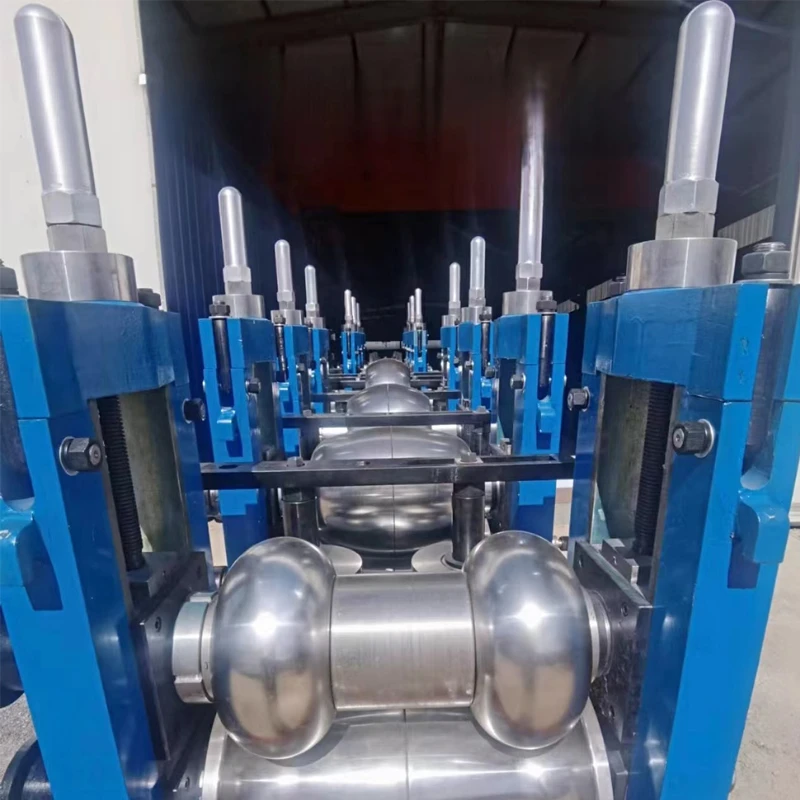
Vendor Comparison and Customized Solutions
Selecting the right vendor for line pipe steel is a strategic decision that directly impacts project timelines, budget, and long-term operational success. It requires a comprehensive evaluation beyond just price, focusing on manufacturing capabilities, quality assurance, technical expertise, and capacity for tailored solutions. Our Welded Pipe Production Line, backed by decades of industry experience, stands out by consistently delivering on these critical factors.
Key Considerations for Vendor Selection:
- Quality Certifications: Adherence to international standards like ISO 9001, API Monogram, and specific regional certifications.
- Manufacturing Capacity and Technology: Ability to meet large-scale demands and utilize advanced production lines (e.g., UOE, JCOE, ERW) for diverse pipe types and sizes.
- Technical Support and Expertise: Availability of experienced engineers for consultation, design optimization, and problem-solving.
- Project Experience: A proven track record with successful deployments in similar applications and industries.
- Customization Capabilities: Flexibility to produce pipes with non-standard specifications, coatings, or end preparations.
- Lead Time and Logistics: Efficient production schedules and robust supply chain management to ensure timely delivery.
- Post-Sales Service: Comprehensive support including warranty, spare parts, and technical assistance after project completion.
Vendor Comparison Table: XH Equipment vs. Industry Peers
| Feature/Criteria | XH Equipment | Competitor A | Competitor B |
|---|---|---|---|
| Certifications | ISO 9001, API Monogram, CE, ASME | ISO 9001, limited API | ISO 9001 |
| Customization Capability | High (Material, Coating, Length, End Prep) | Medium (Standard options) | Limited (Volume production) |
| Project Experience | Global, 20+ years, major energy projects | Regional, 10+ years | Domestic, 5+ years |
| Technical Support | Excellent (Dedicated engineering team) | Good (Standard support) | Basic |
| Lead Time Reliability | Highly reliable with strong supply chain | Moderate variability | Dependent on stock |
| Post-Sales Service | Comprehensive (Warranty, spares, field support) | Standard warranty | Limited to parts |
Customized Solutions for Diverse Project Needs:
We understand that no two pipeline projects are identical. Our strength lies in our ability to provide highly customized solutions for line pipe steel, ensuring perfect alignment with unique project specifications and environmental demands:
- Material Grade Optimization: Tailoring specific API 5L grades (e.g., micro-alloyed steels for enhanced toughness) to meet precise pressure, temperature, and sour service requirements.
- Advanced Coating Systems: Application of specialized internal and external coatings, including multi-layer systems, to combat specific corrosive agents, improve flow efficiency, and provide mechanical protection in abrasive environments. This is particularly vital for welded gas pipe and oil pipelines traversing varied terrains.
- Custom Dimensions and Lengths: Manufacturing pipes with non-standard diameters, wall thicknesses, or specific cut lengths to minimize field welding, reduce waste, and accelerate installation.
- End Preparation: Providing custom end preparations (e.g., specialized bevels, pups) to seamlessly integrate with proprietary connection systems or specific welding procedures.
- Logistical Solutions: Developing bespoke packaging and transportation strategies for challenging project locations, ensuring the safe and timely delivery of your steel pipe line.
Real-World Application Case Studies and Customer Feedback
Our commitment to delivering high-performance line pipe steel solutions is consistently validated through successful project deployments and positive client feedback. We pride ourselves on partnering with leading global enterprises, contributing to the development of critical infrastructure worldwide. Our API Monogram and ISO 9001 certifications serve as a testament to our unwavering dedication to quality and reliability, making our Welded Pipe Production Line a trusted source for premium linepipe products.
Case Study 1: Major Cross-Country Natural Gas Pipeline Project
- Challenge: A major energy company required thousands of kilometers of high-strength, corrosion-resistant line pipe steel (API 5L X70) for a critical natural gas transmission pipeline crossing diverse terrains, including wetlands and arid regions, demanding both robust mechanical properties and superior external corrosion protection.
- Solution: We supplied UOE DSAW pipes with an OD of 48 inches and a wall thickness of 20 mm, equipped with a 3-Layer Polyethylene (3LPE) coating. Our meticulous manufacturing process ensured consistent material properties and perfect geometric tolerance, facilitating rapid and reliable field welding.
- Outcome: The project was completed on schedule and within budget, with the pipeline demonstrating exceptional integrity during hydrostatic testing and continuous operation. The client praised our adherence to strict quality control and responsive technical support throughout the project lifecycle.
- Client Feedback: "XH Equipment's line pipe steel provided the foundational strength and protection needed for our challenging natural gas project. Their technical team was invaluable, ensuring every pipe met our stringent specifications." – Project Director, International Energy Firm.
Case Study 2: Industrial Water Supply for a Chemical Plant Expansion
- Challenge: A large chemical manufacturing facility required a new, reliable steel pipe line for its high-volume industrial water supply and wastewater discharge systems. The pipes needed to resist internal scaling and external chemical exposure.
- Solution: We provided ERW linepipe of API 5L Gr. B, with specialized internal epoxy lining for flow enhancement and anti-scaling, and external FBE coating for chemical resistance. Custom lengths were supplied to minimize field joints and streamline installation.
- Outcome: The pipes performed exceptionally well, demonstrating excellent flow characteristics and long-term resistance to the corrosive process water. The customized solutions significantly reduced installation time and improved the plant's operational efficiency.
- Client Feedback: "The customized linepipe from XH Equipment perfectly met our plant's unique requirements. The quality and performance have exceeded our expectations, contributing to the seamless expansion of our operations." – Operations Manager, Chemical Manufacturing Group.
Case Study 3: Subsea Interconnector for Offshore Wind Farm
- Challenge: A marine engineering firm needed high-integrity pipes for a subsea interconnector, crucial for transmitting power from an offshore wind farm to the onshore grid. The pipes needed to withstand high external pressure, cyclical fatigue, and aggressive marine corrosion.
- Solution: We supplied heavy-wall DSAW line pipe steel (API 5L X65) with enhanced impact toughness and specialized triple-layer anti-corrosion coating designed for subsea longevity. Every pipe underwent rigorous ultrasonic testing and advanced NDT to ensure flawless weld integrity and material homogeneity.
- Outcome: The pipes were successfully deployed and commissioned, forming a robust and durable conduit for renewable energy transmission. Our capability to meet stringent subsea specifications and deliver on time was critical to the project's success.
- Client Feedback: "For subsea applications, there's zero room for error. XH Equipment's line pipe steel consistently delivered the quality and reliability required, backed by comprehensive documentation and technical support." – Lead Engineer, Marine Construction.
Trustworthiness, Support, and Commitment
At XH Equipment, trustworthiness is built on transparency, consistent quality, and unwavering customer support. We understand the critical nature of pipeline projects and are committed to providing reliable line pipe steel products and comprehensive services that ensure project success from initial consultation to long-term operation. Our decades of experience in the Welded Pipe Production Line industry, coupled with adherence to global standards, underscore our authoritative position as a preferred partner.
Frequently Asked Questions (FAQ)
Q: What specific API 5L grades do you supply for line pipe steel?
A: We supply a comprehensive range of API 5L grades, including but not limited to Gr. B, X42, X52, X60, X70, and X80, in both PSL1 and PSL2 specifications, catering to diverse project requirements for welded gas pipe and other applications.
Q: Can you accommodate custom pipe dimensions and coatings?
A: Absolutely. Our Welded Pipe Production Line is highly adaptable. We offer extensive customization options for outer diameter, wall thickness, specific lengths, end preparations, and a variety of internal and external anti-corrosion coatings, including FBE, 3LPE, and specialty linings for different operating environments.
Q: What are your typical lead times for large-scale orders?
A: Lead times vary depending on the specific product, volume, customization requirements, and current production schedule. We work closely with clients from the outset to establish realistic timelines and maintain clear communication throughout the manufacturing and delivery process. For standard orders, typical lead times range from 4-8 weeks, while complex or very large projects may require more planning.
Q: What kind of quality assurance and testing do your pipes undergo?
A: All our linepipe undergoes rigorous multi-stage quality control. This includes comprehensive NDT (Ultrasonic, X-ray, Magnetic Particle Inspection), hydrostatic testing, mechanical property testing (tensile, yield, impact), and dimensional checks, all in accordance with API 5L, ISO, and client-specific standards.
Lead Time and Fulfillment Details
Our robust production planning and supply chain management systems are designed to ensure timely delivery of line pipe steel products. Upon project confirmation, a detailed production schedule is provided, outlining key milestones from raw material procurement to final inspection and dispatch. Factors influencing lead time include order volume, material grade availability, complexity of customization, and destination logistics. We maintain strong relationships with material suppliers and logistics partners to optimize fulfillment and provide real-time updates to our clients.
Warranty Commitments
XH Equipment stands behind the quality and performance of its steel pipe line products. We offer a comprehensive warranty against manufacturing defects and material non-conformities, in line with industry standards and contract specifications. Our warranty commitment is a testament to our confidence in our Welded Pipe Production Line's capabilities and our dedication to client satisfaction. Specific warranty terms will be detailed in project contracts.
Customer Support Information
Our dedicated customer support team and experienced technical specialists are available to assist you at every phase of your project. From initial inquiry and technical consultation to post-delivery support and troubleshooting, we ensure a seamless and supportive client experience.
- Technical Assistance: Our engineering team provides expert advice on material selection, design optimization, and installation best practices.
- Order Management: A dedicated account manager ensures smooth communication and efficient order processing.
- After-Sales Support: We offer assistance with any post-delivery queries, spare parts, or operational guidance related to the performance of our linepipe products.
You can reach us via phone at [Insert Phone Number - e.g., +86 123 4567 890] or email at [Insert Email Address - e.g., sales@xhequipment.com]. We are committed to fostering long-term partnerships built on trust, quality, and mutual success.
Conclusion
The reliability and performance of line pipe steel are non-negotiable in critical infrastructure projects. As global energy demands evolve and environmental regulations become more stringent, the need for advanced, high-quality linepipe solutions becomes even more pronounced. Our commitment at XH Equipment is to consistently deliver superior products from our state-of-the-art Welded Pipe Production Line, backed by unparalleled technical expertise and comprehensive support.
By adhering to the highest international standards, offering extensive customization capabilities, and providing transparent, reliable services, we empower our B2B clients to execute their projects with confidence, efficiency, and long-term success. Choose XH Equipment for the foundational strength and integrity your next project demands.
Authoritative References
- American Petroleum Institute (API) Specification 5L, Specification for Line Pipe.
- International Organization for Standardization (ISO) 3183, Petroleum and natural gas industries — Steel pipe for pipeline transportation systems.
- ASTM International, A53/A53M, Standard Specification for Pipe, Steel, Black and Hot-Dipped, Zinc-Coated, Welded and Seamless.
- NACE International, SP0169-2013, Control of External Corrosion on Underground or Submerged Metallic Piping Systems.
- Pipelines International, Industry Trends and Technology Outlook.
-
High Precision Ridge Cap Roll Forming Machine for Modern RoofingNewsApr.16,2026
-
Professional Ridge Cap Roll Forming Solutions for Metal RoofingNewsApr.09,2026
-
Comprehensive Guide to Ridge Cap Machine Functionality and ApplicationsNewsApr.07,2026
-
Comprehensive Guide to Reidius Roll Forming Machineries and Their Diverse ApplicationsNewsApr.04,2026
-
Comprehensive Guide to Rack Roll Forming Machines for Efficient ProductionNewsMar.31,2026
-
Comprehensive Guide to R Panel Roll Forming Machine Applications and SelectionNewsMar.28,2026
Reliable Line Pipe Steel & Welded Gas Pipe for Pipelines
Industry Trends and the Critical Role of Line Pipe Steel
The global energy landscape is undergoing a significant transformation, driven by increasing demand for natural gas, oil, and hydrogen, coupled with the need for efficient water distribution infrastructure. At the heart of this intricate network lies line pipe steel, a fundamental component critical for the safe and reliable transportation of vast quantities of resources across continents. This specialized steel product, essential for various pipeline systems, directly impacts global economics and environmental sustainability.
Recent industry reports indicate a steady growth in pipeline infrastructure investments, particularly in developing regions and for upgrading aging systems in mature markets. The demand for advanced line pipe steel grades, capable of withstanding higher pressures, extreme temperatures, and corrosive environments, is escalating. This is fueling innovation in manufacturing processes and material science, pushing the boundaries of what is achievable in pipeline engineering. Alongside the robust demand for new projects, the maintenance and replacement of existing linepipe also contribute significantly to market dynamics, ensuring the integrity and longevity of crucial utility networks. The emphasis is increasingly on solutions that offer enhanced safety, reduced environmental footprint, and superior cost-efficiency over the operational lifespan of a pipeline.
The future of energy and resource transportation heavily relies on the continuous evolution of line pipe steel technology. From the vast networks of welded gas pipe for natural gas transmission to the heavy-duty steel pipe line systems for crude oil and water, the performance of these materials is paramount. Manufacturers are focusing on developing products that not only meet current API (American Petroleum Institute) standards but also anticipate future requirements for more resilient and sustainable infrastructure. This includes advancements in metallurgy for improved toughness, fatigue resistance, and weldability, alongside sophisticated corrosion protection strategies, all of which contribute to the overall reliability and extended service life of the pipelines.
Detailed Manufacturing Process Flow of Line Pipe Steel
The production of line pipe steel is a sophisticated multi-stage process, demanding stringent quality control at every step to ensure the integrity and performance of the final product. Our Welded Pipe Production Line adheres to the highest international standards, including ISO 9001 and API Monogram certifications, ensuring superior quality and reliability for critical infrastructure projects.
1. Raw Material Selection and Preparation
- Material Acquisition: High-quality steel coils or plates, predominantly conforming to API 5L specifications (e.g., Gr. B, X42, X52, X60, X70, X80), are sourced. These materials are selected for their specific mechanical properties, including yield strength, tensile strength, and impact toughness, which are critical for various applications.
- Edge Preparation: The edges of the steel plates are precisely trimmed, milled, and beveled to create the optimal profile for subsequent welding. This step ensures clean, consistent joint preparation for high-quality welds.
2. Forming Processes
The steel plate is formed into a cylindrical shape using various advanced methods:
- UOE Forming: For large-diameter pipes, plates undergo a U-forming press, then an O-forming press, followed by an expansion (E) step to achieve precise dimensions. This method is common for DSAW (Double Submerged Arc Welded) pipes.
- JCOE Forming: Similar to UOE, plates are progressively shaped using a series of J-presses, C-presses, and O-presses, then expanded.
- ERW (Electric Resistance Welding) Forming: For smaller to medium-diameter pipes, coils are continuously fed through rollers that progressively shape the flat strip into a cylindrical form, bringing the edges together for welding.
- Spiral Submerged Arc Welding (SSAW): A continuous steel coil is spirally formed and welded from both inside and outside using the submerged arc welding process, ideal for very large diameter pipes.
3. Welding
- Submerged Arc Welding (SAW): For UOE/JCOE pipes, both internal and external seams are welded using SAW. This process provides deep penetration and high-quality welds, critical for high-pressure applications.
- High-Frequency Induction Welding (HFIW)/Electric Resistance Welding (ERW): For ERW pipes, the edges are heated to forging temperature by high-frequency current or electric resistance, then pressed together to form a solid-state weld without filler metal.
4. Heat Treatment (Post-Welding)
Depending on the steel grade and application, pipes may undergo heat treatment (e.g., normalizing, quenching and tempering, or stress relieving) to optimize mechanical properties, enhance toughness, and relieve residual stresses induced during forming and welding.
5. Sizing and Straightening
Pipes are passed through sizing mills to achieve the precise outer diameter and circularity. They are then straightened to meet strict linearity requirements, ensuring ease of installation and operational efficiency in the field.
6. Non-Destructive Testing (NDT)
Comprehensive NDT protocols are employed to detect any internal or surface flaws. These include:
- Ultrasonic Testing (UT): Detects internal defects in the weld seam and pipe body.
- X-ray Radiography (RT): Verifies weld integrity and detects internal flaws.
- Magnetic Particle Inspection (MPI): Identifies surface and near-surface defects.
- Eddy Current Testing: Used for smaller diameter ERW pipes to check for surface defects.
These tests are conducted in accordance with international standards such as ISO 3183, API 5L, and ASTM A53, ensuring maximum reliability.
7. Hydrostatic Testing
Each pipe undergoes hydrostatic testing, where it is filled with water and pressurized to a specified level, typically 90-100% of the specified minimum yield strength. This crucial test confirms the pipe's pressure containment capability and structural integrity.
8. Finishing and Coating
The final stages involve cleaning, end beveling, and application of internal or external coatings (e.g., FBE, 3LPE, coal tar epoxy) to enhance corrosion resistance and extend service life, particularly in harsh environmental conditions. The pipes are then marked according to API 5L and client specifications.
Technical Specifications and Parameters of Line Pipe Steel
Understanding the intricate technical specifications of line pipe steel is paramount for engineers and project managers to ensure optimal performance, safety, and longevity in diverse operating environments. These parameters dictate the suitability of the pipe for specific pressures, temperatures, and corrosive media, playing a pivotal role in project design and material selection.
The primary governing standard for line pipe steel is API Specification 5L, which outlines requirements for seamless and welded steel pipes used in pipeline transportation systems for the petroleum and natural gas industries. Key parameters include:
- Material Grade: Denotes the minimum yield strength of the steel (e.g., API 5L Gr. B, X42, X52, X60, X70, X80). Higher grades offer greater strength, allowing for thinner wall sections and material savings, or higher operating pressures. For instance, X70 has a minimum yield strength of 485 MPa (70,000 psi).
- Outer Diameter (OD): Ranging from small bore (e.g., 21.3 mm / 0.84 inches) for distribution lines to large bore (e.g., 1422 mm / 56 inches or larger) for major transmission lines.
- Wall Thickness (WT): Varies widely based on internal pressure, external loads, and corrosion allowance, typically from 2.77 mm to over 30 mm.
- Yield Strength (YS): The stress at which the material begins to deform plastically. Critical for preventing permanent deformation under operational loads.
- Tensile Strength (TS): The maximum stress the material can withstand before fracturing.
- Impact Toughness: Measured by Charpy V-notch testing, this indicates the material's resistance to brittle fracture, especially important at low temperatures.
- Chemical Composition: Carefully controlled alloying elements (carbon, manganese, silicon, phosphorus, sulfur, etc.) to achieve desired mechanical properties and weldability. For sour service applications (H2S presence), strict limits on sulfur and phosphorus are enforced.
- Dimensional Tolerances: Strict controls on OD, WT, ovality, straightness, and length ensure compatibility with fittings and ease of installation.
Typical API 5L Line Pipe Steel Specifications
| Parameter | API 5L Gr. B | API 5L X52 | API 5L X65 | API 5L X80 |
|---|---|---|---|---|
| Min Yield Strength (MPa / psi) | 245 / 35,500 | 360 / 52,000 | 450 / 65,000 | 555 / 80,000 |
| Min Tensile Strength (MPa / psi) | 415 / 60,200 | 460 / 66,700 | 535 / 77,600 | 620 / 89,900 |
| Max Carbon Equivalent (CEq) | 0.43 | 0.43 | 0.43 | 0.45 |
| Wall Thickness Range (mm) | 2.77 - 25.4 | 2.77 - 30+ | 4.0 - 30+ | 5.0 - 35+ |
| Outer Diameter Range (mm) | 21.3 - 1422 | 21.3 - 1422 | 168.3 - 1422 | 273.1 - 1422 |
These specifications are crucial for selecting the appropriate steel pipe line for a given project, ensuring compliance with design pressures, temperatures, and environmental conditions, thereby contributing to the long-term integrity and safety of the entire pipeline system.
Application Scenarios and Technical Advantages
The versatility and robustness of line pipe steel make it indispensable across a multitude of heavy industries, where reliable and efficient fluid or gas transportation is critical. Our Welded Pipe Production Line is designed to produce pipes that excel in the most demanding environments, providing significant technical advantages.
Target Industries and Typical Application Scenarios:
- Petrochemical Industry: Used extensively for long-distance transmission of crude oil, refined petroleum products, and natural gas. This includes onshore and offshore pipelines, trunk lines, and gathering systems. High-strength linepipe is crucial for handling high-pressure gas streams, ensuring safety and minimizing leakage.
- Metallurgy & Mining: Employed in slurry pipelines for transporting mineral concentrates, tailings, and water in mining operations. These applications demand exceptional abrasion and corrosion resistance, often requiring specialized internal coatings.
- Water Supply & Drainage: Large-diameter line pipe steel forms the backbone of municipal and industrial water supply networks, irrigation systems, and wastewater discharge lines. Advantages here include the ability to handle large volumes and resist external loads when buried.
- Power Generation: Used in cooling water systems, fuel gas lines for power plants, and ash slurry disposal systems, where durability and resistance to various thermal and chemical conditions are vital.
- Infrastructure Development: General industrial piping, structural applications, and utility conduits benefit from the strength and formability of line pipe steel.
Technical Advantages:
- Superior Corrosion Resistance: Through advanced material composition and robust internal and external coating systems (e.g., Fusion Bonded Epoxy (FBE), 3-Layer Polyethylene (3LPE), or liquid epoxy), our line pipe steel offers exceptional protection against corrosive media, significantly extending service life and reducing maintenance costs, particularly in underground or subsea environments.
- High Pressure and Temperature Tolerance: Manufactured to stringent API 5L specifications, our pipes exhibit excellent yield and tensile strength, enabling them to safely convey high-pressure gases and liquids, even under varying temperature regimes. This is critical for the efficient and secure transport of natural gas and oil over long distances.
- Extended Service Life: Designed and tested for durability, our steel pipe line products are engineered for a service life exceeding 50 years, minimizing the need for costly replacements and ensuring long-term operational continuity. This longevity is supported by strict adherence to ISO standards and rigorous NDT.
- Enhanced Energy Efficiency: The smooth internal surfaces of our pipes, especially those with specialized flow-enhancing coatings, minimize friction losses. This translates directly into reduced pumping energy requirements for liquid transportation and lower compression costs for gas, leading to significant energy savings and operational cost reductions over the pipeline's lifespan.
- Environmental Resilience: Our manufacturing process incorporates environmentally responsible practices. The resulting pipes are highly resistant to environmental stressors, contributing to reduced ecological impact through minimized leaks and spills, essential for sensitive ecosystems.
- Structural Integrity and Weldability: Optimized chemical composition ensures excellent weldability, facilitating robust and reliable field joints. The inherent structural integrity of our pipes minimizes the risk of catastrophic failure, providing enhanced safety for personnel and surrounding communities.
Vendor Comparison and Customized Solutions
Selecting the right vendor for line pipe steel is a strategic decision that directly impacts project timelines, budget, and long-term operational success. It requires a comprehensive evaluation beyond just price, focusing on manufacturing capabilities, quality assurance, technical expertise, and capacity for tailored solutions. Our Welded Pipe Production Line, backed by decades of industry experience, stands out by consistently delivering on these critical factors.
Key Considerations for Vendor Selection:
- Quality Certifications: Adherence to international standards like ISO 9001, API Monogram, and specific regional certifications.
- Manufacturing Capacity and Technology: Ability to meet large-scale demands and utilize advanced production lines (e.g., UOE, JCOE, ERW) for diverse pipe types and sizes.
- Technical Support and Expertise: Availability of experienced engineers for consultation, design optimization, and problem-solving.
- Project Experience: A proven track record with successful deployments in similar applications and industries.
- Customization Capabilities: Flexibility to produce pipes with non-standard specifications, coatings, or end preparations.
- Lead Time and Logistics: Efficient production schedules and robust supply chain management to ensure timely delivery.
- Post-Sales Service: Comprehensive support including warranty, spare parts, and technical assistance after project completion.
Vendor Comparison Table: XH Equipment vs. Industry Peers
| Feature/Criteria | XH Equipment | Competitor A | Competitor B |
|---|---|---|---|
| Certifications | ISO 9001, API Monogram, CE, ASME | ISO 9001, limited API | ISO 9001 |
| Customization Capability | High (Material, Coating, Length, End Prep) | Medium (Standard options) | Limited (Volume production) |
| Project Experience | Global, 20+ years, major energy projects | Regional, 10+ years | Domestic, 5+ years |
| Technical Support | Excellent (Dedicated engineering team) | Good (Standard support) | Basic |
| Lead Time Reliability | Highly reliable with strong supply chain | Moderate variability | Dependent on stock |
| Post-Sales Service | Comprehensive (Warranty, spares, field support) | Standard warranty | Limited to parts |
Customized Solutions for Diverse Project Needs:
We understand that no two pipeline projects are identical. Our strength lies in our ability to provide highly customized solutions for line pipe steel, ensuring perfect alignment with unique project specifications and environmental demands:
- Material Grade Optimization: Tailoring specific API 5L grades (e.g., micro-alloyed steels for enhanced toughness) to meet precise pressure, temperature, and sour service requirements.
- Advanced Coating Systems: Application of specialized internal and external coatings, including multi-layer systems, to combat specific corrosive agents, improve flow efficiency, and provide mechanical protection in abrasive environments. This is particularly vital for welded gas pipe and oil pipelines traversing varied terrains.
- Custom Dimensions and Lengths: Manufacturing pipes with non-standard diameters, wall thicknesses, or specific cut lengths to minimize field welding, reduce waste, and accelerate installation.
- End Preparation: Providing custom end preparations (e.g., specialized bevels, pups) to seamlessly integrate with proprietary connection systems or specific welding procedures.
- Logistical Solutions: Developing bespoke packaging and transportation strategies for challenging project locations, ensuring the safe and timely delivery of your steel pipe line.
Real-World Application Case Studies and Customer Feedback
Our commitment to delivering high-performance line pipe steel solutions is consistently validated through successful project deployments and positive client feedback. We pride ourselves on partnering with leading global enterprises, contributing to the development of critical infrastructure worldwide. Our API Monogram and ISO 9001 certifications serve as a testament to our unwavering dedication to quality and reliability, making our Welded Pipe Production Line a trusted source for premium linepipe products.
Case Study 1: Major Cross-Country Natural Gas Pipeline Project
- Challenge: A major energy company required thousands of kilometers of high-strength, corrosion-resistant line pipe steel (API 5L X70) for a critical natural gas transmission pipeline crossing diverse terrains, including wetlands and arid regions, demanding both robust mechanical properties and superior external corrosion protection.
- Solution: We supplied UOE DSAW pipes with an OD of 48 inches and a wall thickness of 20 mm, equipped with a 3-Layer Polyethylene (3LPE) coating. Our meticulous manufacturing process ensured consistent material properties and perfect geometric tolerance, facilitating rapid and reliable field welding.
- Outcome: The project was completed on schedule and within budget, with the pipeline demonstrating exceptional integrity during hydrostatic testing and continuous operation. The client praised our adherence to strict quality control and responsive technical support throughout the project lifecycle.
- Client Feedback: "XH Equipment's line pipe steel provided the foundational strength and protection needed for our challenging natural gas project. Their technical team was invaluable, ensuring every pipe met our stringent specifications." – Project Director, International Energy Firm.
Case Study 2: Industrial Water Supply for a Chemical Plant Expansion
- Challenge: A large chemical manufacturing facility required a new, reliable steel pipe line for its high-volume industrial water supply and wastewater discharge systems. The pipes needed to resist internal scaling and external chemical exposure.
- Solution: We provided ERW linepipe of API 5L Gr. B, with specialized internal epoxy lining for flow enhancement and anti-scaling, and external FBE coating for chemical resistance. Custom lengths were supplied to minimize field joints and streamline installation.
- Outcome: The pipes performed exceptionally well, demonstrating excellent flow characteristics and long-term resistance to the corrosive process water. The customized solutions significantly reduced installation time and improved the plant's operational efficiency.
- Client Feedback: "The customized linepipe from XH Equipment perfectly met our plant's unique requirements. The quality and performance have exceeded our expectations, contributing to the seamless expansion of our operations." – Operations Manager, Chemical Manufacturing Group.
Case Study 3: Subsea Interconnector for Offshore Wind Farm
- Challenge: A marine engineering firm needed high-integrity pipes for a subsea interconnector, crucial for transmitting power from an offshore wind farm to the onshore grid. The pipes needed to withstand high external pressure, cyclical fatigue, and aggressive marine corrosion.
- Solution: We supplied heavy-wall DSAW line pipe steel (API 5L X65) with enhanced impact toughness and specialized triple-layer anti-corrosion coating designed for subsea longevity. Every pipe underwent rigorous ultrasonic testing and advanced NDT to ensure flawless weld integrity and material homogeneity.
- Outcome: The pipes were successfully deployed and commissioned, forming a robust and durable conduit for renewable energy transmission. Our capability to meet stringent subsea specifications and deliver on time was critical to the project's success.
- Client Feedback: "For subsea applications, there's zero room for error. XH Equipment's line pipe steel consistently delivered the quality and reliability required, backed by comprehensive documentation and technical support." – Lead Engineer, Marine Construction.
Trustworthiness, Support, and Commitment
At XH Equipment, trustworthiness is built on transparency, consistent quality, and unwavering customer support. We understand the critical nature of pipeline projects and are committed to providing reliable line pipe steel products and comprehensive services that ensure project success from initial consultation to long-term operation. Our decades of experience in the Welded Pipe Production Line industry, coupled with adherence to global standards, underscore our authoritative position as a preferred partner.
Frequently Asked Questions (FAQ)
Q: What specific API 5L grades do you supply for line pipe steel?
A: We supply a comprehensive range of API 5L grades, including but not limited to Gr. B, X42, X52, X60, X70, and X80, in both PSL1 and PSL2 specifications, catering to diverse project requirements for welded gas pipe and other applications.
Q: Can you accommodate custom pipe dimensions and coatings?
A: Absolutely. Our Welded Pipe Production Line is highly adaptable. We offer extensive customization options for outer diameter, wall thickness, specific lengths, end preparations, and a variety of internal and external anti-corrosion coatings, including FBE, 3LPE, and specialty linings for different operating environments.
Q: What are your typical lead times for large-scale orders?
A: Lead times vary depending on the specific product, volume, customization requirements, and current production schedule. We work closely with clients from the outset to establish realistic timelines and maintain clear communication throughout the manufacturing and delivery process. For standard orders, typical lead times range from 4-8 weeks, while complex or very large projects may require more planning.
Q: What kind of quality assurance and testing do your pipes undergo?
A: All our linepipe undergoes rigorous multi-stage quality control. This includes comprehensive NDT (Ultrasonic, X-ray, Magnetic Particle Inspection), hydrostatic testing, mechanical property testing (tensile, yield, impact), and dimensional checks, all in accordance with API 5L, ISO, and client-specific standards.
Lead Time and Fulfillment Details
Our robust production planning and supply chain management systems are designed to ensure timely delivery of line pipe steel products. Upon project confirmation, a detailed production schedule is provided, outlining key milestones from raw material procurement to final inspection and dispatch. Factors influencing lead time include order volume, material grade availability, complexity of customization, and destination logistics. We maintain strong relationships with material suppliers and logistics partners to optimize fulfillment and provide real-time updates to our clients.
Warranty Commitments
XH Equipment stands behind the quality and performance of its steel pipe line products. We offer a comprehensive warranty against manufacturing defects and material non-conformities, in line with industry standards and contract specifications. Our warranty commitment is a testament to our confidence in our Welded Pipe Production Line's capabilities and our dedication to client satisfaction. Specific warranty terms will be detailed in project contracts.
Customer Support Information
Our dedicated customer support team and experienced technical specialists are available to assist you at every phase of your project. From initial inquiry and technical consultation to post-delivery support and troubleshooting, we ensure a seamless and supportive client experience.
- Technical Assistance: Our engineering team provides expert advice on material selection, design optimization, and installation best practices.
- Order Management: A dedicated account manager ensures smooth communication and efficient order processing.
- After-Sales Support: We offer assistance with any post-delivery queries, spare parts, or operational guidance related to the performance of our linepipe products.
You can reach us via phone at [Insert Phone Number - e.g., +86 123 4567 890] or email at [Insert Email Address - e.g., sales@xhequipment.com]. We are committed to fostering long-term partnerships built on trust, quality, and mutual success.
Conclusion
The reliability and performance of line pipe steel are non-negotiable in critical infrastructure projects. As global energy demands evolve and environmental regulations become more stringent, the need for advanced, high-quality linepipe solutions becomes even more pronounced. Our commitment at XH Equipment is to consistently deliver superior products from our state-of-the-art Welded Pipe Production Line, backed by unparalleled technical expertise and comprehensive support.
By adhering to the highest international standards, offering extensive customization capabilities, and providing transparent, reliable services, we empower our B2B clients to execute their projects with confidence, efficiency, and long-term success. Choose XH Equipment for the foundational strength and integrity your next project demands.
Authoritative References
- American Petroleum Institute (API) Specification 5L, Specification for Line Pipe.
- International Organization for Standardization (ISO) 3183, Petroleum and natural gas industries — Steel pipe for pipeline transportation systems.
- ASTM International, A53/A53M, Standard Specification for Pipe, Steel, Black and Hot-Dipped, Zinc-Coated, Welded and Seamless.
- NACE International, SP0169-2013, Control of External Corrosion on Underground or Submerged Metallic Piping Systems.
- Pipelines International, Industry Trends and Technology Outlook.
