

Comprehensive Guide to Metal Roll Forming Equipment and Its Applications
Metal Roll Forming Equipment: A Comprehensive Guide
Metal roll forming is a highly efficient process for creating parts with consistent cross-sections. This article will delve into the world of metal roll forming equipment, covering its applications, benefits, types, components, and crucial considerations when making a purchase. Whether you're in construction, automotive, or manufacturing, understanding this technology is vital for optimizing production and reducing costs. We’ll also highlight how XH Equipment provides cutting-edge solutions in this field.
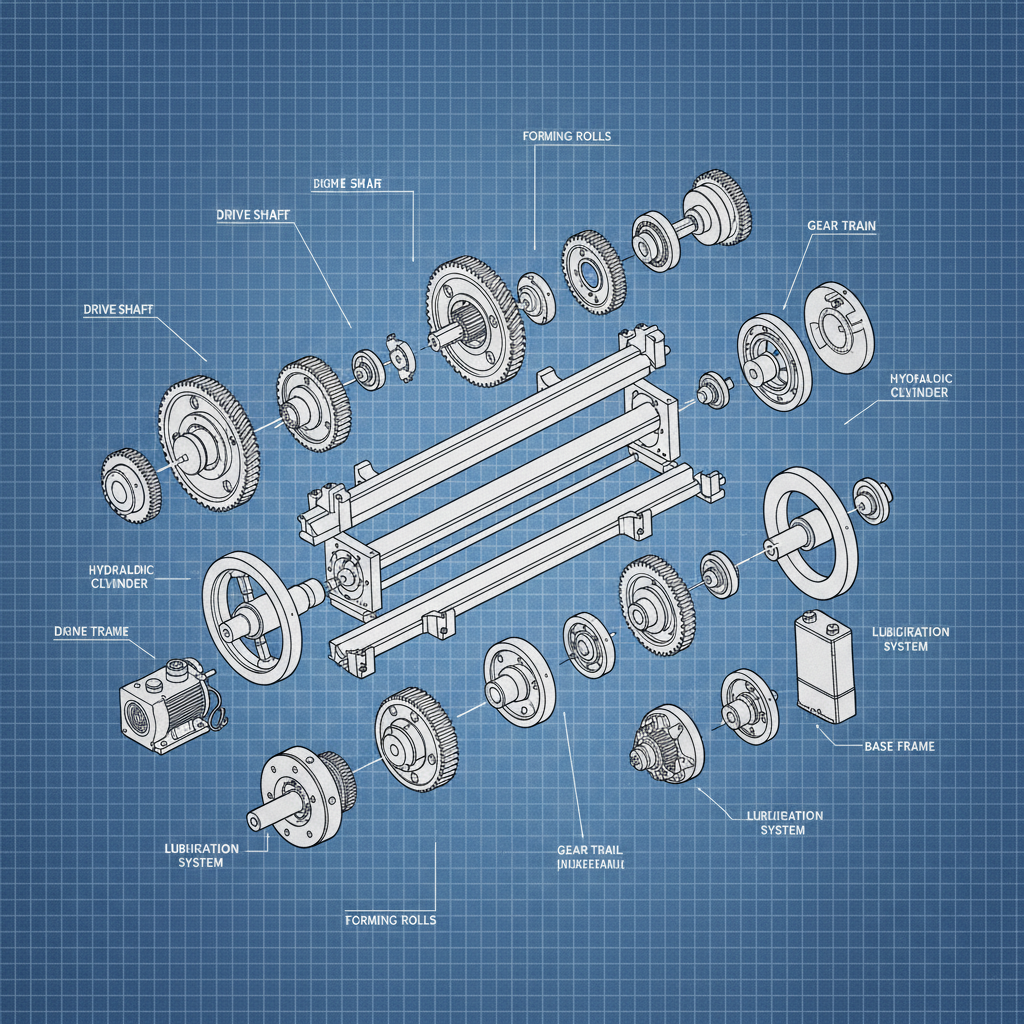
What is Metal Roll Forming?
Metal roll forming, also known as roll forming, is a continuous bending process that utilizes a series of rollers to gradually shape a metal strip into a desired profile. Unlike stamping or forging, it doesn't involve physically compressing the metal; instead, it gently and progressively forms it. This method is particularly suited for creating long, consistent profiles with complex shapes, making it ideal for applications like roofing, structural components, and automotive parts. The process is known for its efficiency, precision, and ability to handle large production volumes.
Key Benefits: High production speed, low material waste, consistent product quality, and capability to create complex shapes.
Types of Metal Roll Forming Equipment
Several types of metal roll forming equipment cater to different needs and production scales. The most common include:
- Roll Forming Lines: Complete systems including decoilers, forming stations, and cut-to-length machines.
- Stand-Alone Roll Formers: Smaller units for simpler profiles and lower production volumes.
- Flying Cut-Off Systems: Allow for cutting the metal strip while it's in motion, increasing efficiency.
- Stacking Systems: Automate the stacking of finished profiles.
Choosing the right type depends on factors like production volume, profile complexity, material type, and budget. XH Equipment offers a wide range of these options, tailored to meet diverse requirements.
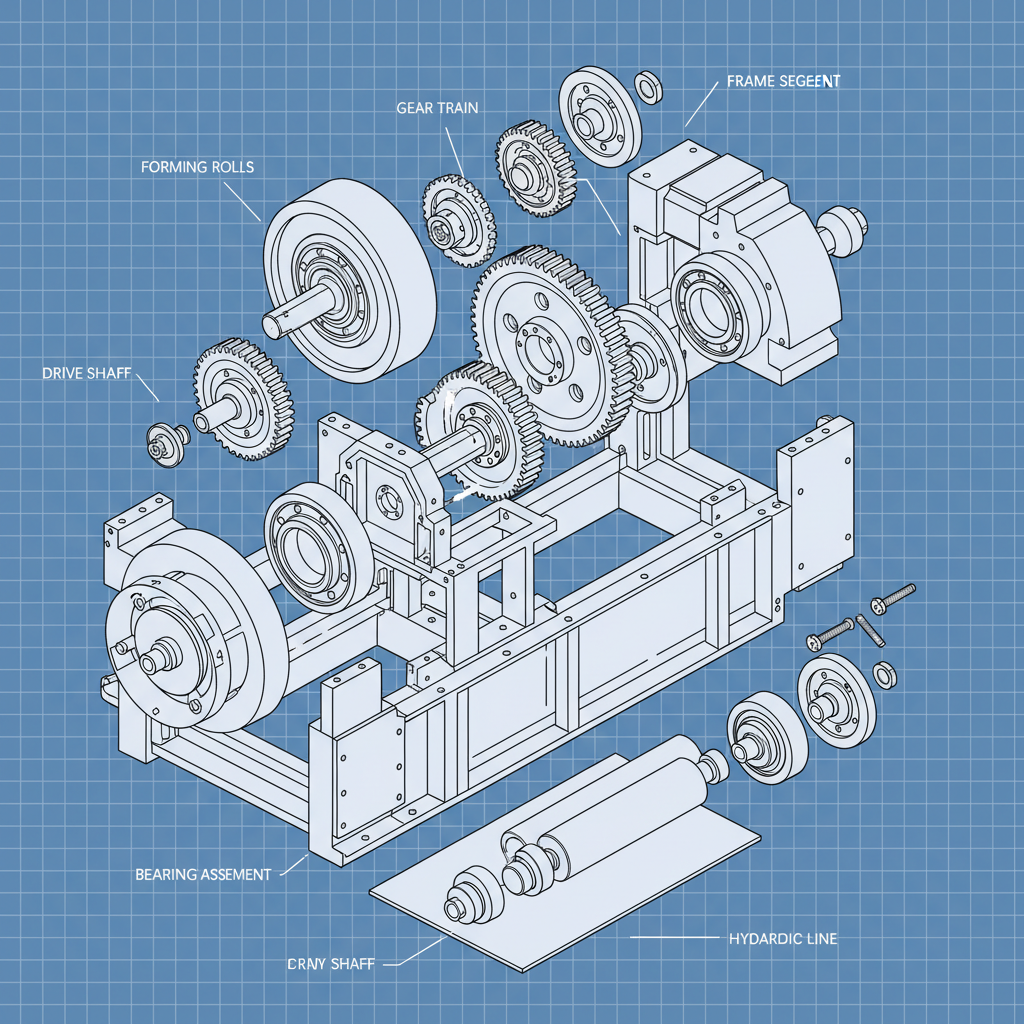
Key Components of a Metal Roll Forming Line
A typical metal roll forming line comprises several essential components working in harmony:
Metal Roll Forming vs. Other Metal Shaping Processes
Roll forming stands out from other metal shaping processes due to its unique advantages. Here's a comparison:
As the chart illustrates, roll forming excels in high-volume production and cost-effectiveness for specific profile types. However, it's not ideal for creating highly complex or intricate shapes compared to stamping or forging. XH Equipment helps clients assess their specific needs to determine if roll forming is the most suitable solution.
Choosing the Right Metal Roll Forming Equipment: Key Considerations
Selecting the right metal roll forming equipment requires careful consideration of several factors:
- Material Type: Ensure the equipment can handle the specific metal you'll be using (steel, aluminum, stainless steel, etc.).
- Profile Complexity: More complex profiles require more forming stations and potentially specialized tooling.
- Production Volume: Higher volumes justify investing in more automated and efficient systems.
- Budget: Equipment costs vary significantly based on features and capabilities.
- Supplier Reputation: Choose a reputable supplier with strong technical support and after-sales service.
XH Equipment provides expert consultation to guide you through this process and help you find the perfect solution for your needs.
Conclusion: Investing in Metal Roll Forming Technology
Investing in metal roll forming equipment can significantly enhance your manufacturing capabilities, improve efficiency, and reduce costs. By carefully evaluating your needs and partnering with a trusted supplier like XH Equipment, you can unlock the full potential of this versatile technology. Don’t hesitate to explore the possibilities and elevate your production process.
Frequently Asked Questions (FAQs)
What types of metals can be used in roll forming?
Roll forming is incredibly versatile and can process a wide range of metals, including carbon steel, stainless steel, aluminum, galvanized steel, and even some non-metallic materials. The specific metal choice depends on the application requirements, such as strength, corrosion resistance, and cost. XH Equipment can advise on the best materials for your specific project and ensure the equipment is configured accordingly.
What is the typical lead time for a custom roll forming line?
The lead time for a custom roll forming line can vary depending on the complexity of the design, the availability of components, and the current production schedule. Generally, it can range from 8 to 20 weeks. XH Equipment strives to provide accurate lead times during the quotation process and maintains open communication throughout the project.
What kind of maintenance is required for roll forming equipment?
Regular maintenance is crucial for ensuring optimal performance and longevity of roll forming equipment. This includes lubricating moving parts, inspecting rollers for wear, cleaning the machine, and checking electrical connections. XH Equipment provides comprehensive maintenance manuals and offers preventative maintenance services to help clients minimize downtime and maximize equipment lifespan.
What is the typical cost of a metal roll forming line?
The cost of a metal roll forming line varies considerably based on its size, automation level, and complexity. A basic stand-alone roll former might start around $20,000, while a fully automated roll forming line with all the accessories can easily exceed $200,000. It’s best to request a custom quote from XH Equipment to get an accurate estimate based on your specific requirements.
-
High Precision Ridge Cap Roll Forming Machine for Modern RoofingNewsApr.16,2026
-
Professional Ridge Cap Roll Forming Solutions for Metal RoofingNewsApr.09,2026
-
Comprehensive Guide to Ridge Cap Machine Functionality and ApplicationsNewsApr.07,2026
-
Comprehensive Guide to Reidius Roll Forming Machineries and Their Diverse ApplicationsNewsApr.04,2026
-
Comprehensive Guide to Rack Roll Forming Machines for Efficient ProductionNewsMar.31,2026
-
Comprehensive Guide to R Panel Roll Forming Machine Applications and SelectionNewsMar.28,2026
