

Comprehensive Guide to Purlin Forming Machines for Efficient Steel Production
Understanding Purlin Forming Machines: A Comprehensive Guide
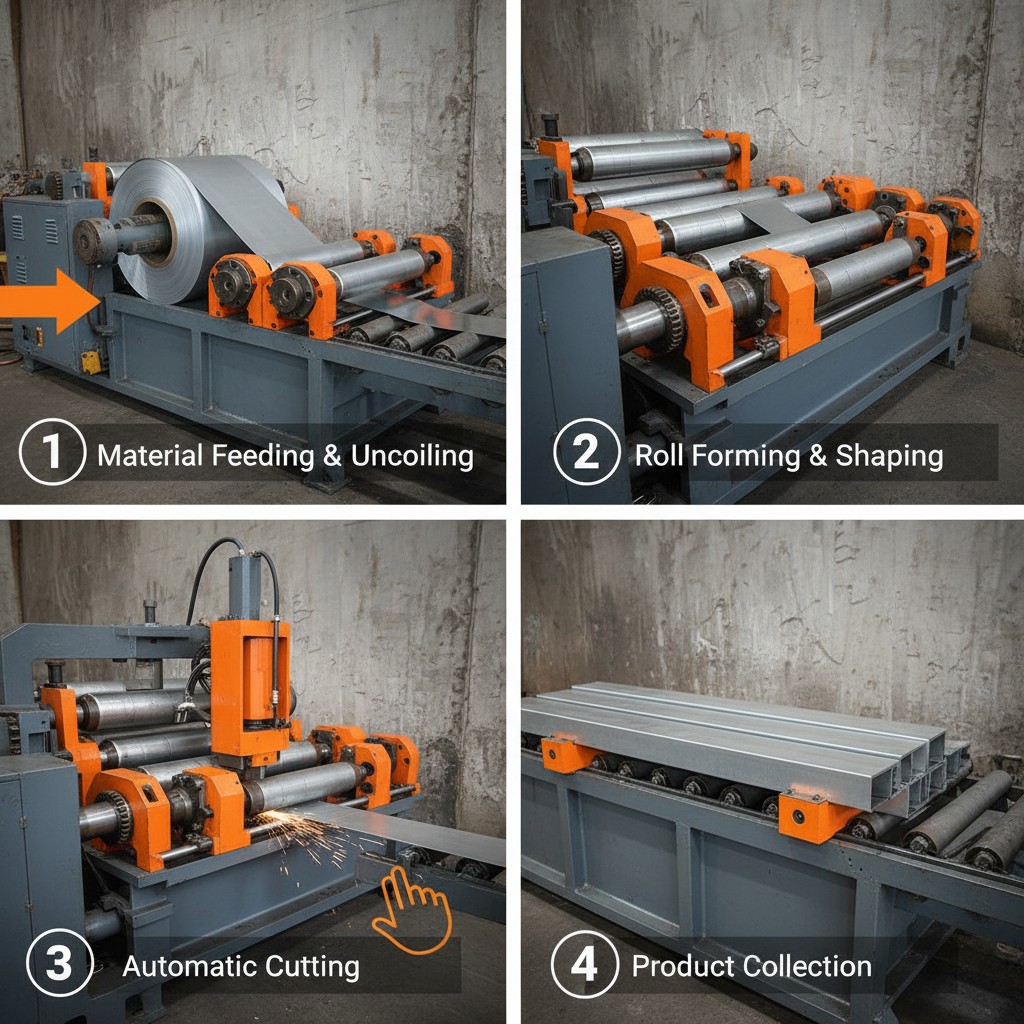
Purlins are essential structural components in buildings, providing intermediate support for roof loads. The efficiency and accuracy of purlin production are critical for construction projects. A purlin forming machine automates this process, significantly increasing productivity and reducing labor costs. This article delves into the world of purlin forming machines, covering their types, applications, benefits, and key considerations when choosing the right machine for your needs. We will explore how these machines are revolutionizing the construction industry by streamlining steel purlin manufacturing.
Types of Purlin Forming Machines
Purlin forming machines come in various configurations, each suited for different production requirements. The main types include:
- Roll Forming Machines: These machines use a series of rollers to gradually shape the steel coil into the desired purlin profile. They are versatile and can produce a wide range of purlin sizes and profiles.
- CNC Purlin Forming Machines: These are fully automated machines with Computer Numerical Control (CNC) technology. They offer high precision, flexibility, and can easily switch between different purlin profiles.
- C and Z Purlin Forming Machines: These specialized machines are designed to produce either C-shaped or Z-shaped purlins, the most common types used in construction.
The choice of machine depends on the volume of production, the variety of purlin profiles needed, and the desired level of automation. Visiting XHEquipment can provide a clearer understanding of the available options.
Key Considerations: Understanding your project’s specific needs—purlin profile, production volume, and automation level—is crucial when selecting a purlin forming machine.
Applications of Purlin Forming Machines
Purlin forming machines are used extensively in a wide range of construction projects, including:
- Commercial Buildings: Warehouses, factories, and shopping centers require strong and reliable purlin support.
- Residential Construction: Steel purlins are increasingly used in modern home construction for roof support.
- Industrial Facilities: Heavy-duty purlins are essential for supporting the roofs of industrial plants and manufacturing facilities.
- Agricultural Structures: Barns, sheds, and greenhouses benefit from the durability and cost-effectiveness of steel purlins.
The versatility of these machines allows for the production of purlins tailored to specific project requirements, making them a valuable asset in the construction industry. Explore the diverse applications further at XHEquipment’s website.
Benefits of Using Steel Purlins:
• High strength-to-weight ratio
• Cost-effective material
• Durable and long-lasting
• Easy to install
Purlin Forming Machine: Key Features and Specifications
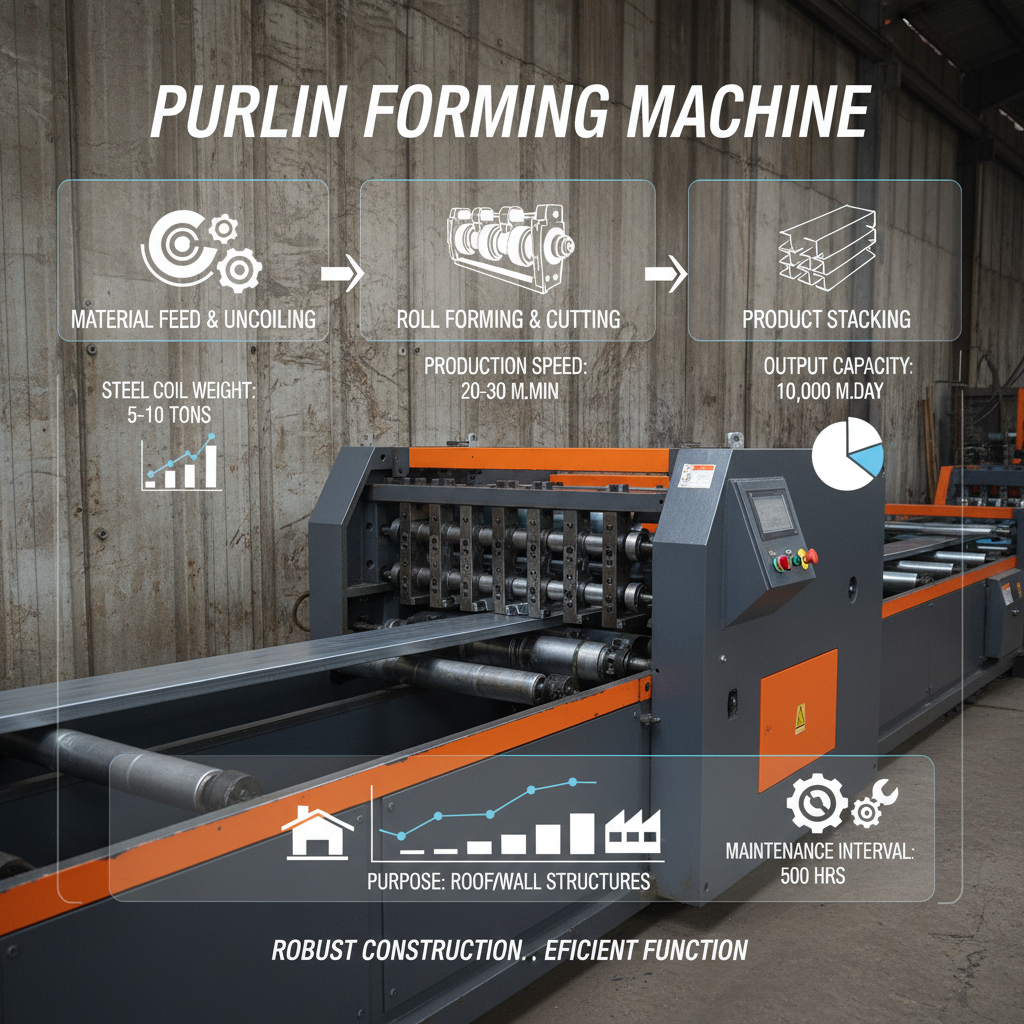
When evaluating a purlin forming machine, consider these key features and specifications:
Benefits of Investing in a Purlin Forming Machine
Investing in a purlin forming machine offers numerous benefits:
- Increased Production Efficiency: Automated production significantly increases output compared to manual methods.
- Reduced Labor Costs: Automation reduces the need for manual labor, lowering production costs.
- Improved Accuracy and Consistency: Machines ensure precise and consistent purlin profiles.
- Versatility: Many machines can produce a variety of purlin profiles, adapting to different project requirements.
- Cost Savings: Reduced waste and lower labor costs contribute to overall cost savings.
Choosing the right purlin forming machine is a strategic investment that can significantly improve your construction business’s productivity and profitability. Contact XHEquipment for personalized guidance.
Choosing the Right Purlin Forming Machine: Factors to Consider
Selecting the optimal purlin forming machine requires careful consideration of several factors:
- Production Volume: Determine your required output to choose a machine with appropriate speed and capacity.
- Purlin Profiles: Identify the types of purlins you’ll be producing to ensure the machine is compatible.
- Automation Level: Decide whether you need a fully automated CNC machine or a simpler roll forming machine.
- Budget: Establish a budget and compare prices from different manufacturers.
- Supplier Reputation: Choose a reputable supplier with a proven track record and excellent customer support like XHEquipment.
Conclusion: Investing in Efficiency with Purlin Forming Technology
The purlin forming machine is a cornerstone of modern steel construction, offering significant advantages in terms of efficiency, cost-effectiveness, and precision. By carefully evaluating your needs and selecting the right machine, you can streamline your production process and enhance your competitive edge. Invest in quality and reliability – choose a purlin forming machine from a trusted provider.
Frequently Asked Questions (FAQs)
What maintenance is required for a purlin forming machine?
Regular maintenance is essential for ensuring the longevity and optimal performance of your purlin forming machine. This includes lubricating moving parts, checking and tightening bolts, inspecting rollers for wear, and cleaning the machine regularly. Following the manufacturer’s maintenance schedule is crucial. Additionally, inspecting the hydraulic system for leaks and ensuring proper coolant levels are important. Preventative maintenance can significantly reduce downtime and prevent costly repairs.
What types of steel can a purlin forming machine handle?
Most purlin forming machines are designed to handle galvanized steel, commonly used in construction due to its corrosion resistance. However, many machines can also process other types of steel, including carbon steel and stainless steel, depending on the machine’s specifications and the roller tooling installed. It's important to confirm the machine's compatibility with your chosen steel type before operation.
How long does it take to set up a purlin forming machine for a different profile?
The setup time for a different purlin profile depends on the machine’s complexity and the experience of the operator. CNC machines offer the fastest changeover times, often requiring only a few minutes to load a new program. Roll forming machines typically require more time, as the rollers need to be manually adjusted or replaced. Proper training and a well-organized tooling system can significantly reduce setup time.
What safety features should I look for in a purlin forming machine?
Safety is paramount. Look for features like emergency stop buttons, safety guards around moving parts, light curtains, and overload protection systems. Proper electrical grounding is also essential. Ensure the machine complies with relevant safety standards and that operators receive thorough safety training before operating the equipment. A well-maintained and properly guarded machine is crucial for preventing accidents.
-
High Precision Ridge Cap Roll Forming Machine for Modern RoofingNewsApr.16,2026
-
Professional Ridge Cap Roll Forming Solutions for Metal RoofingNewsApr.09,2026
-
Comprehensive Guide to Ridge Cap Machine Functionality and ApplicationsNewsApr.07,2026
-
Comprehensive Guide to Reidius Roll Forming Machineries and Their Diverse ApplicationsNewsApr.04,2026
-
Comprehensive Guide to Rack Roll Forming Machines for Efficient ProductionNewsMar.31,2026
-
Comprehensive Guide to R Panel Roll Forming Machine Applications and SelectionNewsMar.28,2026
