

Optimizing Steel Construction with Advanced Purlin Rolling Machine Technology
Understanding Purlin Rolling Machine Technology
In the realm of steel construction, efficiency and precision are paramount. A purlin rolling machine is a specialized piece of equipment designed to dramatically streamline the process of shaping steel into purlins – the horizontal support beams vital for roofing and wall cladding. This article delves into the functionality, benefits, applications, and key considerations when selecting a purlin rolling machine, helping you understand how this technology can optimize your construction projects. Investing in the right machinery can significantly reduce labor costs and improve the overall quality of your steel structures.
How Does a Purlin Rolling Machine Work?
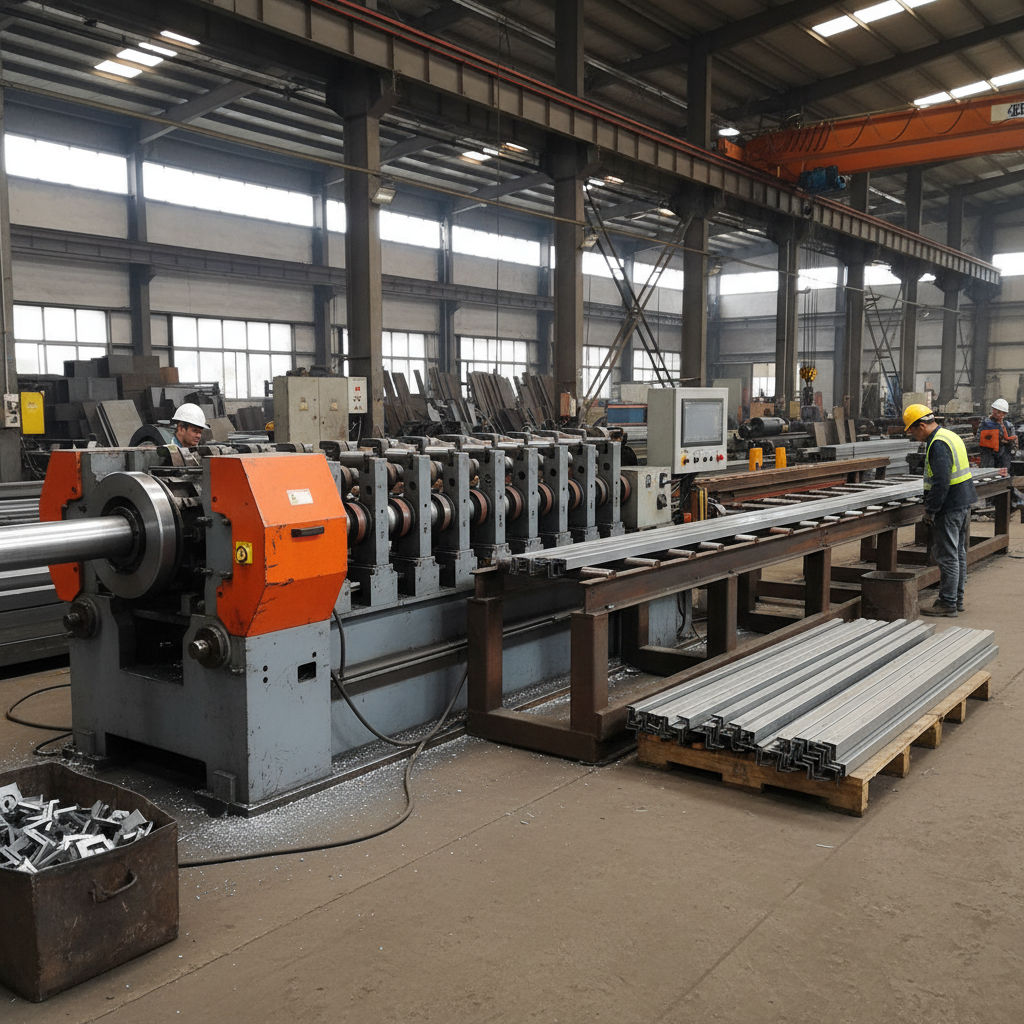
A purlin rolling machine, at its core, utilizes a series of rollers to progressively bend steel sheet or coil into the desired purlin profile. The steel is fed into the machine, and as it passes through the rollers, the shape is gradually formed. Modern machines are often computer-controlled (CNC), allowing for precise adjustments and consistent output. This automated process is far more efficient and accurate than manual bending methods. Different types of machines exist, ranging from simple manual machines to highly sophisticated automated systems capable of producing a variety of purlin profiles. The efficiency gained from using such a machine is significant, reducing waste and increasing production capacity.
Key Benefits: Increased production speed, Reduced labor costs, Improved accuracy and consistency, Versatility in creating various purlin profiles.
Types of Purlin Rolling Machines
There's a variety of purlin rolling machines available, each suited to different production needs. These include:
- Manual Purlin Rolling Machines: These require manual operation and are ideal for small-scale projects or infrequent use.
- Semi-Automatic Purlin Rolling Machines: These offer some automation, typically with motorized feeding and bending.
- Fully Automatic (CNC) Purlin Rolling Machines: These are computer-controlled, offering the highest level of precision, speed, and versatility. They can produce a wide range of purlin profiles with minimal operator intervention.
The choice depends on the volume of purlins needed, the complexity of the profiles, and the budget available. CNC machines represent a significant investment but offer substantial long-term cost savings and increased productivity.
Key Considerations When Choosing a Purlin Rolling Machine
Selecting the right purlin rolling machine requires careful consideration of several factors. These include the gauge of steel you'll be working with, the types of purlin profiles you need to produce, the production volume, and the level of automation required. Also consider the machine's power requirements, footprint, and the availability of maintenance and support. A reputable supplier, like XHEquipment, can provide expert guidance and ensure you choose a machine that meets your specific needs.
Applications of Purlin Rolling Machines
Purlin rolling machines are indispensable in various construction projects, including:
- Industrial Buildings: For creating robust and reliable support structures.
- Warehouses: Providing efficient and cost-effective roofing solutions.
- Agricultural Structures: Supporting large-span roofs for barns and storage facilities.
- Commercial Buildings: Ensuring the structural integrity of roofing and wall systems.
The ability to quickly and accurately produce purlins on-site reduces transportation costs and lead times, making it an attractive solution for a wide range of projects. A quality machine from a supplier like XHEquipment will be a valuable asset to any steel construction business.
Maintenance and Longevity
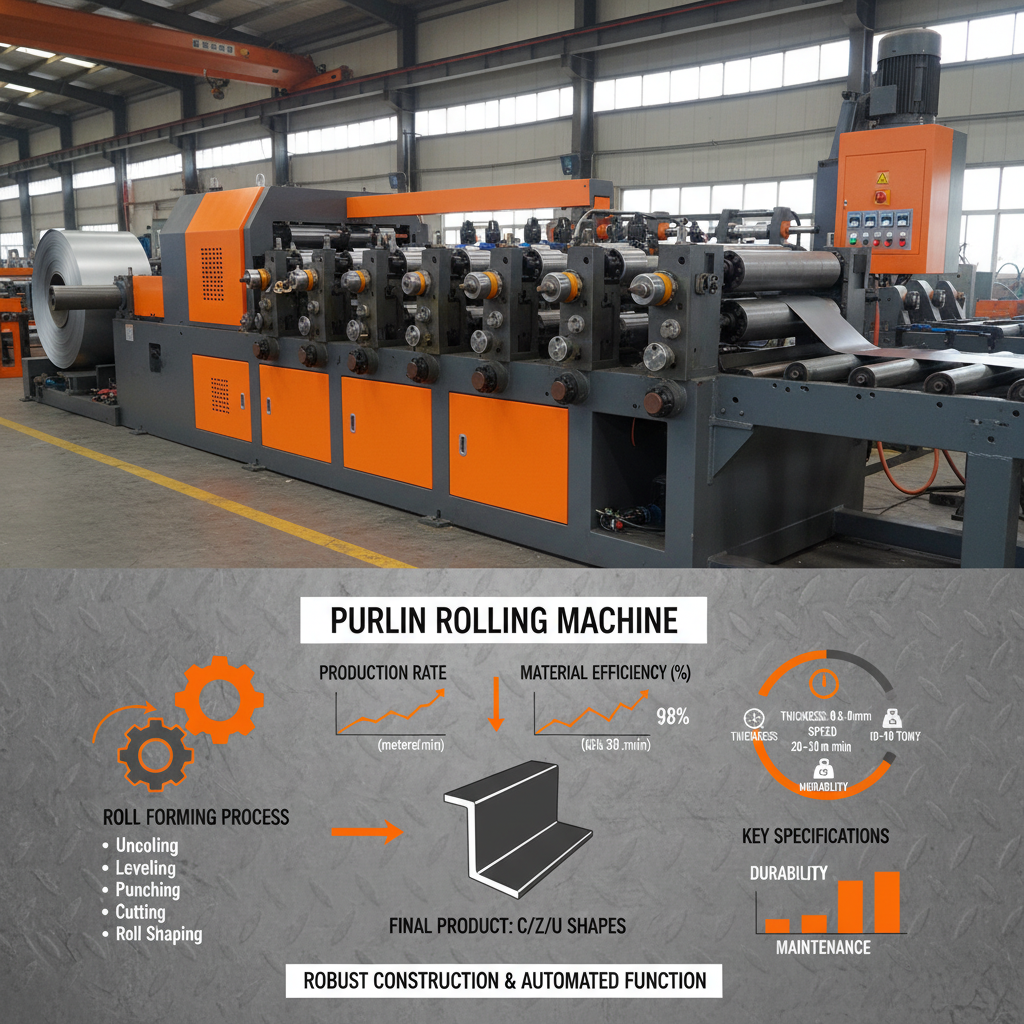
To ensure the long-term performance of your purlin rolling machine, regular maintenance is crucial. This includes lubricating moving parts, inspecting rollers for wear, and keeping the machine clean. Following the manufacturer's recommendations for maintenance schedules will significantly extend the machine's lifespan and prevent costly repairs. Investing in a machine from a reliable supplier like XHEquipment also grants you access to ongoing technical support and spare parts.
Conclusion: Enhance Your Steel Construction Capabilities
A purlin rolling machine is a valuable investment for any steel construction company looking to improve efficiency, reduce costs, and enhance the quality of their work. By carefully considering your needs and choosing a machine from a reputable supplier, you can unlock significant benefits for your business. Don't hesitate to explore the options available and find the perfect purlin rolling machine to elevate your construction projects.
Frequently Asked Questions (FAQs)
What is the typical production speed of a CNC purlin rolling machine?
The production speed of a CNC purlin rolling machine varies depending on factors such as the steel gauge, the complexity of the purlin profile, and the machine's specifications. However, a well-maintained CNC machine can typically produce between 10-30 meters of purlin per minute. This is significantly faster than manual or semi-automatic methods, leading to substantial time savings and increased output. XHEquipment provides detailed production specifications for each of its CNC purlin rolling machines.
What kind of steel can be used with a purlin rolling machine?
Most purlin rolling machines are designed to handle a range of steel grades, including galvanized steel, stainless steel, and carbon steel. However, the specific steel grades and thicknesses that can be processed depend on the machine's capacity and the hardness of the steel. It's essential to consult the machine's specifications or contact the manufacturer to ensure compatibility with your desired steel material. Using incompatible materials can damage the rollers and compromise the machine's performance.
What safety features should I look for in a purlin rolling machine?
Safety is paramount when operating a purlin rolling machine. Essential safety features include emergency stop buttons, safety guards to prevent access to moving parts, and overload protection systems. Some machines also feature automatic shutdown mechanisms in case of malfunctions. Always ensure that operators are properly trained in the machine's safe operation and wear appropriate personal protective equipment (PPE), such as safety glasses and gloves. XHEquipment machines are designed with comprehensive safety features to protect operators.
What is the typical power requirement for a purlin rolling machine?
The power requirement varies significantly depending on the size and automation level of the purlin rolling machine. Manual machines typically require minimal power, while CNC machines can require substantial power, often 3-phase electrical connections. It's crucial to verify the machine's power specifications before installation to ensure your facility can provide the necessary electrical capacity. Always consult the machine's documentation for accurate power requirements.
-
High Precision Ridge Cap Roll Forming Machine for Modern RoofingNewsApr.16,2026
-
Professional Ridge Cap Roll Forming Solutions for Metal RoofingNewsApr.09,2026
-
Comprehensive Guide to Ridge Cap Machine Functionality and ApplicationsNewsApr.07,2026
-
Comprehensive Guide to Reidius Roll Forming Machineries and Their Diverse ApplicationsNewsApr.04,2026
-
Comprehensive Guide to Rack Roll Forming Machines for Efficient ProductionNewsMar.31,2026
-
Comprehensive Guide to R Panel Roll Forming Machine Applications and SelectionNewsMar.28,2026
