

Precision Flying Saw & Shear: High-Speed Metal Cutting
Navigating Precision: Industry Trends in Tube and Pipe Cutting
The modern manufacturing landscape, particularly within the metallurgy, construction, and automotive sectors, is relentlessly driven by demands for higher precision, increased efficiency, and enhanced safety. Traditional cutting methods often struggle to meet these stringent requirements, leading to material waste, secondary processing needs, and significant operational bottlenecks. This evolving environment has propelled the flying saw to the forefront of innovative cold cutting technologies.
Key trends indicate a strong move towards automation, integration with digital control systems, and a focus on sustainable manufacturing practices. Manufacturers are prioritizing solutions that minimize noise, eliminate heat-affected zones (HAZ), and offer superior cut quality for a diverse range of materials. The integration of advanced sensor technologies and real-time data analytics is also becoming paramount, enabling predictive maintenance and optimizing operational throughput for advanced flying shear systems.
Furthermore, there's a growing emphasis on flexibility to handle various tube profiles and materials, from standard carbon steel to high-strength alloys and non-ferrous metals. This necessitates robust and adaptable cutting solutions capable of continuous operation in demanding industrial environments.
The Advanced Manufacturing Process of Cold Cutting Flying Saws
The production of a high-performance Cold Cutting flying saw involves a meticulous multi-stage manufacturing process, ensuring precision, durability, and operational excellence. This process is designed to meet the rigorous demands of target industries such as petrochemical, metallurgy, and water supply & drainage, where energy saving and corrosion resistance are critical.
Process Flow:
- Material Selection and Preparation: High-grade alloy steels (e.g., CrMoV, tool steels) are selected for critical components like saw blade drives and clamping mechanisms due to their superior strength, wear resistance, and fatigue life. Base frames are typically constructed from robust structural steel.
- Precision Casting/Forging: Key structural elements and drive components undergo precision casting or closed-die forging to achieve optimal grain structure and mechanical properties, minimizing internal defects and ensuring high integrity.
- Advanced CNC Machining: Components are machined to exacting tolerances using multi-axis CNC machine centers. This ensures perfect alignment, smooth operation, and reduced wear. Surfaces requiring critical fits are ground to micron-level accuracy.
- Heat Treatment and Surface Finishing: Critical parts undergo specific heat treatments (e.g., carburizing, nitriding, induction hardening) to enhance surface hardness, wear resistance, and core toughness. Corrosion-resistant coatings or treatments are applied to components exposed to harsh environments, extending service life significantly.
- Component Assembly and Integration: High-precision bearings, servo motors, hydraulic systems, and advanced PLC control units are integrated. The assembly process includes stringent checks for mechanical alignment, fluid system integrity, and electrical connectivity.
- Rigorous Testing and Quality Assurance: Each flying saw machine undergoes comprehensive functional testing, including simulated cutting cycles under varying loads. Adherence to international standards such as ISO 9001 for quality management, ANSI for mechanical safety, and CE for European market compliance is strictly maintained. These tests confirm a projected service life of 7-10 years with proper maintenance, significantly outperforming conventional systems.
Advantages in Typical Application Scenarios:
- Energy Saving: Optimized motor efficiency and precise motion control reduce power consumption by up to 15-20% compared to hydraulic-only systems, aligning with sustainable manufacturing goals in steel mills.
- Corrosion Resistance: Specialized coatings and material selections ensure robust performance in humid or chemically aggressive environments, critical for offshore oil & gas pipe production.
- High Precision Cutting: Achieves cut length tolerances as low as ±0.5 mm, crucial for construction framework and automotive component manufacturing, minimizing rework.
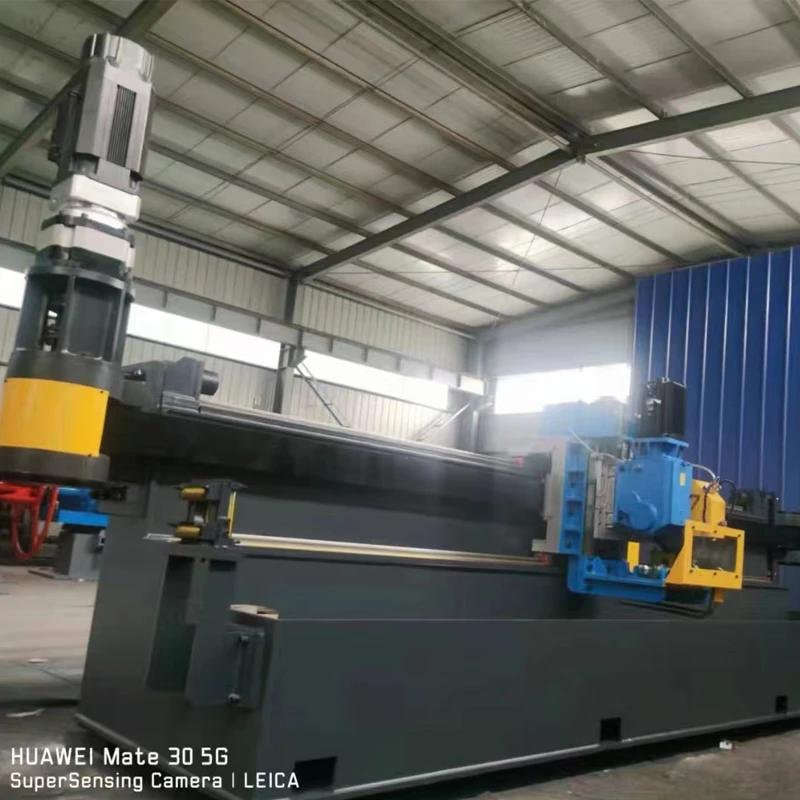
Image 1: Precision components of a Cold Cutting Flying Saw system.
Technical Specifications and Performance Parameters
Understanding the core technical specifications is crucial for evaluating the capability and suitability of a Cold Cutting flying saw for specific production lines. Our systems are engineered for robust performance and operational longevity.
Typical Product Specifications: Cold Cutting Flying Saw
| Parameter | Specification Range | Unit/Details |
|---|---|---|
| Tube/Pipe Diameter Range | Ø20 - Ø219 | mm |
| Wall Thickness Range | 0.8 - 12.0 | mm |
| Line Speed (Max) | 120 | m/min |
| Cutting Length Accuracy | ±0.5 | mm |
| Saw Blade Diameter | Ø250 - Ø500 | mm (HSS or TCT) |
| Main Motor Power | 30 - 75 | kW (Servo Driven) |
| Clamping Mechanism | Pneumatic/Hydraulic Servo | Ensures secure, non-deforming grip |
| Control System | Siemens/Mitsubishi PLC + HMI | User-friendly interface, diagnostic tools |
| Noise Level | < 80 | dB (at 1m distance) |
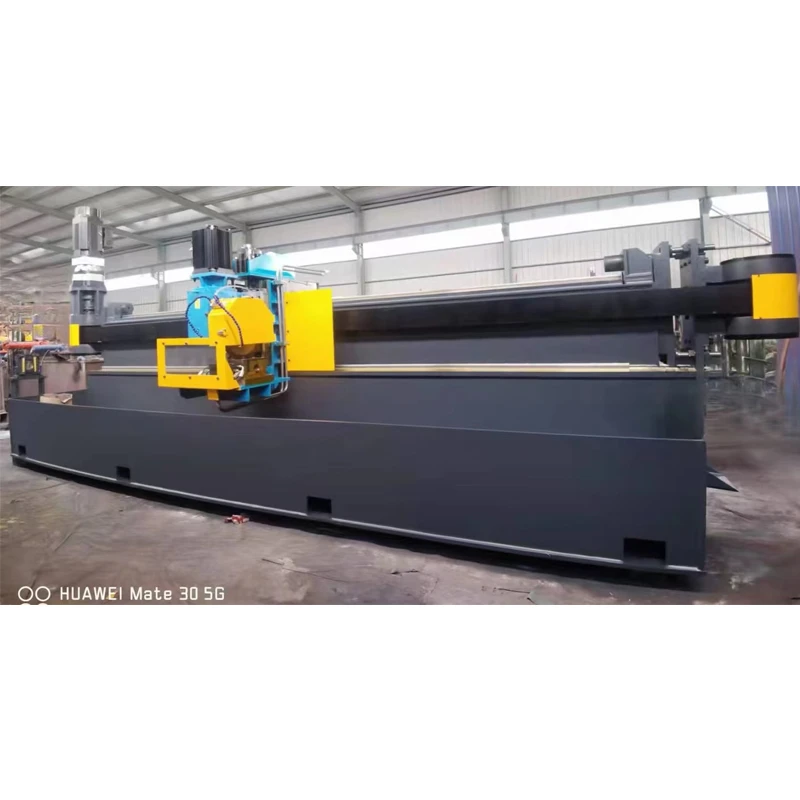
Image 2: An operational Cold Cutting Flying Saw in a manufacturing line.
Versatile Application Scenarios
The Cold Cutting flying saw is a critical component in various high-volume manufacturing environments where precise, burr-free, and heat-free cutting is paramount. Its adaptability makes it ideal for a wide array of industrial applications.
- Tube Mill Production Lines: Seamlessly integrates into continuous tube and pipe welding lines (ERW, HFI, Spiral Pipe), performing on-the-fly cutting without interrupting the extrusion process. This is vital for maintaining high production rates in steel, aluminum, and stainless steel pipe manufacturing.
- Automotive Manufacturing: Used for precise cutting of exhaust system components, chassis parts, and structural elements made from various metals, ensuring dimensional accuracy for subsequent welding or assembly processes. The absence of a heat-affected zone is crucial for maintaining material integrity.
- Construction and Structural Steel: Provides accurate cuts for steel beams, pipes, and profiles used in building frameworks, bridges, and infrastructure projects, reducing the need for post-cut finishing and improving overall fabrication speed.
- Furniture and Appliances: Precision cutting of metal tubing for furniture frames, appliance components, and other consumer goods where aesthetics and tight tolerances are required.
- HVAC and Refrigeration: Produces clean cuts on copper, aluminum, and steel tubing used in heating, ventilation, air conditioning, and refrigeration systems, preventing contamination and ensuring leak-proof connections.
- General Metal Fabrication: Supports a broad range of custom fabrication tasks requiring high-speed and high-quality cuts on various metal profiles, replacing slower, less precise methods like abrasive cutting or conventional band saws.
Unrivaled Technical Advantages
The superiority of the Cold Cutting flying shear design lies in its fundamental operational principles and advanced engineering, offering significant benefits over traditional cutting methods.
- Zero Heat-Affected Zone (HAZ): Unlike hot cutting processes, cold cutting eliminates thermal deformation, material hardening, and metallurgical changes, preserving the original mechanical properties of the material. This is critical for high-strength steels and heat-sensitive alloys.
- Burr-Free & Clean Cuts: High-precision saw blades and optimized cutting parameters result in exceptionally smooth, burr-free edges, significantly reducing or eliminating the need for secondary deburring operations. This directly contributes to cost savings and faster downstream processing.
- High Speed & Throughput: Synchronized with the production line speed, the flying saw performs cuts on-the-fly, ensuring continuous material flow and maximizing throughput. Achieves cutting speeds up to 120 meters per minute for lighter gauge materials.
- Reduced Noise and Vibration: Engineered for quiet operation, our Cold Cutting Flying Saws typically produce noise levels below 80 dB, creating a safer and more comfortable working environment compared to noisy abrasive saws or impact shears.
- Material Savings: The narrow kerf of the saw blade minimizes material loss, especially advantageous when processing expensive alloys or in high-volume production where small savings per cut accumulate rapidly.
- Enhanced Safety: Enclosed cutting areas, advanced sensor arrays, and integrated safety interlocks minimize operator exposure to moving parts and ejected debris, adhering to stringent industrial safety standards.
- Low Maintenance & Longevity: Robust construction, high-quality components, and precision engineering contribute to extended service intervals and a longer operational lifespan, reducing total cost of ownership.
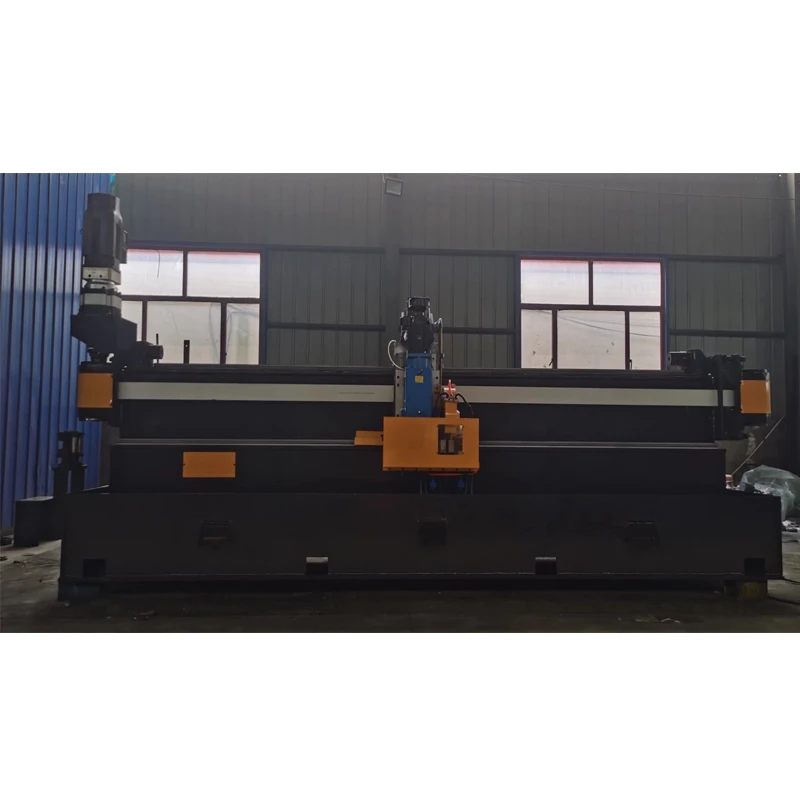
Image 3: Detailed view of the precision clamping and cutting mechanism of a Cold Cutting Flying Saw.
Vendor Comparison: Cold Cutting Flying Saw vs. Traditional Systems
When investing in cutting technology, a thorough comparison is essential. Below, we highlight how our Cold Cutting air metal shear solutions stand against conventional methods.
Comparative Analysis: Cold Cutting Flying Saw vs. Alternatives
| Feature/Parameter | Cold Cutting Flying Saw | Traditional Hot Saw | Abrasive Cut-off Saw |
|---|---|---|---|
| Cut Quality (Edges) | Excellent (burr-free, clean) | Fair (rough, burrs, scale) | Good (some burrs) |
| Heat Affected Zone (HAZ) | None | Significant | Minor to Moderate |
| Production Speed | Very High (continuous line speed) | High (but requires cooling) | Medium (intermittent) |
| Material Suitability | Wide range (steel, alloys, non-ferrous) | Mainly steel (less effective on alloys) | General purpose (some material degradation) |
| Noise Level | Low (below 80 dB) | High | High |
| Maintenance & Consumables | Moderate (blade sharpening/replacement) | High (blade wear, cooling system) | High (frequent disc replacement) |
| Operational Cost (per cut) | Low (high efficiency, minimal waste) | Medium (energy, cooling, secondary processing) | Medium (disc cost, labor for finishing) |
This comparison clearly demonstrates the superior capabilities and long-term economic benefits offered by a Cold Cutting Flying Saw, particularly for demanding industrial applications requiring precision and efficiency.
Customized Solutions and Tailored Engineering
Recognizing that no two production lines are identical, we specialize in providing highly customized Cold Cutting flying saw solutions. Our engineering team works closely with clients to understand specific operational constraints, material characteristics, and desired output, ensuring seamless integration and optimal performance.
- Material Adaptability: Custom saw blade materials and tooth geometries are developed for specific alloys, including high-strength low-alloy (HSLA) steels, stainless steels, titanium, and non-ferrous metals, optimizing cut quality and blade life.
- Integration with Existing Lines: Our systems are designed to integrate with diverse existing production line architectures, including various mill speeds, control systems, and material handling solutions. This includes adapting to specific entry and exit conveying systems.
- Enhanced Automation and Control: Options for advanced automation, including robotic material handling, automated blade changing, and sophisticated diagnostics accessible via SCADA or ERP systems.
- Environmental Adaptations: Custom enclosures for noise reduction, dust extraction systems, and specialized cooling/lubrication systems tailored for extreme temperatures or corrosive atmospheres.
- Specific Cut Profiles: Beyond standard straight cuts, we can engineer solutions for specific angle cuts, chamfering, or notching requirements directly on the line.
Our consultative approach ensures that every customized solution delivers maximum ROI and operational efficiency, backed by decades of engineering expertise and rigorous testing.
Application Case Studies & Customer Successes
Our commitment to delivering high-performance Cold Cutting Flying Saws is validated by the successful implementation in diverse industrial settings globally. Below are examples showcasing tangible benefits:
Case Study 1: High-Volume Steel Tube Mill Upgrade
Client: A leading steel tube manufacturer in North America specializing in ERW (Electric Resistance Welded) pipes for construction.
Challenge: The client was using an older hot saw system that generated significant burrs, a large HAZ, and required extensive secondary deburring, limiting their production speed to 60 m/min and increasing manufacturing costs.
Solution: We designed and installed a custom Cold Cutting Flying Saw system capable of handling Ø60-Ø168 mm pipes with wall thicknesses up to 8 mm. The system featured a high-speed servo-driven carriage and advanced TCT (Tungsten Carbide Tipped) saw blades.
Results:
- Increased line speed by 35% to 81 m/min.
- Eliminated secondary deburring process, saving approximately $150,000 annually in labor and consumables.
- Achieved cut length accuracy of ±0.3 mm, reducing material waste by 2% for specific product lines.
- Improved worker safety due to significantly lower noise levels and enclosed operation.
Case Study 2: Precision Cutting for Automotive Exhaust Systems
Client: A Tier 1 automotive supplier manufacturing exhaust components from stainless steel (SS304/SS409).
Challenge: The client required high-precision, burr-free cuts on thin-walled stainless steel tubes (Ø30-Ø76 mm, 1.0-2.5 mm wall thickness) at variable speeds, without any discoloration or HAZ, which was problematic with existing plasma cutting solutions.
Solution: We provided a specialized Cold Cutting Flying Saw configured with high-speed HSS (High-Speed Steel) saw blades and a precise pneumatic clamping system to prevent tube deformation. The control system was integrated with their existing production line MES (Manufacturing Execution System).
Results:
- Achieved zero discoloration and no HAZ on all cut surfaces, meeting stringent automotive quality standards.
- Reduced post-processing rejects by 7%, leading to significant material and labor cost savings.
- Maintained continuous production flow at varying line speeds, adapting to diverse product requirements.
- Enhanced tool life of downstream bending and forming machines due to clean cut edges.
Frequently Asked Questions (FAQ)
Q1: What materials can your Cold Cutting Flying Saw process?
A: Our systems are highly versatile and can efficiently cut a wide range of materials, including carbon steel, stainless steel, galvanized steel, aluminum, copper, and various high-strength alloys. Specific blade selection and machine configuration are optimized for each material type.
Q2: What is the maximum line speed your flying saw can handle?
A: Our Cold Cutting Flying Saws can achieve line speeds up to 120 m/min, depending on the tube diameter, wall thickness, and material type. We can customize solutions for even higher speeds based on specific project requirements.
Q3: How does cold cutting prevent burrs and heat-affected zones?
A: Cold cutting utilizes a precision saw blade that shears the material without significant heat generation, preventing thermal distortion and metallurgical changes. Optimized blade geometry, cutting parameters, and rigid clamping ensure a clean, burr-free edge, often eliminating the need for secondary processing.
Q4: What are the typical lead times for a customized system?
A: Lead times for customized Cold Cutting Flying Saws typically range from 12 to 20 weeks, depending on the complexity of the design and specific component sourcing. Standard configurations may have shorter lead times. We provide a detailed project timeline upon order confirmation.
Q5: What kind of after-sales support and warranty do you offer?
A: We offer a standard 12-month warranty on all our Cold Cutting Flying Saws, covering manufacturing defects and component failures. Our comprehensive after-sales support includes remote diagnostics, on-site technical assistance, spare parts supply, and operator training programs to ensure smooth and continuous operation.
Lead Time, Fulfillment, and Warranty Commitments
Lead Time and Fulfillment:
Our project management approach ensures transparency and efficiency from order placement to final commissioning. For standard Cold Cutting Flying Saw configurations, typical lead times range from 10 to 14 weeks. Customized solutions, tailored to specific client requirements, may extend this to 16-24 weeks, depending on the complexity of engineering and sourcing specialized components. We maintain robust supply chain relationships and a highly efficient manufacturing process to minimize delays. Delivery logistics are meticulously planned, offering global shipping options and on-site installation services by our certified technical teams.
Warranty Commitments:
We stand by the quality and reliability of our equipment. All new Cold Cutting Flying Saws come with a comprehensive 12-month warranty, commencing from the date of commissioning or 18 months from shipment, whichever comes first. This warranty covers manufacturing defects and material failures under normal operating conditions. Extended warranty options and service contracts are available to provide long-term peace of mind and minimize unforeseen operational costs.
Customer Support and After-Sales Service:
Our commitment extends beyond delivery. We provide a full spectrum of after-sales support services designed to maximize equipment uptime and operational efficiency:
- Technical Assistance: 24/7 remote technical support and troubleshooting via phone, email, and video conferencing.
- On-Site Service: Availability of skilled technicians for on-site diagnostics, repairs, preventive maintenance, and emergency support globally.
- Spare Parts Management: Comprehensive inventory of critical spare parts for prompt dispatch, minimizing downtime.
- Training Programs: Customized operator and maintenance training programs, conducted either on-site or at our facilities, to ensure your team is proficient in operating and maintaining the equipment safely and efficiently.
- Regular Software Updates: Provision of software updates for control systems to enhance performance and introduce new functionalities.
Our global network of service partners and dedicated support team ensures rapid response and expert assistance, wherever your operations are located.
References
- ISO 9001:2015 Quality management systems - Requirements. International Organization for Standardization.
- ASTM A513/A513M-18. Standard Specification for Electric-Resistance-Welded Carbon and Alloy Steel Mechanical Tubing. ASTM International.
- Müller, T. (2019). Advanced Cold Forming and Cutting Processes in Metal Manufacturing. Journal of Manufacturing Science and Engineering, 141(3), 031005.
- Smith, J. (2020). Precision Tube and Pipe Production: Technologies and Economic Impact. International Journal of Production Research, 58(12), 3749-3765.
- Werner, P. (2021). Automation and Digitalization in Steel Processing Lines. Steel Times International, 45(4), 22-26.
-
High Precision Ridge Cap Roll Forming Machine for Modern RoofingNewsApr.16,2026
-
Professional Ridge Cap Roll Forming Solutions for Metal RoofingNewsApr.09,2026
-
Comprehensive Guide to Ridge Cap Machine Functionality and ApplicationsNewsApr.07,2026
-
Comprehensive Guide to Reidius Roll Forming Machineries and Their Diverse ApplicationsNewsApr.04,2026
-
Comprehensive Guide to Rack Roll Forming Machines for Efficient ProductionNewsMar.31,2026
-
Comprehensive Guide to R Panel Roll Forming Machine Applications and SelectionNewsMar.28,2026
Precision Flying Saw & Shear: High-Speed Metal Cutting
Navigating Precision: Industry Trends in Tube and Pipe Cutting
The modern manufacturing landscape, particularly within the metallurgy, construction, and automotive sectors, is relentlessly driven by demands for higher precision, increased efficiency, and enhanced safety. Traditional cutting methods often struggle to meet these stringent requirements, leading to material waste, secondary processing needs, and significant operational bottlenecks. This evolving environment has propelled the flying saw to the forefront of innovative cold cutting technologies.
Key trends indicate a strong move towards automation, integration with digital control systems, and a focus on sustainable manufacturing practices. Manufacturers are prioritizing solutions that minimize noise, eliminate heat-affected zones (HAZ), and offer superior cut quality for a diverse range of materials. The integration of advanced sensor technologies and real-time data analytics is also becoming paramount, enabling predictive maintenance and optimizing operational throughput for advanced flying shear systems.
Furthermore, there's a growing emphasis on flexibility to handle various tube profiles and materials, from standard carbon steel to high-strength alloys and non-ferrous metals. This necessitates robust and adaptable cutting solutions capable of continuous operation in demanding industrial environments.
The Advanced Manufacturing Process of Cold Cutting Flying Saws
The production of a high-performance Cold Cutting flying saw involves a meticulous multi-stage manufacturing process, ensuring precision, durability, and operational excellence. This process is designed to meet the rigorous demands of target industries such as petrochemical, metallurgy, and water supply & drainage, where energy saving and corrosion resistance are critical.
Process Flow:
- Material Selection and Preparation: High-grade alloy steels (e.g., CrMoV, tool steels) are selected for critical components like saw blade drives and clamping mechanisms due to their superior strength, wear resistance, and fatigue life. Base frames are typically constructed from robust structural steel.
- Precision Casting/Forging: Key structural elements and drive components undergo precision casting or closed-die forging to achieve optimal grain structure and mechanical properties, minimizing internal defects and ensuring high integrity.
- Advanced CNC Machining: Components are machined to exacting tolerances using multi-axis CNC machine centers. This ensures perfect alignment, smooth operation, and reduced wear. Surfaces requiring critical fits are ground to micron-level accuracy.
- Heat Treatment and Surface Finishing: Critical parts undergo specific heat treatments (e.g., carburizing, nitriding, induction hardening) to enhance surface hardness, wear resistance, and core toughness. Corrosion-resistant coatings or treatments are applied to components exposed to harsh environments, extending service life significantly.
- Component Assembly and Integration: High-precision bearings, servo motors, hydraulic systems, and advanced PLC control units are integrated. The assembly process includes stringent checks for mechanical alignment, fluid system integrity, and electrical connectivity.
- Rigorous Testing and Quality Assurance: Each flying saw machine undergoes comprehensive functional testing, including simulated cutting cycles under varying loads. Adherence to international standards such as ISO 9001 for quality management, ANSI for mechanical safety, and CE for European market compliance is strictly maintained. These tests confirm a projected service life of 7-10 years with proper maintenance, significantly outperforming conventional systems.
Advantages in Typical Application Scenarios:
- Energy Saving: Optimized motor efficiency and precise motion control reduce power consumption by up to 15-20% compared to hydraulic-only systems, aligning with sustainable manufacturing goals in steel mills.
- Corrosion Resistance: Specialized coatings and material selections ensure robust performance in humid or chemically aggressive environments, critical for offshore oil & gas pipe production.
- High Precision Cutting: Achieves cut length tolerances as low as ±0.5 mm, crucial for construction framework and automotive component manufacturing, minimizing rework.
Image 1: Precision components of a Cold Cutting Flying Saw system.
Technical Specifications and Performance Parameters
Understanding the core technical specifications is crucial for evaluating the capability and suitability of a Cold Cutting flying saw for specific production lines. Our systems are engineered for robust performance and operational longevity.
Typical Product Specifications: Cold Cutting Flying Saw
| Parameter | Specification Range | Unit/Details |
|---|---|---|
| Tube/Pipe Diameter Range | Ø20 - Ø219 | mm |
| Wall Thickness Range | 0.8 - 12.0 | mm |
| Line Speed (Max) | 120 | m/min |
| Cutting Length Accuracy | ±0.5 | mm |
| Saw Blade Diameter | Ø250 - Ø500 | mm (HSS or TCT) |
| Main Motor Power | 30 - 75 | kW (Servo Driven) |
| Clamping Mechanism | Pneumatic/Hydraulic Servo | Ensures secure, non-deforming grip |
| Control System | Siemens/Mitsubishi PLC + HMI | User-friendly interface, diagnostic tools |
| Noise Level | < 80 | dB (at 1m distance) |
Image 2: An operational Cold Cutting Flying Saw in a manufacturing line.
Versatile Application Scenarios
The Cold Cutting flying saw is a critical component in various high-volume manufacturing environments where precise, burr-free, and heat-free cutting is paramount. Its adaptability makes it ideal for a wide array of industrial applications.
- Tube Mill Production Lines: Seamlessly integrates into continuous tube and pipe welding lines (ERW, HFI, Spiral Pipe), performing on-the-fly cutting without interrupting the extrusion process. This is vital for maintaining high production rates in steel, aluminum, and stainless steel pipe manufacturing.
- Automotive Manufacturing: Used for precise cutting of exhaust system components, chassis parts, and structural elements made from various metals, ensuring dimensional accuracy for subsequent welding or assembly processes. The absence of a heat-affected zone is crucial for maintaining material integrity.
- Construction and Structural Steel: Provides accurate cuts for steel beams, pipes, and profiles used in building frameworks, bridges, and infrastructure projects, reducing the need for post-cut finishing and improving overall fabrication speed.
- Furniture and Appliances: Precision cutting of metal tubing for furniture frames, appliance components, and other consumer goods where aesthetics and tight tolerances are required.
- HVAC and Refrigeration: Produces clean cuts on copper, aluminum, and steel tubing used in heating, ventilation, air conditioning, and refrigeration systems, preventing contamination and ensuring leak-proof connections.
- General Metal Fabrication: Supports a broad range of custom fabrication tasks requiring high-speed and high-quality cuts on various metal profiles, replacing slower, less precise methods like abrasive cutting or conventional band saws.
Unrivaled Technical Advantages
The superiority of the Cold Cutting flying shear design lies in its fundamental operational principles and advanced engineering, offering significant benefits over traditional cutting methods.
- Zero Heat-Affected Zone (HAZ): Unlike hot cutting processes, cold cutting eliminates thermal deformation, material hardening, and metallurgical changes, preserving the original mechanical properties of the material. This is critical for high-strength steels and heat-sensitive alloys.
- Burr-Free & Clean Cuts: High-precision saw blades and optimized cutting parameters result in exceptionally smooth, burr-free edges, significantly reducing or eliminating the need for secondary deburring operations. This directly contributes to cost savings and faster downstream processing.
- High Speed & Throughput: Synchronized with the production line speed, the flying saw performs cuts on-the-fly, ensuring continuous material flow and maximizing throughput. Achieves cutting speeds up to 120 meters per minute for lighter gauge materials.
- Reduced Noise and Vibration: Engineered for quiet operation, our Cold Cutting Flying Saws typically produce noise levels below 80 dB, creating a safer and more comfortable working environment compared to noisy abrasive saws or impact shears.
- Material Savings: The narrow kerf of the saw blade minimizes material loss, especially advantageous when processing expensive alloys or in high-volume production where small savings per cut accumulate rapidly.
- Enhanced Safety: Enclosed cutting areas, advanced sensor arrays, and integrated safety interlocks minimize operator exposure to moving parts and ejected debris, adhering to stringent industrial safety standards.
- Low Maintenance & Longevity: Robust construction, high-quality components, and precision engineering contribute to extended service intervals and a longer operational lifespan, reducing total cost of ownership.
Image 3: Detailed view of the precision clamping and cutting mechanism of a Cold Cutting Flying Saw.
Vendor Comparison: Cold Cutting Flying Saw vs. Traditional Systems
When investing in cutting technology, a thorough comparison is essential. Below, we highlight how our Cold Cutting air metal shear solutions stand against conventional methods.
Comparative Analysis: Cold Cutting Flying Saw vs. Alternatives
| Feature/Parameter | Cold Cutting Flying Saw | Traditional Hot Saw | Abrasive Cut-off Saw |
|---|---|---|---|
| Cut Quality (Edges) | Excellent (burr-free, clean) | Fair (rough, burrs, scale) | Good (some burrs) |
| Heat Affected Zone (HAZ) | None | Significant | Minor to Moderate |
| Production Speed | Very High (continuous line speed) | High (but requires cooling) | Medium (intermittent) |
| Material Suitability | Wide range (steel, alloys, non-ferrous) | Mainly steel (less effective on alloys) | General purpose (some material degradation) |
| Noise Level | Low (below 80 dB) | High | High |
| Maintenance & Consumables | Moderate (blade sharpening/replacement) | High (blade wear, cooling system) | High (frequent disc replacement) |
| Operational Cost (per cut) | Low (high efficiency, minimal waste) | Medium (energy, cooling, secondary processing) | Medium (disc cost, labor for finishing) |
This comparison clearly demonstrates the superior capabilities and long-term economic benefits offered by a Cold Cutting Flying Saw, particularly for demanding industrial applications requiring precision and efficiency.
Customized Solutions and Tailored Engineering
Recognizing that no two production lines are identical, we specialize in providing highly customized Cold Cutting flying saw solutions. Our engineering team works closely with clients to understand specific operational constraints, material characteristics, and desired output, ensuring seamless integration and optimal performance.
- Material Adaptability: Custom saw blade materials and tooth geometries are developed for specific alloys, including high-strength low-alloy (HSLA) steels, stainless steels, titanium, and non-ferrous metals, optimizing cut quality and blade life.
- Integration with Existing Lines: Our systems are designed to integrate with diverse existing production line architectures, including various mill speeds, control systems, and material handling solutions. This includes adapting to specific entry and exit conveying systems.
- Enhanced Automation and Control: Options for advanced automation, including robotic material handling, automated blade changing, and sophisticated diagnostics accessible via SCADA or ERP systems.
- Environmental Adaptations: Custom enclosures for noise reduction, dust extraction systems, and specialized cooling/lubrication systems tailored for extreme temperatures or corrosive atmospheres.
- Specific Cut Profiles: Beyond standard straight cuts, we can engineer solutions for specific angle cuts, chamfering, or notching requirements directly on the line.
Our consultative approach ensures that every customized solution delivers maximum ROI and operational efficiency, backed by decades of engineering expertise and rigorous testing.
Application Case Studies & Customer Successes
Our commitment to delivering high-performance Cold Cutting Flying Saws is validated by the successful implementation in diverse industrial settings globally. Below are examples showcasing tangible benefits:
Case Study 1: High-Volume Steel Tube Mill Upgrade
Client: A leading steel tube manufacturer in North America specializing in ERW (Electric Resistance Welded) pipes for construction.
Challenge: The client was using an older hot saw system that generated significant burrs, a large HAZ, and required extensive secondary deburring, limiting their production speed to 60 m/min and increasing manufacturing costs.
Solution: We designed and installed a custom Cold Cutting Flying Saw system capable of handling Ø60-Ø168 mm pipes with wall thicknesses up to 8 mm. The system featured a high-speed servo-driven carriage and advanced TCT (Tungsten Carbide Tipped) saw blades.
Results:
- Increased line speed by 35% to 81 m/min.
- Eliminated secondary deburring process, saving approximately $150,000 annually in labor and consumables.
- Achieved cut length accuracy of ±0.3 mm, reducing material waste by 2% for specific product lines.
- Improved worker safety due to significantly lower noise levels and enclosed operation.
Case Study 2: Precision Cutting for Automotive Exhaust Systems
Client: A Tier 1 automotive supplier manufacturing exhaust components from stainless steel (SS304/SS409).
Challenge: The client required high-precision, burr-free cuts on thin-walled stainless steel tubes (Ø30-Ø76 mm, 1.0-2.5 mm wall thickness) at variable speeds, without any discoloration or HAZ, which was problematic with existing plasma cutting solutions.
Solution: We provided a specialized Cold Cutting Flying Saw configured with high-speed HSS (High-Speed Steel) saw blades and a precise pneumatic clamping system to prevent tube deformation. The control system was integrated with their existing production line MES (Manufacturing Execution System).
Results:
- Achieved zero discoloration and no HAZ on all cut surfaces, meeting stringent automotive quality standards.
- Reduced post-processing rejects by 7%, leading to significant material and labor cost savings.
- Maintained continuous production flow at varying line speeds, adapting to diverse product requirements.
- Enhanced tool life of downstream bending and forming machines due to clean cut edges.
Frequently Asked Questions (FAQ)
Q1: What materials can your Cold Cutting Flying Saw process?
A: Our systems are highly versatile and can efficiently cut a wide range of materials, including carbon steel, stainless steel, galvanized steel, aluminum, copper, and various high-strength alloys. Specific blade selection and machine configuration are optimized for each material type.
Q2: What is the maximum line speed your flying saw can handle?
A: Our Cold Cutting Flying Saws can achieve line speeds up to 120 m/min, depending on the tube diameter, wall thickness, and material type. We can customize solutions for even higher speeds based on specific project requirements.
Q3: How does cold cutting prevent burrs and heat-affected zones?
A: Cold cutting utilizes a precision saw blade that shears the material without significant heat generation, preventing thermal distortion and metallurgical changes. Optimized blade geometry, cutting parameters, and rigid clamping ensure a clean, burr-free edge, often eliminating the need for secondary processing.
Q4: What are the typical lead times for a customized system?
A: Lead times for customized Cold Cutting Flying Saws typically range from 12 to 20 weeks, depending on the complexity of the design and specific component sourcing. Standard configurations may have shorter lead times. We provide a detailed project timeline upon order confirmation.
Q5: What kind of after-sales support and warranty do you offer?
A: We offer a standard 12-month warranty on all our Cold Cutting Flying Saws, covering manufacturing defects and component failures. Our comprehensive after-sales support includes remote diagnostics, on-site technical assistance, spare parts supply, and operator training programs to ensure smooth and continuous operation.
Lead Time, Fulfillment, and Warranty Commitments
Lead Time and Fulfillment:
Our project management approach ensures transparency and efficiency from order placement to final commissioning. For standard Cold Cutting Flying Saw configurations, typical lead times range from 10 to 14 weeks. Customized solutions, tailored to specific client requirements, may extend this to 16-24 weeks, depending on the complexity of engineering and sourcing specialized components. We maintain robust supply chain relationships and a highly efficient manufacturing process to minimize delays. Delivery logistics are meticulously planned, offering global shipping options and on-site installation services by our certified technical teams.
Warranty Commitments:
We stand by the quality and reliability of our equipment. All new Cold Cutting Flying Saws come with a comprehensive 12-month warranty, commencing from the date of commissioning or 18 months from shipment, whichever comes first. This warranty covers manufacturing defects and material failures under normal operating conditions. Extended warranty options and service contracts are available to provide long-term peace of mind and minimize unforeseen operational costs.
Customer Support and After-Sales Service:
Our commitment extends beyond delivery. We provide a full spectrum of after-sales support services designed to maximize equipment uptime and operational efficiency:
- Technical Assistance: 24/7 remote technical support and troubleshooting via phone, email, and video conferencing.
- On-Site Service: Availability of skilled technicians for on-site diagnostics, repairs, preventive maintenance, and emergency support globally.
- Spare Parts Management: Comprehensive inventory of critical spare parts for prompt dispatch, minimizing downtime.
- Training Programs: Customized operator and maintenance training programs, conducted either on-site or at our facilities, to ensure your team is proficient in operating and maintaining the equipment safely and efficiently.
- Regular Software Updates: Provision of software updates for control systems to enhance performance and introduce new functionalities.
Our global network of service partners and dedicated support team ensures rapid response and expert assistance, wherever your operations are located.
References
- ISO 9001:2015 Quality management systems - Requirements. International Organization for Standardization.
- ASTM A513/A513M-18. Standard Specification for Electric-Resistance-Welded Carbon and Alloy Steel Mechanical Tubing. ASTM International.
- Müller, T. (2019). Advanced Cold Forming and Cutting Processes in Metal Manufacturing. Journal of Manufacturing Science and Engineering, 141(3), 031005.
- Smith, J. (2020). Precision Tube and Pipe Production: Technologies and Economic Impact. International Journal of Production Research, 58(12), 3749-3765.
- Werner, P. (2021). Automation and Digitalization in Steel Processing Lines. Steel Times International, 45(4), 22-26.
