

Comprehensive Guide to PBR Roll Former Technology and Industrial Applications
Understanding PBR Roll Formers: A Comprehensive Guide
PBR (Profiled Butt Rib) roll formers are essential machinery in the construction and building materials industries. They are used to continuously shape metal sheets into corrugated roofing and wall cladding panels, offering a cost-effective and efficient solution for large-scale projects. This article delves into the world of PBR roll formers, covering their functionalities, benefits, key components, applications, and considerations when choosing the right machine. Whether you are a seasoned professional or new to the industry, this guide will provide a clear understanding of this vital equipment.
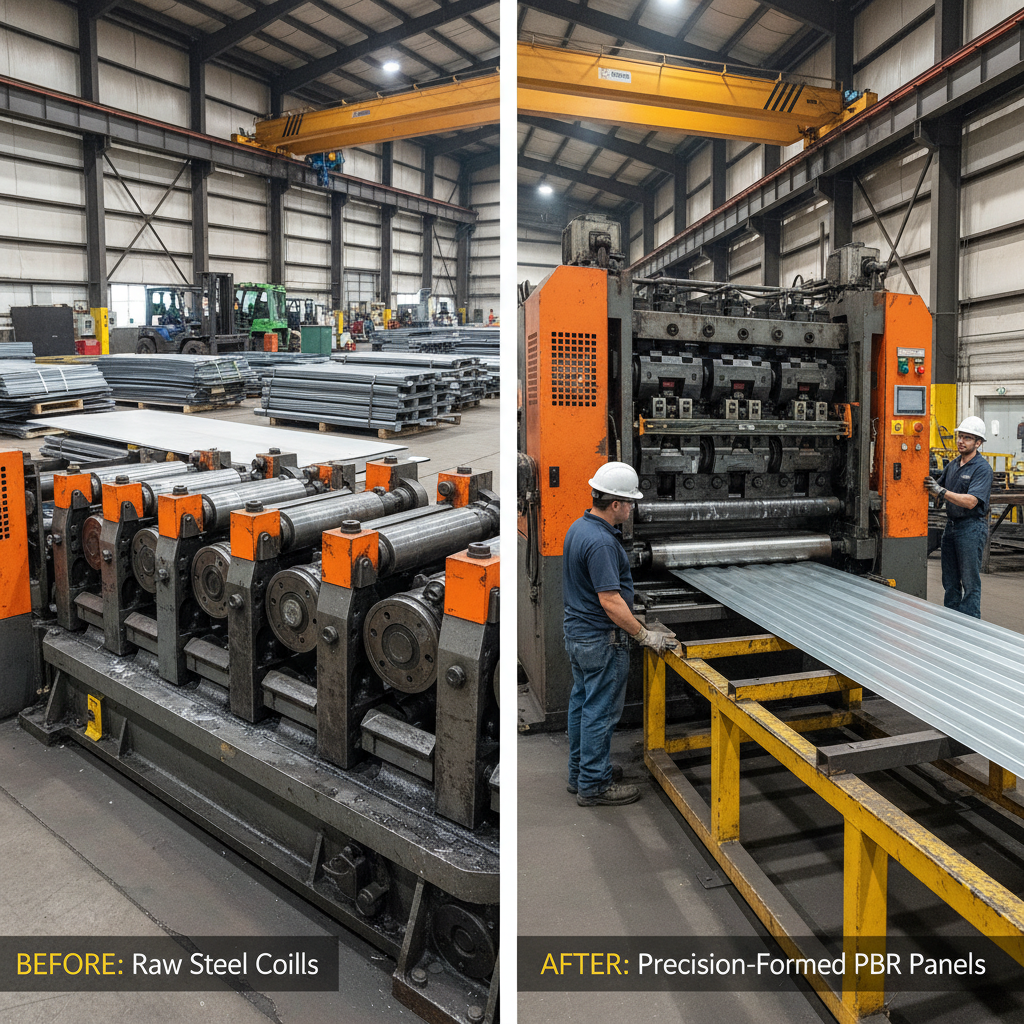
What is a PBR Roll Former and How Does It Work?
A PBR roll former is a specialized machine that uses a series of rollers to progressively bend a flat metal coil into the desired PBR profile. The process involves feeding the metal coil through a set of contoured rollers. Each roller station incrementally shapes the metal, building the profile until the final PBR shape is achieved. The resulting panels are known for their strength, durability, and weather resistance, making them ideal for roofing and cladding. The continuous nature of the process makes it significantly faster and more efficient than traditional methods of fabrication. XHEquipment offers a range of PBR roll forming machines to meet diverse project requirements.
Key Benefit: PBR roll formers provide a highly efficient and cost-effective way to produce large volumes of corrugated metal panels, saving time and labor costs.
Key Components of a PBR Roll Forming Machine
Understanding the key components of a PBR roll former is crucial for operation, maintenance, and troubleshooting. These components work in unison to deliver consistently high-quality PBR profiles. Here's a breakdown of the main parts:
- Uncoiler: Holds and feeds the metal coil into the machine.
- Leveler: Ensures the metal strip is flat before entering the roll forming section.
- Roll Forming Station: The heart of the machine, consisting of multiple roller stations that progressively shape the metal.
- Cut-to-Length System: Automatically cuts the formed panel to the desired length.
- Control System: Manages the entire process, controlling speed, length, and other parameters.
- Run-out Table: Supports the finished panels as they exit the machine.
PBR Roll Former Applications: Diverse Industries Served
PBR roll formed panels find widespread application across various industries. Their strength, durability, and cost-effectiveness make them a preferred choice for many construction projects. Some key applications include:
- Commercial Roofing: Provides a durable and long-lasting roofing solution for warehouses, factories, and other commercial buildings.
- Agricultural Buildings: Used for roofing and wall cladding in barns, sheds, and other agricultural structures.
- Residential Roofing: Increasingly popular for modern residential designs due to its aesthetic appeal and weather resistance.
- Industrial Cladding: Provides robust wall cladding for industrial facilities, offering protection against the elements.
- DIY Projects: Smaller, portable PBR roll formers are available for smaller-scale DIY construction projects.
Versatility in Action: PBR roll formers offer flexibility in terms of material types, thicknesses, and profile designs, catering to a wide range of project requirements.
Choosing the Right PBR Roll Former: Key Considerations
Selecting the appropriate PBR roll former involves careful consideration of several factors. Matching the machine's capabilities to your specific needs ensures optimal performance and a return on investment. Here’s a comparison table to aid your decision:
Maintaining Your PBR Roll Former for Longevity
Regular maintenance is vital for ensuring the longevity and optimal performance of your PBR roll former. Key maintenance tasks include:
- Lubrication: Regularly lubricate all moving parts according to the manufacturer's recommendations.
- Roller Inspection: Inspect rollers for wear and tear, replacing them as needed.
- Cleaning: Keep the machine clean to prevent dust and debris from interfering with the process.
- Alignment Checks: Periodically check and adjust the alignment of the rollers to ensure accurate profiling.
- Control System Monitoring: Ensure the control system is functioning correctly and calibrate as necessary.
Conclusion: Investing in Quality PBR Roll Forming Technology
Investing in a quality PBR roll former is a strategic decision for businesses in the construction and building materials industries. By understanding the technology, considering your specific needs, and implementing a proactive maintenance program, you can maximize your return on investment and ensure a reliable supply of high-quality corrugated metal panels. XHEquipment provides innovative solutions and dedicated support to help you succeed.
Frequently Asked Questions (FAQs)
What metal gauges can a PBR roll former typically handle?
Most PBR roll formers can handle a wide range of metal gauges, typically from 22 gauge to 18 gauge steel, and even heavier gauges for specialized applications. The specific gauge capacity depends on the machine's design and the power of its drive system. It's crucial to specify the gauge requirements during the machine selection process to ensure compatibility. XHEquipment offers machines designed for various gauge thicknesses to meet diverse needs.
What is the typical production speed of a PBR roll former?
Production speed varies depending on the machine type (manual, semi-automatic, or fully automatic), material thickness, and profile complexity. Manual machines typically operate at speeds of around 10-20 feet per minute, while semi-automatic machines can reach 30-50 feet per minute. Fully automatic machines can achieve speeds exceeding 80 feet per minute. Faster speeds often require more robust drive systems and precise control.
What safety features are important in a PBR roll former?
Safety is paramount when operating a PBR roll former. Essential safety features include emergency stop buttons, safety guards around moving parts, light curtains, and a secure enclosure to prevent accidental contact. Proper training and adherence to safety protocols are also crucial. Modern machines often incorporate advanced safety systems to minimize risks and ensure operator protection.
What is the typical power requirement for a PBR roll former?
The power requirement for a PBR roll former varies depending on the machine's size and capacity. Smaller, manual machines may require 5-10 horsepower, while larger, fully automatic machines can require 20 horsepower or more. It's essential to ensure that your facility has sufficient electrical capacity to support the machine's power demands.
-
High Precision Ridge Cap Roll Forming Machine for Modern RoofingNewsApr.16,2026
-
Professional Ridge Cap Roll Forming Solutions for Metal RoofingNewsApr.09,2026
-
Comprehensive Guide to Ridge Cap Machine Functionality and ApplicationsNewsApr.07,2026
-
Comprehensive Guide to Reidius Roll Forming Machineries and Their Diverse ApplicationsNewsApr.04,2026
-
Comprehensive Guide to Rack Roll Forming Machines for Efficient ProductionNewsMar.31,2026
-
Comprehensive Guide to R Panel Roll Forming Machine Applications and SelectionNewsMar.28,2026
