

Optimizing Pellet Production with Durable Pellet Mill Rollers and Expert Guidance
Understanding Pellet Mill Rollers: A Comprehensive Guide
Pellet mill rollers are critical components in the production of biomass pellets, used for heating, animal feed, and industrial applications. Selecting the right rollers is vital for efficient pelletizing, maximizing production, and minimizing downtime. This article will delve into the functions, materials, maintenance, and purchasing considerations for pellet mill rollers, providing a comprehensive resource for operators and buyers. We’ll explore how choosing the right rollers can improve pellet quality and reduce operating costs.
The Function of Pellet Mill Rollers
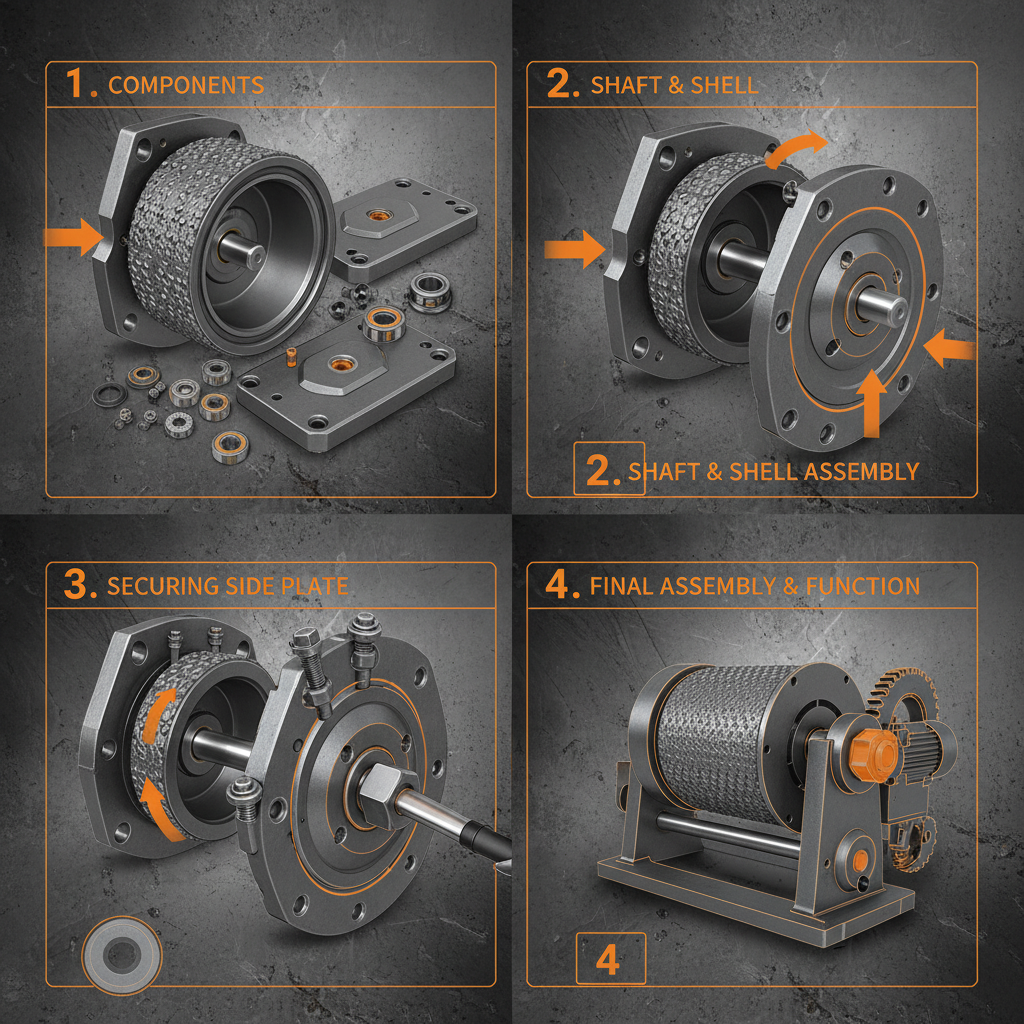
Pellet mill rollers work in conjunction with the die to compress biomass materials – such as wood shavings, sawdust, straw, or agricultural residues – into dense, cylindrical pellets. The rollers apply pressure against the material within the die, forcing it through the die holes to form the pellets. The efficiency of this process is directly influenced by the roller’s surface condition, hardness, and precision. Different roller designs and surface treatments cater to various feedstocks and desired pellet properties. Maintaining consistent pressure and a precise gap between the rollers and die are crucial for consistent pellet quality. XHEquipment provides high-quality pellet mill rollers designed for optimal performance.
Key Highlights: Pellet mill rollers compress biomass through the die, creating dense pellets. Roller condition and precision are crucial for efficiency and consistent pellet quality.
Materials Used in Pellet Mill Roller Construction
Pellet mill rollers are typically manufactured from high-strength alloy steels, chosen for their wear resistance, hardness, and ability to withstand the intense pressure generated during pelletizing. Common materials include:
- 40Cr: Offers good wear resistance and strength.
- SKD11: A high-carbon, high-chromium steel known for its exceptional hardness and resistance to deformation.
- H13 Tool Steel: Provides excellent toughness and resistance to thermal fatigue.
Material Selection Benefits:
• High-strength alloy steels resist wear and deformation.
• Different steel grades offer varying levels of hardness and toughness.
• Heat treatment optimizes material properties for specific applications.
Pellet Mill Roller Comparison: Common Materials
Selecting the appropriate roller material is essential for maximizing pellet mill efficiency and minimizing operational costs. Here's a comparison of three commonly used materials:
Maintenance and Lifespan of Pellet Mill Rollers
Regular maintenance is crucial for extending the lifespan of pellet mill rollers and maintaining optimal performance. This includes:
- Inspection: Regularly inspect rollers for wear, cracks, or damage.
- Cleaning: Keep rollers clean from material buildup, which can affect compression.
- Lubrication: Proper lubrication reduces friction and wear.
- Gap Adjustment: Periodically adjust the gap between the rollers and the die to maintain consistent pellet quality.
Choosing the Right Pellet Mill Roller: Key Considerations
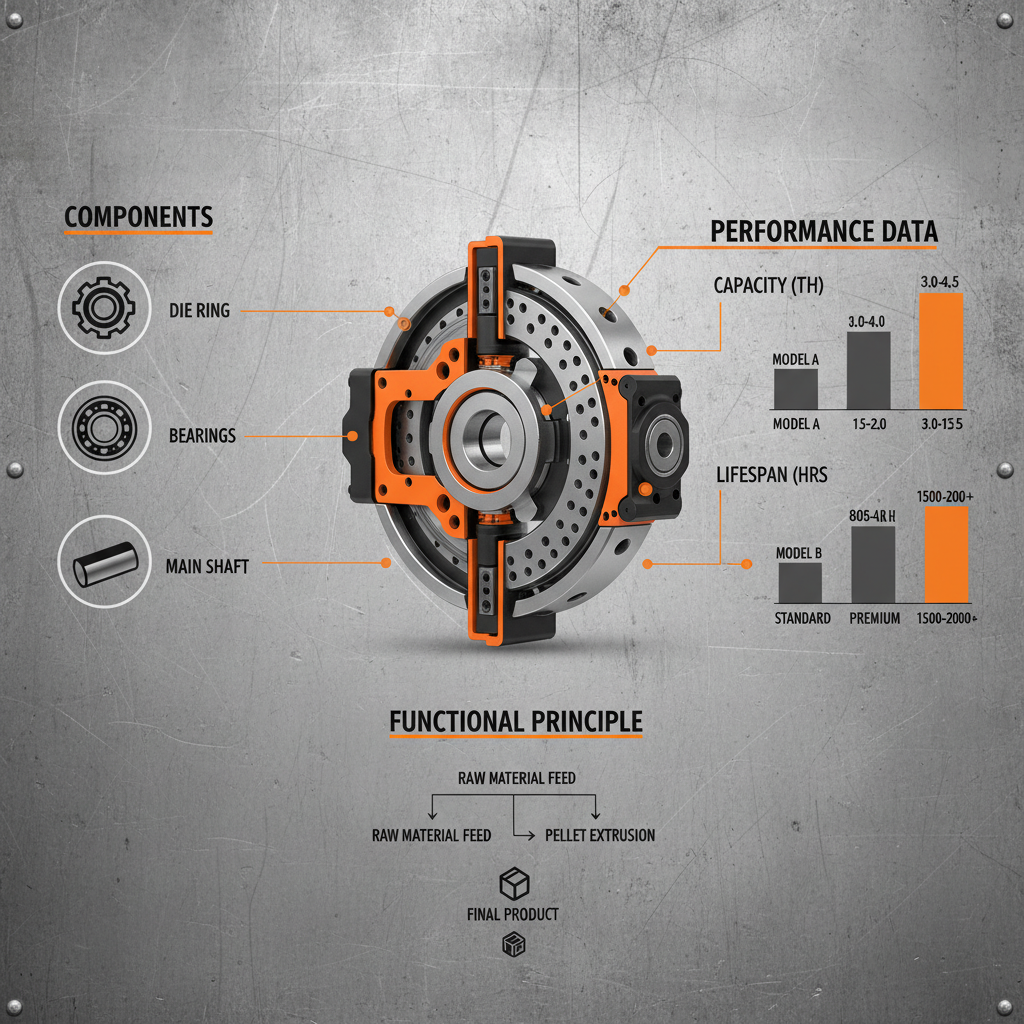
Selecting the right pellet mill roller involves considering several factors: the type of feedstock, the desired pellet quality, the pellet mill's capacity, and budget constraints. Ensure the roller's dimensions are compatible with your pellet mill. Consider the hardness and wear resistance of the material based on the abrasiveness of your feedstock. Working with a reputable supplier like XHEquipment ensures you receive high-quality rollers that meet your specific needs and optimize your pelletizing process.
Conclusion: Maximizing Pellet Production with Quality Rollers
Investing in high-quality pellet mill rollers is crucial for efficient pellet production, reduced downtime, and consistent pellet quality. By understanding the functions, materials, maintenance requirements, and key considerations outlined in this article, you can make informed decisions to optimize your pelletizing process. Don't compromise on quality – choose reliable rollers for long-term performance and profitability.
Frequently Asked Questions (FAQs)
What are the signs that my pellet mill rollers need to be replaced?
Several indicators suggest your pellet mill rollers may need replacement. These include a decrease in pellet quality (more fines, inconsistent size), reduced production capacity, increased motor load, and visible wear or damage on the roller surface. If you notice any of these issues, it's crucial to inspect the rollers and consider replacement to maintain efficient pellet production. Ignoring these signs can lead to further damage to the pellet mill and increased downtime. Regular inspections are key to preventing significant problems.
How do I properly clean pellet mill rollers?
Cleaning pellet mill rollers involves removing accumulated material buildup that can impede their performance. First, ensure the pellet mill is safely shut down and disconnected from power. Use a scraper or brush to remove loose material. For stubborn buildup, consider using a solvent specifically designed for pellet mill cleaning (always follow safety guidelines). Avoid using abrasive cleaners, which can damage the roller surface. Regular cleaning prevents material from hardening and impacting the pelletizing process.
What is the ideal gap setting between the rollers and the die?
The ideal gap setting between the rollers and the die varies depending on the type of feedstock, the desired pellet density, and the pellet mill's design. Generally, a smaller gap results in denser pellets but requires more power. A larger gap may lead to lower pellet density. Refer to your pellet mill's manufacturer's recommendations for the optimal gap setting. Precise adjustment is crucial for maximizing pellet quality and efficiency. Fine-tuning the gap based on observation and testing is often necessary.
Where can I source high-quality pellet mill rollers?
XHEquipment is a trusted source for high-quality pellet mill rollers. We offer a wide range of roller options, manufactured from premium materials and designed for optimal performance and durability. We provide expert advice to help you select the right rollers for your specific needs and offer competitive pricing. Contact us today to learn more about our products and services.
-
High Precision Ridge Cap Roll Forming Machine for Modern RoofingNewsApr.16,2026
-
Professional Ridge Cap Roll Forming Solutions for Metal RoofingNewsApr.09,2026
-
Comprehensive Guide to Ridge Cap Machine Functionality and ApplicationsNewsApr.07,2026
-
Comprehensive Guide to Reidius Roll Forming Machineries and Their Diverse ApplicationsNewsApr.04,2026
-
Comprehensive Guide to Rack Roll Forming Machines for Efficient ProductionNewsMar.31,2026
-
Comprehensive Guide to R Panel Roll Forming Machine Applications and SelectionNewsMar.28,2026
